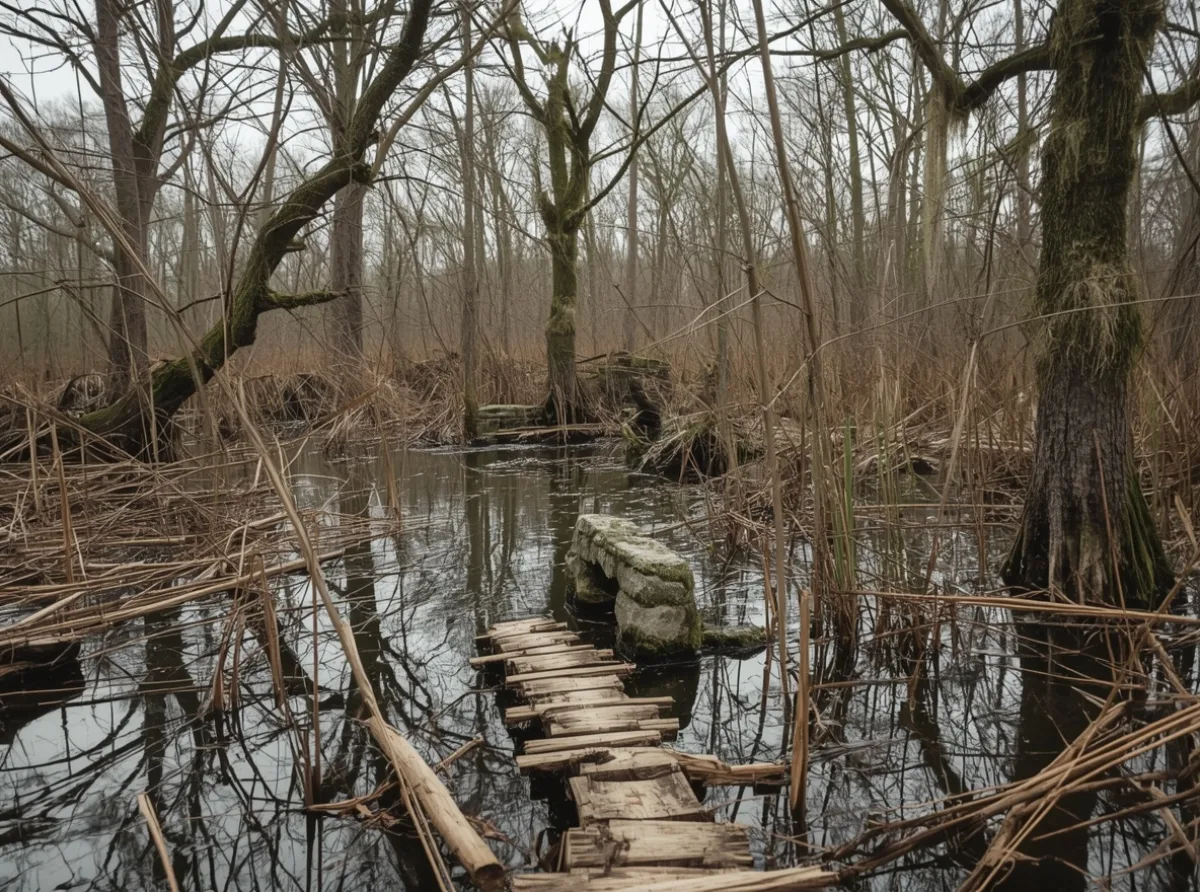
Swamp names work best when they feel old, damp, and a little dangerous. A good fantasy swamp name should suggest hidden water, slow decay, forgotten magic, and the sense that something has been waiting there for a very long time.
That is what gives these names their dark mystery. They do not need to sound loud or heroic. In many fantasy settings, the most memorable swamp names are the ones that feel half-erased, like they belong to a place that has swallowed roads, ruins, and voices alike.
When you are naming a swamp for a game world, story, map, or roleplay setting, the goal is not just to sound spooky. The name should also tell you something about the land itself. Is it ancient? Cursed? Fog-choked? Full of black water, bone trees, or forgotten shrines? The strongest names usually hint at more than one of those things at once.
What Makes Fantasy Swamp Names Feel Immersive
Swamps already carry built-in atmosphere, so the name does not have to do all the work. Still, a strong name can sharpen the image and make the place easier to remember. The best swamp names often combine natural features with strange or ominous details.
Words tied to mud, reeds, rot, mist, sinking, bones, bogs, fenlands, and dark water create an immediate setting. Add one more layer, and the name becomes more interesting. That extra layer might be mythic, cursed, royal, or abandoned. A swamp called Blackmere Hollow feels different from Witchfen Reach, even though both suggest danger.
Strong fantasy swamp names usually do three things at once: they describe the land, hint at history, and leave room for fear or wonder.
Sound matters too. Soft consonants can make a swamp name feel wet and lingering. Harsh consonants can make it feel harsher and more threatening. Longer names often sound ancient, while shorter names can feel blunt and local, as if villagers have used them for generations.
Common Mood Layers Behind Dark Swamp Names
Not every swamp needs the same kind of mystery. Some names feel mournful, some feel cursed, and some feel more legendary than frightening. Choosing the right mood helps the name fit the rest of the world.
- Ancient: suggests buried history, ruins, and old magic.
- Cursed: hints at bad luck, forbidden rituals, or unnatural decay.
- Foggy: creates concealment and uncertainty.
- Forbidden: makes the location feel guarded or avoided.
- Haunted: implies restless spirits, vanished travelers, or memory trapped in the land.
- Royal or sacred: gives the swamp a forgotten importance rather than simple horror.
These moods can be mixed carefully. A swamp can be sacred and dangerous, or ancient and poisoned, or beautiful and wrong. That tension is often what makes the name stick.
Names That Feel Ancient and Mythic
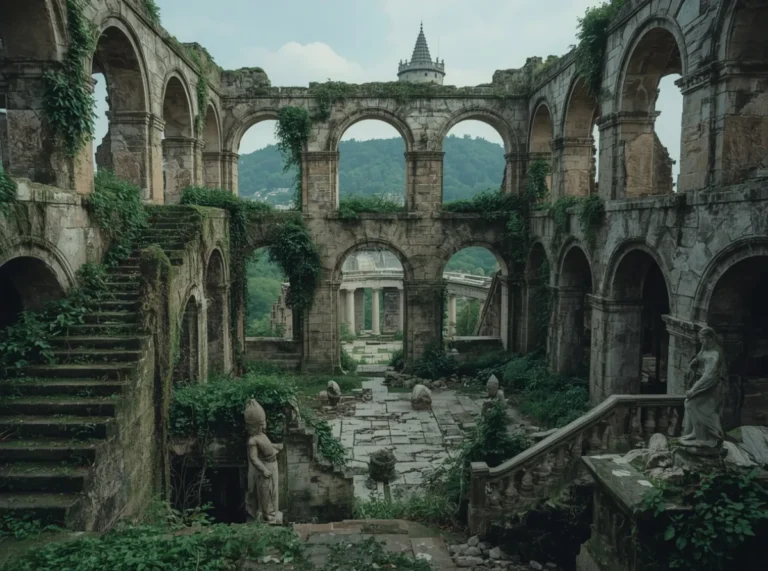
Ancient swamp names often sound as if they were spoken before the current kingdom existed. They may include older-looking syllables, soft echoes, or references to forgotten deities and vanished dynasties. These names suit places with buried temples, moss-covered statues, and waters that reflect strange stars.
If your world has old empires or lost civilizations, this style fits naturally. It gives the swamp the feeling of a place shaped by memory rather than just geography.
- Veymoss Fen
- Thornhollow Mire
- Morwen Bog
- Esdark Marsh
- Caldrin Vale
- Old Wisp Fen
- Harrowmere
- Nyther Mosslands
- Brackenveil Swamp
- Lochmar Drain
- Virelfen
- Elowyn Mire
- Graven Reed Marsh
- Thistlegrave Bog
- Silvertarn Wetlands
- Duskmere Fen
- Ashen Hollow Marsh
- Ravenroot Swamp
- Myrth Fen
- Oathmire
These names lean toward old fantasy rather than modern horror. They feel like places where maps have been redrawn many times, but the swamp stayed the same.
How to use ancient swamp names
Names in this category work well for major regions, lost homelands, relic sites, and borderlands between kingdoms. They also fit ancient quest locations, especially if the swamp hides a tomb, a ruin, or a broken shrine.
If you want the name to feel even older, use fewer sharp sounds and more flowing ones. That gives the impression of a name that changed slowly over centuries. If you want it to sound more severe, add harsher endings or a hard final consonant.
Names That Feel Cursed and Unwelcoming
Some swamp names need to sound directly threatening. These are the names that suggest poison, bad weather, old blood, and places where travelers do not return. They are useful for darker fantasy worlds, cursed zones, and enemy-held territory.
The trick here is balance. If the name is too obvious, it can sound flat. If it is too subtle, it may not carry enough danger. The strongest cursed swamp names hint at trouble without spelling everything out.
- Grimrot Marsh
- Bloodreed Bog
- Hollowfen
- Witchroot Mire
- Blackhush Swamp
- Rotwater Fen
- Cindermire
- Nightcoil Bog
- Gloamreach
- Feverfen
- Marrow Marsh
- Brinegrave Swamp
- Skullthicket Mire
- Deadwater Hollow
- Rookfen
- Blightmoor
- Venomreed Marsh
- Crowdusk Bog
- Shiverfen
- Wyrmrot Mire
These names work especially well when the swamp has a visible threat. Maybe the water burns skin. Maybe the reeds whisper at night. Maybe the ground gives way without warning. The name should match that level of risk.
For cursed swamp names, the best effect usually comes from one strong threat word paired with a natural feature: rot, blood, blight, grave, venom, dead, or black.
Names That Feel Foggy, Hidden, and Secretive
Not every mysterious swamp needs to sound openly evil. Some of the best fantasy swamp names are quiet and concealed. They feel like places where paths vanish, lights flicker between the trees, and the real danger is not seen until it is too late.
This style is useful when you want mood without heavy horror. It fits stealth zones, witch hideouts, hidden settlements, and border swamps that separate one region from another.
- Mistfen
- Veilbog
- Hushmarsh
- Glenmire
- Duskreed Fen
- Wardenhush Swamp
- Fallowmist Marsh
- Lowveil Bog
- Quietrot Fen
- Moonhollow Mire
- Shademoss Wetlands
- Whisperfen
- Stillwater Bog
- Gloamveil Marsh
- Hidden Reed Swamp
- Softgrave Mire
- Lanternmire
- Driftfog Fen
- Hollowmist Bog
- Sableveil Swamp
These names feel less aggressive and more uncertain. That makes them useful when the swamp is part of a journey rather than the final threat. They also work well for places tied to secrets, smuggling, old paths, or concealed magic.
Names With Witchcraft and Arcane Energy
Swamps and magic often fit together. The land seems naturally suited for strange herbs, old rituals, and hidden power. If your world includes witches, druids, swamp cults, or forgotten spellwork, this naming style can add a lot of depth.
These names should feel enchanted without becoming too ornate. A swamp rarely needs elegant decoration. Instead, the magic should feel rooted, wild, and ancient, like it grew out of the ground instead of being placed there by a wizard tower.
- Hexmire
- Runebog
- Charmfen
- Witchthorn Marsh
- Omenreed Swamp
- Spellhollow
- Glimmervale Mire
- Moonhex Fen
- Cauldrift Bog
- Thornspell Marsh
- Runewater Hollow
- Feymire
- Gravebloom Swamp
- Sageveil Fen
- Wispthorn Bog
- Nightbloom Marsh
- Arcane Mire
- Sigilfen
- Herbgrave Swamp
- Charmhush Hollow
This group can also help you distinguish between ordinary wildlands and places touched by power. A name like Runebog feels direct and practical. A name like Nightbloom Marsh feels stranger and more layered.
Small naming patterns that help arcane swamp names
- Use magic-related prefixes: hex, rune, charm, sigil, spell, omen.
- Pair them with grounded swamp words: bog, fen, mire, marsh, hollow, reed.
- Choose one unusual word rather than stacking too many.
- Keep the name pronounceable for players and readers.
That last point matters more than people expect. A swamp name can be dark and strange without becoming hard to say.
Names That Sound Local, Old, and Believable
Some fantasy worlds feel more convincing when swamp names sound like the kind of names actual villagers would use. These are often shorter, simpler, and less polished. They may not sound as grand, but they can feel more real.
This style works well for frontier maps, travel routes, and villages that live near the marsh but do not romanticize it. The name may come from a local feature, a hazard, or a long-forgotten event that only survives in speech.
- Old Bog
- Reed Hollow
- Darkfen
- North Mire
- Greenrot Marsh
- Low Bog
- West Reed Swamp
- Black Hollow
- Frostmire
- Long Fen
- Stone Reed Bog
- Dead Flat Marsh
- Graywater Fen
- South Hollow
- Rootmarsh
- Hightide Bog
- Little Mire
- Deep Reed Marsh
- Cold Bog
- Old Wallow
These names feel practical, and that practicality can be very effective. They are especially useful if the swamp is not magical at all, or if the magic is hidden beneath an ordinary surface.
How Tone Changes the Image of the Swamp
The same land can feel very different depending on the name. A marsh called Ravenroot Swamp sounds ancient and shadowed. The same place as Stillwater Bog feels quieter, maybe even deceptive. Blightmoor sounds poisonous, while Moonhollow Mire feels secretive and nocturnal.
That is why it helps to match tone with role. If the swamp is a major villain zone, use a name with force. If it is a hidden route or strange sanctuary, a softer mysterious name may work better. If the area is meant to feel old and respected, lean toward mythic language.
The best swamp name is rarely the most extreme one. It is usually the one that matches the story role of the place with the least wasted words.
Quick tone guide
| Tone | Best word choices | What it suggests |
|---|---|---|
| Ancient | grave, oath, hollow, elder, forgotten | old history, buried power, lost settlements |
| Cursed | blight, rot, blood, dead, venom, skull | danger, decay, corruption |
| Mystical | moon, rune, wisp, veil, charm, sigil | magic, secrecy, hidden rituals |
| Natural | reed, moss, bog, fen, marsh, mire | grounded geography, realism, travel map feel |
Mixing these columns gives you names with more control. You can make a swamp sound magical but still harsh, or ancient without making it noble.
Alternative Naming Styles for Related Swamp Areas
In a larger fantasy setting, the swamp itself may not be the only place that needs a name. Small zones inside it can carry their own identity. That helps the region feel layered, especially in RPG maps and story campaigns.
Sub-areas can be named for features, local legends, or dangers. They should feel related to the main swamp without copying it exactly. That keeps the world from sounding repetitive.
- The Drowned Path
- Witchlight Crossing
- Harrow Reed Flats
- The Sunk Causeway
- Crow Hollow Bank
- Old Gasp Pool
- Mudspire Ring
- Vileroot Channel
- Lantern Sink
- Black Reed Bend
- The Broken Causeway
- Mireglass Pools
- Bonewater Channel
- The Whisper Docks
- Fenwarden Edge
- Gallow Thicket
- Rotfen Bend
- The Moss Vault
- Shroudwater Run
- Hag’s Drift
These can be used as locations inside a larger swamp region or as landmarks on a campaign map. Names like these are especially helpful when players need to remember where a quest item, hidden ruin, or enemy camp is located.
How to Build Your Own Dark Swamp Name
If you want to make a swamp name that sounds original, the easiest method is to combine two ideas: one natural detail and one emotional or mythic detail. Keep it simple. The name should feel like something that might exist on a hand-drawn map, not just a random string of fantasy syllables.
Start with the setting itself. Is it full of reeds, black water, moss, stagnant pools, or sinking peat? Then choose the feeling you want. Maybe it is ancient, cursed, hidden, sacred, or haunted. Put the two together and test how it sounds aloud.
- Natural + dark: Reed + grave, moss + rot, bog + ash
- Natural + mystical: Fen + moon, mire + rune, marsh + veil
- Natural + old history: Hollow + oath, swamp + crown, bog + elder
- Feature + threat: black + water, dead + reed, sinking + hollow
Short names often hit harder. Longer names can feel older or more formal. Both work, but each creates a different rhythm. If you are naming a major region, a longer name can carry history. If you are naming a small danger zone, shorter often feels stronger.
Examples of custom-built combinations
- Moon + mire = Moonmire
- Grave + reed = Gravereed
- Black + fen = Blackfen
- Oath + bog = Oathbog
- Veil + marsh = Veilmarsh
- Rot + hollow = Rothollow
- Wisp + water = Wispwater
- Rune + swamp = Runeswamp
These forms are useful because they stay readable. They also leave room for the player or reader to imagine the details instead of forcing every detail into the name.
Lasting Appeal of Dark Swamp Names
Fantasy swamp names work when they feel like they belong to a place with memory. The strongest ones are not just eerie. They are specific. They make you think of wet roots, old paths, buried stone, and a quiet sense that the land remembers more than the people who cross it.
That is where dark mystery becomes useful. It gives the swamp weight. It turns a simple region into a location that can hold ruins, rituals, monsters, lost travelers, and stories that only surface after the fog clears.
Whether the name is harsh, elegant, secretive, or ancient, it should fit the shape of the world around it. A good swamp name does not merely label a place. It leaves a stain in the imagination.