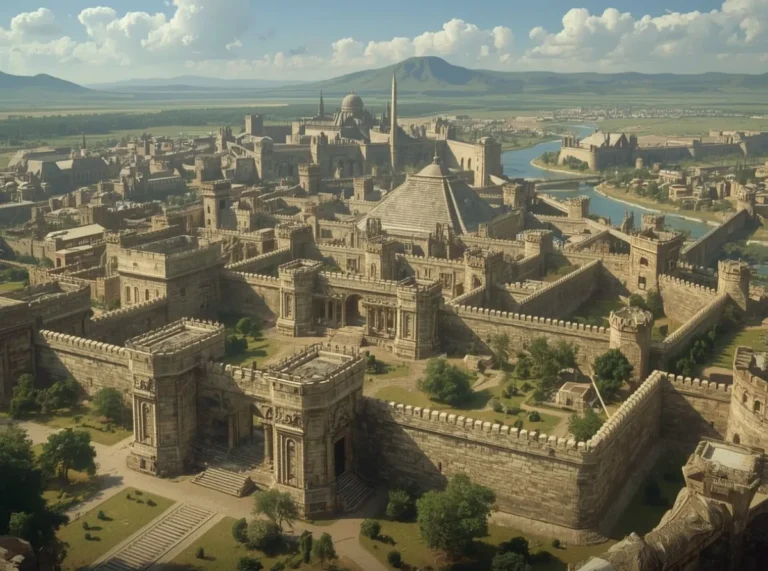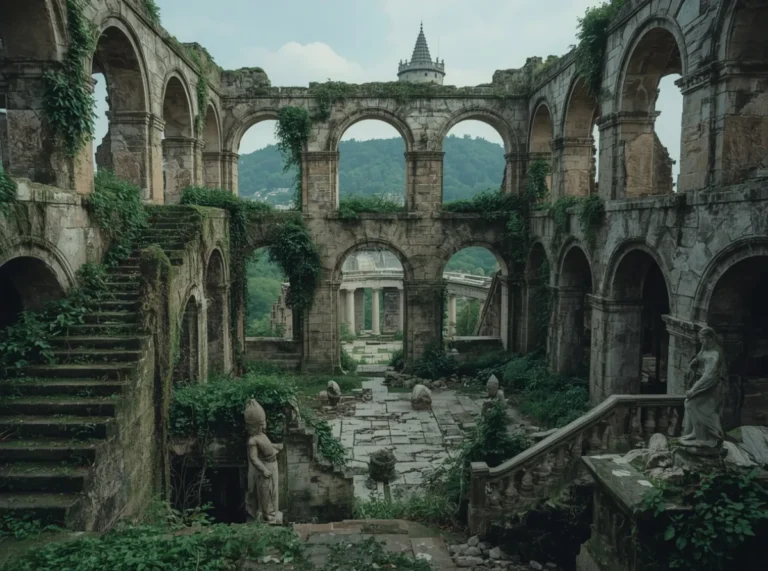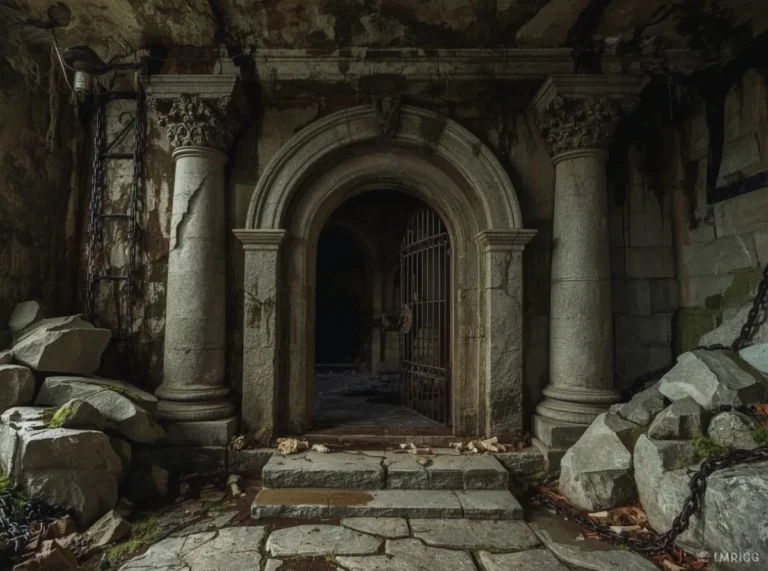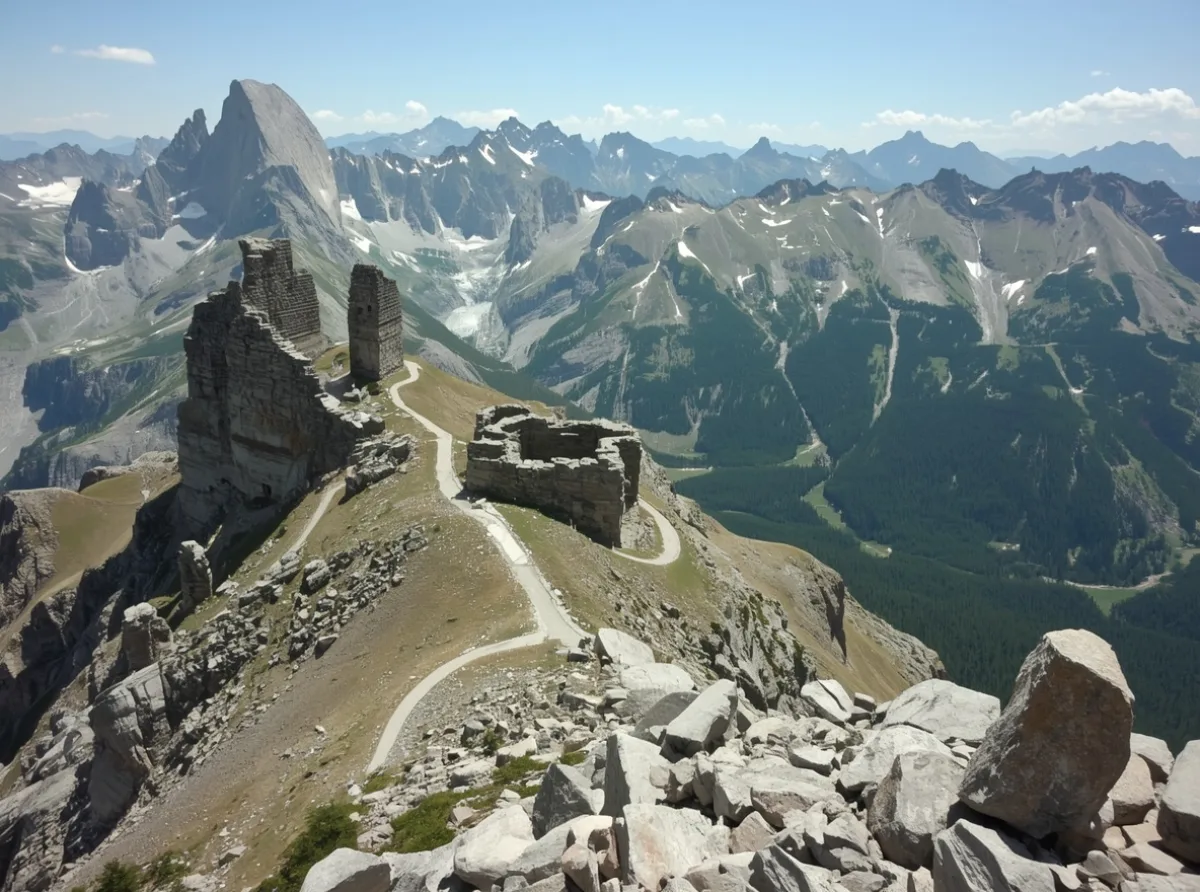
Some mountain names feel new the moment you hear them. Others sound as if they have been standing for ages, long before roads, kingdoms, or maps. That difference matters in fantasy, because a mountain is rarely just terrain. It is a boundary, a watchpoint, a place of memory, and sometimes a force that shapes entire cultures.
Names with ancient presence work especially well when they suggest age without needing to explain it. A single word can imply buried temples, lost migration routes, old dragon paths, or a summit older than the dynasties below it. The right name makes a mountain feel like it has already witnessed events you have not written yet.
In games, worldbuilding, and roleplay, those details help everything else feel grounded. A mountain range called something sharp and modern has a different effect than one called by a name that sounds weathered and inherited. The second kind often carries more weight, even when the setting itself is simple.
Ancient-sounding mountain names also do useful work in a story. They can shape the mood of a region, hint at forgotten languages, and give players or readers a quick sense of scale. A name does not need to be long to feel old. It only needs the right rhythm, texture, and suggestion of time.
What Gives a Fantasy Mountain Name an Ancient Presence
An ancient mountain name usually feels grounded in history rather than invention. It sounds like it has been passed down, altered by dialects, and preserved through use. That does not mean it must be difficult to pronounce. In fact, some of the strongest names are simple because they carry age in their structure, not in their complexity.
Several qualities often create this effect:
- Hard consonants mixed with open vowels
- Old-world endings such as -th, -ar, -on, -iel, or -mere
- Hints of place names, languages, or forgotten titles
- Names that feel rooted in stone, wind, frost, or memory
- Balanced syllables that sound established rather than invented on the spot
It also helps when the name feels like it belongs to a larger naming tradition. A single peak called Vaelor sounds like one mountain. A range called the Vaelor Crown sounds like a place that has already existed in old stories for generations. The mountain itself becomes part of the language of the world.
The most convincing ancient mountain names do not sound “fantasy-first.” They sound as if a fantasy world has been carrying them for centuries.
Another factor is restraint. If every name in a region sounds ornate, none of them feels old anymore. Ancient presence often comes through when the name is strong, but not overworked. A mountain can be majestic without sounding theatrical.
Where These Names Work Best in Fantasy Worlds
Names with this kind of weight are especially useful in settings where geography matters. They work in mountain kingdoms, borderlands, shrine sites, lost empires, and regions where old paths connect distant cultures. They also fit well in RPGs, where the name of a mountain pass may appear in quests, faction lore, and map markers.
In storytelling, these names can carry meaning beyond location. A mountain might mark the edge of a kingdom, hide a sealed vault, or stand over a battlefield that shaped a nation. The name can quietly suggest all of that without needing exposition.
Roleplay communities often use this style when they want a location to feel established. A mountain with an ancient name seems like it has local legends attached to it, whether those legends are true or not. That makes it easier to build factions, pilgrimages, and rumors around it.
Even in lighter fantasy settings, an old-sounding mountain name gives the world a deeper backbone. A charming village feels more convincing when it sits beneath a peak with an inherited name. The contrast between everyday life and ancient terrain adds texture.
Mountain Names That Feel Old, Sacred, and Enduring
These names work well for peaks tied to ancestry, old kingdoms, burial sites, or high places of worship. They have a stillness to them. Some sound noble, some solemn, and some quietly holy.
- Alderth Peak
- Vaelor Ridge
- Eryndor Summit
- Stoneveil Crown
- Thalmere Height
- Oranth Keep
- Velkar Spine
- Myrath Vale
- Caelthorn Rise
- Hallowmere Peak
- Eltharion Crest
- Ravengate Summit
- Morndel Ridge
- Ardenth Mount
- Seralyth Peak
- Ironael Crown
- Oldwyn Heights
- Varyth Tor
- Selmora Rise
- High Anver
- Daelorn Spur
- Branthiel Peak
- Frostmere Crown
- Galenath Hold
Names like these often suit regions with old stone roads, monastic orders, relic hunters, or royal histories. They feel stable. They also tend to work well when you want a mountain to seem like part of a living tradition instead of a raw wilderness landmark.
If you want to make one of these names feel even older, pair it with a title that implies long use. Alderth Peak becomes more evocative as Alderth Peak of the First Kings or Alderth, Stone of the North Pass. The extra phrase is not always necessary, but it can deepen the sense that the name has been spoken for generations.
Mountain Names With Ruins, Memory, and Lost Empires
Some mountain names feel ancient because they seem tied to something that fell. These are good for settings with vanished civilizations, broken towers, buried stairways, and old war lines that still shape the present. They often sound heavier, a little more solemn, and more layered in meaning.
- Kareth Ruinpeak
- Ossaryn Mount
- Vhaldor Break
- Tarimel Spine
- Corvath Hollow
- Jorath Keep
- Melkior Cliffs
- Eridan Ashridge
- Vorun Vale
- Helmora Tor
- Nareth Fallen Crown
- Ulthar Rock
- Fenroth Summit
- Alcaris Ridge
- Myrrak March
- Thoran Ossuary
- Belrith Scar
- Caldorin Height
- Veskar Tombpeak
- Rhevan Oldspire
- Dravon Hollow
- Selkareth Crag
- Auren Duskmount
- Maroth Broken Peak
These names often suggest a landscape that remembers loss. They are a strong fit for forgotten battlegrounds, sealed gates, and ancient settlements carved into cliffs. The words themselves do some of the worldbuilding, especially when they imply fracture, ruin, burial, or disappearance.
If the mountain name hints at collapse, the rest of the setting does not need to explain every detail. The name already carries the silence of what is missing.
For example, Nareth Fallen Crown immediately feels like more than a mountain. It sounds tied to a dynasty, a defeat, or a loss that still shapes the present. That makes it ideal for a story where geography and history are tightly linked.
These names also work well when you want the mountain to feel dangerous without naming that danger directly. A place called Belrith Scar feels wounded. Vhaldor Break sounds like a place where something once split. That kind of implied history is often more effective than explicit description.
Mountain Names That Sound Older Than the Kingdoms Around Them
Not every ancient name needs to feel sacred or ruined. Some should feel simply old, as if the world has long since forgotten who named them first. These names tend to be shorter, tougher, and a little more mysterious. They fit well in frontier maps, wilderness routes, and settings where the mountain predates the culture surrounding it.
- Tor Valen
- Merrok Peak
- Arkhal Ridge
- Vorn Cairn
- Kelm Tor
- Durath Pass
- Haldor Crag
- Orvek Spur
- Rothen Mount
- Malgath Edge
- Erkel Height
- Sovar Stone
- Thurn Vale
- Balor Crest
- Neral Ridge
- Jastor Peak
- Varek Tor
- Othrim Hold
- Calven Crag
- Draken Spur
- Morval Mount
- Yarom Stone
- Pelthar Pass
- Uldren Crest
These names do not try too hard. That is part of the appeal. They sound like they came from old route markers, oral tradition, or languages that have been shortened by time. They are practical, but they still have atmosphere.
For game maps, this style is especially helpful because it remains readable. Players can remember Merrok Peak or Haldor Crag easily, and those names still feel like they belong to a world with depth. They are simple enough for everyday use, but they do not feel generic.
In a story, these names can signal that the mountain is old enough to have become ordinary to locals and extraordinary to outsiders. That contrast is useful. It makes the setting feel lived in.
How Tone Changes the Same Mountain Name
A good fantasy mountain name can shift meaning depending on tone. One version may feel noble, another dangerous, and another almost sacred. The core name does not need to change much. Often, the surrounding words do the work.
| Base Name | Noble Tone | Darker Tone | Mythic Tone |
|---|---|---|---|
| Vaelor | Vaelor Crown | Vaelor Ashpeak | Vaelor of the First Age |
| Haldor | Haldor Ridge | Haldor Broken Spur | Haldor, Seat of the Stone Oath |
| Thalmere | Thalmere Heights | Thalmere Hollow | Thalmere under the Old Sky |
This flexibility is useful when building regions. You can reuse naming patterns without making every mountain sound the same. One peak can feel royal, while another from the same range feels haunted or ancient in a ceremonial way.
The key is to match tone to role. A border mountain should sound different from a pilgrimage summit. A cursed ridge should not sound as polished as a capital peak. When the name matches the function, the world becomes easier to read.
Longer Names That Feel Like They Belong to Old Maps
Sometimes a mountain needs more than a single title. Older fantasy maps often use compound names or descriptive forms that sound inherited from earlier ages. These can feel especially strong when the mountain is famous, sacred, or central to the setting.
- The White Vein of Orath
- Mount Elarin of the Dawn Gate
- The Hushed Crown of Velkar
- Stonefall Ridge of the First Oath
- The Black Crown of Ardenth
- Peak of the Sealed Vale
- The Old Spine of Caelthorn
- High Tor of the North March
- The Broken Summit of Myrath
- Mount Seralyth Above the Ash Road
- The Silent Peak of Varyth
- Ridge of the Last Banner
- The Frosted Crown of Hallowmere
- Old Mount Galenath
- The Hollow Peak of the Kings’ Way
- Stone Tor Beneath the Red Star
- The Iron Heights of Oranth
- Summit of the Hidden Chapel
- The Endless Ridge of Thalmere
- Mount Ravengate Beyond the Pass
These names create a stronger sense of history because they sound like official labels, folk names, or older translations. They are useful when you want the mountain to feel famous across multiple regions. A long name also helps if the location matters to the main plot.
Long forms can be especially effective in dialogue. A local might say the Old Spine, while a scholar writes The Old Spine of Caelthorn. That difference makes the world feel more natural.
Subtle Variations for Different Kinds of Ancient Presence
Ancient presence does not always need to feel grand. Sometimes it is quiet. A name can suggest age through restraint, weathering, or a faintly archaic sound. Those smaller details often work best for mountains that are part of everyday life but still carry deep roots.
- Ashen Tor
- Greymaw Ridge
- Windholt Peak
- Stoneward Crest
- Oldbarrow Mount
- Wyrmrest Crag
- Dunmere Height
- Fallow Peak
- North Cairn
- Hearthstone Ridge
- Birchfall Spur
- Wintermere Tor
- Longstone Hill
- Valecrest Mount
- Rimehold Peak
- Oaken Rise
- Sable Crag
- Mistward Summit
- Thornhollow Ridge
- Granite Watch
These names are useful when you want a mountain to feel old without dominating the setting. They can sit naturally beside farms, watchtowers, and small towns. The ancient feeling comes from the steadiness of the words, not from dramatic language.
That makes them versatile. They can appear in a cozy frontier campaign, a low-magic world, or a story where old places matter more than grand empires. They still have presence, but they do not overwhelm the map.
How to Make Your Own Ancient Mountain Names Feel Believable
Building this style works best when the name sounds like it could have changed over time. A mountain might have a formal name, a local nickname, and a translation used by scholars. That layering makes it feel real.
A few practical patterns help:
- Use a root word that suggests stone, frost, height, or age
- Add a suffix that feels inherited, not decorative
- Keep pronunciation manageable unless the setting calls for complexity
- Let one part of the name hint at history, ruin, oath, or silence
- Use compounds to create a sense of old geography
It also helps to think about who named the mountain first. A kingdom, a tribe, a temple order, or a lost empire will each leave a different kind of mark. The name should reflect that origin, even if only loosely.
A believable fantasy mountain name often sounds like the result of time, not creativity alone. That is what gives it age.
For example, Stoneward Crest sounds like a practical name from a people who value defense. Rimehold Peak suggests a colder culture with a rougher vocabulary. The Hushed Crown of Velkar feels ceremonial, as if priests or nobles preserved it in formal language.
Useful Naming Patterns for Ancient Mountain Presence
When you want to generate more names in this style, certain patterns repeat well without feeling stale. They are not rules, just reliable building blocks.
- [Stone/Frost/Ash/Wind] + [ridge/peak/tor/crown]
- [Old/High/Gray/Hidden] + [mount/spur/crest/hold]
- [Personal-sounding root] + [historic ending like -or, -ath, -mere, -el]
- The [adjective] [noun] of [ancient place or event]
- [Mountain feature] + [legacy word like oath, crown, gate, ruin]
These patterns can be adapted for different moods. Swap stone for ash and the mountain feels scorched. Swap hidden for high and it feels remote rather than secret. Small changes shift the whole impression.
That is one reason ancient mountain names are so useful. They can support a huge range of worlds while still keeping the same core quality: age that can be felt, even if it is never fully explained.
Closing Range of Names for Deep-Fantasy Maps
When a mountain name carries ancient presence, it changes the map around it. Valleys feel older. Passes feel watched. Ruins nearby feel connected rather than random. The name becomes part of the geography’s memory.
That is why names like Vaelor Ridge, The Black Crown of Ardenth, or Stonefall Ridge of the First Oath stay useful long after the first idea appears. They do not just label a place. They imply a history that is still standing, even when the people who named it are gone.
In fantasy worlds, that kind of presence gives the land a voice. A mountain can remain silent and still feel like it knows something.