Some ruin names feel like they were found on a cracked stone tablet rather than invented in a notebook. They carry dust, age, and the sense that something important happened there long before the first adventurer arrived. A good fantasy ruin name does more than label broken walls. It hints at a lost kingdom, a buried rite, a vanished war, or a civilization that once believed it would last forever.
Names with forgotten history work especially well when they sound specific without explaining everything. The best ones leave room for questions. Was this place a temple, a fortress, a school, or a royal retreat? The name can suggest all of that with a few sharp syllables, and that is what gives a ruin its weight in a fantasy setting.
In games, stories, and worldbuilding, these names help turn empty locations into places with memory. They make the map feel older. They also create a mood before anyone steps inside, which is why naming matters just as much as the layout, monsters, or loot inside the ruins.
What gives a ruin name forgotten history
A ruin name feels believable when it carries traces of a former culture. That can happen through old-fashioned wording, strange honorifics, broken titles, or references to things no longer understood by the current world. The name does not need to explain the past. It only needs to suggest that the past is still present in the stone.
There are a few traits that make these names stand out:
- They sound old without becoming unreadable.
- They hint at purpose, rank, or sacred meaning.
- They often mix beauty with decay.
- They leave room for interpretation in lore or gameplay.
Some ruins feel more tragic, while others feel more forbidden. A name like Thornreach Crownhold suggests a noble site that fell hard. A name like Vesper Hollow feels quieter, but still charged with memory. Even without context, the player can sense a story behind it.
The strongest ruin names usually imply a place that mattered to someone. If the name sounds empty or generic, the history feels thinner too.
Names that sound like fallen kingdoms
These names work well for capital ruins, broken castles, abandoned cities, or places tied to vanished dynasties. They lean more royal, more political, and often more formal. The history behind them feels large, even if the actual site is only a small set of ruins on a map.
Use them when you want the place to sound like it once controlled land, people, or trade routes.
- Aranth Keep
- Valedorn Citadel
- Kingfall Bastion
- House Emberwyn
- Oakhart Crown Ruin
- Thandor Palace
- Highmere Hold
- Caldris Stronghold
- Velmora Spire
- Dreadhelm Court
- Ironveil Citadel
- Ravenholt Seat
- Stonewreath Hall
- Myrden Throne Ruin
- Edgebane Fortress
- Silvermarch Keep
- Northvein Palace
- Halvenrest Crownhall
- Orinth Valehold
- Brackenfall Citadel
- Sablecroft Keep
- Wyrmgate Throne
These names often work best when paired with a small amount of descriptive history in the world itself. If the ruins are called Valedorn Citadel, for example, nearby villagers might still speak of “the old walls” or “the winter throne.” That kind of echo helps the name feel inherited rather than invented.
Names with royal weight also tend to age well across different kinds of settings. They can fit high fantasy, dark fantasy, or even a lower-magic world if the old kingdom was once central to the region. The key is to avoid making every title sound grand in the same way. Variety keeps the world from feeling flat.
Names that feel sacred, sealed, or forbidden
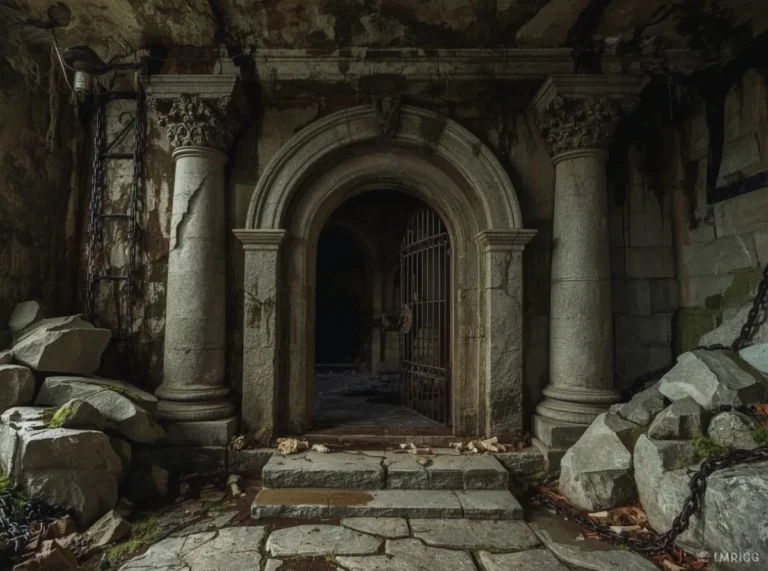
Some ruins are not remembered for power alone. They are remembered because people stopped going there. Those places often need names that suggest ritual, taboo, or divine abandonment. The best names in this group feel like they were spoken carefully in the past and avoided in the present.
These names are good for temples, arcane observatories, buried sanctuaries, and ruined monasteries. They are especially useful when the site holds an artifact, curse, or old magical event.
- Mooncrypt
- Saint Veyra’s Remnant
- Ashen Reliquary
- Talmere Sepulcher
- Black Altar of Yorne
- Veilstone Shrine
- Hollow Benediction
- Cinder Psalm Hall
- Old Star Vault
- Graven Mercy
- Linthel Chapel Ruin
- The Broken Liturgy
- Vossen Sanctum
- Gloam Reliquary
- Fallow Oracle
- Silent Tithe
- Warden’s Ash Chapel
- Last Vigil Shrine
- Umber Hymn
- Broken Covenant Hall
- Marrowlight Vault
- Seventh Seal Ruin
Names like these work because they suggest the site was once meaningful in a way that is now difficult to recover. A player does not need the full backstory right away. In fact, the mystery is part of the appeal. A name like Silent Tithe tells you something was taken there, but not what, or by whom.
Forbidden ruins feel stronger when the name sounds like a memory people learned not to repeat aloud.
Names that sound like ancient cities lost to time
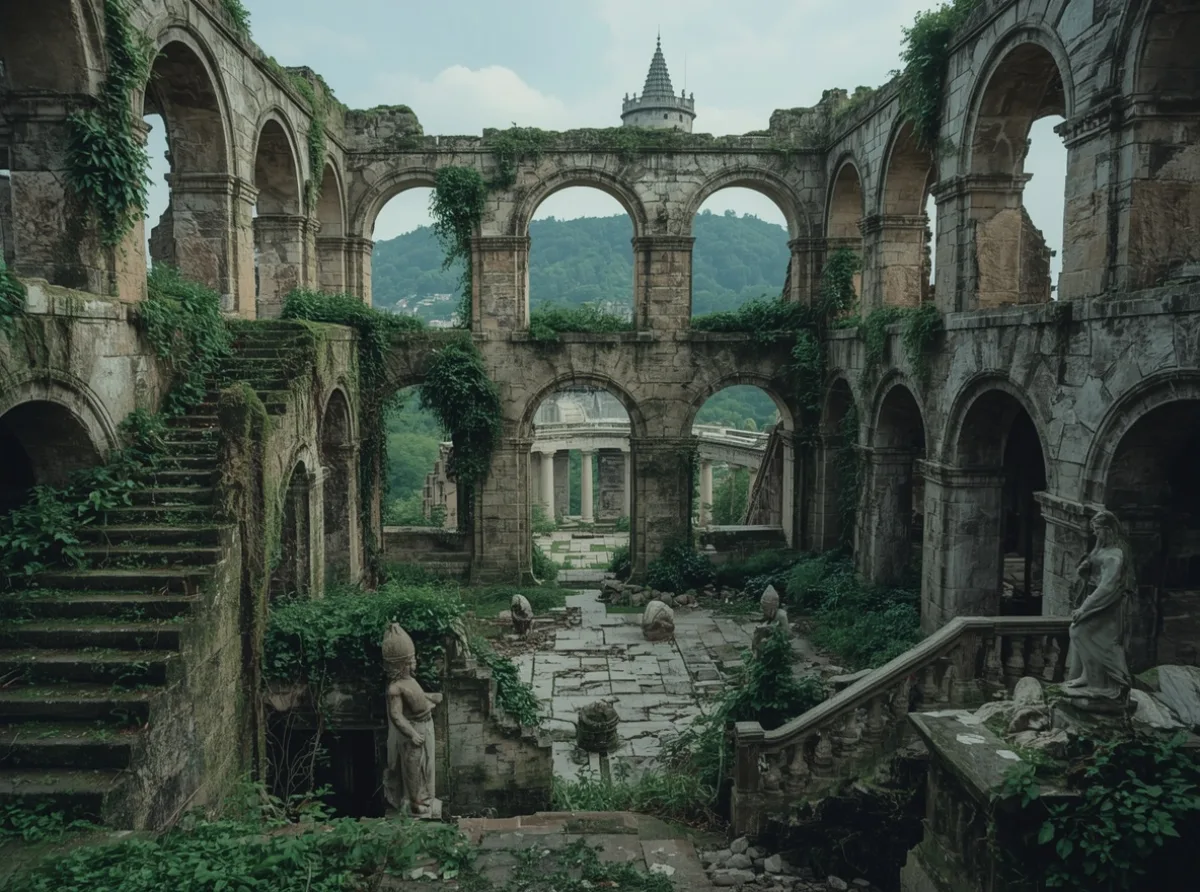
City ruins need a different rhythm from castles or shrines. They should sound lived-in, layered, and old in a social sense. These are places where people once bought food, argued over taxes, built homes, and left behind routines that now exist only in broken streets and half-buried courtyards.
For these locations, names can be broader and more geographic. They often sound like they belong to a trade hub, river city, or cliff settlement that lasted longer than most. They can also hint at what the place was known for.
- Elden Quay
- Marrowgate City
- Old Lyris
- Vantheir Harbor
- Brinewatch
- Duskmere Ward
- Halcyon Row
- Fenwall Crossing
- Goldharrow
- Trenfall Basin
- Stormglass District
- Wilderfen Ruins
- Westmere Vault City
- Frosthaven Lowtown
- Redspire Quarter
- Ostreln Reach
- Grey Morrow
- Tarwick Deepstreet
- Bellmire Oldtown
- Hallowfen Port
- Virel Crossroads
- Shaleborne
City names often feel strongest when they preserve a trace of how the place functioned. Brinewatch sounds like a coastal settlement. Goldharrow implies wealth that may have been stripped away. Bellmire Oldtown feels like the sort of district where the oldest stones still carry the shape of past lives.
These names are useful in large fantasy maps because they help orient the player and deepen the setting at the same time. A city ruin should not only sound ancient. It should also sound like it belonged to a real culture with roads, trade, districts, and losses that spread beyond its walls.
Names that carry a darker, more decayed mood
Not every forgotten ruin should sound noble. Some should sound exhausted, stained, or almost wrong. These names are ideal for places where history ended badly and never really settled. They can work for plague sites, war-scarred grounds, cursed strongholds, or ruins built over something worse.
The tone here is less about grandeur and more about unease. The name should feel worn down by age.
- Rotmere Hollow
- Bleakcairn
- Gravelorn
- Harrowfen Ruin
- Crowshade Keep
- Woundspire
- Blackfen Bastion
- Dustwither Hall
- Scourgefall
- Mourncrest
- Rimegloom
- Ashenbarrow
- Gallowsreach
- Nightwold Ruins
- Shiverhold
- Varken Ashworks
- Boneveil
- Witherstone
- Thorngrave
- Fallow Dread
- Embercairn
- Silent Rot
These names tend to work best when the environment supports them. A place called Woundspire should feel like it came from a violent past. Silent Rot sounds smaller and stranger, good for a hidden ruin or a site tied to corruption. Thorngrave feels almost natural, as if the land itself has learned to remember the dead.
One useful trick is to let the name hint at decay without stating it too directly. A title like Dustwither Hall feels more immersive than something overly literal. It sounds like a place that has suffered long enough for its own name to start fraying.
Names with mythic or legendary weight
Some ruin names need to feel larger than a single site. They should sound like they belong in songs, old maps, or half-remembered epics. These are the places that people in the world might use as references, warnings, or examples of ancient pride.
They often use strong combinations of celestial, elemental, or heroic language. The history behind them may be unclear, but the fame of the place remains.
- Starfall Crown
- Dragonwake Ruins
- Stormsunder Hall
- Moonbreaker Keep
- Sunveil Monument
- Ironstar Bastion
- Frostfire Citadel
- Embercrown Remnant
- Skyrend Palace
- Blacktide Throne
- Goldwyrm Vault
- Dawnshard Temple
- Celest Hollow
- Thunderspire Ruin
- Riftcrown
- Valken Ash Keep
- Mythveil Seat
- Halosunder
- Stormglass Cathedral
- Oracle of the Deep Sun
- Red Comet Sanctum
- Everfall Citadel
Legendary names often work because they feel compressed. They do not explain much, but they imply significance at once. Starfall Crown sounds like a place where heaven and monarchy collided. Stormsunder Hall suggests an event, not just a building. That sense of impact makes the ruin feel memorable before anyone reads its lore.
When a ruin name sounds legendary, it should feel like the world has already been telling stories about it for centuries.
Subtle names versus dramatic names
Not every ruin needs to announce itself with thunder. Some of the best forgotten-history names are quiet. They sound like real old place names that survived through use, not decoration. Others are bold and theatrical. Both approaches can work, but they create different experiences.
| Style | Effect | Best use |
|---|---|---|
| Subtle | Feels local, aged, and believable | Small ruins, hidden sites, village lore |
| Dramatic | Feels iconic and memorable | Major dungeons, legendary capitals, boss areas |
| Hybrid | Feels grounded but still special | Most fantasy maps and campaign locations |
Subtle names often rely on place language: Hollow, Barrow, Reach, Cairn, Hold, Vault, Ward. A name like Greybarrow feels ancient without trying too hard. Dramatic names often combine power words: Crown, Throne, Star, Storm, Wyrm, Ash, Moon. A name like Moonbreaker Keep sounds bigger and more mythic immediately.
The best choice depends on the role of the ruin. A minor road ruin should not sound like the end of the world. A final dungeon probably should. If every site is overdesigned, none of them will stand out. If every site is too plain, the world loses its sense of age and mystery.
How old language shapes forgotten history
Old history often lives inside the structure of the name itself. Small changes in word order or sound can make a ruin feel older, more local, or more inherited. Even a name that uses invented fantasy syllables can feel grounded if it follows patterns people recognize from place names and titles.
Some useful naming patterns include:
- Adjective plus noun: Silent Vault, Black Chapel, Old Watch
- Compound place names: Stonewreath, Goldharrow, Wyrmgate
- Title plus location: Throne of Vey, Citadel of Ash
- Personal memory form: Saint Veyra’s Remnant, King Orun’s Fall
The first pattern often feels the most immediate. The second feels more like a natural world map. The third sounds ceremonial and grand. The fourth adds a clear historical echo, which can be useful if the ruin is tied to a famous ruler, saint, or betrayal.
Another strong method is to preserve a language fragment from an extinct culture. That can be as simple as a repeated prefix or suffix. A region might use names like Val-, Mor-, or Tha- for old sacred sites. If that pattern repeats across the world, the player starts to feel the depth of the lost civilization even when no one explains it.
Names that suggest what was once there
Sometimes the clearest route to forgotten history is to hint at the original purpose of the place. A name can tell the player what kind of ruin they are approaching without giving away the entire past. This creates a useful balance between clarity and mystery.
These names are practical because they help with navigation, quest design, and atmosphere all at once.
- Glasswing Archive
- Frostloom Foundry
- Sunken Barracks
- Old Gateworks
- Ruin of the Nine Bells
- High Lantern Observatory
- Gilded Forum
- Shadowmill Yard
- Stormward Beacon
- Amber Tribunal
- Broken Archive of Vale
- Last Granary
- Songstone Theater
- Northwatch Foundry
- Moonharbor Dock
- Warden’s Barricade
- Ivory Library Ruin
- Red Chapel Roadhouse
- Silent Mint
- Fallen Glasshouse
- Queen’s Solar Hall
- Old Meridian Works
These names can make a ruin feel more concrete than a purely symbolic title. Ivory Library Ruin immediately suggests shelves, records, and lost knowledge. Stormward Beacon suggests coastlines, warning fires, or old defenses. That kind of clarity can be especially useful in RPGs, where players need to understand a location quickly while still feeling the age behind it.
Mixing forgotten history with regional identity
A ruin name often becomes stronger when it reflects the geography around it. A mountain culture may favor hard consonants and fortress language. A river civilization may use softer, flowing sounds and harbor terms. Desert ruins may feel dry, brief, and sun-worn. Forest ruins often sound older and more organic.
Here are a few examples of how setting can shape the same forgotten-history tone:
- Mountain feel: Ironvein Hold, Frostgate Keep, Stonecrown Bastion
- River feel: Vellis Quay, Marrowford, Tidehollow
- Forest feel: Briarvault, Greenwake Shrine, Hollowroot Hall
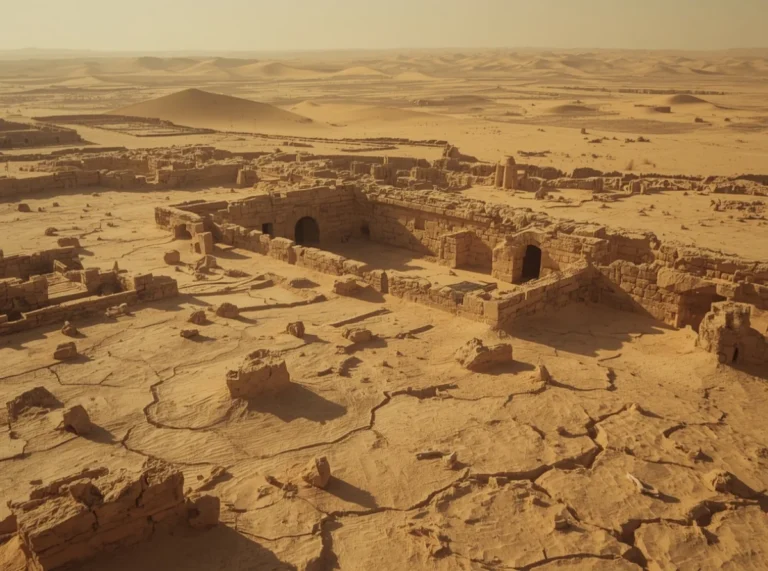
- Desert feel: Suncairn, Dustsphinx Ruin, Amber Dune Seat
These differences matter because they make the world feel lived in. A ruin does not exist in isolation. It belongs to a landscape, and the name should sound like it came from people who knew that landscape well. That is often where the forgotten history starts to feel real rather than decorative.
A good test is to say the name aloud and imagine hearing it from a local guide. If it sounds like something passed down with familiarity, it probably fits. If it sounds like a random fantasy label, it may still be usable, but it will not hold as much history.
Building your own ruin names with forgotten history
If you want to create names in this style, it helps to start with the past first. Ask what the ruin once was. Then decide what part of that past still survives in the name. A royal hall might become a crownhold. A temple could become a relic vault. A city gate may be remembered by the last district name that stood near it.
Useful building blocks include:
- Power words: crown, throne, keep, citadel, hold, bastion
- Relic words: shrine, vault, reliquary, sanctum, chapel, archive
- Decay words: ash, hollow, broken, fallen, wither, dusk
- Old-place words: barrow, cairn, reach, ward, quay, gate, hall
Pairing those words carefully gives you a lot of range. Ashen Reliquary sounds mournful and sacred. Fallen Ward sounds like a district or defense line that failed. Thorngate Hold has a harsher edge, while Vesper Hall feels older and more ceremonial.
Names feel richer when they carry evidence of a forgotten purpose, not just a forgotten age.
It also helps to avoid using the same word family too often across one world. If every location is a “keep,” “citadel,” or “vault,” they start blending together. Mixing in smaller terms like hall, ward, barrow, and hollow makes the map feel more varied and human.
More name ideas with different levels of history and mood
These names lean into forgotten history in different ways. Some feel noble. Some feel eerie. Some sound like old regional names that survived because nobody bothered to replace them.
- Wester Ash Keep
- Thornveil Hall
- Oathmere Ruin
- Brass Hollow
- Riven Star Vault
- Old Varren Gate
- Wintermourn Citadel
- Hearthfall Seat
- Lorestone Remnant
- Moonrift Chapel
- Graysummit Hold
- Embergrove Ruins
- Hollowcrest
- Veycross Archive
- Rookshadow Keep
- Starbarrow
- Southwatch Abbey
- Bellthorn Vault
- Frosthollow Hall
- Mariner’s Last House
- Vault of the Pale Sun
- Old Crown Barrow
- Shattermere
- Green Ash Court
- Dead Lantern Ward
These names can be used as full location names or as parts of a larger map. Rookshadow Keep might be the main site, while Dead Lantern Ward could be one district within an abandoned city. That flexibility is useful when building a layered world with multiple points of interest.
When the history is forgotten, the name becomes one of the last surviving pieces of identity. That is why even a short title can feel loaded. It is not just a label. It is a remnant.
Using ruin names in games, campaigns, and world maps
In an RPG or fantasy campaign, a ruin name should support both mood and function. It needs to sound interesting on the map, but it also has to be easy to remember during play. A good name can do both if it is distinct without being overly complicated.
Some practical choices work better than others depending on the type of content:
- Main quest locations: stronger, more dramatic names like Moonbreaker Keep or Stormsunder Hall
- Side ruins: shorter names like Greybarrow or Vesper Hollow
- Ancient lore sites: sacred or ceremonial names like Broken Covenant Hall or Seventh Seal Ruin
- Regional landmarks: practical names like Old Gateworks or Stormward Beacon
Names with forgotten history also work well when the surrounding world reflects them. Road signs, rumors, old inscriptions, and local taboos can all reinforce the same place name from different angles. That repetition helps the location feel real without overexplaining it.
If a ruin is important, let the name spread through the world in fragments. People may not know the full story, but they know the name. That alone can make the place feel old enough to matter.
And when the map is finally opened to that broken stretch of land, the name should already feel like an old scar in the world. Not new. Not decorative. Something inherited, half-lost, and still waiting to be read.