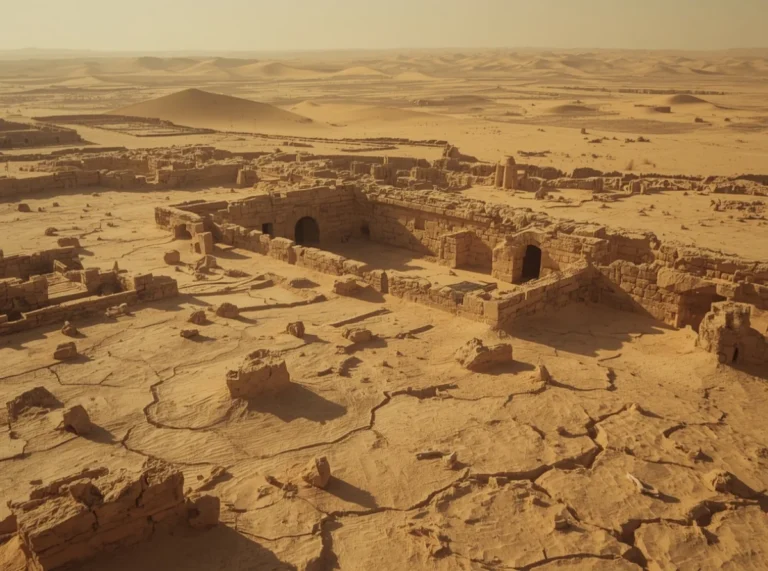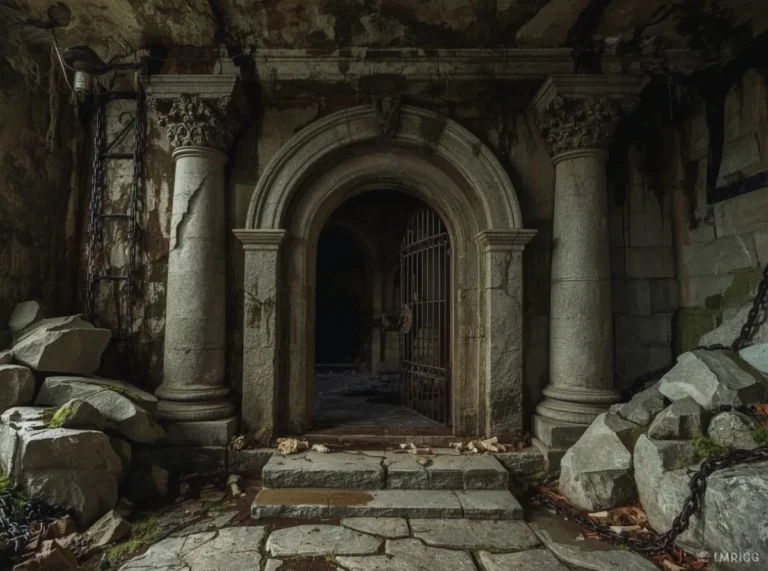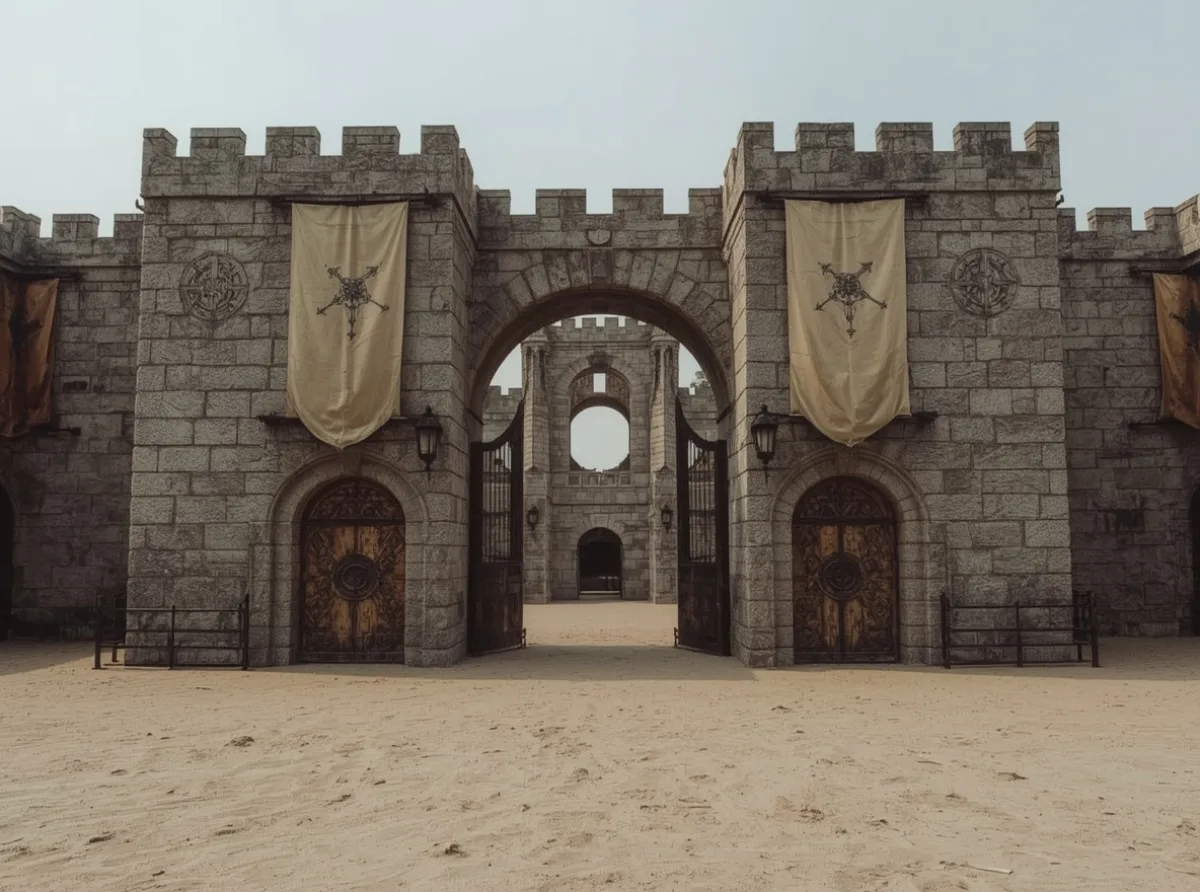
Fantasy arena names do a lot of work before a match even begins. They hint at a warrior’s reputation, the mood of the world, and the kind of danger waiting in the ring. A name with gladiator energy should feel earned, sharp, and a little bit dangerous.
That energy can come from bronze, blood, banners, sand, chains, or old battle rites. It might sound ancient and disciplined, or brutal and loud. Some names feel like they belong to a champion standing under the roar of a crowd. Others feel like they belong to a lone fighter with nothing left to prove.
The best arena names are easy to remember, but they still carry weight. They should sound like they belong in fantasy games, stories, roleplay servers, and combat tournaments. If a name can make you picture an arena gate opening, it is already doing its job.
What Gives a Fantasy Arena Name Gladiator Energy
Gladiator energy usually comes from a mix of force and ritual. It is not only about violence. It is about spectacle, honor, pressure, and the idea that every fight is watched by someone.
Names in this style often use words connected to metal, fire, stone, victory, and punishment. They can sound royal, savage, ancient, or ceremonial. The strongest ones tend to suggest a place where combat is not random, but part of a tradition.
Names feel more believable when they suggest an arena has history, rules, and a culture around fighting.
That is why simple word choices matter so much. A name like Iron Veil sounds controlled and heavy. A name like Ash Pit sounds harsher and more unforgiving. A name like Crowned Blades sounds ceremonial, as if the fighters are performing for something larger than themselves.
Classic Arena Names With a Tournament Feel
These names work well for orderly arenas, imperial coliseums, or fantasy leagues that value tradition. They feel polished, formal, and battle-ready without sounding too ornate.
- Iron Crown Arena
- The Red Forum
- Sunstone Colosseum
- Bannerfall Pit
- The Bronze Ring
- Ashen Stadium
- Victory Hall
- The Chainward Arena
- Stormgate Coliseum
- The Ember Track
- Stoneblood Grounds
- The War Vault
- Crimson Terrace
- The Titan Ring
- Dustborne Arena
- The Imperial Pit
- Gilded Clash
- Broken Spear Court
- The Arena of Oaths
- Lionward Circle
These names feel familiar in a good way. They sound like places that have hosted generations of champions. That makes them useful for fantasy kingdoms, MMO battlegrounds, and fiction where the arena is an important public institution.
The balance here is important. If the name becomes too poetic, it can lose the hard edge. If it becomes too plain, it may not stand out. The names above stay in the middle, where the word choice feels strong but still readable.
Darker Names With Brutal Gladiator Weight
Some arenas are not meant to feel noble. They feel harsh, punishing, and old in a way that suggests many fighters never left them alive. These names work for darker fantasy settings, underground combat pits, cursed stadiums, or ruined empire stories.
- Bloodcage Arena
- Skullsand Pit
- The Black Chain
- Fang Mark Coliseum
- The Ash Wound
- Gravefire Ring
- The Broken Arena
- Rustbone Court
- Hollow Blade Pit
- Widowstone Grounds
- The Severed Forum
- Goreveil Stadium
- Ruinclasp Arena
- The Iron Scar
- Shattercrest Pit
- Blood Oath Coliseum
- The Cinder Cage
- Thorn Ash Grounds
- The Drowned Ring
- Darkhelm Arena
These names lean into damage, decay, and pressure. They are useful when the arena is supposed to feel unforgiving rather than ceremonial. Even the cleaner ones still carry a threat in the background.
Words like grave, skull, blood, ash, and ruin create immediate tension. Used carefully, they make the arena feel like part of a harsher world without needing a lot of explanation. That is one reason they work so well in fantasy combat settings.
Names That Sound Ancient and Mythic
Some arenas should feel older than the kingdom around them. Maybe they were built by forgotten rulers, giants, or warrior-priests. In that case, the name should feel ceremonial and a little mysterious.
- Hall of Spears
- The First Ring
- Temple of Iron Dust
- Oathfire Arena
- The Ancient Verge
- Coliseum of Echoes
- Stone Rite Grounds
- The Sunless Amphitheater
- Cradle of Valor
- Forge of Champions
- The Old Banner Pit
- Arena of the Nine Flames
- Vault of Echoing Blades
- The Silent Tribune
- Grandscale Arena
- The Crowned Sand
- Hall of the Bound King
- Mythclasp Coliseum
- The Eternal Pit
- Rite of the Red Sun
These names often feel richer when they are tied to worldbuilding. A player or reader can imagine old laws, ritual combat, and ceremonial masks. They do not need to be explained fully to feel powerful.
Ancient-sounding arena names work best when they imply tradition, not just age.
That difference matters. “Old” is not the same as “mythic.” A name like Hall of Spears feels mythic because it sounds like a place with purpose. A name like Dusty Arena would not carry the same weight, even if it is technically descriptive.
Royal and Imperial Arena Names
When the arena belongs to a throne, a noble house, or an empire, the name should sound controlled and grand. These names suggest state power, public spectacle, and fights that serve politics as much as entertainment.
- The Crown Arena
- Imperial Bloodline Hall
- Royal Ember Court
- The Golden Ring
- Throneforge Coliseum
- The Lion Standard Arena
- Obsidian Palace Pit
- High Banner Forum
- The Regent’s Circle
- Majestic Clash Grounds
- House Flame Stadium
- The Warlord’s Court
- Citadel of Triumph
- The Sovereign Pit
- Grand Marshal Arena
- Emperor’s Ash Ring
- The Velvet Spear
- Crownsteel Colosseum
- Hall of Noble Steel
- The Bannered Throne
These names work well when the arena is part of the city’s identity. They feel official. They also suggest that combat is public, structured, and tied to status. That makes them especially useful in stories with political tension.
Royal names often sound cleaner than brutal names, but they can still have sharp edges. A title like Crownsteel Colosseum blends wealth and hardness. That combination gives the name a gladiator feel without making it sound dirty or chaotic.
Names for Wild, Tribal, or Nomadic Arenas
Not every arena is polished. Some are built in desert camps, mountain forts, or tribal grounds where the combat tradition is older than the city itself. These names tend to feel raw, territorial, and rooted in survival.
- Sandfang Arena
- The Drum Pit
- Wolfbone Grounds
- Red Dune Ring
- Beastmark Coliseum
- Thunder Scar Arena
- Stonehide Court
- The Ember Clan Pit
- Hawkfire Grounds
- Iron Step Arena
- The Nomad Ring
- Ridgeblood Forum
- Flintjaw Pit
- The Totem Circle
- Wasteland Clash
- Horncrest Arena
- Dust Talon Grounds
- The Bone Drum Ring
- Ravensand Coliseum
- Stormdust Pit
These names feel less ceremonial and more instinctive. They often sound like the arena grew out of the culture instead of being imposed on it. That can make them feel very alive.
If a world has clans, desert tribes, or border warbands, this style fits naturally. It also works when the arena is less of a public monument and more of a fighting ground used by one community. The naming feels practical, but it still has identity.
How Tone Changes the Name
Arena names can look similar on the surface and still feel very different. One word can shift the mood from noble to vicious. That is why tone matters more than length.
| Tone | What it suggests | Example words |
|---|---|---|
| Formal | Tradition, rules, public ceremony | hall, forum, colosseum, court |
| Brutal | Pain, danger, survival | pit, blood, skull, scar |
| Mythic | Legend, history, ritual | oath, echo, ancient, eternal |
| Royal | Power, wealth, authority | crown, throne, sovereign, imperial |
| Wild | Clan identity, raw combat, frontier life | bone, fang, dust, talon |
The same base concept can feel very different depending on the words around it. A Ring of Triumph sounds clean and celebratory. A Ring of Ruin sounds much harsher. Neither is better, but they belong to different kinds of worlds.
Choose the tone first, then build the name around it. That keeps the result focused instead of random.
Short Arena Names With a Sharp Edge
Short names can hit harder than long ones when they are chosen carefully. They are especially useful for game maps, guild battlegrounds, and spaces where the name needs to be easy to remember quickly.
- Bladewall
- Ashring
- Ironmire
- Bloodhold
- Riftpit
- Cinderhall
- Skullgate
- Fangcourt
- Stonevault
- Rageforge
- Thornring
- Graveloom
- Warcinder
- Sunscar
- Redvault
- Chainfall
- Grimstone
- Steelthorn
- Oathpit
- Blackring
Short names often feel more modern, but they can still carry fantasy weight. The trick is to avoid sounding like random fragments. A strong word plus a strong ending usually works better than trying to force complexity.
These names are also flexible. They can describe a literal arena, a PvP zone, or even a faction-owned combat venue. That makes them practical in games where space names need to be concise.
Longer Names That Feel Like Legend Titles
Longer names are useful when the arena is important enough to deserve full ceremony. They sound like something carved into stone or announced before a championship duel.
- The Arena Beneath the Crimson Standard
- Colosseum of the Broken Lion
- Hall of the Iron Oath
- The Red Sun Amphitheater
- Circle of the Last Champion
- Forum of Ash and Banner
- The Pit of Crowned Blades
- Temple Arena of the Burning Pact
- The Stone Court of Twelve Spears
- Amphitheater of the Silent Victor
- The Blood-Tide Colosseum
- Ring of the Warlord’s Promise
- Hall of Echoing Helmets
- The Ember Crown Arena
- Coliseum of the Final Oath
- The Sand Kingdom Pit
- Vault Arena of the Ninth Bell
- The Banner of Iron and Flame
- Circle of the Red Tribunal
- Amphitheater of Fallen Kings
These names feel ceremonial because they take their time. They are especially effective in fantasy novels, lore-heavy games, or roleplay settings where the arena is part of a larger tradition. A longer name can make the place feel sacred, public, or feared.
The challenge is keeping the name readable. If it gets too crowded, the impact fades. The best long names still have a central image that stands out at once.
Useful Naming Patterns for Gladiator-Style Fantasy Arenas
When building names in this style, a few patterns show up again and again. They are simple, but they work because they mirror how people naturally remember strong places.
- Material + combat word: Iron Pit, Bronze Ring, Stone Court
- Symbol + arena word: Crown Coliseum, Lion Forum, Banner Hall
- Destructive image + arena word: Ash Pit, Blood Ring, Ruin Court
- Ritual or honor word + arena word: Oath Arena, Rite Pit, Triumph Hall
- Mythic modifier + combat word: Eternal Ring, Ancient Pit, Echo Arena
These combinations feel natural because they are easy to process. They also leave room for variation. You can make a name harsher, older, or more regal by changing just one word.
If you want the arena to feel especially grounded, use nouns that connect to architecture or ceremony. If you want it to feel dangerous, lean into damage or decay. If you want grandeur, choose titles that suggest rank and order.
Subtle Names Versus Dramatic Names
Some fantasy settings need names that whisper. Others need names that hit like a war drum. Both can work well if they match the world.
Subtle names include things like Stone Ring, Ember Hall, or Oath Court. They sound believable and clean. Dramatic names like Bloodcrown Arena, Coliseum of the Fallen Sun, or The Iron Scar sound bigger and more theatrical.
Subtle names often feel more immersive in grounded worlds. Dramatic names fit legends, imperial stories, and high fantasy spectacle.
There is also a middle ground that many creators overlook. Names like Crimson Forum, Forge Ring, or Bannerfall Pit have strong atmosphere without sounding oversized. That middle zone is often the easiest to use across different settings.
Choosing a Name That Fits the Arena Itself
The right fantasy arena name depends on what the place is supposed to feel like in the world. A public imperial colosseum should not sound like a hidden blood pit. A tribal combat ground should not sound like a royal court.
Think about who built it, who uses it, and what the crowd expects when they enter. If the arena is meant to honor champions, the name should have dignity. If it is meant to grind fighters down, the name should feel heavier and less forgiving.
That is where gladiator energy becomes useful. It gives the name pressure. It gives the place a history of conflict. And when the words are chosen with care, the arena starts to feel real before anyone steps inside it.
- For honor: Crown, Oath, Triumph, Banner
- For brutality: Blood, Skull, Scar, Pit
- For ancient settings: Echo, Eternal, Rite, Temple
- For royal settings: Throne, Imperial, Sovereign, Golden
- For wild settings: Fang, Dust, Bone, Talon
These word families can be mixed in many ways. That flexibility makes them valuable for worldbuilding. A single good name can shape how the entire arena is imagined.
Fantasy arena names with gladiator energy work best when they sound like they belong to a living tradition. Not every one needs to be loud. Some should feel formal. Some should feel cruel. Some should sound like relics from a forgotten empire.
The strongest names usually carry one clear image and one clear mood. That balance makes them easy to remember and hard to mistake for anything else. In a good fantasy world, the arena name should already feel like part of the story before the first fight begins.