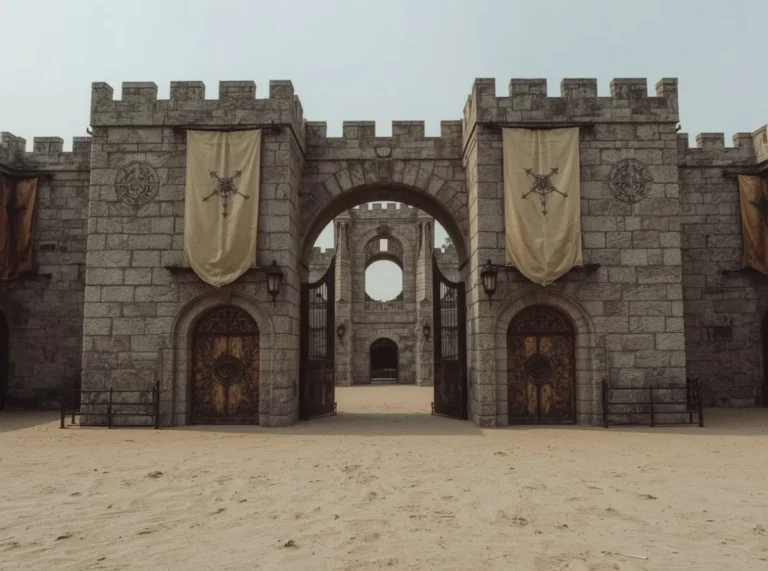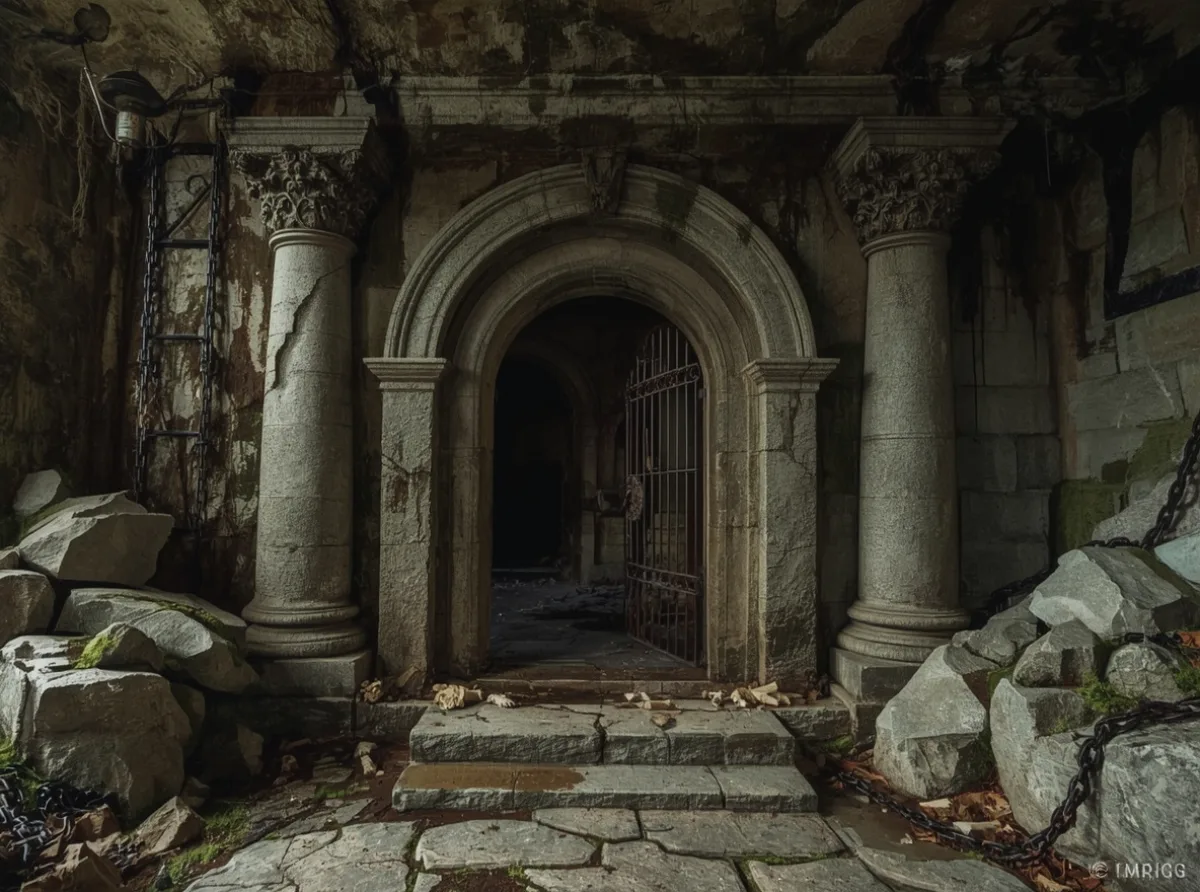
Dark fantasy names work best when they feel like they belong to a world with old ruins, hidden curses, and weathered kingdoms that never quite escaped the past. The strongest ones often sound ancient without being hard to pronounce, and they usually carry a quiet sense of danger. A good name can make a dungeon feel deeper, a corridor feel colder, and a sealed door feel like it should stay closed.
When people search for fantasy dungeon names with a dark atmosphere, they usually want more than a random collection of words. They want something that sounds believable inside a ruined fortress, a cursed catacomb, a forgotten temple, or a hollow beneath the earth. The name should suggest history. It should also hint at what waits inside, even if the details stay hidden.
Dark atmosphere does not always mean the same thing. Some names feel bleak and ancient. Others feel royal, corrupted, or magical in a way that never became safe. The right choice depends on whether the dungeon is meant to sound oppressive, mysterious, sacred, or hostile. That difference matters more than most people expect.
What Makes a Dark Fantasy Dungeon Name Work
A dungeon name feels immersive when it suggests both place and mood. It should not sound like a label that was copied from a map editor. It should feel like something people in the world would say with caution, respect, or fear.
Several things tend to make these names memorable:
- Ancient or ceremonial language
- Heavy consonants mixed with softer sounds
- References to stone, blood, ash, veils, or rot
- A sense of age, decay, or sealed history
- Hints of power that went wrong
Simple names can work too, especially when the dungeon itself is meant to feel stark and ominous. A name does not need to be complicated to be effective. In many cases, a shorter name leaves more room for the setting to do the rest.
Dark dungeon names feel strongest when they suggest a story without explaining it outright.
That is why the best names often leave a small gap in meaning. You do not need every detail. You just need enough to make the place feel real.
Common Atmospheres Behind Dark Fantasy Dungeon Names
Not every dark dungeon should feel the same. A sunken tomb, a cursed mine, and a heretic’s stronghold all point toward different emotions. Naming them well means deciding what kind of darkness you want.
Ancient and Buried
These names often fit tombs, collapsed temples, and forgotten vaults. They usually sound old, formal, and sealed away from the living world.
Corrupted and Twisted
These names work for places where magic, religion, or ruling power went wrong. They often include words that imply decay, blight, bone, ash, or shadow.
Royal and Fallen
These names suit ruined castles, bloodline dungeons, and abandoned keeps. They often feel noble on the surface, but with a fracture underneath.
Forbidden and Arcane
These names are useful for dungeons built around rituals, secret studies, and dangerous magic. They usually sound controlled, precise, and unsettling at the same time.
Names That Feel Ancient and Buried
These names work well for underground catacombs, sealed crypts, and long-lost ruins. They lean toward age, silence, and burial. The goal is to make the dungeon sound like it has been closed for centuries, maybe longer.
- Grave Hollow
- Blackwake Vault
- Ironcrypt Depths
- Dustveil Catacombs
- Oldroot Tomb
- Umber Chapel
- Silent Barrow
- Stoneveil Ossuary
- Thorngrave Hall
- Buried Crown Vault
- Wyrdstone Sepulcher
- Mourncliff Crypt
- Ashen Burial Way
- Hollow Requiem
- Veil of Ancestors
- Nightstone Tomb
- Sable Reliquary
- Riven Barrow
- Forgotten Hollow
- Grimdelve Sepulcher
These names tend to work because they feel grounded. They use familiar words, but the combinations suggest age and abandonment. “Hollow,” “crypt,” “vault,” and “barrow” all carry a strong dungeon feel without needing extra decoration.
If the place is meant to feel especially old, add a word that suggests burial or stillness. If it is meant to feel more sacred, words like “chapel,” “reliquary,” or “sepulcher” can make it sound preserved rather than merely abandoned.
Names That Feel Corrupted and Twisted
These names suit dungeons that were once clean, noble, or holy, but now feel stained by something wrong. They often sound harsher, with sharper edges and more uncomfortable imagery. This is a good category for blighted fortresses, cursed laboratories, and undercities built on broken magic.
- Blightfall Vault
- Ruinspire Depths
- Gloomroot Bastion
- Rotspire Prison
- Festerveil Crypt
- Bloodmire Hold
- Shatterthorn Keep
- Corvane Hollow
- Vilebound Catacombs
- Gravesalt Passage
- Nightrot Chambers
- Scourgefen Reliquary
- Ashwound Delve
- Brimveil Ruins
- Mirecrown Dungeon
- Witchbone Vault
- Darkened Thorne
- Hexbarrow Depths
- Witherking Hall
- Sorrowspike Keep
What makes these names effective is the tension between structure and decay. Words like “vault,” “keep,” and “hall” imply order. Words like “blight,” “rot,” and “fester” destroy that order. The contrast creates the dark atmosphere very quickly.
Pair a stable-sounding structure word with a decaying or cursed word to create instant mood.
That pattern is especially useful if you want a name that feels like it came from a fantasy map. It looks official, but the meaning is deeply wrong.
Names That Feel Royal and Fallen
Royal dungeon names work well when a place once belonged to kings, queens, dynasties, or noble houses. They usually feel more ceremonial and less raw than corrupted names. The darkness comes from collapse, betrayal, or buried lineage rather than pure monstrosity.
- Crownfall Keep
- Velorath Vault
- Ironveil Palace
- Duskmantle Court
- Kingless Hall
- Ravencrest Stronghold
- Obsidian Throne Depths
- Marrowgate Bastion
- Embercrown Catacombs
- Black Regent’s Chamber
- Nightborne Citadel
- Fallen Crest Dungeon
- Thorned Palace Ruin
- Sable Monarch Vault
- Gravehelm Keep
- Vantaire Hall
- Shadowcrown Crypt
- Bloodline Sepulcher
- Direcourt Ruins
- Moonless Throne Hall
These names are useful when the dungeon has a political history. Maybe a royal family sealed something inside. Maybe the throne room collapsed into catacombs. Maybe the ruling house became part of the curse.
Names in this group often sound strongest when they keep one noble element intact. “Crown,” “court,” “palace,” and “throne” carry power. The darker term around them changes the meaning. That contrast creates a strong fantasy identity.
Names That Feel Forbidden and Arcane
For dungeons centered on magic, rituals, or secret knowledge, a more arcane tone often works better than a purely gothic one. These names can feel scholarly, ritualistic, and unsettling all at once. They are especially useful for wizard vaults, spell prisons, sealed observatories, and ritual chambers.
- Runebreak Sanctum
- Hexward Archive
- Voidscript Vault
- Obsidian Sigil Hall
- Arcane Dreadwell
- Spellvein Catacombs
- Moonhex Chamber
- Ritual of the Black Seal
- Grimlore Depths
- Ebon Glyph Library
- Witchlight Undercrypt
- Veiled Conjury
- Forbidden Ember Vault
- Nullstone Annex
- Oathash Chamber
- Shadowscript Reliquary
- Magister’s Black Quarters
- Vesper Hexhold
- Bloodsigil Vault
- Silent Occult Hall
These names often feel more specific than broad gothic ones. Instead of just sounding haunted, they imply purpose. A “sanctum” or “archive” suggests someone built the place to hold knowledge. A “sigil” or “glyph” suggests the dungeon itself may be protected by symbols or traps.
If you want the dungeon to feel like a place where magic was handled carefully before it became dangerous, this style works well. It can also hint at hidden rules. That makes it feel more alive in a tabletop campaign or RPG setting.
Short Names With Strong Atmosphere
Sometimes a compact name lands better than a longer one. Short names are easy to remember, easy to say, and often stronger when used in dialogue. They can sound like the kind of place people mention in low voices.
- Blackspire
- Gravetide
- Ironwraith
- Duskhall
- Mournveil
- Ravenshade
- Bloodfen
- Nightbarrow
- Ashgate
- Wyrmcrypt
- Sablehold
- Voidmere
- Frostbone
- Thorncrypt
- Shadevault
- Ruinmere
- Gloamreach
- Bonefall
- Vesperdeep
- Stormgrave
Short names often feel more natural in game chat, quest logs, and world maps. They also leave more room for the setting to add detail. If the dungeon is already visually rich, a brief name can be enough.
A short name works best when it has one strong image. “Bonefall” is immediate. “Mournveil” feels soft but grim. “Blackspire” gives height, danger, and a clear silhouette all at once.
Longer Names That Sound Historical
Longer names can create a different kind of mood. They often sound official, ancient, or tied to a specific order, house, or event. These names are especially useful for lore-heavy worlds where the dungeon has a recorded past.
- The Vault Beneath Hollow Crown
- Catacombs of the Shattered Oath
- Sanctum of the Withered King
- Passage of the Black Lantern
- Depths of the Ashen Reliquary
- Hall of the Sleepless Dead
- Chamber of the Veiled Serpent
- Keep of the Broken Banner
- Crypt of the Last Ember
- Undercroft of the Drowned Saints
- The Silent Steps of Mourning
- Vaults of the Iron Widow
- Temple of the Severed Star
- Barrow of the Hollow Regent
- Archive of the Red Eclipse
- Labyrinth of the Unnamed Bell
- Ruin of the Black Standard
- Chapel of the Deep Ash
- Citadel of the Pale Wound
- The Lower Halls of Oath and Bone
These names carry more weight because they sound like they were preserved from old records. They are less casual and more ceremonial. That makes them useful when the dungeon is tied to a major event, a vanished faith, or a dynastic collapse.
Long names often feel more believable when they sound like a title rather than a fantasy flourish.
That means they should point to a specific place, object, or history. “Crypt of the Last Ember” feels concrete. It suggests a story without overexplaining it.
How to Build Your Own Dark Dungeon Name
If you want something custom, it helps to start with the dungeon’s main identity. Is it a tomb, a prison, a fortress, a temple, or a magical ruin? Once that is clear, the name becomes much easier to shape.
Use a Structure Word
Begin with a word that tells people what kind of place it is.
- Vault
- Crypt
- Keep
- Hall
- Barrow
- Sanctum
- Catacombs
- Reliquary
- Chamber
- Depths
Add a Mood Word
Then attach a word that gives the name its atmosphere.
- Black
- Silent
- Fallen
- Grave
- Ashen
- Shattered
- Veiled
- Forsaken
- Bloodied
- Nightbound
Or Use a Lore Word
If the dungeon has a story, tie the name to it directly.
- Crown
- Oath
- Sigil
- Lantern
- Thorn
- Ember
- Widow
- Serpent
- Regent
- Banner
Mixing one word from each group often creates a solid fantasy name. “Veiled Sanctum,” “Black Oath Vault,” and “Ashen Crown Keep” all follow this pattern. The result feels simple, but not plain.
Naming Patterns That Stay Believable
Believable fantasy names usually avoid trying too hard. They often sound like they belong to the same language family as the rest of the world. That does not mean every name has to be realistic in a historical sense. It just needs internal logic.
There are a few useful patterns to keep in mind:
- Two-part names: Blackspire, Mournveil, Gravehold
- Title plus noun: The Silent Crypt, The Broken Keep
- Noun plus noun: Bloodgate, Thornvault, Ashcrown
- Possessive or historical names: The Regent’s Hall, The King’s Barrow
Names that follow one clear pattern tend to feel more coherent across a world. That matters if you are naming multiple locations. A dungeon named “Mournveil” will feel different from one named “The Vault of Ash and Oath,” but both can still fit the same setting if the naming logic stays consistent.
When to Choose Subtle, Heavy, or Legendary Tones
Different games and stories call for different levels of intensity. A subtle name can make a place feel mysterious. A heavier name can make it feel dangerous. A legendary name can make it sound important before the player even enters.
| Tone | Best For | Example Style |
|---|---|---|
| Subtle | Hidden ruins, quiet tombs, low-key horror | Dustveil, Mournhall, Ashgate |
| Heavy | Blighted fortresses, cursed halls, dark campaigns | Bloodmire Vault, Rotspire Keep |
| Legendary | Major boss areas, ancient powers, final dungeons | Sanctum of the Withered King, Citadel of the Pale Wound |
Subtle names often last longer in memory because they do not overload the scene. Heavy names create pressure. Legendary names raise expectations quickly. The best choice depends on how the dungeon is introduced in the story.
Final Name Ideas With a Sharper Edge
Some names sit between categories, and that can be useful. They are dark, but not overly ornate. They sound like they could belong to a ruined kingdom, a haunted mine, or a sealed monster lair without locking you into one exact history.
- Ravencrypt
- Ironmourn
- Gloamvault
- Blackrelic
- Shadebarrow
- Dreadhold
- Nightcairn
- Grimveil
- Vowdeep
- Ashwarren
- Wraithgate
- Bonecourt
- Hushspire
- Thornmere
- Mirecairn
- Voidhold
- Scarcrypt
- Fellward
- Ossuary Gate
- Moongrave
These names are useful when you want atmosphere without making the dungeon sound too specific too early. They have a strong tone, but they still leave room for interpretation. That flexibility helps when the same place needs to support lore, combat, and exploration all at once.
Dark fantasy dungeon names become memorable when they feel like they have survived something. That could be age, magic, betrayal, burial, or all of the above. The most effective names do not simply sound grim. They sound like a place with a past that never stopped mattering.