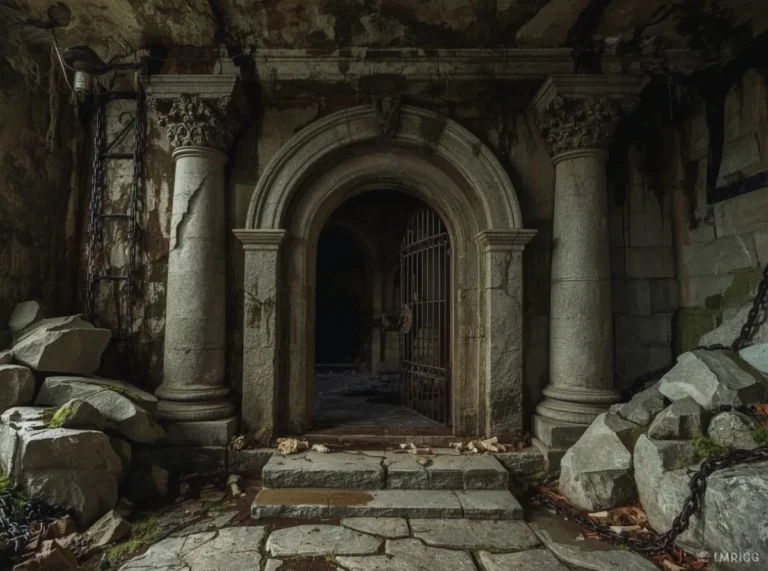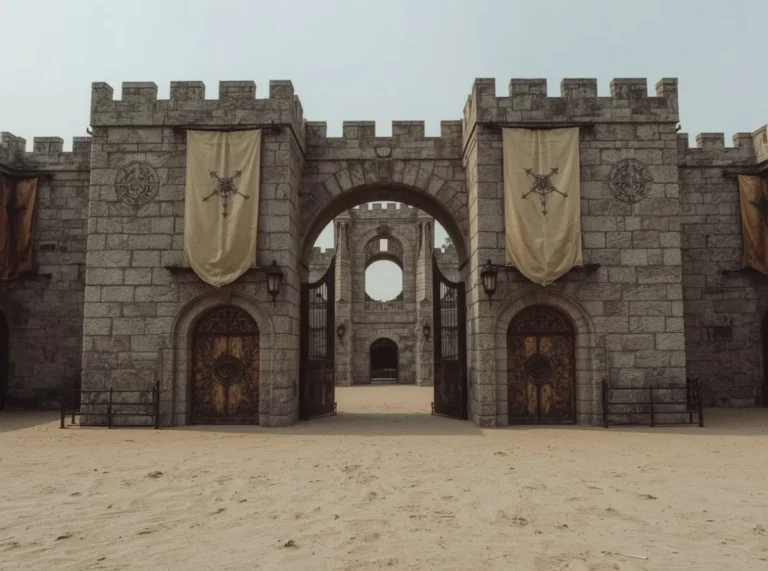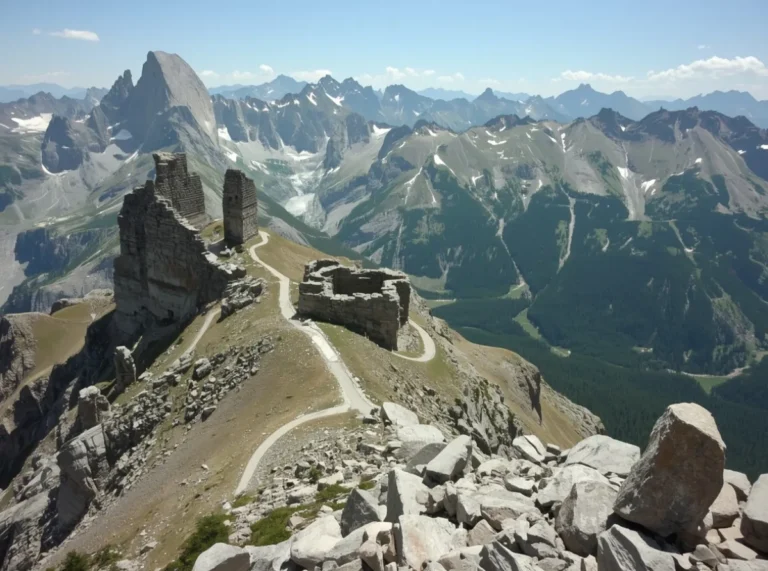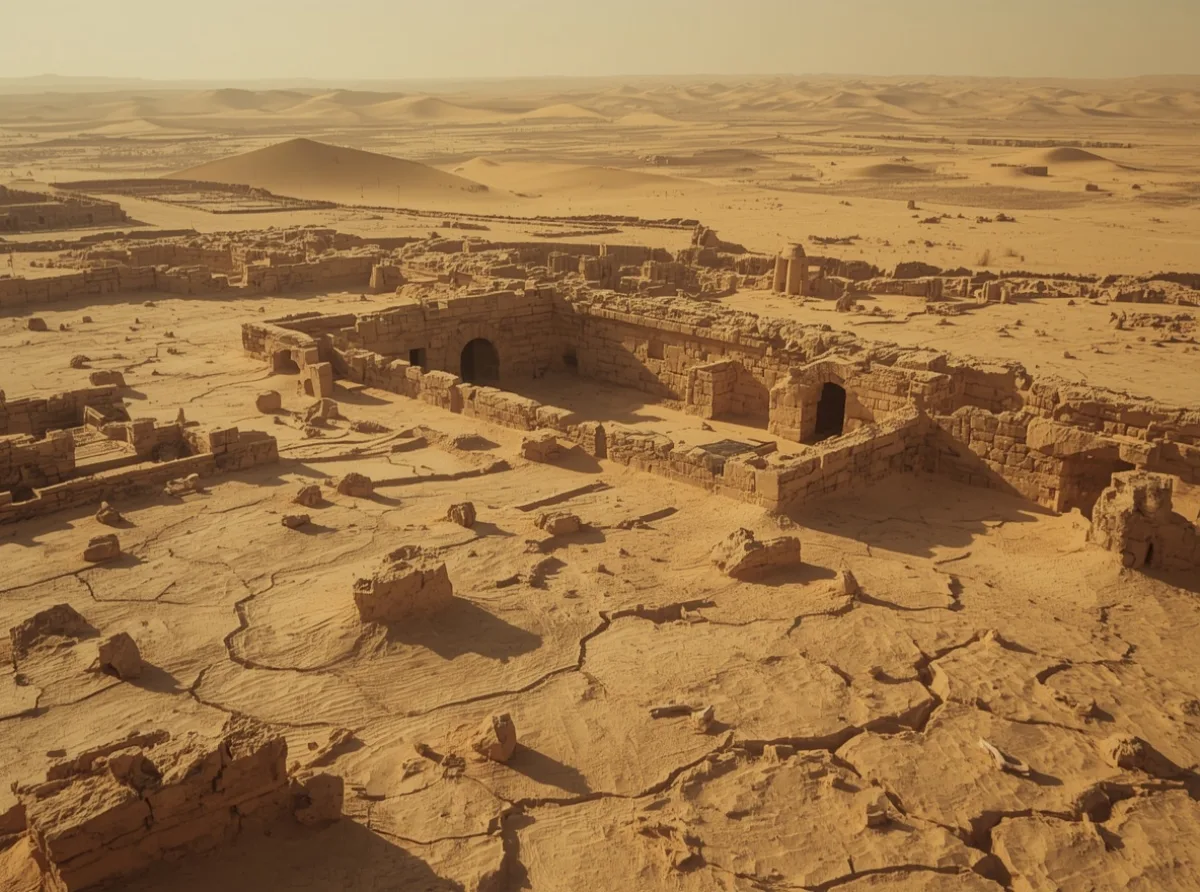
Desert names carry a different weight than names from forests, kingdoms, or mountain holds. They often sound stripped down, dry, and worn by time. A good desert fantasy name should feel like it has survived heat, hunger, distance, and silence.
That harsh survival feel comes from more than just sand or sun imagery. It comes from the sense that every place, clan, or character name had to earn its place in a landscape that gives little and takes quickly. The best ones feel useful, hard-edged, and old enough to have been spoken under pressure.
In fantasy games and worldbuilding, desert names work best when they hint at struggle without becoming too ornate. A name can be short and sharp, or long and ceremonial, but it should still feel grounded in a place where water matters more than gold. That is where the atmosphere starts to click.
What Makes a Desert Fantasy Name Feel Harsh and Memorable
Names with a survival feel usually rely on texture. They include hard consonants, clipped syllables, and sounds that suggest rock, wind, bone, or dust. They rarely feel soft unless the softness is meant to contrast with a dangerous setting.
A strong desert name also often feels practical. It may sound like it belongs to a tribe, a caravan, a ruin, or a lone wanderer. The name should make you imagine a place where people do not waste words.
Harsh desert names usually work because they sound weathered, functional, and old enough to belong to a landscape that does not forgive mistakes.
These names can still be beautiful, but the beauty should be severe. Think of something cut by heat, polished by sand, and stripped of excess. That kind of clarity makes a name memorable in a fantasy setting.
Common sound patterns that fit the theme
- Short, blunt endings like -ak, -ar, -esh, -un, or -oth
- Dry consonant clusters such as kr, zt, kh, sh, and dr
- Names that lean on one or two strong stresses
- Titles or clan markers that suggest scarcity, exile, or endurance
- Old-sounding vowels that feel deep rather than bright
Where Harsh Desert Names Work Best in Fantasy Worlds
These names fit many different uses. They can belong to nomad warriors, dune cities, ancient kings, scavengers, sand priests, smugglers, or creatures of the wasteland. The setting changes the same name into something different.
For roleplay, a desert name often needs to feel easy to speak but rich enough to imply culture. In a game, that matters because players need names that are both memorable and believable during quick conversation. If the name sounds too polished, it can lose the survival tone.
In stories, a harsh desert name can signal background before a character even speaks. A sharp, dry name can imply a harsh upbringing, a lawless borderland, or a tradition shaped by scarcity. That effect is subtle, but it is powerful.
Desert names work especially well when they carry a sense of distance: distant roads, distant wells, distant empires, and long memory.
Name Ideas With a Brutal, Survival-Born Feel
These names feel worn by heat and hard travel. They suit warriors, raiders, scouts, outcasts, and hardened travelers.
Brutal desert names
- Kharzak
- Veshar
- Ormuk
- Thazir
- Zarun
- Kedrak
- Hassar
- Dunrek
- Malzor
- Rhakim
- Jorath
- Serakh
- Vorzan
- Nadrek
- Ulzhar
- Karvun
- Ezran
- Shadrek
- Torzan
- Varok
These names sound like they belong to people who have learned to keep moving. They are not delicate, and that is the point. The consonants do the heavy lifting.
Survival-minded names for scouts, raiders, and wanderers
- Rasil
- Thorenk
- Zalim
- Korvek
- Amrith
- Dazhur
- Velkar
- Shurad
- Ozak
- Mirzan
- Havor
- Jarek
- Sunrek
- Khalim
- Urzeth
- Tarvek
- Qasir
- Branik
- Vezar
- Rudesh
These names feel more mobile. They work well for people who live on roads, between wells, or along dangerous trade routes. They have enough edge to feel harsh without becoming too heavy.
Ancient and Ruined Desert Names
Ancient desert names often sound more ceremonial. They should still feel dry and severe, but with an older, more formal rhythm. These names fit lost empires, buried temples, tomb guardians, and forgotten dynasties.
The best ancient desert names sound like they were carved into stone rather than written in ink. They may include longer vowel patterns, repeated syllables, or endings that make them feel archaic. Even then, they should stay lean.
Ancient ruin names
- Azhuran
- Merathen
- Qalzor
- Iskharim
- Talzareth
- Omaris
- Vezharel
- Karshad
- Soltarem
- Urkhaz
- Nyzarim
- Dhorakel
- Azmiron
- Kezhuran
- Thalzorin
- Rashamir
- Belqasim
- Orzhan
- Samzareth
- Helqor
These names sound like they belong to dead courts, broken shrines, and rulers whose lineage was swallowed by dust. They are useful when you want a sense of history pressing down on the present.
Names for tombs, relics, and lost cities
- Qadarim
- Velshara
- Tarqesh
- Ozareth
- Mirqon
- Halzun
- Serakhel
- Dunshara
- Kemorath
- Zharim
- Ulqara
- Rashel
- Torqim
- Vasharim
- Qelzar
- Hadrion
- Merkesh
- Orashel
- Thurzim
- Azqel
These feel like names that should be found on cracked tablets or carved above sealed doors. They hold enough structure to feel ancient, but the dryness keeps them tied to the desert.
Names That Fit Nomads, Caravan Houses, and Tribe Culture
Nomadic desert naming often feels lighter and more flexible than royal or ancient naming. These names still need grit, but they should also suggest movement, family, and oral tradition. In many fantasy settings, that means names with a practical shape and a clear spoken rhythm.
Caravan names can include references to stars, wells, salt, wind, or routes. They may also use house names, clan names, or honor markers that make the culture feel alive. A name should sound like it could be passed along campfire lines and remembered without effort.
Nomad names often feel strongest when they suggest travel first and status second.
Nomad and caravan names
- Rashil of the Third Well
- Talim Dunewalker
- Koram Saltpath
- Vezri Windstep
- Halim Suntrack
- Qazir of Red Canvas
- Sheran Longshadow
- Mirak Dustveil
- Tarun Starbound
- Azril of Broken Waters
- Jahim Thornroad
- Selkar Drymarch
- Ozar Reedless
- Rukhan Embertrail
- Nadir of the Quiet Tent
- Shakar Wastesong
- Belim Sandwake
- Qorin Mirageborn
- Vardesh Suncaravan
- Harim of the Far Dune
These names are especially useful when you want to hint at culture and movement together. They do not feel static. They feel like they are always on the edge of another horizon.
Tribal and clan-style names
- Clan of the Black Cistern
- House Ash-Root
- Thorn Dune Kin
- Salt Veil Tribe
- Red Basin Line
- Warden Circle of Harsh Noon
- Ember Nomads
- Dust Horn Clan
- Scorched Moon House
- Five Wells Caravan
- Stone Reed Kin
- Long Sand Brotherhood
- Sun Scar Tribe
- Broken Shade House
- Dry Oasis Line
- Rift Walker Clan
- Mirror Dune Kin
- White Salt House
- Iron Palm Tribe
- Last Banner Caravan
These work well as faction names, family names, or group identities. They feel practical and rooted in environment, which is exactly what makes them believable in a harsh setting.
Mysterious Desert Names With a Dangerous Edge
Not every desert name needs to sound blunt. Some of the best ones feel quiet and strange, like they belong to hidden sanctuaries, secret wells, or forbidden paths. The danger here comes from mystery rather than force.
These names often use softer beginnings with sharp endings, or vice versa. That contrast can create a sense of something hidden beneath calm surfaces. It is useful for mystics, assassins, desert spirits, and guarded cities.
Mysterious and dangerous names
- Azhira
- Selqen
- Marazul
- Yashek
- Korhene
- Vashira
- Qelith
- Tarzune
- Osharim
- Velhira
- Ruzaneth
- Shalorin
- Ezqira
- Malhune
- Dazhiel
- Orsaven
- Jazhira
- Khareth
- Sorqel
- Amzarin
These names feel like they hide a second meaning. They are not as aggressive as the brutal list, but they still belong to a place where caution matters. They are good for characters who survive by reading the land and keeping their secrets.
Names for desert magic, spirits, and hidden places
- Mirage Gate
- Ashen Well
- Hollow Dune
- Wraith Basin
- Sunken Shrine
- Quiet Ember
- Veiled Oasis
- Broken Star Spring
- Dust Oracle
- Salt Veil Ruin
- Black Mirage
- Thornwater Hollow
- Red Silence Pass
- Old Wind Temple
- Glass Sand Hollow
- Nomad Shadow
- Bleached Gate
- Fallen Cistern
- Dry Moon Vault
- Scarred Horizon
These names work well for locations more than people, though several can be adapted into titles. They create a quiet but tense mood, which fits desert fantasy well. The landscape feels watchful.
Dramatic Names for Leaders, Warlords, and Desert Legends
Some desert settings need names with more authority. These are the names of rulers, war captains, exiled kings, and legendary survivors whose reputations travel farther than they do. The harsh survival feel remains, but now it is mixed with power.
These names often have heavier syllables and more formal structure. They may sound like they belong on banners, inscriptions, or oath stones. The goal is to make them feel larger than a single life.
Powerful desert leader names
- Khaldrin
- Varekh
- Samorath
- Azkarim
- Torqadan
- Rhazim
- Uldarek
- Shamrith
- Korzhal
- Belzar
- Hadrun
- Qoramir
- Veshkar
- Thalqor
- Odrakim
- Zamreth
- Rukamir
- Jazorin
- Morqesh
- Drashan
These names carry authority without feeling polished. That balance matters. A desert leader should sound like someone who commands respect because the land itself has tested them.
Legendary titles and name forms
- Khaldrin of the Last Water
- Veshkar the Red Dune
- Samorath of Broken Spears
- Azkarim Sun-Severed
- Qoramir the Ash Crowned
- Hadrun the Unwatered
- Belzar of the Silent March
- Torqadan Sand-Bound
- Rhazim the Dry Blade
- Uldarek of the Hollow Fort
- Shamrith the Wind Oath
- Korzhal of the Black Basin
- Drashan the Last Caravan
- Morqesh the Shade King
- Odrakim Salt-Scarred
- Rukamir of the Far Ridge
- Jazorin the Desert Marked
- Thalqor Iron Mirage
- Zamreth of the Burned Path
- Varekh Dust-Crowned
Titles like these can quickly make a name feel legendary. They work well when you want to build reputation, myth, and hard-earned survival into a single line.
How to Shape a Desert Name So It Feels Believable
The easiest way to make a desert name believable is to connect it to the world’s needs. If water is scarce, names may reference wells, cisterns, springs, and rain. If survival is violent, names may lean on scars, blades, bones, and heat.
It also helps to think about social use. A child’s everyday name may be shorter, while a formal adult name may include a house, a title, or a route marker. A place name may be colder and more descriptive than a personal name.
Believable desert names usually carry a reason for existing in the culture, not just a sound that seems exotic.
Useful naming ingredients
- Natural elements: sand, salt, sun, wind, ash, dust, mirage
- Survival objects: well, cloak, thorn, spear, tent, cistern, caravan
- Harsh geography: dune, basin, ridge, pass, wasteland, basin, ravine
- Emotional weight: exile, last, broken, hollow, silent, red, dry
- Social forms: house, clan, tribe, line, oath, ward, caravan
Mixing these ingredients gives you a broad range of names without losing the theme. A name can feel simple and still be vivid if the pieces are chosen carefully. That is often more effective than forcing complexity.
Subtle, Strong, and Legendary Desert Naming Styles
There is a useful difference between subtle desert names and loud ones. Subtle names tend to be compact, practical, and easy to speak. Strong names feel heavier and more forceful. Legendary names add titles, history, or ritual weight.
When building a fantasy world, all three can exist together. A scout might have a short, hard name. A warlord might carry a full ceremonial title. A sacred ruin might have a name that sounds almost too old to say out loud.
Subtle names
- Ras
- Jem
- Qor
- Vaz
- Halim
- Serun
- Tor
- Azim
- Malek
- Shur
- Kadir
- Oren
- Yasir
- Tham
- Varin
Strong names
- Kharim
- Vezrak
- Qaroth
- Thazem
- Urzan
- Malqir
- Draven
- Shazur
- Korath
- Rukhar
- Belkhan
- Azrul
- Torvik
- Zamir
- Hadraz
Legendary names
- Kharim of the Last Dune
- Vezrak the Scarred Sun
- Qaroth of the Empty Wells
- Thazem the Red March
- Urzan of the Broken Caravan
- Malqir Ash-Crowned
- Draven the Sand Oath
- Shazur of the Dry Tombs
- Korath the Far Reached
- Rukhar of the Bone Road
- Belkhan the Hollow Banner
- Azrul the Wind Marked
- Torvik of the Burned Chain
- Zamir the Sun-Worn
- Hadraz of the Silent Basin
These categories help when you want naming variety across a cast. A world feels deeper when every name does not sound equally grand. Different levels of formality make the setting feel lived in.
Useful Patterns for Creating More Names of Your Own
If you want to build your own desert fantasy names, start with a sound profile and a survival image. Choose whether the name should feel sharp, ancient, mysterious, or commanding. Then match the structure to that mood.
Short names often work better for travelers and common folk. Longer names suit rulers, priests, or ancient lineages. Names with added titles or place markers work especially well for factions and legendary figures.
| Style | Sound | Best use |
|---|---|---|
| Brutal | Hard consonants, clipped endings | Raiders, fighters, scouts |
| Ancient | Longer vowels, formal rhythm | Ruins, dynasties, temples |
| Nomadic | Clear, travel-focused, practical | Caravans, tribes, wanderers |
| Mysterious | Mixed softness and sharp endings | Spirits, hidden places, mystics |
| Legendary | Titles, epithets, old authority | Warlords, kings, icons |
That structure keeps the naming process manageable. It also helps the names feel connected to the world instead of random. In desert fantasy, connection is what makes the dry, harsh tone stick.
A name like Kharzak feels different from Azhuran because the first sounds immediate and brutal while the second sounds old and buried. Neither is better in every case. They simply tell different parts of the same landscape.
If a name feels too smooth, add a harder consonant or remove an extra syllable. If it feels too aggressive, soften one part with a vowel or lengthen the rhythm slightly. Small changes can shift the whole impression.
That flexibility is useful in games and storytelling. A good desert name should hold its shape under pressure, just like the world it belongs to.
When you want the harsh survival feel, think about what the desert has taken away. Then let the name keep only what matters: heat, grit, memory, and enough strength to endure the road ahead.