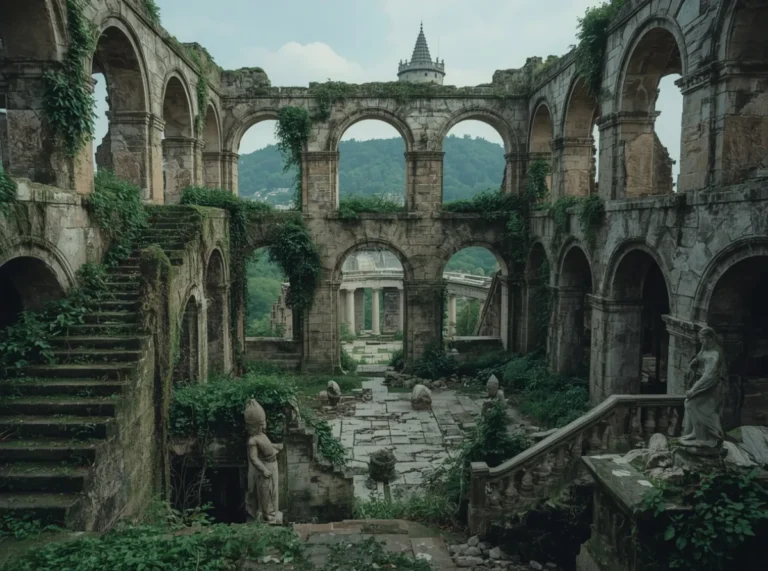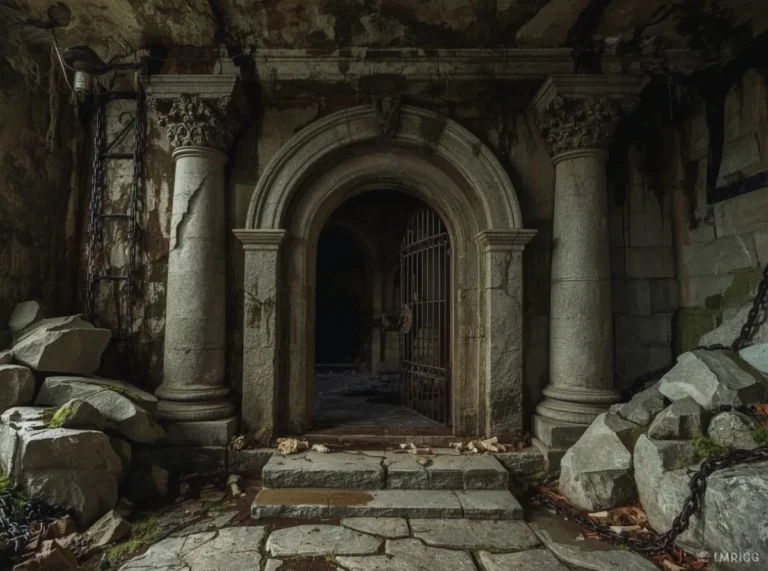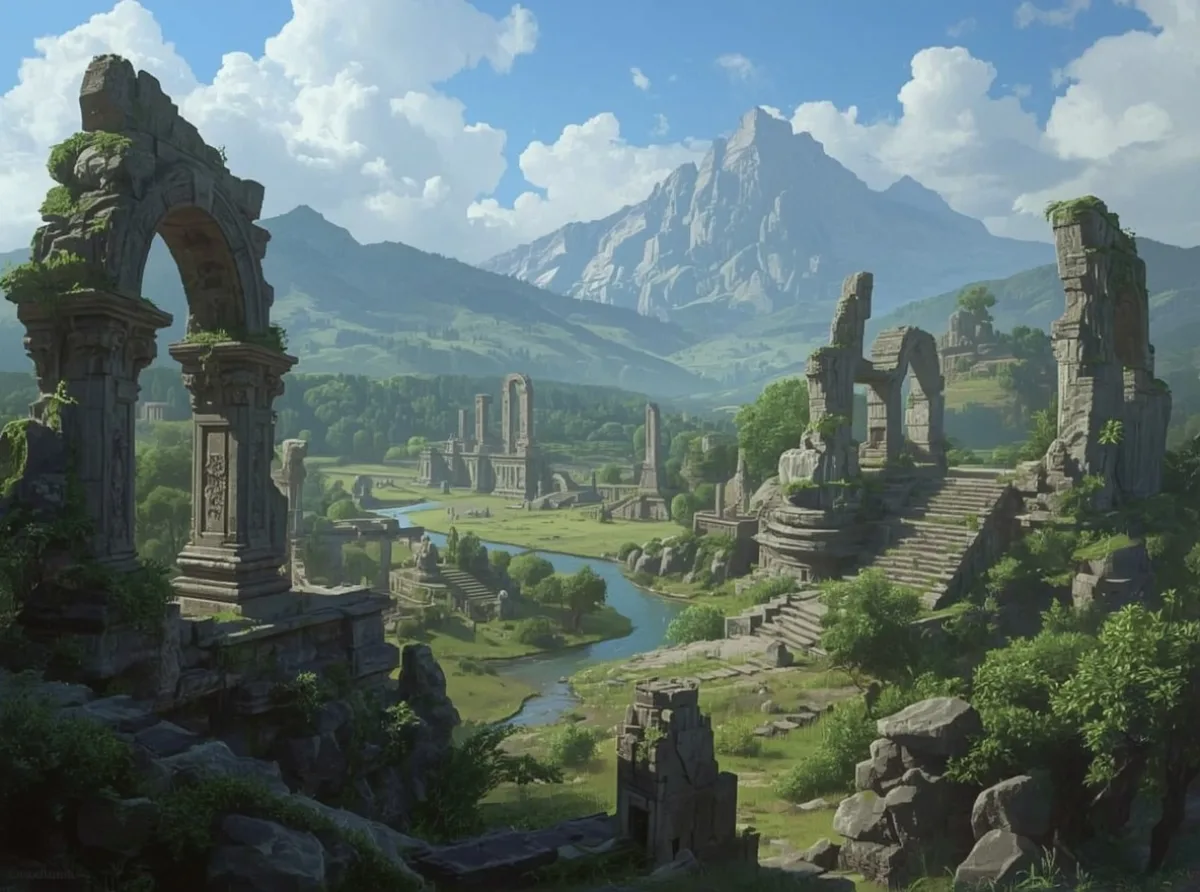
Names with ancient energy tend to feel older than the characters, kingdoms, or ruins tied to them. They carry the sense that something powerful existed long before the current story began. A single name can suggest buried temples, forgotten oaths, stone altars, or magic that still hums beneath the ground.
That is what makes this naming style so useful in fantasy worlds. It does not rely on obvious effects or loud symbols. Instead, it works through age, weight, and quiet force. The best names feel like they were carved into a relic, spoken by priests, or preserved in a language that has survived the collapse of empires.
When a name carries ancient energy, it often sounds ceremonial without becoming overly complicated. It can feel regal, sacred, elemental, or dangerous. Sometimes all four at once. That balance is what gives the name a strong place in roleplay, worldbuilding, games, and character design.
What Makes a Fantasy Name Feel Ancient
Ancient-sounding names usually have a few qualities in common. They are often built with hard consonants, long vowel tones, or unusual syllable patterns that feel older than everyday speech. They may also include references to stone, ash, moonlight, burial sites, forgotten stars, or old bloodlines.
Another important factor is restraint. A name does not need to sound huge to feel ancient. In fact, many of the strongest names are surprisingly simple. What matters is the mood they create and the world they seem to belong to.
A name feels ancient when it sounds inherited, not invented. It should suggest a history that already existed before the listener arrived.
Common elements that create ancient energy
- Older or archaic vowel combinations
- Stone, temple, fire, night, and relic imagery
- Soft echoes of mythic languages
- Titles or honorifics tied to old cultures
- Names that imply buried history or lost authority
These features can be combined in many ways. A name may sound noble, while another feels like it came from a deep desert civilization. Some names work best for gods and kings. Others fit witches, rangers, ancient spirits, or ruined cities.
Names That Feel Like They Belong to Old Kingdoms
Old kingdoms usually inspire names with measured rhythm and formal structure. These names often sound organized, inherited, and connected to lineages or dynasties. They fit noble houses, last heirs, temple rulers, and guardians of long-standing traditions.
Below are names that carry royal age without feeling too modern or too ornate.
- Aurelian Thorne
- Vaelros
- Serathiel
- Caldrin Vale
- Elanthor
- Miravon
- Othrynn
- Kaelvorn
- Theradon
- Iskarel
- Velorian
- Archelon
- Thalmere
- Corvayne
- Lystren
- Maradon
- Eryndal
- Solvareth
- Varekos
- Adryth
These names work well in settings with fallen monarchies, old bloodlines, or sacred succession. They sound like they could appear on banners, family seals, or carved tombs. Some are smoother and more elegant. Others feel heavier and more imposing.
If you want one of these names to feel even older, pair it with a title tied to a vanished role: Warden of the Ash Gate, Keeper of the Ninth Crown, or Last Speaker of the Hollow Court. The title changes the tone immediately.
Names That Carry the Weight of Sacred Ruins
Ruins are one of the clearest sources of ancient energy in fantasy. Broken walls, sealed vaults, and overgrown sanctuaries suggest that something once mattered deeply. Names inspired by ruins often sound weathered, solemn, and faintly dangerous.
They can be useful for cities, artifacts, ghostly guardians, ancient clans, or forgotten regions. These names usually avoid bright or playful sounds. Instead, they lean into silence, dust, stone, dusk, and memory.
- Myrath Ruinfall
- Vhalen Ashspire
- Orinth Deepstone
- Saelor Dreadroot
- Thyra Stoneveil
- Belmora Hollow
- Garrith Sepulchre
- Nyrel Vaultborn
- Corath Mirekeep
- Fenra Oldbloom
- Altheris Gravewind
- Veylor Duskwall
- Hadrim Blackarch
- Merelune Tombcrest
- Dorvak Shardhold
- Elvyr Ashmantle
- Rhevan Ossuary
- Talvyr Wyrmrest
- Olyth Cairnreach
- Vornel Duskbarrow
These names feel especially strong in settings with relic hunting, ancient curses, or abandoned cities hidden beneath deserts or forests. They also work well for locations that once held power and now stand as warnings. A name like this should feel like it has survived centuries of silence.
Ruins create memory. The best ancient names make that memory feel specific, as if the stone itself still remembers what was lost.
Names With Mythic and Ritual Energy
Some fantasy names feel ancient because they sound ceremonial. They suggest chants, sacred rites, lunar cycles, and old divine systems. These names do not need to be dramatic, but they should feel formal enough to be spoken carefully.
This style often works for priesthoods, oracle figures, moon guardians, relic-bearers, or ancient magical orders. It also suits gods, spirits, and enchanted creatures that are tied to old cosmology.
- Alnoreth
- Varesiel
- Thyssara
- Corunel
- Maelith
- Evradon
- Selvora
- Ithrael
- Caerith
- Olyndra
- Seraveth
- Nythera
- Valdros
- Oriseth
- Eloraith
- Varneth
- Isorith
- Melcaron
- Rhaezil
- Atheryn
Ritual names often sound best when they have balanced syllables and a steady flow. Too many sharp turns can make them feel harsh instead of sacred. A name like Selvora or Ithrael feels like it could be spoken in a temple chamber. A name like Valdros feels like it belongs to an older, more severe tradition.
These names are especially effective when the culture around them includes old chants, ancestral magic, or rules passed down through bloodlines and scripture. The name becomes part of the system, not just a label.
Names That Sound Powerful, Deep, and Unbroken
Ancient energy does not always have to feel fragile or lost. It can also feel enduring. Some names sound like they belong to something that has survived wars, collapse, and time itself. These names are strong, steady, and difficult to ignore.
This group works well for ancient warriors, elder dragons, mountain kings, immortal sentinels, and forgotten champions. They have firmness in the structure and often lean on bold endings or heavier consonants.
- Dravok
- Karesh
- Valthor
- Brannoc
- Rogarim
- Tharnel
- Korvath
- Belthar
- Othrek
- Vargrin
- Melkhar
- Doreth
- Gavros
- Arvok
- Haldren
- Kelmor
- Vorran
- Thalek
- Norvash
- Grimsel
These names do not need much decoration. Their strength comes from how direct they are. They can sound like war names, throne names, or the names of beings that were never truly ordinary. In many settings, they feel as though they were carried through generations without losing their shape.
When to use names like these
- Legendary warriors or commanders
- Ancient guardians and sealed protectors
- Dragons or dragon-blooded characters
- Forgotten kings and high rulers
- Boss enemies in RPGs or tabletop campaigns
Names Inspired by Lost Civilizations
Lost civilizations create a different kind of ancient energy. Instead of pure mystery, they add culture, identity, and depth. These names often feel like they belong to a people with a rich past, a distinct language, and architecture that once covered entire regions.
They are useful for inventing empires, ancient clans, old emblems, and regional naming systems. A civilization-based name should sound like part of a larger pattern, even if the reader only sees one example.
| Name | Possible Tone | Best Use |
|---|---|---|
| Zerakh | Desert, severe, imperial | Ancient rulers, buried cities |
| Talorin | Refined, scholarly, old | High houses, archives |
| Umareth | Weathered, sacred, regional | Priests, guardians, temples |
| Kezhira | Distinct, cultured, forgotten | Noble families, hidden empires |
| Morathen | Heavy, formal, enduring | Emperors, generals, relic orders |
| Yalorin | Elegant, ancient, distant | Dynasties, old magic lines |
| Veshkar | Rugged, tribal, old-world | Clans, frontier kingdoms |
| Alzeren | Cool, ceremonial, reserved | Sages, scribes, ancient courts |
| Rhekoran | Grand, layered, imperial | Lost capitals, elite bloodlines |
| Serakhu | Mythic, dry, old desert tone | Relics, tombs, dust kingdoms |
These names are especially effective when they feel internally consistent. If one city is called Zerakh and another ruler is named Morathen, the world starts to feel connected. That connection matters as much as the name itself.
Names for Ancient Spirits, Guardians, and Forgotten Beings
Some names need to feel less human and more timeless. Ancient spirits, guardians, and forgotten beings should sound as though they have existed outside ordinary history. Their names can still be pronounceable, but they should feel slightly removed from modern speech.
This is where you can use softer edges, unusual vowel blends, or names that seem to hover between language and myth. These are often the names players remember because they feel eerie in a quiet way.
- Ilvaris
- Nemorath
- Cythelen
- Auraleth
- Virelun
- Othalis
- Meritha
- Zaelune
- Toraviel
- Elarion
- Hesarith
- Vyralis
- Orendel
- Calythra
- Sorethil
- Lyveron
- Thaloris
- Ismarae
- Veluth
- Ardelyn
These names often work best when the surrounding lore is minimal but suggestive. A single line of context can do a lot. A name like Nemorath, for example, can instantly feel like a forest guardian, an old oath-spirit, or a sealed presence beneath a shrine.
The less a name explains itself, the more ancient it can feel. Mystery gives age room to breathe.
Soft vs. Severe Ancient Energy
Not all ancient names need the same emotional weight. Some feel soft, faded, and solemn. Others feel sharp, disciplined, and severe. The difference changes how the name reads in a story or game.
Soft ancient names usually sound lyrical. They may belong to moonlit shrines, old libraries, hidden wells, or gentle spirits tied to memory. Severe names often suit battlefields, tomb wards, blood oaths, and old powers that never tried to be kind.
- Soft: Elorin, Selmira, Vaelith, Olyra, Myrune, Athelis, Corielle, Luthara, Serenith, Velira
- Severe: Dhorvak, Krastel, Maldrin, Vhalos, Korrath, Thurvek, Gralden, Brevok, Oskarim, Dorneth
Soft names are useful when the ancient element is tied to grief, memory, or endurance. Severe names are stronger when the old power is still active and dangerous. Neither style is better. They simply create different moods.
How tone changes perception
- Soft names feel hidden, ceremonial, or mournful
- Severe names feel strict, final, or commanding
- Mixed names can feel layered and unpredictable
- Very short names often feel older when paired with strong context
Hybrid Naming Patterns That Feel Old but Fresh
One of the easiest ways to create an ancient fantasy name is to blend familiar structure with uncommon detail. That keeps the name readable while still giving it depth. The result feels old, but not outdated.
Hybrid names often combine a classic fantasy base with a distinctive ending, or a softer prefix with a hard final sound. They can also mix regional influences without becoming hard to pronounce. This is useful for characters you want people to remember quickly.
- Aren Voss
- Lyric Thane
- Kael Riven
- Therin Sol
- Maera Dusk
- Corin Vale
- Seris Mor
- Vael Rune
- Orin Keth
- Elian Grave
- Daros Lyn
- Verael Stone
- Jorin Ash
- Selith Crow
- Tarin Holt
- Evara Moss
- Rheo Thorn
- Calen Wyr
- Myrr Vale
- Sorin Deep
These names can lean ancient through their pairings and rhythm, even if the individual parts are simple. They are especially helpful when you want a name that fits a living character rather than a completely legendary one. The old energy is present, but it feels accessible.
Ancient Energy in Place Names
Worldbuilding often needs more than character names. Place names are where ancient energy can become vivid very quickly. A good location name can suggest lost civilizations, buried magic, or older powers still active beneath the surface.
Place names often benefit from rough texture, layered syllables, and words that hint at geography or history. They should feel like they were inherited from a much older map.
- Ashen Vault
- Velkarth Basin
- Hollow Aegis
- Serpent Cairn
- Moonbarrow
- Thorned Reliquary
- Black Meridian
- Gilded Ossuary
- Stonewake Pass
- Ruinshore
- Old Sun Delve
- Vesper Hollow
- Iron Sepulcher
- Wyrdfall Reach
- Cinder Archive
- Frostbarrow
- Ember Relic
- Silent Ziggurat
- Rooted Temple
- The Broken Crown
These names work well in maps, quest logs, and lore notes. They tell the player or reader what kind of place they are entering before any scene description begins. That immediate sense of age can be very effective.
Patterns That Make Ancient Names Easier to Build
If you are creating your own names, a few patterns can help them feel believable. The goal is not to copy existing fantasy names too closely. The goal is to create something that sounds like it belongs to a deeper history.
- Use balanced syllables: two or three parts often feel natural
- Favor sounds that are easy to repeat in dialogue
- Avoid too many decorative letters unless the setting supports it
- Connect the name to one clear image, such as stone, ash, moon, or ruin
- Keep the cultural tone consistent across related names
Some of the strongest names are built from a small idea repeated across a world. For example, if your ancient culture uses a lot of “-ath,” “-or,” or “-en” endings, the names begin to feel like part of the same civilization. That cohesion matters more than complexity.
Helpful naming formulas
- Prefix + old-root sound: Vael + ron, Ser + ath, Mor + dien
- Nature + relic tone: Ash + veil, Moon + cairn, Stone + hush
- Title + ancient name: Keeper Vaelros, Oracle Thryne, Warden Corath
- Two-part noble form: Aurel Thane, Elen Voss, Caldor Mire
Why Ancient Energy Keeps Working in Fantasy
Ancient names remain popular because they instantly suggest depth. They make a world feel larger than the current scene. A tavern can feel ordinary, but if the nearby mountain is called the Silent Ziggurat and the ruler is named Aurelian Thorne, the setting gains history fast.
That is the quiet strength of this naming style. It does not rely on spectacle. It relies on resonance. The right name can suggest old empires, hidden knowledge, and powers that have not finished shaping the world.
The best ancient fantasy names feel lived-in. They sound like they were never meant to be new, only remembered.
Once that feeling is in place, the rest of the world becomes easier to imagine. Roads seem older. Temples seem heavier. Even ordinary objects can feel like they have a past. That is where ancient energy does its best work.
Names like Vaelros, Selvora, Zerakh, and Nemorath all create that effect in different ways. Some feel royal. Some feel sacred. Some feel buried. Each one opens a slightly different door into the same broad, timeless mood.
For fantasy worlds that need history without long explanations, these names do a great deal of work on their own. They carry age in the shape of their sounds, and that shape is often enough to make the world feel real.