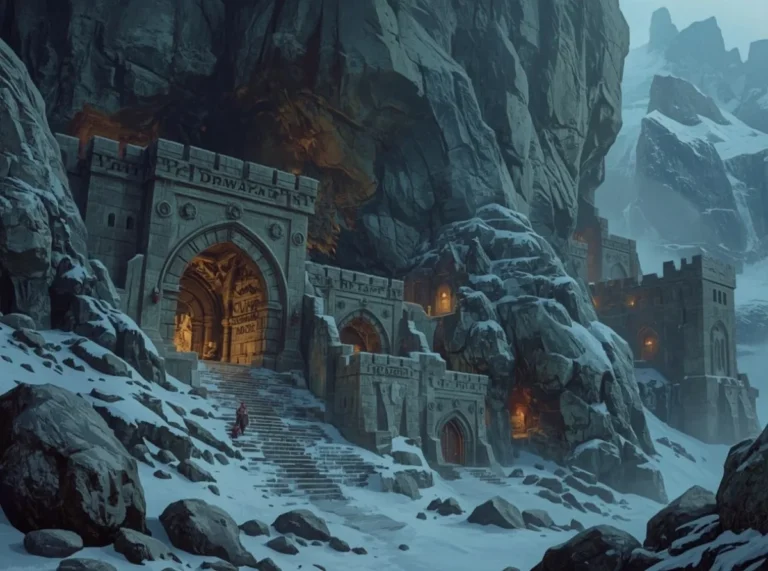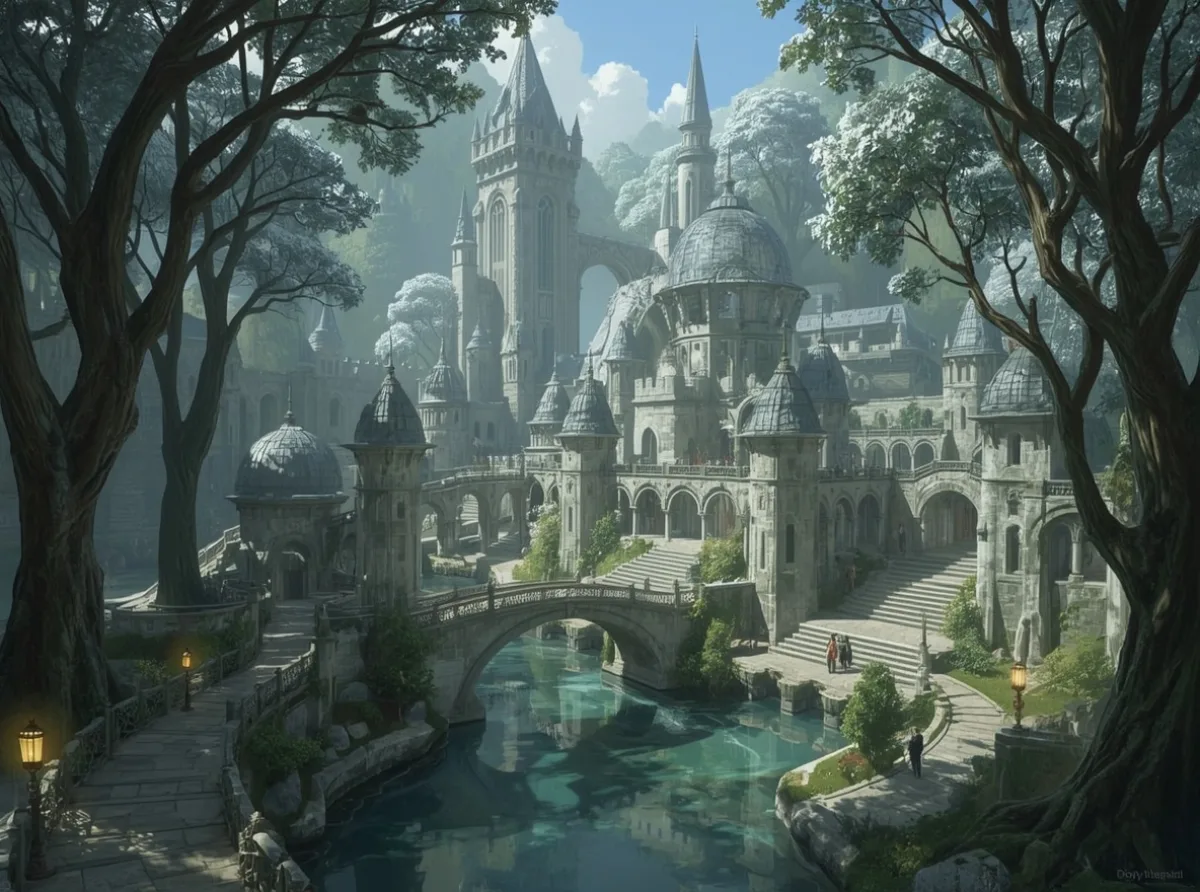
Elven city names work best when they sound like they have existed for centuries without losing their grace. The best ones carry a light musical shape, a hint of old magic, and a sense that every stone bridge and tower belongs to a larger story. When a name feels elegant, it does not need to be complicated. It only needs balance, rhythm, and a clear atmosphere.
That atmosphere matters more than people often realize. A single city name can suggest white marble terraces, tall trees growing through open courtyards, and quiet canals reflecting lanterns at dusk. It can also imply courtly politics, sacred groves, ancient trade routes, or a hidden edge beneath a beautiful surface. In fantasy worlds, names do more than label places. They shape how those places are imagined.
For elven cities, the most memorable names often sound refined without becoming too ornate. They may include soft vowels, flowing consonants, and a structure that feels smooth when spoken aloud. Some lean toward moonlit elegance. Others feel like river cities, forest capitals, or high mountain sanctuaries. The range is wide, but the tone stays anchored in elegance.
That is why naming style matters so much in roleplay, worldbuilding, and game design. A good elven city name can instantly signal culture, status, geography, and history. It can feel welcoming, distant, ancient, or sacred. The name becomes part of the world’s identity, not just a marker on a map.
What Makes an Elven City Name Feel Elegant
Elegant elven names usually avoid harsh breaks and heavy sounds. They often use smooth transitions, layered syllables, and a flow that suggests movement through branches, water, or wind. Even when the name is long, it should still feel graceful rather than clunky.
There is also a strong connection between sound and visual image. Names with open vowels can suggest bright, airy cities. Names with darker consonants can feel more ancient or formal. A name like this does not need to explain the city directly. It only needs to point your imagination in the right direction.
Elegant elven city names usually feel memorable because they balance softness, age, and a clear sense of place.
Common qualities that make these names work
- Soft vowels that create a flowing rhythm
- Consonants that feel light instead of sharp
- Hints of age, magic, or noble tradition
- A structure that is easy to pronounce aloud
- A mood that matches elven architecture and culture
Sometimes the most effective name is not the most elaborate one. A shorter name can feel noble if it has the right shape. A longer name can feel majestic if it stays fluid. The goal is not complexity for its own sake. The goal is a name that sounds like it belongs to a living elven civilization.
Names That Feel Bright, Refined, and Peaceful
These names fit cities built around open gardens, river crossings, crystal towers, and calm civic life. They feel polished but not cold. They suggest a culture that values art, learning, and balance.
- Althiriel
- Velamora
- Serenwe
- Eloranth
- Caelith
- Thaloria
- Miravelle
- Ilrunea
- Faelwyn
- Orellis
- Lyndara
- Aravielle
- Elaristh
- Solandria
- Virelune
- Amariel
- Telanor
- Ysolenne
- Caladwen
- Ethravia
These names tend to work well when the city is meant to feel open and dignified. They do not sound rough or militarized. Instead, they imply ceremonial gates, carved stone, and quiet avenues lined with trees or fountains. In a game setting, they feel especially useful for capital cities, diplomatic centers, or places that represent elven refinement at its most visible.
How to use bright names effectively
- Use them for cities tied to music, learning, or healing
- Pair them with places like moon gardens, terraces, and glass bridges
- Choose them when the city should feel peaceful rather than secretive
- Combine them with a noble culture or a high council theme
Names That Feel Ancient and Ceremonial
Some elven cities need more weight. They are still elegant, but the elegance is formal and old. These names work for places with long histories, sacred laws, or powerful dynasties. They often feel like they belong in chronicles rather than travel guides.
Ancient-sounding names usually include deeper syllables and a more deliberate structure. They may feel slightly less airy, but that is part of their strength. They suggest institutions, rituals, and memory. A city with one of these names does not feel casual. It feels inherited.
- Aeltharion
- Vaeloris
- Thirandor
- Melarion
- Orlathien
- Caeryndor
- Ithavelle
- Elenvaris
- Vaelthir
- Rhyndel
- Saelorien
- Toraviel
- Arthalyth
- Delarion
- Fenrialis
- Iltharien
- Merelthas
- Othariel
- Yltharion
- Serandelis
These names are useful when the city has old walls, deep archives, royal lineage, or a temple complex that predates the current age. They also fit stories where elves are not just graceful but politically influential and historically grounded. The name should feel like it has appeared in treaties, legends, and cautionary tales.
Ceremonial names often sound stronger when they carry a slight formality, as if spoken in a court, a temple, or an ancient hall.
Names With a Mysterious or Moonlit Atmosphere
Not every elven city should sound bright and open. Some need a quieter tone. These names fit hidden sanctuaries, coastal enclaves, silver forests, and cities that appear after dusk. They feel elegant, but the elegance is elusive.
Mysterious names often use subtle contrasts. They may have smooth first syllables and a softer ending, or they may shift in rhythm just enough to feel unfamiliar. That slight uncertainty is useful. It makes the city feel private, secretive, or touched by magic that outsiders do not fully understand.
- Lunarae
- Velyth
- Shyrelle
- Ossaryn
- Caelune
- Iriveth
- Taliryn
- Nymeriel
- Elarune
- Vashiel
- Soraveth
- Meluune
- Yllithra
- Thaelune
- Orivelle
- Nyssara
- Aurielis
- Velithra
- Seralune
- Ithravyn
These names are especially effective in stories where the city is known for hidden libraries, moon rites, or unusual alliances with spirits and creatures of the night. They also suit a more restrained kind of beauty. Instead of announcing themselves loudly, they linger in memory.
Best settings for moonlit names
- Forest cities tucked between ancient trees
- Cliffside enclaves above misty water
- Secret trade cities with controlled access
- Sacred settlements tied to lunar cycles
Names That Feel Regal and Political
Some elven cities exist at the center of power. They may host councils, royal houses, or diplomatic courts. In those cases, the name should feel elegant but authoritative. It should carry a sense of ceremony without losing its elven softness.
Regal names often sound balanced and composed. They have enough structure to feel official, but enough fluidity to stay graceful. This kind of naming works well for cities that are important on the map and even more important in the story.
- Aurethil
- Valedriel
- Caelanth
- Serithor
- Elunthar
- Vaeloria
- Thalendris
- Merithiel
- Aloryn
- Iseldor
- Fayelune
- Orelthas
- Yavendre
- Calethor
- Rhavielle
- Elyndor
- Saelthra
- Noraviel
- Ithandria
- Veloryn
These names can support a city’s image before any details are added. If a player hears one of them, they may immediately picture towers, banners, formal gatherings, and elaborate customs. That makes them useful in tabletop campaigns and fantasy novels alike, where a city often needs to suggest its own social structure.
Names With a Natural, Forest-Bound Elegance
Elven cities are often imagined in harmony with nature, and that relationship shapes the naming style. Forest-bound city names should still sound refined, but they should also feel rooted, living, and organic. The elegance comes from integration with the landscape rather than distance from it.
These names are useful when the city is built around giant trees, rootwalks, canopy markets, and water channels that wind through living wood. The sound should feel gentle and balanced, never too rigid.
- Lirawen
- Faelith
- Olevan
- Therynna
- Ariwen
- Sevathiel
- Elyraen
- Myralis
- Calewyn
- Orinwe
- Vaeliris
- Nerawen
- Ilvarya
- Rhylaeth
- Elowenor
- Saelwyn
- Yveris
- Avenlith
- Talarwen
- Mirethil
Forest city names often feel strongest when they echo natural movement. A soft beginning and a graceful ending can mirror leaves, vines, or water currents. That makes them ideal for settings where the city feels less built and more grown.
When a city is meant to feel like part of the forest, the name should sound as if it could belong to both civilization and nature at once.
Names That Lean Toward High Fantasy Grandeur
Some elven cities need a bigger presence. They may be capitals, legendary sanctuaries, or ancient strongholds perched above deep valleys. These names can be more dramatic, but they should still keep the elegance that defines elven naming.
High fantasy names often use longer forms and stronger internal rhythm. They can feel more ceremonial, more epic, and more story-driven. If the city is meant to stand out on a map, this style is a good fit.
- Aelorithien
- Vaelmirath
- Thalorinwe
- Seravandriel
- Caelithor
- Elanthariel
- Ylvarenth
- Orimelthas
- Faelorynd
- Ithalorien
- Meravandor
- Solythar
- Auryndriel
- Velarionne
- Talendriel
- Elaroth
- Ravelynth
- Calyndor
- Nyelvaris
- Orethalune
These names can handle big lore. They feel suitable for cities tied to ancient empires, magical artifacts, or world-shaping events. A high fantasy name should leave room for history to gather around it. It should sound like the kind of place where names are remembered for generations.
How Tone Changes the Impression of an Elven City
The same naming pattern can feel very different depending on tone. A light, open name suggests transparency and elegance. A denser, slower name suggests age and authority. A name with brighter vowels can feel optimistic. One with deeper sounds can feel reserved or solemn.
This is where worldbuilders can be intentional. If the city is a cultural center, choose a name that feels bright and orderly. If it is a sacred refuge, let the name feel calm and distant. If it is a political seat, lean toward formal balance. The city’s identity becomes clearer when the name supports it from the first line.
| Atmosphere | Name Quality | Common City Image |
|---|---|---|
| Peaceful | Soft, flowing, open | Gardens, terraces, clear water |
| Ancient | Formal, layered, steady | Old walls, archives, temples |
| Mysterious | Quiet, elusive, moonlit | Hidden paths, sealed gates, night rituals |
| Regal | Balanced, polished, authoritative | Courts, banners, ceremonial halls |
| Natural | Organic, gentle, rooted | Tree cities, root bridges, forest paths |
Patterns That Help Elven City Names Sound Believable
Believability comes from consistency. Even fantasy names feel stronger when they follow an internal logic. If several elven cities share similar sound patterns, the world begins to feel connected. That does not mean every city should sound the same. It means the naming family should share a cultural voice.
One approach is to repeat specific elements across a region. Another is to use similar endings for related cities or districts. This creates familiarity without flattening the variety. The listener begins to recognize that these names come from the same language or tradition.
Useful naming patterns to keep in mind
- Use recurring vowel combinations like ae, el, or ia
- Favor smooth endings such as -iel, -wyn, -thas, or -riel
- Mix shorter city names with longer ceremonial ones
- Keep pronunciation elegant and manageable
- Avoid stacking too many harsh consonants together
It also helps to think about function. A trading city may have a more accessible name. A sacred capital may have a formal one. A hidden enclave may sound quieter and more private. These differences make the world feel lived in.
Choosing Between Subtle, Distinctive, and Legendary
Not every elven city name needs to dominate the room. Some should blend into the setting and support the atmosphere. Others need to stand out immediately. The right choice depends on the city’s narrative role.
Subtle names are often best for smaller communities, border settlements, or places that should feel serene. Distinctive names work for important cities with unique cultural traits. Legendary names belong to places everyone in the world has heard of, even if they have never visited them.
- Subtle: Lirawen, Virelune, Olevan, Nymeris
- Distinctive: Aeltharion, Saelorien, Velamora, Ithandria
- Legendary: Seravandriel, Elanthariel, Aelorithien, Vaelmirath
That range is useful in any fantasy setting. It gives you options for hierarchy. A small but beautiful city should not sound like the same kind of place as an ancient royal seat. The name should reflect that difference clearly.
The most effective fantasy city names feel as though their sound and their story were built together.
Practical Ways to Create Your Own Elegant Elven City Name
If you are building a world, it helps to work from sound first and meaning second. Start with a mood. Then decide whether the city should feel bright, old, royal, secretive, or natural. Once you know the atmosphere, choose syllables that support it.
One practical method is to combine a graceful prefix with a meaningful ending. Another is to adapt a place feature into a more elven shape. For example, a city near a silver river might take a name that includes flowing vowel sounds. A mountain sanctuary might use firmer structure while staying elegant.
Simple creation approach
- Pick a mood: peaceful, sacred, regal, or mysterious
- Choose 2–4 syllables that match that mood
- Test the name by saying it aloud
- Check whether it fits the city’s role in the world
- Adjust the ending until it feels smooth and complete
Names often improve when you strip away one unnecessary sound. If a name feels crowded, shorten it. If it feels too plain, add one graceful syllable. The best elven city names usually sound intentional, not improvised.
Closing Name Ideas for Different Kinds of Elegant Cities
Some names fit best when you already know the city’s personality. A diplomatic center might suit
- Vaeloria
- Valedriel
- Aurethil
. A forest settlement might feel natural with
- Lirawen
- Elowenor
- Talarwen
. A moonlit refuge could easily carry
- Caelune
- Thaelune
- Nymeriel
.
That flexibility is part of the appeal. Elven city names can be refined without being fragile, and they can be graceful without sounding soft in a weak way. They leave room for history, culture, and atmosphere to settle in. A strong name does not tell the whole story. It gives the world a shape that feels worth exploring.
When the sound is right, the city starts to appear in the mind before any map is drawn. White balconies, quiet avenues, carved archways, and slow-moving canals come into view. That is often the point where the name stops being just a name and starts feeling like a place.