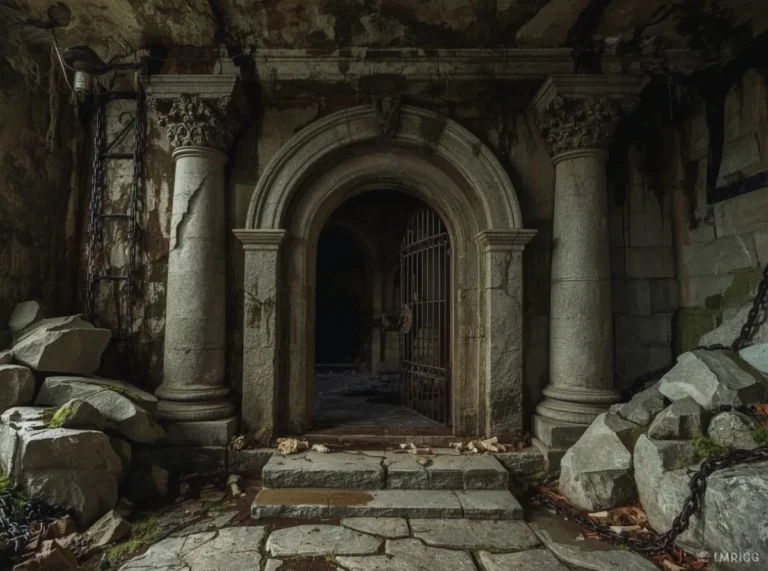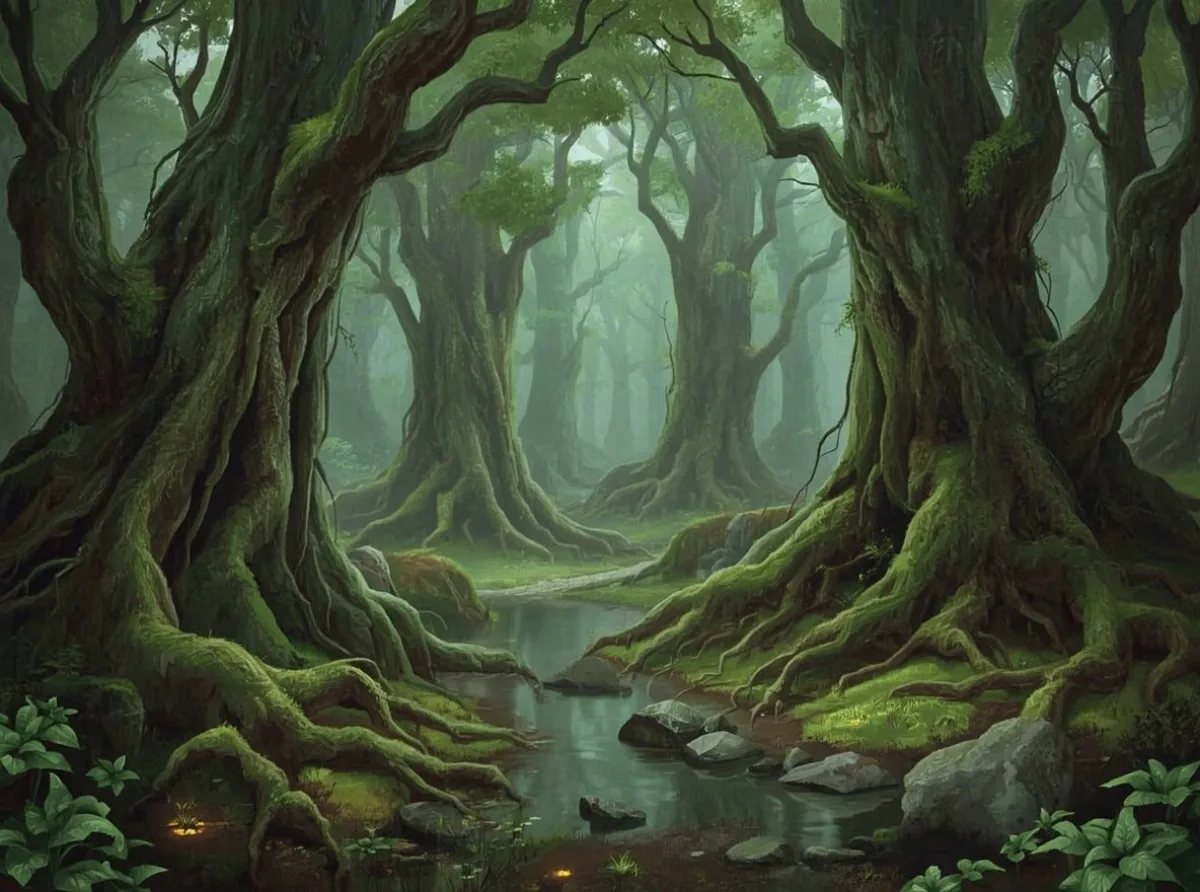
Some forest names feel like places you could walk into right away. Others feel thin and forgettable, even if they look elegant on paper. The names that stay with people usually carry a sense of age, quiet magic, and a little uncertainty.
Fantasy forest names work best when they suggest more than trees. They hint at hidden paths, old spirits, lost shrines, moonlit clearings, and things that do not fully belong to the ordinary world. A good name can make a forest feel sacred, dangerous, peaceful, or half-remembered, sometimes all at once.
That atmosphere matters in games, stories, maps, and roleplay settings. A forest with the right name feels like it has history before the player ever arrives. It also gives you a clear tone to build around, whether you want something soft and ancient or dark and watchful.
What Gives a Forest Name a Mystical Feeling
Mystical names usually work because they imply something hidden. They do not explain everything. They leave space for the imagination, which is exactly what makes a fantasy forest feel larger than a simple location.
Several patterns show up again and again. Some names use old-sounding words like hollow, glade, veil, thorn, moon, or ember. Others combine nature with mystery, such as silverwood or whisperbloom. A few sound almost ceremonial, like names tied to forgotten gods, ancient rites, or weather that never fully clears.
These names often feel strongest when they are easy to say but still unusual. If a name is too complex, it can lose its shape. If it is too plain, it may not hold the mood you want.
A mystical forest name does not need to describe the forest exactly. It only needs to suggest a feeling: hidden, ancient, sacred, eerie, or enchanted.
That feeling is what players remember. In a fantasy world, the name often becomes the first piece of lore.
Classic Fantasy Forest Names with a Soft Enchanted Mood
These names lean toward gentle magic, old paths, and quiet wonder. They fit forests with glowing plants, hidden streams, and spirits that feel more protective than threatening.
- Moonbriar Wood
- Silverleaf Hollow
- Thistleveil Grove
- Starfen Glade
- Willowmere Forest
- Emberroot Wilds
- Lunathorn Woods
- Fernwhisper Vale
- Glimmershade Grove
- Oakmyst Thicket
- Dreampine Wood
- Frostbloom Hollow
- Elmsong Forest
- Aurorawood Reach
- Velvet Moss Glade
- Hushwillow Grove
- Pearlfern Woods
- Ivorybark Hollow
- Rainpetal Forest
- Moonroot Vale
These names work especially well in settings where magic feels woven into the land instead of forced onto it. They can belong to elven territories, sacred groves, or peaceful regions near old ruins. The tone stays calm, but not plain.
If you want the forest to feel more welcoming than ominous, focus on words that suggest softness, light, or flowing movement. Leaf, fern, willow, mist, bloom, and glade are useful building blocks. Pair them with a single stronger word so the name keeps some character.
Why soft names feel believable
Soft names often feel more believable because they sound like places people would actually remember and use. They are not trying too hard. Instead, they feel like local names that evolved naturally over time.
That helps in roleplay and worldbuilding. A forest called Moonbriar Wood sounds like a place with stories attached to it, not just a decorative label.
Darker Forest Names with a Mystic and Ancient Tone
Some forests are not comforting. They feel watched, sealed off, or touched by old magic that never fully faded. Names for these places often sound heavier, sharper, or more ceremonial.
- Gravebloom Woods
- Blackthorn Veil
- Wraithpine Forest
- Shadowfen Thicket
- Nightbriar Hollow
- Cinderroot Wilds
- Ravenmoss Glade
- Duskwillow Wood
- Hexfern Reach
- Bramblespire Grove
- Silentfang Forest
- Viperleaf Hollow
- Ashenbark Vale
- Umberveil Woods
- Moongrave Thicket
- Thornshadow Forest
- Velkroot Wilds
- Gloombough Hollow
- Bloodfern Grove
- Ironmoss Reach
These names suggest more tension. They imply danger without needing to spell it out. That makes them useful for cursed lands, border forests, forbidden paths, or territory controlled by old powers.
Names like these tend to land well when the setting has some resistance to the player or traveler. A darker forest is not always hostile, but it should feel like it has rules. The name can hint at those rules before anyone steps inside.
Darker forest names usually feel stronger when they include one clean, hard word. Thorn, ash, grave, shadow, or wraith can carry the mood with very little help.
Using darkness without making the name clumsy
Too many heavy words at once can make a name feel forced. Shadowgravethorn Hollow, for example, may sound overloaded. A better approach is to use one dark anchor and one natural image.
Blackthorn Veil and Ashenbark Vale are easier to hold in memory. They also leave room for the forest’s actual lore to fill in the rest.
Names Inspired by Moonlight, Mist, and Hidden Magic
This group leans into the quieter side of mystery. The forest feels like it exists between states: not fully day, not fully night, not fully safe, not fully lost. That kind of liminal mood is useful in fantasy worlds that want subtle magic.
- Moonveil Wood
- Mistfern Hollow
- Veilbloom Grove
- Nightdew Forest
- Silverbriar Glade
- Cloudroot Woods
- Driftmoss Vale
- Shiverleaf Hollow
- Glassthorn Reach
- Gloamwillow Forest
- Hollowmist Grove
- Opalshade Wood
- Moonlace Thicket
- Frostveil Hollow
- Echofern Woods
- Wispwood Glade
- Smokeblossom Forest
- Hazeoak Reach
- Twilightfern Vale
- Lanternmoss Grove
These names feel especially useful in settings with dreamlike travel, hidden portals, or magic that reveals itself slowly. They are not loud. They invite curiosity instead.
Moon and mist words are popular for a reason. They instantly change the temperature of a name. A forest called Moonveil Wood sounds like a place where visibility matters less than intuition.
Best word pairings for this mood
- Moon + veil, root, lake, fern
- Mist + hollow, grove, walk, thorn
- Gloam + willow, wood, reach, bloom
- Wisp + wood, glade, moss, trail
These combinations stay flexible. They can support peaceful settings, secretive settings, or old magical territories without locking you into one exact story.
Forests That Feel Sacred, Royal, or Protected
Not every mystical forest should feel eerie. Some should feel guarded, honored, or tied to a lineage of keepers and wardens. These names usually sound more refined and deliberate.
- Crownleaf Forest
- Elmsworn Grove
- Goldenbark Vale
- Saintfern Wood
- Hollowcrown Thicket
- Orchardveil Reach
- Meridian Grove
- Ivorygrove Forest
- Highthorn Woods
- Sunlace Hollow
- Oathbloom Forest
- Runedale Glade
- Amberveil Wood
- Kingshade Grove
- Hearthbark Reach
- Celesthollow Forest
- Leafcrown Vale
- Wardenpine Woods
- Silveroak Sanctuary
- Verdant Throne Grove
These names feel suitable for protected sacred areas, royal preserves, druidic capitals, or ancient groves defended by sworn guardians. They suggest structure as much as magic.
If your world has old laws, temple forests, or noble houses with land rights, these names fit naturally. They sound like places with permission, tradition, and consequence.
Sacred forest names often work best when they feel maintained. A little order in the wording can make the place feel older, not newer.
Wild and Untamed Forest Names for Rougher Settings
Some fantasy forests feel less like sanctuaries and more like living terrain. They resist roads, swallow markers, and shift with weather. Their names usually sound more rugged and less polished.
- Briarwild Forest
- Stormroot Woods
- Fangfern Reach
- Hushthorn Wilds
- Rimebark Thicket
- Cragmoss Forest
- Wolfwillow Hollow
- Brackenfang Grove
- Ashwild Vale
- Stoneleaf Reach
- Barrowroot Woods
- Needlebark Thicket
- Driftthorn Forest
- Coldfen Wilds
- Hawkbriar Grove
- Rainfang Hollow
- Graymoss Reach
- Thornwild Wood
- Runecrag Forest
- Wildlace Vale
These names work well for frontier maps, survival-heavy campaigns, and regions where civilization is thin. They feel physical. You can almost hear branches breaking underfoot.
The best thing about these names is that they still keep the fantasy tone intact. They are rough, but not modern. They still belong in a world with magic, old trails, and unknown borders.
When a forest should sound untamed
Use harder consonants and grounded natural words if you want a forest to feel unpredictable. Thorn, fang, crag, bark, wild, and storm all add firmness. They make the forest seem less decorative and more alive.
That can be useful for maps, quests, and dangerous travel zones. A name like Briarwild Forest already suggests a warning.
Elegant, Eldritch, and Other Naming Styles
Forest names do not all need to follow the same pattern. Some can sound elegant. Others can sound strange and ancient. A few sit somewhere in between, which often makes them the most versatile.
| Style | Typical effect | Example names |
|---|---|---|
| Elegant | Refined, magical, balanced | Silverleaf Hollow, Crownleaf Forest, Opalshade Wood |
| Eldritch | Unsettling, old, unnatural | Hexfern Reach, Moongrave Thicket, Runecrag Forest |
| Ancient | Timeless, rooted, weathered | Oakmyst Thicket, Barrowroot Woods, Elmsworn Grove |
| Dreamlike | Soft, strange, floating | Wispwood Glade, Twilightfern Vale, Hazeoak Reach |
Elegant names tend to rely on symmetry and smooth sound. Eldritch names often include a sharper edge or an unexpected word. Ancient names usually feel grounded, as if they have survived generations of use.
Dreamlike names can be the most flexible, because they fit forests that are beautiful but difficult to understand. That balance can be especially useful in stories where the forest itself has a voice or memory.
How to Build Your Own Mystical Forest Names
Creating a believable fantasy forest name is easier when you work from a few clear pieces. You do not need a complicated naming system. You need a small set of choices that fit the mood.
Start with the forest’s emotional tone
- Peaceful: willow, fern, bloom, glade, moss
- Secretive: veil, hush, whisper, mist, shadow
- Ancient: oak, root, barrow, hollow, stone
- Dangerous: thorn, fang, ash, grave, bramble
- Magical: moon, silver, star, rune, wisp
Once the tone is clear, the rest becomes easier. You are no longer just naming a forest. You are naming the feeling people should get when they see it on a map.
Then shape the sound
Names with softer sounds feel gentler. Names with harder sounds feel more forceful. A name like Moonbriar Wood has a calm rhythm. Thornshadow Forest feels sharper and less forgiving.
You can also mix the two. That often creates the most interesting results. Soft and hard together can give a forest both beauty and tension.
Keep the name practical
In games and stories, a forest name needs to be easy enough to remember after one look. That is why many strong fantasy names stay within two or three parts. They sound rich without becoming difficult.
- Good length: one to three joined words
- Clear imagery: nature plus mood
- Distinct sound: avoid too many repeated syllables
- Simple spelling: easier for players to remember
This is especially useful if the name will appear in dialogue, quest logs, map labels, or server lore. A name that reads cleanly often feels stronger in actual use.
If a forest name can suggest color, texture, and mood at the same time, it usually works well in fantasy settings.
Forest Naming Patterns That Show Up Often in Fantasy Worlds
Many fantasy forests use the same core patterns, but the mood changes depending on how the words are arranged. Some names center on a tree type. Others focus on weather, light, or a hidden quality of the place.
- Tree + mystery: Oakmyst, Willowveil, Pinewhisper
- Color + wood: Silverwood, Ashenwood, Goldenwood
- Nature + danger: Briarthorn, Mossfang, Ravenroot
- Light + grove: Moongrove, Stargrove, Sungrove
- Atmosphere + landform: Mistvale, Gloamhollow, Hushglade
These patterns work because they are easy to expand. You can build entire regional naming systems from them. If one part of your world uses soft, lunar names, you can keep that consistency across multiple forests, clearings, and sacred sites.
That consistency makes a world feel more coherent. It also helps players recognize the tone of a location before they even enter it.
Alternative Variations for Maps, Quests, and Locations Nearby
Once you have a forest name, it is often useful to create related names for landmarks around it. That can include old bridges, hidden springs, shrines, camps, or boundary stones. Keeping the naming style aligned makes the region feel complete.
- Moonveil Crossing
- Thornshadow Path
- Silverbark Spring
- Gloamwatch Ruins
- Hollowmoss Shrine
- Wispfern Camp
- Blackroot Gate
- Dreampine Track
- Ravenleaf Ford
- Ivorythorn Cairn
- Mistbloom Circle
- Runelight Clearing
These supporting names do a lot of work. They make the forest feel inhabited without adding unnecessary complexity. Even a small landmark can deepen the sense that the forest has layers.
If the main forest name is subtle, nearby locations can be slightly more direct. If the forest name is already dramatic, the surrounding landmarks may work better when kept simpler.
Choosing the Right Name for the Right Kind of Forest
The best name depends on what the forest does in your world. A safe elven sanctuary does not need the same naming approach as a cursed hunting ground. A royal preserve should not sound like a swamp border.
For peaceful or sacred forests, names like Silverleaf Hollow, Elmsworn Grove, and Moonbriar Wood usually fit. For darker or cursed regions, Blackthorn Veil, Moongrave Thicket, and Wraithpine Forest create stronger tension. For wild frontier forests, Briarwild Forest, Stormroot Woods, and Fangfern Reach feel more grounded and dangerous.
The tone should match the role of the forest. That is what makes the name feel natural instead of decorative. When the naming and the setting support each other, the whole world gets stronger.
A forest name becomes memorable when it sounds like it belongs to a larger map, not just a single location.
That is why the most useful names often sit right between beauty and function. They sound magical, but they also sound like people would actually use them.
A forest name with a mystical atmosphere does not need to be long or overly complicated. It needs a clear mood, a clean shape, and enough mystery to invite the next step deeper into the woods.