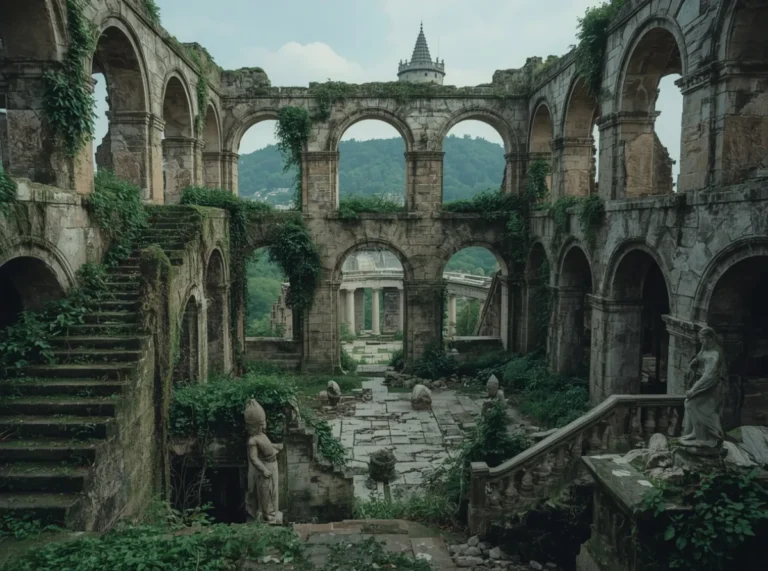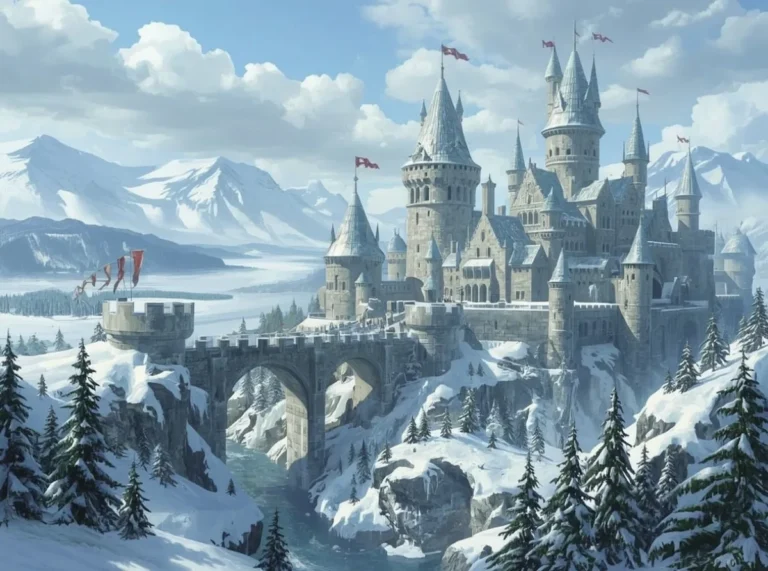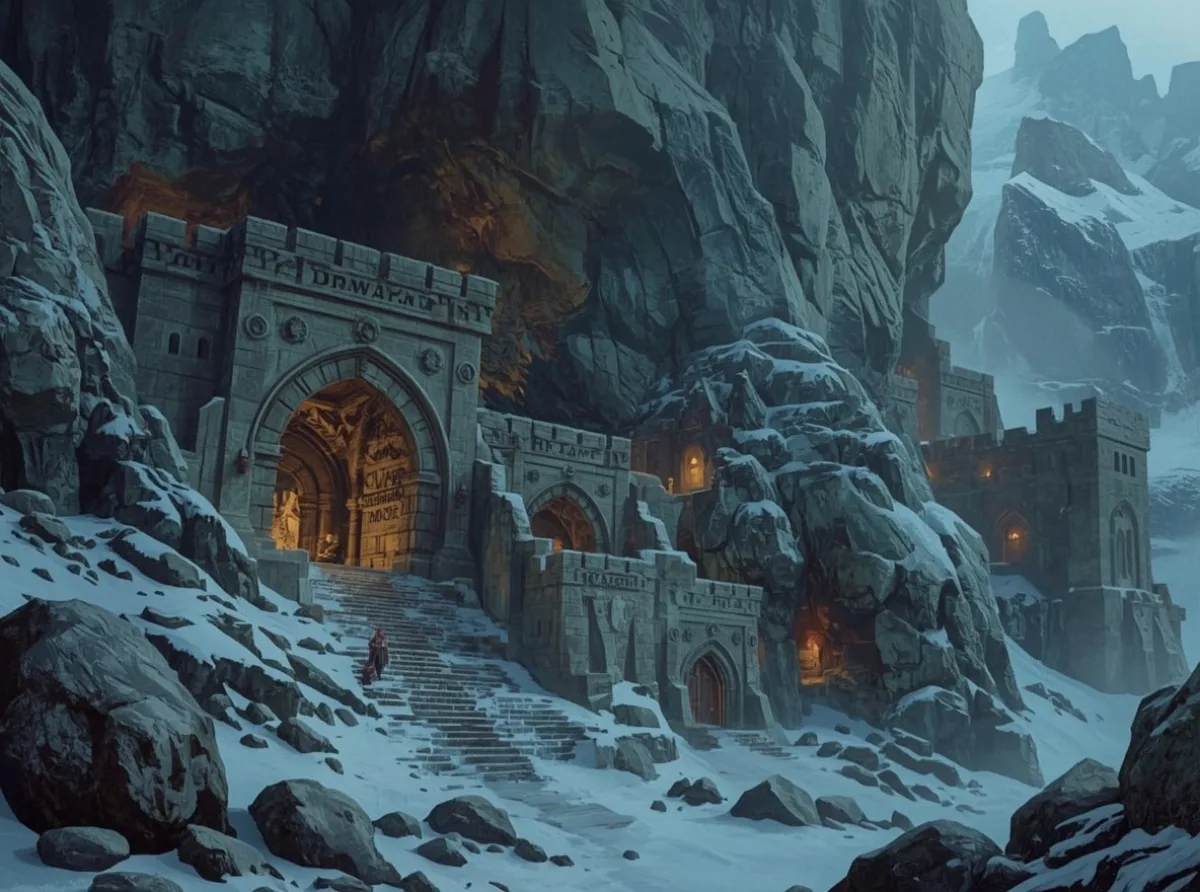
Mountain spirit names carry a very specific kind of weight. They feel old, grounded, and a little untouched by time. In a fantasy setting, that makes them ideal for dwarf kingdoms built beneath stone peaks, inside glacier-carved halls, or deep in mineral-rich caverns where the rock itself seems alive.
When a dwarven realm is tied to a mountain spirit, the name often needs more than toughness. It should suggest memory, endurance, and a bond between people and the land they shape. Some names sound regal and ancient. Others feel rugged, holy, or carved directly from the mountain’s own voice.
That balance matters because a kingdom name does a lot of work. It can hint at the culture, the gods, the climate, the architecture, and even the kind of stories told in its halls. A strong dwarven kingdom name with mountain spirit energy usually sounds like it belongs on maps, in songs, and in oral histories passed between generations.
Below are practical name ideas, grouped by mood and use. Some lean into grandeur. Others feel harsher or more sacred. Together, they give you a broad range of options for games, novels, campaigns, and worldbuilding notes.
What Makes a Dwarven Kingdom Name Feel Connected to a Mountain Spirit
A good mountain-spirit dwarven name usually combines two ideas: stone-based authority and natural presence. Dwarven names often sound compact, heavy, and deliberate. Mountain spirit names add something older and less human, like the mountain has its own will.
That mix can appear in a few ways:
- Names built around stone, peak, deep, root, vein, echo, or crest
- Names that suggest ancestry, oath, clan, hall, or crown
- Names that sound ancient without being difficult to pronounce
- Names that feel geographic, as if they came from a real mountain range
The best names often avoid sounding random. Instead, they feel rooted in a place or tradition. A mountain spirit kingdom should sound as though the mountain existed first, and the dwarves built their identity around it later.
When a kingdom name feels believable, it usually reflects both the land and the people: the mountain gives the shape, and the dwarves give it meaning.
Classic Mountain Spirit Dwarven Kingdom Names
These names fit traditional fantasy settings. They sound strong, clear, and easy to imagine on a map or in a lore book. They work well for kingdoms that value craft, law, lineage, and old mountain rites.
- Stonepeak Hold
- Karun Vault
- Highforge Crown
- Thunderridge Kingdom
- Ironvale Deep
- Gravelorn Hall
- Mount Karadun
- Runebreak Citadel
- Deepcrest Realm
- Everstone Kingdom
- Khazrul Peak
- Granite Anvil
- Stormhelm Reach
- Oldspine Holdfast
- Stonefather’s Rest
- Embermount Vaults
- Cloudcrag Throne
- Ironbrow Dominion
- Peakwarden Crown
- Blackstone Ascent
These names work because they are readable without losing fantasy flavor. “Stonepeak Hold” sounds like a fortress built into the mountain face. “Stonefather’s Rest” adds a mythic, ancestral tone that suggests the mountain spirit is treated like an elder or guardian.
If you want a kingdom to feel stable and traditional, this style is a strong starting point. It’s especially useful for settings where dwarves are respected builders, keepers of ore, or guardians of ancient passes.
Names with a Strong Sacred or Spiritual Tone
Some mountain spirit kingdoms feel less like political states and more like holy territories. In these names, the mountain is not just a place. It is a presence. The dwarves may see it as sacred, awake, or deserving of ritual respect.
- Temple of the Stone Veil
- Hearth of the Mountain Soul
- Peak of the Elder Echo
- Sanctum of Granite Breath
- Hall of the Sleeping Giant
- Throne of the Deep Root
- Shrine of the Iron Mountain
- Ridge of the Whispering Stone
- Vault of Ancestor Peak
- Keep of the Living Crag
- Spire of the Earth Spirit
- Chamber of the Hidden Hymn
- Monastery of Cold Stone
- Crown of the Silent Mountain
- Pass of the Old Breath
- Warder’s Shrine of Basalt
- Halls of the First Boulder
- Sanctuary of the Rooted Peak
- Temple-Hold of Karash Vein
- Stone Choir Kingdom
This group leans more mystical. The names often use words like shrine, sanctum, spirit, whispering, sleeping, and echo. Those terms make the mountain feel inhabited by something older than the kingdom itself.
These names fit stories where priests, rune-casters, or spirit-keepers play a major role. They also work well if the dwarves believe their kingdom survives only because the mountain still blesses them.
A spiritual kingdom name becomes more convincing when it sounds like people would speak it with care, not just use it as a label.
Rugged and Militarized Kingdom Names
Not every mountain spirit realm needs to sound peaceful. Some are harsh border kingdoms, built for war, siege defense, and survival against frost giants, tunneling beasts, or rival clans. For those settings, a harder naming style fits better.
- Ironcrag Bastion
- Stonewall Karak
- Gorepeak Dominion
- Frostanvil March
- Blackridge Stronghold
- Hammercrest Warhold
- Grimstone Citadel
- Shardmount Fortress
- Riftguard Kingdom
- Thundercrag Bastion
- Rockmaul Hold
- Bloodpeak Keep
- Granite Spear Crown
- Deepwall Marches
- Hearthbreak Fortress
- Coldspire Holdfast
- Stonegore Dominion
- Ironvein March
- Cragshield Realm
- Warpeak Hold
These names sound more defensive and martial. They use hard consonants and aggressive imagery. That makes them a natural fit for kingdoms that have survived many invasions or sit at dangerous mountain passes.
If the mountain spirit in your setting is stern rather than gentle, this style works well. The spirit may be seen as a guardian that demands discipline, sacrifice, and strength from its people.
Names That Feel Ancient and Legendary
Older fantasy settings often benefit from names that sound like they belong to forgotten empires. These names should feel a little more formal, with a sense of history that reaches back beyond living memory. They are useful when the kingdom is famous for lost relics, buried kings, or mythic mountain pacts.
- Kharadun of the First Peak
- Vornhelm the Deep Crown
- Arkath Stone Throne
- Durmora Mountain Seat
- Helgrin of the Rooted Sky
- Tharok the Ancient Hold
- Brumkar Vein Kingdom
- Orunthar Peak Empire
- Gravelith Crownlands
- Mordakru Stone Realm
- Harundell of the Old Crag
- Kelzorin Deep Hall
- Barak-Nor Mountain Kingdom
- Rathuun Peak Forge
- Gormakar Stone Legacy
- Ulthera Crag Throne
- Khazelor Elderhold
- Durnath Veil Crown
- Valkhrom Granite Empire
- Torvakar the Hidden Summit
These names feel bigger in scale. They suggest dynasties, old maps, and long-running borders. Some even sound like they could be translated from an older dwarf tongue into a more common language.
“Barak-Nor Mountain Kingdom” has that classic old-fantasy shape. “Torvakar the Hidden Summit” sounds like both a kingdom and a myth. This is the kind of naming style that works when the mountain spirit is tied to lineage, prophecy, or a founding king.
How Tone Changes the Impression of the Same Core Idea
The same basic ingredients can create very different results depending on tone. A kingdom centered on a mountain spirit can feel noble, eerie, holy, or brutal just by changing the wording. That is why small naming choices matter so much.
| Tone | Typical Words | Effect |
|---|---|---|
| Regal | crown, throne, realm, crownlands | Suggests authority and legacy |
| Sacred | sanctum, shrine, spirit, hymn | Feels ritualistic and reverent |
| Rugged | crag, iron, ridge, holdfast | Feels defensive and practical |
| Mythic | elder, sleeping, first, hidden | Feels ancient and story-rich |
Using only one tone can make a kingdom one-dimensional. Mixing two tones often gives better results. For example, “Ironvein March” feels both military and geological. “Sanctum of Granite Breath” feels sacred but still tied to solid mountain imagery.
That balance is often what makes a fantasy name memorable. It should hint at what the kingdom is, but not explain everything outright.
Soft, Powerful, and Mysterious Variations
Not every mountain spirit kingdom needs to sound loud. Some of the most interesting names are subtle. They suggest power quietly, which can be more effective than obvious grandeur.
Soft and Ancient-Sounding Names
- Greyvale Summit
- Hearthstone Hollow
- Old Cairn Crown
- Whisperpeak Hold
- Quietforge Realm
- Mistcrag Hall
- Stillstone Kingdom
- Gentle Ridge Vault
- Rooted Hollow
- Elderstone Pass
These names suit kingdoms with calmer traditions, deep memory, or a respectful relationship with the mountain spirit. They may not sound as intimidating, but they often feel more lived-in.
Powerful and Commanding Names
- Thunderforge Crown
- Peakbreaker Dominion
- Stonewrath Hold
- Ironsummit Realm
- Craglord Kingdom
- Basalt Throne
- Mountainheart March
- Granite Fang Keep
- Vastpeak Empire
- Ridgehammer Bastion
These names hit harder. They are useful if the mountain spirit is associated with power, judgment, or protecting the kingdom through force. They can also work for legendary war-kings or heavily fortified capital realms.
Mysterious and Unsettling Names
- Hollowmount Veil
- Echo of the Deep Crag
- Nightstone Hold
- Hidden Root Kingdom
- Vale of the Silent Peak
- Stone Below the Sky
- Crag of the Sleeping Voice
- Vein of the Lost Mountain
- Underpeak Crown
- Rimevault Hollow
Mysterious names are especially useful when the mountain spirit is not fully understood. Maybe it speaks only through tremors, dreams, or changing mineral veins. Maybe the kingdom has secrets it does not share with outsiders.
A mysterious kingdom name often leaves room for stories. It hints at danger, but it also invites curiosity.
Names Inspired by Mythic Geography
Some of the best fantasy kingdom names feel like they came directly from a map. They suggest slopes, ridges, passes, and hidden valleys. This makes the world feel more believable because the kingdom seems shaped by real terrain.
- Northcrag Kingdom
- Southpeak Hold
- Ironpass Realm
- Stormridge Crown
- Highvale Dominion
- Deepcrag March
- Eaststone Keep
- Frostpass Holdfast
- Westwall Kingdom
- Cloudridge Vault
- Blackpass Citadel
- Redcrag Crownlands
- Stoneway Marches
- Great Summit Throne
- Veinridge Realm
- Rimepeak Hold
- Old Pass of Karak
- Great Crag Dominion
- Shalecrest Kingdom
- High Gorge Hold
These names can be especially useful in campaigns where geography matters. If the kingdom controls a trade route, a mountain pass, or the only safe tunnel through a ridge, the name can reflect that role directly.
The mountain spirit angle can be added through lore rather than the name itself. For example, “Ironpass Realm” might be ruled by a clan that believes the pass is guarded by a sleeping stone ancestor.
Alternative Naming Patterns You Can Mix and Match
Fantasy naming often works best when you borrow structure, not just words. A few simple patterns can generate many different results without feeling repetitive.
Pattern 1: Material + Landform
- Ironcrag
- Goldpeak
- Basalt Vale
- Granite Ridge
- Stonecrest
- Silverpass
- Obsidian Hold
- Quartz Summit
This is one of the easiest ways to build a dwarven kingdom name. It feels grounded, and it immediately suggests the physical nature of the realm.
Pattern 2: Title + Landform
- Crown of the Peak
- Throne of the Crag
- Hold of the Deep Stone
- Realm of the Iron Ridge
- Dominion of the Silent Summit
- Keep of the Rooted Mountain
- Hall of the Elder Rock
- Seat of the Thunder Vein
This pattern sounds more formal. It works well for kingdoms with a ceremonial or imperial feel.
Pattern 3: Mythic Figure + Place
- Stonefather’s Peak
- Helm of the Mountain King
- Torin’s Crag
- Root-Mother’s Hold
- The Elder One’s Vault
- Grom’s Deep Hall
- Summit of the First Smith
- Peak of the Sleeping Giant
This structure adds character and legend. It implies the kingdom is linked to a founder, a deity, or a mountain spirit that has a name in the culture.
Choosing the Right Name for Your Setting
If your kingdom is stable, ancient, and respected, choose a name that sounds settled and ceremonial. If it is a border fortress, use something sharper and more defensive. If the mountain spirit is central to daily life, lean into sacred and echo-based language. If the spirit is feared, hidden, or only partly understood, use a name that feels mysterious or restrained.
It also helps to match the name to the role of the kingdom in the larger world. A trading kingdom may need a cleaner, more map-friendly name. A forgotten kingdom beneath the highest peak can handle something deeper and more mythic. A war kingdom should sound heavier and less ornate.
The best dwarven kingdom names do not try to do everything at once. They choose one strong impression and build around it.
That is usually enough to make the name feel real in play. A single well-chosen word can suggest ore dust in the halls, stone idols in the tunnels, and the slow patience of the mountain spirit watching over the clan.
Additional Name Ideas for Quick Use
If you need more options, here is another broad set with mixed tones. These can be used as kingdom names, capital names, old territorial titles, or sacred mountain realms.
- Cragborn Kingdom
- Ironroot Hold
- Stone Echo Realm
- Peakward Crown
- Deepanvil Dominion
- Rimecrag Holdfast
- High Root Keep
- Obsidian Ridge Realm
- Mount Vein Throne
- Hearthcrag Kingdom
- Old Iron Summit
- Granite Echo Hold
- Cloudstone Crown
- Basalt Root March
- Mountain Veil Realm
- Runecrag Citadel
- Stonewind Kingdom
- Frostvein Hold
- Thunderroot Vault
- Evercrag Throne
Some of these are straightforward. Others are slightly more poetic. That variety makes it easier to fit different kinds of mountain spirit lore, from noble ancestral guardians to old forces embedded in the rock.
A name like “Stone Echo Realm” feels calm and ancient. “Deepanvil Dominion” feels industrial and mighty. “Mountain Veil Realm” carries a more magical, hidden quality. Even a small shift in wording changes the entire identity of the kingdom.
Closing Name Direction
For fantasy dwarven kingdoms with a mountain spirit, the strongest names usually sound grounded first and magical second. They should feel like they belong to a people who know stone, honor old oaths, and listen carefully to the mountain beneath their feet.
That is what gives the names their depth. The best ones do not just sound dwarven. They sound lived in. They sound carved, inherited, and remembered.
Whether you prefer a sacred hold, a brutal fortress, or a legendary mountain empire, the right name can make the kingdom feel immediate the moment it appears on the page or map. And when the mountain spirit is part of the story, the name should always leave room for something older still resting under the stone.