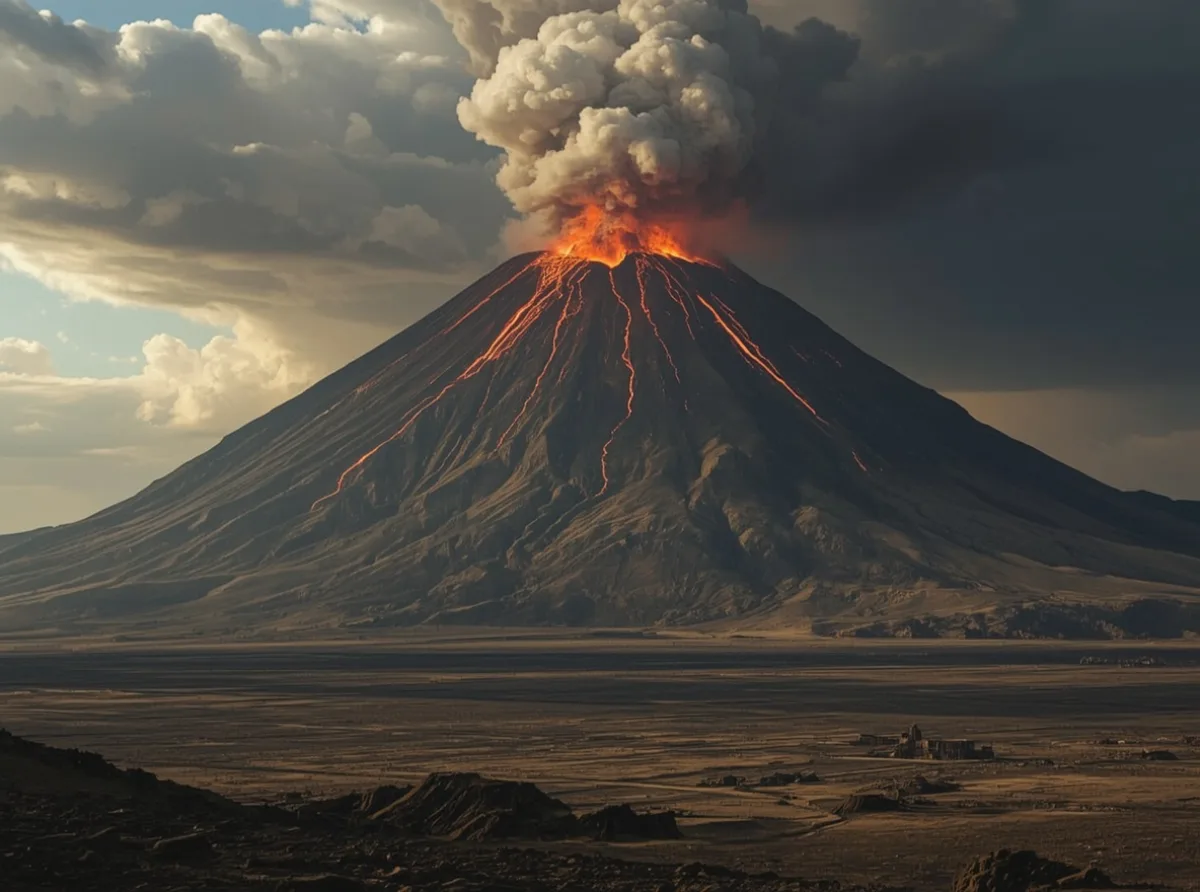
Fantasy volcano names do a lot of work in a few syllables. They suggest pressure, fire, old magic, buried kingdoms, and the feeling that something dangerous is waiting below the surface. A good name can make a mountain feel like a living threat instead of a piece of scenery.
That is why the strongest volcano names in fantasy often sound ancient, harsh, or strangely sacred. They can belong to a cursed region, a dragon’s resting place, a ruined empire, or the edge of a world map where no safe path exists. The right choice carries instant atmosphere.
Some names feel like warnings. Others sound ceremonial, as if people once worshipped the mountain before they learned to fear it. A few are elegant enough for high fantasy, while others are brutal and direct, built for dark worlds where ash and ruin shape every border.
What Makes a Fantasy Volcano Name Feel Powerful
A memorable volcano name usually has one or more of three qualities: sound, meaning, and image. The sound matters because hard consonants can make a name feel sharp and dangerous. Meaning matters because words tied to fire, ruin, blood, stone, or crown-like authority give the mountain a stronger identity. Image matters because the name should make you picture lava flows, black rock, choking smoke, or a caldera that looks old enough to have swallowed empires.
Names also work better when they feel tied to the world around them. A volcanic peak near a royal capital should not sound the same as a cursed crater in the wastelands. If the setting is ancient and magical, the name can be more ritualistic. If the setting is hostile or war-torn, the name can be blunt and severe.
A strong fantasy volcano name usually hints at danger before anyone sees the mountain. If the name feels hot, heavy, and old, the world around it becomes easier to believe.
Classic Fantasy Volcano Names With Destructive Power
These names fit traditional fantasy settings well. They feel usable in maps, lore books, quest logs, and spoken dialogue without sounding too modern. Many of them lean into fire, ash, and deep stone.
- Mount Varkhen
- Embermaw Peak
- Pyrecliff
- Thunderslag Caldera
- Blackflare Ridge
- Mount Kharos
- Ashfang Mountain
- Crimson Spire
- Firevault Summit
- Molten Crown
- Scoria Vale
- Brimstone Seat
- Mount Dravon
- Cinderfall
- Inferno Rest
- Redstone Hollow
- Charspire
- The Burning Hollow
- Rift of Ashes
- Lavaworn Peak
These names work because they are easy to remember and easy to place on a fantasy map. Embermaw and Ashfang feel aggressive, almost predatory. Molten Crown and Crimson Spire sound more regal, which can be useful if the volcano sits near a kingdom with old traditions.
In roleplay or tabletop settings, names like Pyrecliff and Cinderfall are practical because they are descriptive without being plain. They give players enough information to imagine what kind of place this is. There is heat, there is danger, and there is a history of destruction built into the name.
Darker and More Epic Volcano Names
Some worlds need volcano names that feel larger, harsher, and less civilized. These names are better for apocalyptic fantasy, demon realms, shattered continents, or stories where the volcano has a role in the balance of power. They should sound like places people avoid unless they are desperate, fearless, or cursed.
- Hellscar Mountain
- Vulkrath
- Obsidian Furnace
- The Red Wound
- Maelforge Peak
- Mount Oathbreaker
- Bloodfire Crater
- Gravesmoke Summit
- Ash Dominion
- Ruincrest
- The Sundered Flame
- Nightforge Volcano
- Doomspine
- Blight Ember Caldera
- Iron Pyre
- Wyrmfire Ridge
- Charred Throne
- Vengeance Crater
- The Fallen Forge
- Ragevent Peak
These names hit harder because they carry conflict inside the wording. Oathbreaker suggests betrayal. Ruincrest suggests a place where collapse is already part of the landscape. Bloodfire and Gravesmoke give the volcano a supernatural edge, as if it has fed on more than stone.
When a volcano name sounds like a punishment, it becomes more than terrain. It turns into a story event waiting to happen.
If you are building a villain stronghold, an endgame dungeon, or a world event tied to cataclysm, these names are especially useful. They have weight. They also leave room for legends, such as a destroyed city under the lava or a seal buried deep in the crater.
Ancient and Mythic Volcano Names
Not every destructive volcano needs to sound openly hostile. Some of the best fantasy names feel old enough to have been spoken by long-gone priests. These names work well in settings with forgotten gods, lost empires, and sacred mountain lore. They often sound more ceremonial than dangerous at first, but the danger is still there.
- Mount Aurelth
- Kaelthara
- Vathurian Peak
- Temple of the Molten Sun
- Orathis Caldera
- Fire of Halvor
- Thalara’s Breath
- Eldrune Volcano
- Myrathis Spire
- Solkar Crater
- Volcaryn
- Mount Zareth
- Arkan Ember
- Pyroneth
- Valdros Hearth
- Rhalor’s Crown
- Jorathean Firepeak
- Seraphic Furnace
- Ancient Cinder Gate
- Khazelor
This style works because it feels rooted in legend rather than pure danger. Temple of the Molten Sun sounds like a place of worship, but also like a place where people vanished. Rhalor’s Crown sounds royal, which can hint at a fallen ruler or a god-kings’ burial site. Eldrune and Khazelor feel like names from older languages, especially if the world has a strong history of runes, dragons, or elemental magic.
These names are useful when the volcano is tied to prophecy, pilgrimage, or an old magical event. They do not need to shout. Their strength comes from age and implication.
Best Volcano Name Patterns for Destructive Settings
Fantasy volcano names often follow patterns that make them feel believable. Once you notice these patterns, it becomes easier to create your own names that fit the world you are building. Some patterns are direct and physical. Others are symbolic or ceremonial.
| Pattern | Effect | Examples |
|---|---|---|
| Fire + body part | Feels predatory or alive | Embermaw, Ashfang, Bloodjaw |
| Stone + power word | Feels heavy and grounded | Charspire, Iron Pyre, Ruincrest |
| Royal or sacred term + fire | Feels mythic or ceremonial | Molten Crown, Charred Throne, Temple of the Molten Sun |
| Threat word + place word | Feels direct and dangerous | Hellscar Mountain, Vengeance Crater, Gravesmoke Summit |
| Invented syllables with harsh sounds | Feels ancient and fantasy-specific | Vulkrath, Khazelor, Pyroneth |
These patterns are useful because they preserve tone without making the name too generic. A name like Bloodfire Crater is easy to understand immediately. A name like Kaelthara needs context, but that can be an advantage if you want the mountain to feel mysterious or lost in time.
One practical rule: if the volcano is the center of the story, a stronger and more unique name usually helps. If it is one location among many, a simpler name may be easier for players to remember. Both approaches can work.
Volcano Names by Tone and Atmosphere
Different fantasy worlds ask for different moods. A volcanic region in a bright hero’s journey should not feel the same as one in a grim political war. The tone in the name helps the setting feel consistent.
1. Brutal and threatening
- Hellscar Mountain
- Bloodfire Crater
- Doomspine
- Ragevent Peak
- Gravesmoke Summit
- Vengeance Crater
- Blight Ember Caldera
- Mount Oathbreaker
- The Red Wound
- Ruincrest
These names make the volcano feel like a hazard first and a landmark second. They are especially effective in worlds where nature itself is hostile.
2. Regal and ancient
- Molten Crown
- Charred Throne
- Rhalor’s Crown
- Temple of the Molten Sun
- Vathurian Peak
- Orathis Caldera
- Eldrune Volcano
- Arkan Ember
- Seraphic Furnace
- Fire of Halvor
These names feel more connected to dynasties, old gods, or magical inheritance. They are strong choices if the volcano plays a role in a kingdom’s identity.
3. Wild and elemental
- Pyrecliff
- Cinderfall
- Ashfang Mountain
- Blackflare Ridge
- Lavaworn Peak
- Scoria Vale
- Firevault Summit
- Inferno Rest
- Embermaw Peak
- Charspire
These names feel more natural and physical. They are great when you want the volcano to seem like part of the land rather than a symbol of a larger power.
Subtle Names vs Dramatic Names
Subtle volcano names usually rely on texture, geography, or a single strong image. Dramatic names lean into emotional force and immediate danger. The choice depends on how much attention you want the volcano to command.
Subtle names include Scoria Vale, Redstone Hollow, Firevault Summit, and Vulkrath. They feel compact and versatile. These names work well when the volcano is part of a broader map and should not dominate every conversation.
Dramatic names include The Sundered Flame, Bloodfire Crater, Temple of the Molten Sun, and The Red Wound. They are useful when the volcano is legendary, feared, or deeply tied to the plot.
A subtle name often feels more real on a map. A dramatic name often feels more memorable in dialogue. The best choice depends on how the world uses the location.
There is also a middle ground. Names like Embermaw, Blackflare, and Iron Pyre are strong without becoming overly theatrical. They balance clarity and atmosphere well.
How to Create Your Own Fantasy Volcano Name
If you want to build a new name instead of choosing one from a list, it helps to start with the mood. Ask whether the volcano should feel ancient, royal, cursed, predatory, or sacred. That decision makes the rest of the process easier.
- Use one fire-related word and one stone-related word.
- Combine a danger word with a place word.
- Borrow sounds from older fantasy languages, but keep the name pronounceable.
- Give the volcano a title if it matters to the lore.
- Let the name reflect how people in the world speak about it.
Examples help make this clearer. Ashfang uses a sharp, threatening image. Molten Crown sounds symbolic and high fantasy. Vathurian Peak feels more like an old place name that has survived for centuries. None of these approaches is wrong. They simply create different effects.
If the volcano is meant to feel destructive, words like burn, ash, cinder, brimstone, scoria, pyre, char, and forge are useful building blocks. For a more aggressive tone, you can pair them with maw, fang, wound, doom, rift, or throne.
Names That Fit Specific Fantasy Uses
Different games and stories often need different kinds of volcano names. A campaign region, a boss arena, and a sacred pilgrimage site will not always use the same naming style. Matching the use case keeps the world feeling coherent.
For RPG maps and exploration zones
- Pyrecliff
- Scoria Vale
- Blackflare Ridge
- Lavaworn Peak
- Cinderfall
- Firevault Summit
- Ruincrest
- Mount Kharos
For ancient lore and prophecy
- Temple of the Molten Sun
- Orathis Caldera
- Fire of Halvor
- Kaelthara
- Eldrune Volcano
- Thalara’s Breath
- Khazelor
- Rhalor’s Crown
For dark fantasy and endgame threats
- Hellscar Mountain
- Bloodfire Crater
- The Red Wound
- Doomspine
- Gravesmoke Summit
- Vengeance Crater
- Blight Ember Caldera
- Mount Oathbreaker
These groupings are useful because they keep your naming choices aligned with the role the volcano plays. A location name should sound like it belongs to the same world as the quests, factions, and legends around it.
Alternative Variations and Related Naming Styles
Not every fantasy volcano needs the word volcano in the title. Sometimes a place sounds stronger when the type of landform is implied rather than stated. That approach can make a map feel more natural.
You can also vary the name by adding regional or cultural flavor. A dwarf-made world may favor forge language, while an elven empire might choose a ceremonial title with celestial imagery. A brutal wasteland might use shorter, harsher sounds and less decoration.
- Forge-related: Iron Pyre, The Fallen Forge, Nightforge Volcano
- Royal-related: Molten Crown, Charred Throne, Rhalor’s Crown
- Predatory: Embermaw, Ashfang Mountain, Bloodjaw
- Ritual-related: Temple of the Molten Sun, Fire of Halvor, Seraphic Furnace
- Ruin-related: Ruincrest, The Red Wound, Sundered Flame
These variations help when you need more than one volcano in the same setting. If every mountain uses the same naming pattern, the world can start to feel flat. Small changes in structure make each landmark easier to tell apart.
Consistency matters, but so does contrast. A volcanic chain feels more believable when one peak sounds sacred, another sounds brutal, and a third sounds like a forgotten name from history.
That contrast also helps with storytelling. One volcano might be known for eruptions. Another might be dormant but sealed by magic. Another could be the source of rare minerals or forbidden relics. The name can quietly tell you which one matters most.
When a fantasy volcano is named well, it becomes part of the world’s memory. Embermaw sounds hungry. Molten Crown sounds like power. The Red Wound sounds like a scar that never healed. Those impressions matter because they stay with players and readers long after the map closes.