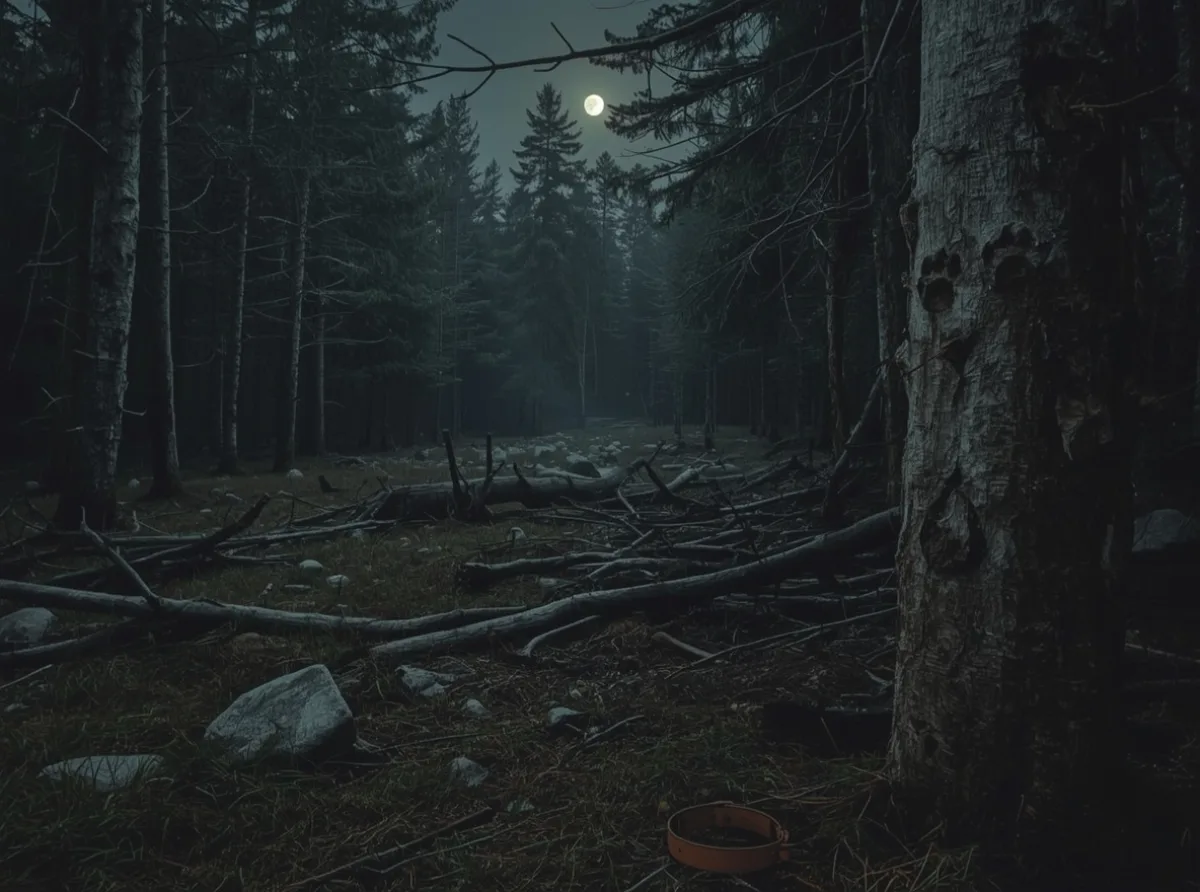
Werewolf names work best when they sound like they could belong to a creature that lives between two worlds. They need weight, but not always the same kind of weight. Some names feel raw and feral. Others feel ancient, disciplined, or strangely noble.
That range matters because a werewolf is not just a monster with claws. In fantasy settings, roleplay servers, tabletop campaigns, and game worlds, the name often hints at the character’s origin, control, and place in the pack. A sharp name can suggest a lone hunter. A heavier name can suggest an alpha. A softer but eerie name can fit a cursed soul who still remembers being human.
The strongest werewolf names usually carry motion in them. They sound like running, hunting, howling, or striking. Even when they are calm on the surface, there is something restless underneath. That is what gives them wild energy.
What Makes a Werewolf Name Feel Wild
A werewolf name does not need to shout to feel powerful. In many cases, the best names are the ones that suggest danger without trying too hard. They sound natural in a fantasy world, but they still feel tense and alive.
Several things usually help:
- Hard consonants: Names with k, r, t, g, and v often feel sharper and more aggressive.
- Strong syllable shapes: Short, direct names feel fast. Longer names can feel older and more mythic.
- Nature links: Moon, ash, fang, storm, wolf, blood, and pine all fit the mood well.
- Pack energy: Names can sound territorial, loyal, dominant, or solitary depending on the tone.
- Human and beast balance: A name with some elegance can feel more believable than one that is only brute force.
That balance is why some werewolf names stick in memory. They feel like they belong to a creature with instincts, history, and scars. The name is not just a label. It is part of the character’s shape.
A good werewolf name usually sounds like it could be spoken in a warning, a ritual, or a challenge.
Common Moods Behind Werewolf Names
Different names create different impressions, even when they all fit the same fantasy creature. A name can lean savage, noble, cursed, ancient, or territorial. Choosing the right mood makes a werewolf feel more specific and more real.
1. Savage and untamed
These names feel quick, rough, and aggressive. They work well for lone hunters, wild pack members, or characters who resist human life completely.
- Raxen
- Brakk
- Vorn
- Thorne
- Kraven
- Ulrik
- Draven
- Garrik
- Rohk
- Varek
- Harkin
- Skarr
- Droven
- Wulfric
- Torven
- Kaelth
These names tend to feel best when they are short or heavily consonant-driven. They sound like they belong to someone who runs through dark woods rather than stays in a village for long.
2. Ancient and mythic
These names suggest old bloodlines, cursed houses, and long memories. They work well in darker fantasy worlds where werewolves are tied to prophecy, fallen kingdoms, or forgotten gods.
- Fenris
- Lycor
- Morvane
- Alrik
- Selvyn
- Orinwald
- Varos
- Helkar
- Ruvan
- Eldric
- Thyren
- Corvax
- Vhalor
- Maelor
- Roderic
- Ulthorn
Names in this group often feel like they belong in old records. They have a sense of age that makes the character seem larger than one transformation cycle.
3. Dark and cursed
Some werewolf names feel less like a warrior’s title and more like a warning. These are good for characters burdened by a curse, guilt, or a split identity.
- Noctis
- Ashven
- Morlen
- Veydr
- Darkan
- Lunor
- Grimwald
- Silvar
- Caedran
- Nyxen
- Hollow
- Ravik
- Orren
- Velkan
- Duskrow
- Marrow
These names often fit characters with a tragic edge. They are especially useful in roleplay when the werewolf is fighting the beast instead of embracing it.
Name Ideas by Character Type
Werewolf names feel stronger when they match the character’s role. A brutal enforcer should not sound exactly like a wise alpha. A cursed wanderer should not sound identical to a proud pack leader. The right type of name helps the whole character come together.
Pack leaders
Pack leaders often need names that sound steady, dominant, and authoritative. They can be strong without being overly chaotic.
- Alaric
- Brannoc
- Varek
- Torvald
- Gavran
- Rhettan
- Wolfran
- Korrin
- Thalen
- Durik
- Oskar
- Fenward
- Jarvik
- Corvin
- Ulven
- Ragnar
These names feel controlled. They suggest a leader who does not need to prove everything with noise.
Lone hunters
Lone hunters usually benefit from names that feel fast and sharp. The best ones suggest distance, caution, and independence.
- Rook
- Kael
- Voss
- Dray
- Kellan
- Riven
- Torc
- Vale
- Rusk
- Hale
- Bran
- Jorvik
- Silas
- Grenn
- Wyatt
- Cairn
These names often work well when the character moves alone through forests, ruins, or borderlands. They feel practical and dangerous at the same time.
Cursed or conflicted werewolves
For characters who still cling to their human side, softer or more layered names can work better. They do not have to sound weak. They just need a little more nuance.
- Ember
- Rowan
- Lucan
- Elric
- Maren
- Tavian
- Cedric
- Arden
- Leorin
- Soren
- Veyl
- Ronan
- Alden
- Merek
- Theron
- Darian
These names work well when the character’s identity is split. They sound human enough to keep empathy in the design, but they still hold a fantasy edge.
Names That Sound Fierce and Physical
Some werewolf names are built around pure force. They feel like teeth, muscle, and movement. If the character is meant to look unstoppable, these names can land well.
- Fang
- Claw
- Rend
- Grave
- Howl
- Ironfang
- Bloodrun
- Stonepaw
- Wildor
- Razor
- Nightjaw
- Blackfang
- Rage
- Stormclaw
- Dire
- Wolfheart
- Skullrun
- Moonrend
These names are more direct than many fantasy names, and that can be useful. They work especially well for enemies, raid bosses, arena characters, and mythic beasts in games.
When a name leans too hard into violence, it can lose personality. Adding one thoughtful word or one clean sound often makes it feel stronger, not weaker.
Names with Moonlit Energy
The moon is one of the most common symbols in werewolf naming, but it still works because it fits the lore naturally. Moon-based names can feel eerie, beautiful, or sacred depending on how they are shaped.
- Lunara
- Moonveil
- Selene
- Nightmoon
- Caelum
- Moonshade
- Virella
- Silverhowl
- Luneth
- Orlune
- Miremoon
- Vesper
- Moonscar
- Selenor
- Noctlune
- Hallowmoon
- Miravane
These names tend to feel more magical than brutal. They are good for werewolves tied to prophecy, celestial cycles, or a family curse that activates under the full moon.
Why moon names work so well
The moon already carries the right emotional tone. It suggests change, control, secrecy, and cycles. That makes it easy to connect to a werewolf without needing extra explanation.
- They sound mystical without becoming vague.
- They fit both male and female characters easily.
- They can be elegant in noble settings or eerie in horror settings.
- They support lore about transformation, timing, and hidden power.
Names Inspired by Forests, Wolves, and Wilderness
Natural imagery gives werewolf names a grounded feeling. Forests, weather, stone, and animals all work because they connect the creature to instinct and terrain.
- Pine
- Greybrook
- Ravenwood
- Stormfen
- Ashgrove
- Wildpine
- Blackmoor
- Bracken
- Fenwood
- Wolfen
- Hawkridge
- Mossveil
- Thornbark
- Redfen
- Oakran
- Grimmere
- Stonewolf
- Wilder
These names feel less like costume pieces and more like parts of a landscape. They are especially useful when the werewolf belongs to a clan that lives deep in the wild or protects a border region.
Best patterns in wilderness names
Nature-based names often work because they combine a familiar word with a darker second layer. For example, Ravenwood feels more mysterious than just Raven. Stonewolf sounds heavier than Wolf. The pairing creates tension.
That tension helps the name feel like it belongs in a fantasy world rather than just a wildlife reference. It also makes it easier to adapt names across classes, factions, and story styles.
Elegant Names with Hidden Teeth
Not every werewolf has to sound rough. In some settings, a beautiful or refined name can make the character feel even more unsettling. The contrast works well for aristocratic cursed bloodlines, high fantasy packs, or characters who hide their beast nature behind manners.
- Valorian
- Seraphin
- Adrian
- Caelan
- Elyndor
- Marcell
- Lucian
- Virel
- Iskander
- Dorian
- Aurel
- Renwick
- Thorian
- Selorian
- Elowen
- Vaelric
These names are useful when you want the werewolf to feel cultured, dangerous, or secretly cursed. They often fit characters who move through courts, guilds, or old noble houses.
A polished name with a violent transformation can create a strong contrast. That contrast often makes the character easier to remember.
How to Choose the Right Werewolf Name
The best way to choose a werewolf name is to start with the character’s mood, not just the sound. A name should match the way the character behaves before and after the transformation. It should also fit the world around them.
Ask three simple questions
- Does the character feel more wild or more controlled?
- Are they feared, respected, hunted, or misunderstood?
- Should the name sound ancient, sharp, noble, or cursed?
If the answer leans toward wild and raw, go with something shorter and harder, like Raxen or Vorn. If the answer leans toward tragic or mysterious, choose something like Lunor, Caedran, or Selene. If the character feels like a legend, a heavier name such as Fenris or Torvald may fit better.
Think about the sound in roleplay or chat
In games and roleplay communities, a name has to be practical too. It should be easy to say, easy to type, and easy for other players to remember. Overly complex names can lose impact if they are hard to use in conversation.
- Short names are fast and memorable.
- Medium-length names often feel balanced.
- Long names work best when they have strong rhythm or clear lore value.
That is why names like Rook, Varek, Lucan, and Fenris stay useful in many different fantasy setups. They are simple enough to use often, but strong enough to leave an impression.
Subtle Variations on Strong Werewolf Names
If a name feels close to the right idea but not quite there, small changes can shift the tone. One letter, one ending, or one extra syllable can move a name from brutal to noble or from human to monstrous.
| Base Name | Variation | Tone Shift |
|---|---|---|
| Vorn | Vornek | Heavier, rougher |
| Rook | Rukan | More fantasy-like |
| Lucan | Lucanor | More elegant and old-world |
| Fen | Fenris | More mythic and powerful |
| Riven | Rivark | Sharper, more aggressive |
| Selene | Selenor | More masculine or neutral |
These kinds of adjustments help when a name is almost right but still needs more identity. They are also useful for making a common name feel custom without becoming hard to read.
More Werewolf Names with Wild Energy
Some names do not fit neatly into one category, but they still carry the right pulse. They feel unpredictable, a little dangerous, and strong enough to stand on their own.
- Ashven
- Varken
- Rhyll
- Threx
- Orric
- Wynter
- Kaelos
- Graven
- Morik
- Talven
- Rorik
- Silven
- Jarek
- Veylan
- Corrik
- Drath
- Halven
- Varkis
- Toren
- Branik
These names are flexible. They can work for players who want something original without leaving the werewolf theme behind.
What Makes a Werewolf Name Feel Believable in Fantasy
Believability usually comes from consistency. If the world has old kingdoms and sacred forests, a name like Fenris or Alaric fits more naturally than something that sounds modern or too decorative. If the world is harsher and more savage, names like Raxen or Brakk may feel better.
The name should also match the character’s social position. A pack alpha might carry a more commanding name. A young cursed wanderer might carry something simpler. A werewolf tied to an ancient bloodline might have a name that sounds older than the people around them.
Believable fantasy names usually sound like they came from a place with rules, traditions, and old stories.
That is why werewolf names often work best when they feel slightly grounded. Even the most dramatic ones should still sound like someone could say them in a real conversation inside the world.
Final Name Sets for Quick Use
If you want names that are ready to drop into a character sheet, here are a few more grouped by general energy.
Fast and feral
- Rook
- Vorn
- Raze
- Thorn
- Brakk
- Rend
- Krell
- Jax
- Drax
- Wulf
- Rusk
- Hark
Ancient and commanding
- Fenris
- Torvald
- Alaric
- Corvin
- Ulrik
- Ragnar
- Maelor
- Thalen
- Varos
- Eldric
- Wolfric
- Helkar
Moon-touched and mystical
- Selene
- Luneth
- Vesper
- Noctis
- Orlune
- Moonshade
- Lunara
- Selenor
- Nyxen
- Hallowmoon
- Moonveil
- Miravane
Each of these groups carries a different flavor, but all of them keep the same core idea: a werewolf name should feel alive. It should suggest instinct, danger, and motion. When it does that, the character feels ready to step out of the forest and into the story.