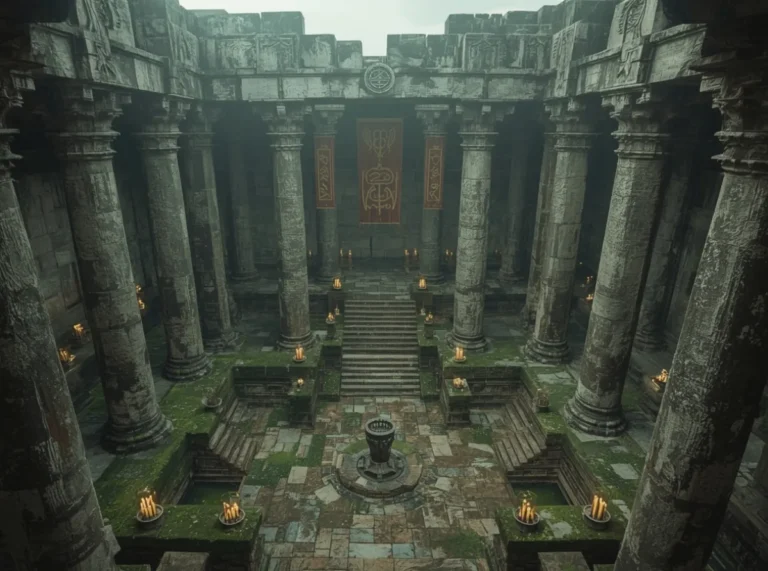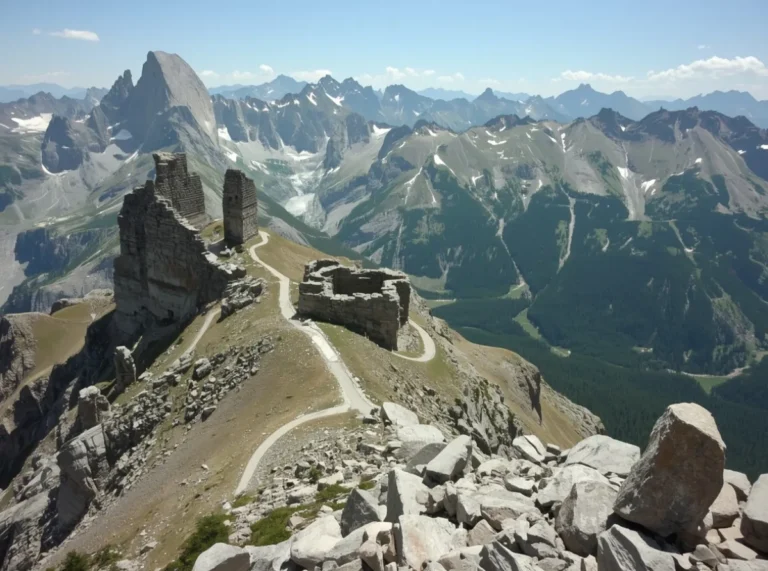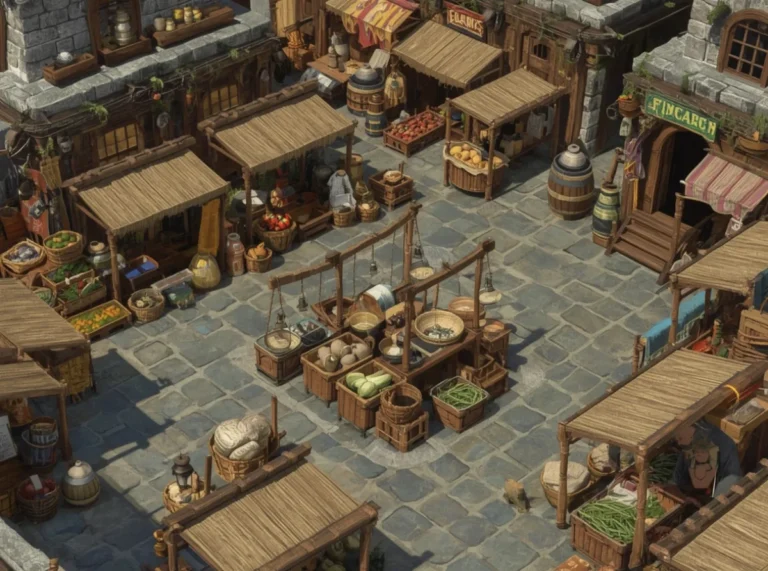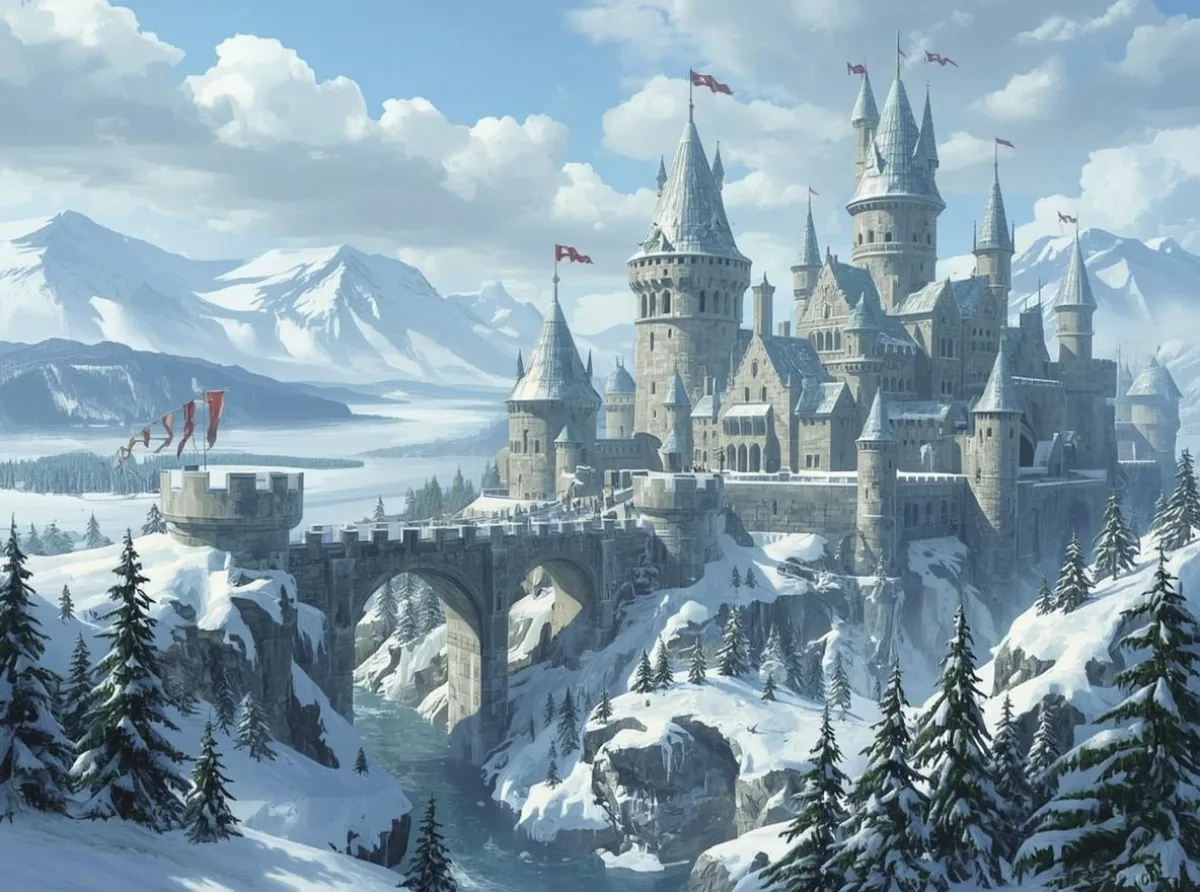
A frozen fantasy kingdom feels different the moment its name is spoken aloud. The right words can make a place seem distant, ancient, and half-buried under snowdrifts that never melt. A strong name does more than label a map. It hints at weather, history, politics, and the kind of silence that hangs over ice-covered towers.
Names in this setting often carry a crisp sound, a regal shape, or a hint of old magic. Some feel like they belong to a northern empire with long winters and strict traditions. Others sound more mysterious, as if the kingdom rose from an old glacier and still remembers the age before fire. The best ones usually suggest cold without saying “cold” too directly.
In fantasy worlds, a snow kingdom name works best when it creates a clear image fast. It should feel believable enough for a game, story, or roleplay setting, but still carry enough beauty to stand out. That balance is what makes these names memorable.
What makes a snow kingdom name feel immersive
A name with a frozen atmosphere often uses hard consonants, long vowel sounds, or soft flowing syllables that feel like drifting snow. The sound matters because readers and players react to it before they think about meaning. A kingdom called Frostmere feels colder than one called Whitegarden, even if both are fictional.
Meaning also plays a large role. Words tied to ice, winter, crystal, aurora, glacier, blizzard, and snow tend to create instant atmosphere. But the strongest names usually go a step further. They combine cold imagery with a sense of nobility, danger, or ancient culture.
A good snow kingdom name usually suggests three things at once: climate, identity, and mood. If it only gives you one, it can feel flat.
That is why names built from simple weather terms often need a second layer. A cold place might be royal, forgotten, sacred, cursed, or fiercely protected. Adding that emotional layer makes the kingdom feel like a real part of a fantasy world instead of a random winter label.
Atmospheric naming patterns that work well
Frozen kingdoms often follow patterns that feel natural in fantasy settings. Some sound Nordic or northern. Some feel elven and refined. Others lean toward ancient, ominous, or mythic. You do not need to force a strange spelling to make them feel original. In many cases, a clean structure works better than a complicated one.
- Nature + noble suffix: Frosthaven, Snowcrown, Iceborne Vale
- Mythic + location: Aurorafall, Glacierspire, Wintermourn
- Simple compound names: Whitepeak, Stormice, Coldmere
- Old-world regal names: Argent Fjord, Northfall Court, Crystalreach
The most effective names often have a clear visual edge. You should be able to imagine the walls, roads, rooftops, and sky immediately. If the name gives you snowfields, torchlight, and frozen stone in one glance, it is doing its job well.
Kingdom names with a regal frozen feel
These names suit empires, royal capitals, and kingdoms that feel controlled rather than wild. They work especially well when the kingdom has a formal court, a long dynasty, or an old tradition of winter law.
- Frostcrown
- Glacierhold
- Wintermere
- Icevale Throne
- Snowhaven
- Crystalholm
- Northspire
- Whitecairn
- Silvertundra
- Frostbarrow
- Stormhelm
- Snowreach
- Ivory Fjord
- Coldthorn Court
- Ashenice Realm
- Northwatch Kingdom
- Frostgate
- Moonice Dominion
- Wintercrest
- Glacial Crown
- Whitefort
- Arctic Bloom Court
- Hailstone Throne
- Silverfrost Empire
- Iceborne Palace
These names feel structured and authoritative. They often work best for kingdoms that value order, tradition, and visible strength. A name like Frostcrown sounds like a place where the royal family built their identity around survival.
Royal frozen names usually sound best when they are clean and direct. Too many extra syllables can weaken the sense of authority.
Mysterious and ancient snow kingdom names
Some frozen kingdoms feel older than their own legends. They may lie behind mountain passes, buried under endless snowfall, or hidden beneath layers of ice. Names for these places often sound quieter, stranger, and more mythic.
- Velkyr Ice
- Eirnoth
- Thaldrin Snow
- Kaelvra Glacier
- Orvendale
- Sylvarn Frost
- Myrkael Reach
- Velorian Winter
- Hollowice
- Runebluff
- Vaelorn
- Driftmourn
- Ebon Snowfield
- Ylvara
- Old Frostmere
- Skarnveil
- Moonrift Glacier
- Halcyon Ice
- Veylstrom
- Coldruin
- Arvenhollow
- Silvershard Expanse
- Wraithsnow
- Thornice Vale
- Gloamfrost
These names work well when the kingdom has forgotten temples, sealed libraries, or buried relics. They carry a sense of age without needing to explain the history directly. A name like Coldruin suggests a place shaped by loss, while Halcyon Ice feels eerie in a calmer, more restrained way.
Many of these names sound useful for ruins, lost capitals, or remote lands at the edge of a map. They can also fit kingdoms that once held great power and now survive only as a shadow of themselves.
Bright, elegant, and crystalline naming ideas
Not every frozen kingdom needs to feel harsh. Some are beautiful in a polished, almost luminous way. These names work for places with glittering towers, clear lakes under ice, and high culture shaped by winter light.
- Crystalveil
- Aurorafrost
- Snowlily Court
- Ivoryglade
- Brightice Kingdom
- Shiverglass
- Mooncrystal Realm
- Frostbloom
- Pearlwinter
- Silent Aurora
- Whitepetal Hold
- Glasssnow Vale
- Silverpetal Crown
- Luminfrost
- Iceglow Reach
- Winterlace
- Clearfrost
- Skycrystal Court
- Snowpetal Dominion
- Mirrorice
- Opaline Winter
- Frozen Dusk Palace
- Hollow Pearl
- Aurorawhite
- Gleamfrost
These names feel softer and more refined. They fit kingdoms where beauty matters as much as survival. If the culture is built around artistry, diplomacy, or sacred tradition, this kind of naming style can make the setting feel more distinct.
Names like Winterlace and Shiverglass also work well because they suggest texture. That helps the place feel tangible. You can almost picture carved ice arches, polished stone, and long white bridges crossing frozen water.
Darker names for harsh or dangerous frozen realms
Some snow kingdoms are not peaceful at all. They may be ruled by strict monarchs, haunted by old wars, or surrounded by predators and cursed terrain. In those cases, the name should feel colder in a more threatening way.
- Bleakfrost
- Gravewinter
- Blackice Dominion
- Hollowglace
- Windreach Grave
- Nightfrozen Keep
- Skullsnow Vale
- Icewraith Court
- Darkshard Realm
- Gloomfrost
- Silent Blight
- Rimebane
- Frostgrave
- Shatterwinter
- Boneglacier
- Witchsnow
- Shadowice
- Wintermaw
- Northgrave
- Chillrend Kingdom
- Bloodfrost Hold
- Deadsnow Expanse
- Cinderice
- Oathbreak Fjord
- Blackrift Snowlands
These names create immediate tension. They suggest kingdoms built on survival, fear, or old violence. A place called Gravewinter does not need extra explanation. The name already tells you the air feels heavy.
When a frozen kingdom is meant to feel dangerous, the name should hint at damage, not just temperature. Words like grave, bane, maw, and shard add that edge fast.
Nordic-inspired and northern-feeling names
Some fantasy settings borrow a northern sound without going full historical imitation. That usually gives the name a grounded, adventurous feel. These are especially useful for mountain kingdoms, fjord cities, and border realms that live between civilization and wilderness.
- Hrothval
- Skeldar Frost
- Vaerund
- Jorvann
- Eldskar Winter
- Runafjord
- Thorsen Vale
- Brannice
- Fenrisholm
- Ulmara
- Vargfrost
- Haldren Snow
- Isenmark
- Nordhollow
- Svalgar
- Bjornveil
- Kaldrun
- Rimefjord
- Alvkar
- Stormrune
- Hvitfall
- Skyrime
- Draugmere
- Frostvar
- Valdheim
These names feel sturdy and practical. They often work well for warrior cultures, clan kingdoms, and frontier societies. They also fit games where players want a world that feels familiar enough to understand but still clearly fantasy.
A name like Isenmark sounds like a guarded borderland. Rimefjord immediately paints a coastline lined with ice. Those small cues matter because they help the kingdom feel placed in a real geography.
How to choose the right tone for your kingdom
The best name depends on what the kingdom represents in the world. A bright crystal realm should not sound like a war-torn wasteland. A lost ice empire should not feel too cheerful. Tone keeps the name aligned with the setting.
| Atmosphere | Useful sounds | Examples |
|---|---|---|
| Royal and formal | crown, hold, throne, court | Frostcrown, Wintercrest, Snowhaven |
| Ancient and mystical | veil, rune, hollow, gleam | Runebluff, Gloamfrost, Velkyr Ice |
| Bright and elegant | crystal, aurora, pearl, glass | Crystalveil, Aurorawhite, Mirrorice |
| Dark and dangerous | grave, bane, maw, blood | Gravewinter, Rimebane, Bloodfrost Hold |
| Northern and rugged | fjord, mark, heim, vale | Rimefjord, Isenmark, Valdheim |
A useful rule is to keep the name aligned with the social mood of the place. If the kingdom is ceremonial and proud, choose a smoother, stronger shape. If it is isolated and feared, use sharper sounds and heavier imagery. If it feels sacred, lean into crystal, moon, and snowlight language.
Shorter names often feel more direct. Longer names can feel older or more ceremonial. Both can work, but they create different impressions. Snowcrown sounds like a title. Crystalveil Dominion sounds like a state with history and reach.
Alternative naming styles for related regions
Sometimes a fantasy world needs more than one frozen place. A kingdom might have surrounding provinces, mountain borders, or outlying territories with names that still fit the same atmosphere. Keeping the naming style consistent helps the world feel connected.
- Border provinces: Coldmarch, Frostgate Reach, Winterpass
- Mountain territories: Shiverpeak, Icehorn Range, Whitecliff March
- Coastal regions: Rimefjord Coast, Snowharbor, Tidelock Ice
- Forest zones: Snowpine Vale, Frostwood, Silverbirch Hollow
- Capital districts: Crownice Ward, Crystal Hall, Northgate Circle
These kinds of names are useful because they extend the kingdom without breaking its identity. A main capital named Frostcrown can easily be supported by districts like Northgate Circle or Crystal Hall. The whole map starts to sound coherent.
If you are building a story or game world, this consistency matters a lot. Players notice when the capital, borders, and surrounding landmarks all share the same mood. It makes the setting feel like one living place instead of separate pieces.
Patterns that make a name sound believable
Believable fantasy names usually follow a rhythm that feels natural when spoken. They do not need to imitate real-world languages exactly, but they should sound like they belong together. Repeating one strong idea in slightly different forms is often better than stacking unrelated symbols into one name.
There are a few patterns that tend to work especially well for frozen kingdoms:
- One strong noun plus one atmospheric word, such as Frosthold or Wintermere
- Two-image compounds, such as Crystalveil or Shadowice
- Ancient-sounding constructions, such as Velkyr Ice or Vaelorn
- Regional forms with a geographic ending, such as Rimefjord or Northwatch
These patterns are practical because they are easy to remember. They also feel flexible across different fantasy genres. A tabletop campaign, a novel, and an MMO kingdom can all use them in slightly different ways.
If a name is hard to say, it often becomes hard to remember. In fantasy settings, readability matters just as much as originality.
Final set of names with especially strong frozen atmosphere
These names lean into atmosphere first. They are useful when you want the kingdom name itself to do the worldbuilding immediately.
- Snowveil
- Frostmere
- Glacierwake
- Winterhollow
- Icebound Court
- Rimecrest
- Auroraglass
- Whitefrost Vale
- Northshard
- Silent Snowkeep
- Moonfrost
- Crystal North
- Glimmerice
- Stormglace
- Hailveil
- Frostlight Realm
- Ivory Snowfall
- Shivercrown
- Coldstar Kingdom
- Glarewinter
- Snowrift
- Frosted Hollow
- Whiteglacier
- Ravenice
- Northglow
These names have a clear winter identity, but each one carries a slightly different mood. Snowveil feels soft and hidden. Shivercrown feels regal and tense. Ravenice has a darker edge. That range is useful when you want one frozen kingdom to stand apart from another without losing the same seasonal atmosphere.
In fantasy naming, the best choices often come down to image and tone working together. A frozen kingdom name should give a quick glimpse of the world, then leave enough room for history behind it. When that happens, the place starts to feel real before the story even begins.