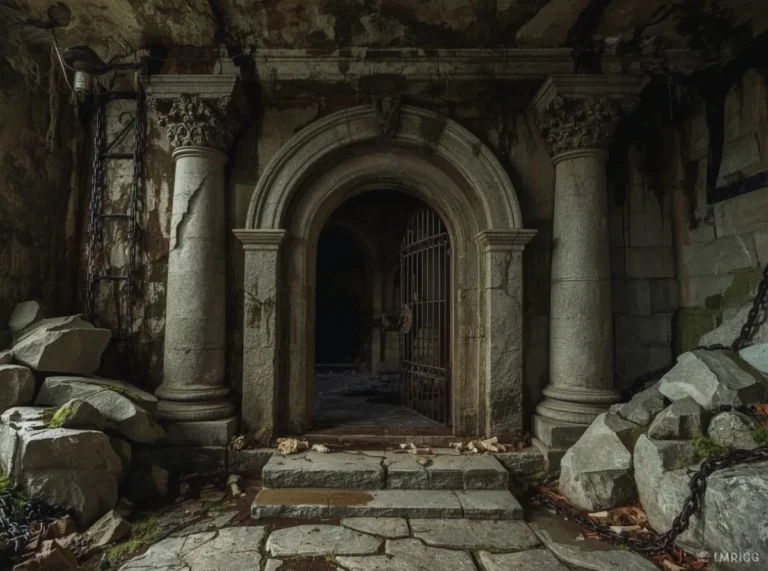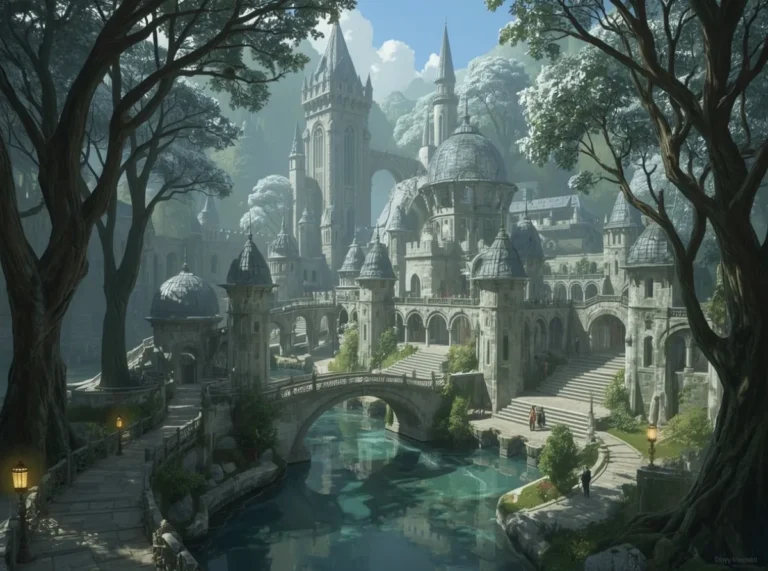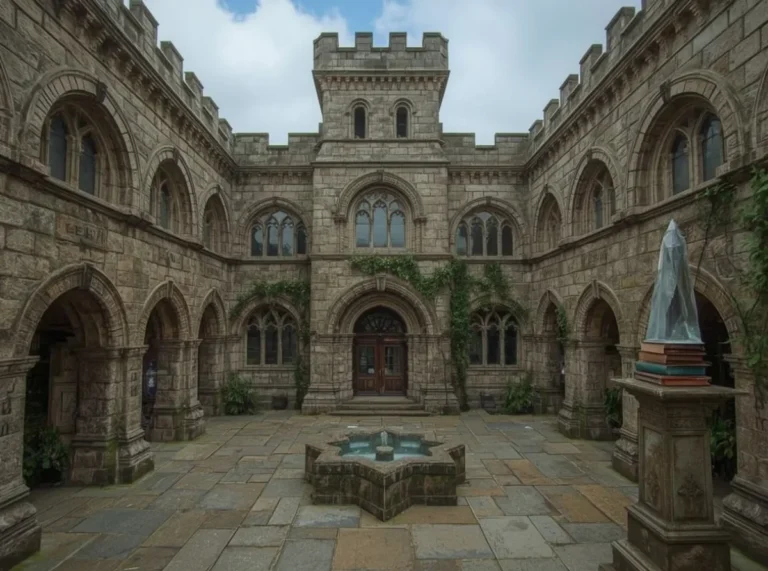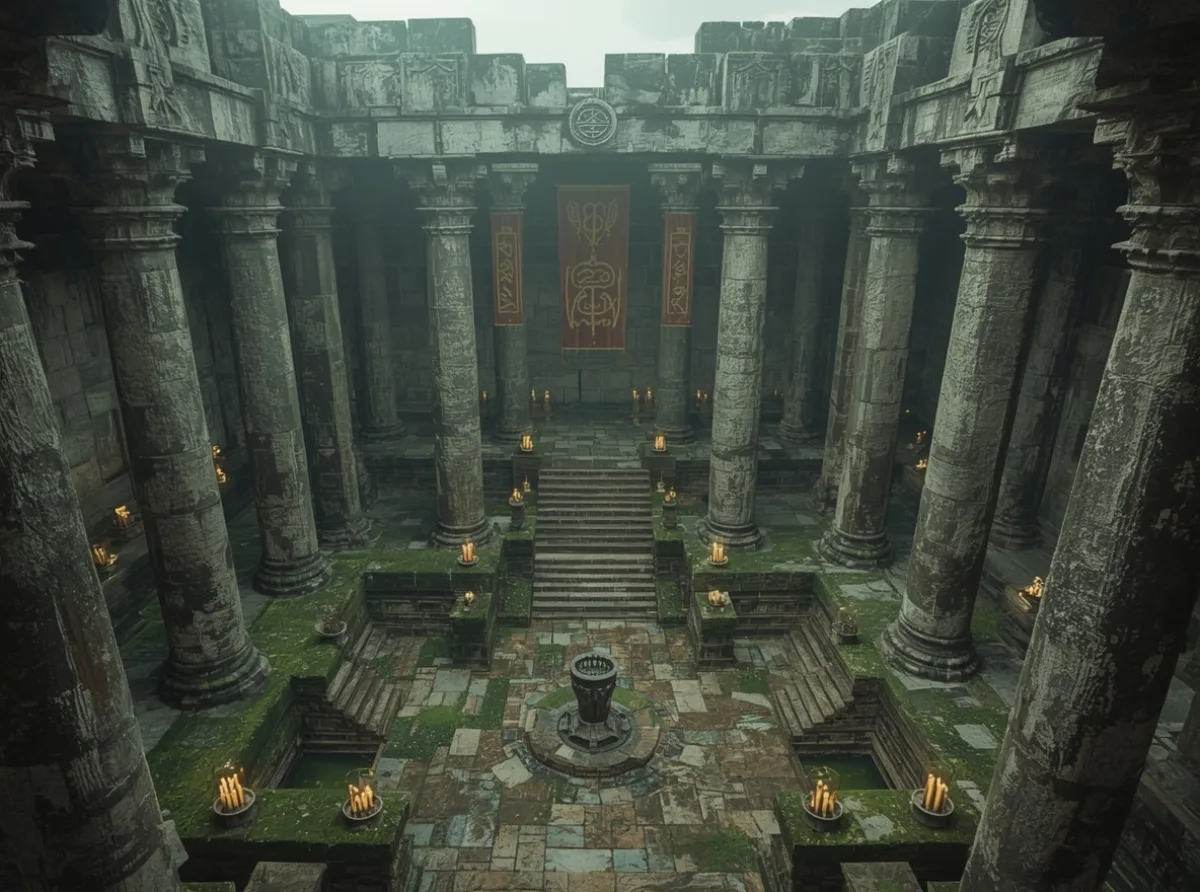
Fantasy temple names carry a different kind of weight from castle names or village names. They are not only places on a map. They suggest prayer, memory, ritual, and the quiet pressure of something larger than ordinary life. A strong temple name can make a setting feel old before anyone explains its history.
That is why sacred names matter so much in fantasy worlds. A single word can hint at a goddess, a lost order, a mountain monastery, or a city built around devotion. The best names do this without sounding forced. They feel like they belong to the stone, the bells, the incense, and the silence between chants.
When players, writers, or worldbuilders choose temple names, they often want more than beauty. They want atmosphere. They want a place name that feels like it has absorbed centuries of belief. Some names sound serene. Some sound severe. Others feel holy in a way that is soft, ancient, and almost unreachable.
In fantasy, sacred energy can take many forms. It may feel radiant and benevolent, or solemn and guarded, or strange and half-forgotten. Temple names work best when they reflect that difference. A sun temple should not sound like a moon shrine. A hall for ancestral rites should not sound like a floating sanctuary of storm priests. Tone shapes the whole image.
What Makes a Fantasy Temple Name Feel Sacred
A temple name feels sacred when it carries a sense of reverence, structure, and history. The name should suggest that people go there for meaning, not just shelter. Even if the temple is fictional, the name should imply tradition.
Several qualities usually help:
-
Sound — softer syllables can feel peaceful, while sharper sounds can feel austere or severe.
-
Imagery — words connected to light, stars, stone, water, flame, or silence often work well.
-
Authority — names with terms like sanctuary, basilica, sanctum, hall, or shrine create instant structure.
-
Mythic depth — a name that hints at a forgotten deity, a ritual, or a sacred event feels richer.
One useful trick is to combine a spiritual image with a strong place word. For example, “Ivory Sanctum” feels different from “Sanctum of the Ivory Star.” The first is compact and elegant. The second feels more ceremonial and world-specific.
A sacred fantasy temple name works best when it suggests purpose before explanation. The reader should feel the weight of the place immediately.
That does not mean every name has to be grand. Small shrines can sound intimate and still feel holy. A name like “Dawnstill Chapel” feels quieter than “Temple of the First Flame,” but both can carry sacred energy if they fit the world.
Temple Names That Feel Ancient and Reverent
These names lean toward old stone, long memory, and a sense that the temple has stood through many generations. They suit forgotten empires, mountain sanctuaries, and religious centers tied to deep tradition.
-
Temple of the Silent Crown
-
Sanctum of the First Ember
-
Hall of Ashen Vows
-
Shrine of the Old Vigil
-
Monastery of the Veiled Sun
-
Chapel of Hollow Bells
-
Temple of Moonward Stone
-
Sanctuary of the Ancient Thread
-
Hall of Sacred Dawn
-
Sepulcher of the Luminous Path
-
Temple of the Broken Halo
-
Shrine of Everlight
-
Sanctum of the Last Oracle
-
Hall of the Rooted Flame
-
Temple of Ivory Silence
-
Monastery of the Starbound Oath
-
Shrine of the Hidden Verse
-
Temple of the Sealed Dawn
These names work because they feel weighty without becoming too elaborate. “Ivory Silence” feels ritualistic. “Last Oracle” gives the place a sense of final authority. “Sealed Dawn” suggests something preserved, protected, or not yet released.
If you are naming a temple in an older or more classical fantasy setting, this kind of structure is especially useful. It sounds like the name has been used in prayers, records, and warnings for centuries. It also gives room for local legends.
Temple Names With Pure, Radiant Energy
Not every sacred place needs to feel severe. Some temples shine with hope, healing, and divine clarity. These names work well for sun cults, healing orders, guardian shrines, and places associated with blessing or renewal.
-
Temple of the Golden Veil
-
Sanctuary of Radiant Mercy
-
Hall of Morning Grace
-
Shrine of the Bright Ember
-
Temple of the Open Sky
-
Sanctum of White Light
-
Chapel of the Sunlit Choir
-
Temple of the Rose Flame
-
Hall of Clear Blessings
-
Shrine of the Dawn River
-
Temple of the Lifting Star
-
Sanctuary of Gentle Fire
-
Hall of the Sun’s Quiet Hand
-
Temple of Pure Thresholds
-
Shrine of the First Gleam
-
Sanctum of Blooming Light
-
Temple of the Last Daybreak
-
Chapel of the Silver Horizon
Radiant temple names often use clean words. Light, dawn, sky, blessing, and grace all work well because they immediately signal comfort or revelation. They can also feel more approachable than darker sacred names. That makes them useful for benevolent religions or city temples where people come to heal, rest, or seek guidance.
A name like “Temple of the Open Sky” creates a sense of openness and freedom. “Sanctuary of Radiant Mercy” feels more compassionate and ceremonial. “The Sun’s Quiet Hand” is subtle, and that subtlety can make it feel even more sacred.
Bright temple names often sound strongest when they avoid excess decoration. Clean images can feel more holy than crowded ones.
Temple Names With Mysterious or Lunar Energy
Moonlit and mysterious temples are useful when the sacred energy feels hidden rather than public. These names suit dream priesthoods, oracle sites, night rituals, and magical orders that value secrecy, intuition, or silence.
-
Temple of the Moon Veil
-
Sanctum of Whispering Tides
-
Shrine of the Silver Night
-
Hall of the Veiled Star
-
Temple of Quiet Eclipse
-
Sanctuary of the Night Lily
-
Chapel of Lunar Ash
-
Temple of the Hidden Crescent
-
Shrine of Mist and Moonstone
-
Sanctum of the Pale Orbit
-
Hall of Echoing Moons
-
Temple of Dreamfall Waters
-
Sanctuary of Star-Deep Silence
-
Shrine of the Nightglass Path
-
Temple of the Velvet Sky
-
Hall of the Quiet Tide
-
Sanctum of the Second Moon
-
Temple of the Veiled Horizon
Mysterious temple names often feel strongest when they leave space for interpretation. “Quiet Eclipse” sounds like an event and a mood. “Star-Deep Silence” suggests depth, distance, and ritual stillness. “Nightglass Path” feels almost like a secret route through a sacred place.
These names work well in stories where faith is tied to prophecy, dreams, or hidden knowledge. They can also fit temples with restricted access, such as inner sanctums, oracle chambers, or rites for initiates only.
Temple Names With Dark or Warded Sacred Energy
Sacred energy does not always mean gentle. Some temples feel protected, severe, or bound by ancient vows. These names are good for grim fantasy, forgotten gods, dragon cults, or holy sites that are respected as much as they are feared.
-
Temple of Black Oaths
-
Sanctum of the Iron Psalm
-
Hall of the Cinder Veil
-
Shrine of the Warded Flame
-
Temple of the Severed Rite
-
Sanctuary of Bone and Ash
-
Chapel of the Nameless Seal
-
Temple of the Dark Accord
-
Hall of Cursed Mercy
-
Shrine of the Silent Chains
-
Sanctum of the Last Vigil
-
Temple of the Hollow Crown
-
Hall of the Grave Sun
-
Sanctuary of the Burned Crest
-
Temple of the Shattered Icon
-
Shrine of the Watchful Ash
-
Sanctum of the Final Ward
-
Temple of the Unbroken Seal
Dark sacred names often balance holiness with caution. “Iron Psalm” sounds like a prayer that has been hardened by duty. “Unbroken Seal” suggests protection, but also restriction. “Nameless Seal” feels especially effective because it implies both secrecy and consequence.
These kinds of names can make a temple feel dangerous without making it feel random. They work well in worlds where worship and fear are closely linked. They also create strong visual cues for players in an RPG or tabletop setting.
Temple Names Inspired by Nature and Elemental Worship
Many fantasy temples are dedicated to natural forces rather than distant gods. Earth, water, fire, wind, stone, and storm all create different sacred moods. Names built around those elements can feel grounded and believable.
| Element | Temple Name Ideas |
|---|---|
| Fire | Temple of Ember Crown, Sanctum of the First Flame, Hall of Living Ash |
| Water | Temple of the Deep Spring, Shrine of Tidal Mercy, Sanctuary of Rain and Salt |
| Earth | Temple of Rooted Stone, Hall of the Elder Soil, Sanctum of Deep Bedrock |
| Air | Temple of the Open Wind, Shrine of Feathered Cloud, Sanctuary of the High Current |
| Storm | Temple of the Thunder Veil, Hall of Split Sky, Shrine of the Stormbound Choir |
Natural names feel sacred because they connect the temple to something older than civilization. A “Deep Spring” can suggest healing or renewal. “Rooted Stone” feels steady and ancient. “Stormbound Choir” adds movement and sound, which can be especially useful for a temple of weather priests or sky guardians.
Elemental temple names also make worldbuilding easier. If a region is coastal, names like “Tidal Mercy” or “Rain and Salt” feel native to the place. In a mountain empire, “Bedrock” or “High Current” may feel more fitting. The name should sound like it grew from the land, not just from a naming template.
Temple Names for Royal, Imperial, or High-Holy Settings
Some fantasy temples are not hidden away. They stand in capitals, beside palaces, or within the ceremonial core of an empire. These names often carry authority, grandeur, and public importance. They can sound polished, formal, and slightly intimidating.
-
Temple of the Crowned Sun
-
Sanctum of the Imperial Flame
-
Hall of the Last Throne
-
Shrine of the Golden Sigil
-
Temple of the High Covenant
-
Sanctuary of the Silver Court
-
Hall of the Blessed Standard
-
Temple of the Eternal Banner
-
Sanctum of the Radiant Seal
-
Shrine of the Noble Dawn
-
Temple of the Sapphire Throne
-
Hall of the Consecrated Crown
-
Sanctuary of the True Regency
-
Temple of the Veiled Court
-
Shrine of the Ascendant Star
-
Sanctum of the Regal Blessing
-
Temple of the High Oath
-
Hall of the Sacred Edict
Royal temple names often pair sacred language with political language. “Crowned Sun” feels like divine rule. “High Covenant” sounds like a pact between heaven and empire. “Sacred Edict” feels formal, structured, and law-driven.
These names work especially well when religion and government overlap. They can also help a temple feel central to the world, not just decorative. If rulers are crowned there, treaties are sworn there, or relics are kept there, the name should reflect that importance.
Temple Names That Sound Small, Quiet, and Personal
Not every sacred space needs to sound monumental. Small chapels, roadside shrines, and private temples can feel more touching when the name is modest. These names are useful for local faiths, pilgrim stops, hidden sanctuaries, or domestic devotion.
-
Little Dawn Chapel
-
Stoneleaf Shrine
-
Hearthlight Temple
-
Quiet Bell Sanctum
-
Wellspring Chapel
-
Moonpetal Shrine
-
Cliffside Temple
-
Northwind Chapel
-
Old Lantern Shrine
-
Brackensong Sanctum
-
Sunwell Chapel
-
Rivershade Shrine
-
Twilight Hearth Temple
-
Springstone Chapel
-
Windharbor Shrine
-
Fieldward Sanctum
-
Little Ash Temple
-
Rosemoss Shrine
These names feel intimate because they use familiar objects and places. Bell, hearth, river, moss, and lantern all suggest a human-scale relationship to the divine. The sacred energy here is not distant. It is lived with daily.
That can make them especially memorable. “Hearthlight Temple” gives a warm domestic image. “Old Lantern Shrine” feels like a place travelers would trust. “Fieldward Sanctum” sounds protective without trying too hard to impress.
Smaller temple names often become the most believable when they sound like they belong to ordinary speech, local tradition, or pilgrim routes.
Patterns That Keep Temple Names Believable
Even in fantasy, temple names usually follow a few patterns that make them easier to read and remember. The most common approach is to combine a sacred noun with an image. Another is to build the name around an event, oath, or deity trait. Both approaches can work well if they stay consistent with the world.
-
Place word + sacred image: Shrine of the Veiled Star
-
Sacred image + place word: Moon Veil Temple
-
Quality + divine noun: Radiant Sanctuary
-
Ritual or oath + place word: Hall of Ashen Vows
-
Possessive style: Temple of the Sun’s Hand
Longer names can sound more ceremonial, but they should still be easy to speak. If a name is too crowded, it may feel less natural in dialogue. “Temple of the Veiled Horizon” is graceful. “Temple of the Veiled Horizon and the Seven Singing Stones” may be too much unless the world is intentionally ornate.
One practical rule is to keep the core image strong. If the temple is sacred because of light, choose light words. If it is sacred because of silence, use silence words. A focused name usually feels more authentic than a decorated one.
How to Match Temple Names to Faith and Setting
A temple name should reflect the kind of faith that built it. A serene religion probably uses softer sounds and clean imagery. A militant order may prefer sharp consonants, oaths, and sealed symbols. A mystical tradition may lean into moon, mist, stars, and dream language.
Setting matters too. A desert temple may use sun, sand, gold, and wind. A forest temple may use root, moss, leaf, and branch. A mountain temple may use stone, peak, frost, and echo. When the name matches the environment, the whole place feels more grounded.
Here are a few quick tone pairings that usually work:
-
Healing faith — Dawn, grace, bloom, spring, clear water
-
Oracle tradition — Veil, star, whisper, dream, echo
-
Ancient order — Silent, old, first, sealed, ivory
-
Royal religion — Crown, court, throne, sigil, banner
-
Forbidden rite — Black, ash, broken, ward, hollow
These pairings are not rules, but they help keep names consistent. If a temple of mercy is called “Temple of Black Oaths,” the contrast needs a reason. That can be effective in a story, but it should feel intentional.
More Name Variations for Different Fantasy Traditions
Some worlds need names that sound less like a single temple and more like a naming system. If your setting has several sacred places, using related language can make the religion feel established. These variations can be adapted for chapels, sanctuaries, great temples, or outer shrines.
-
Sanctum of the First Light
-
Sanctum of the Hidden Light
-
Sanctum of the Last Light
-
Sanctuary of the Quiet Flame
-
Sanctuary of the Holy Flame
-
Sanctuary of the Ashen Flame
-
Temple of the Silver Threshold
-
Temple of the Golden Threshold
-
Temple of the Broken Threshold
-
Shrine of the Blessed Wind
-
Shrine of the Bound Wind
-
Shrine of the Wandering Wind
-
Hall of the Deep Oath
-
Hall of the Final Oath
-
Hall of the Gentle Oath
-
Chapel of the Quiet Star
-
Chapel of the Distant Star
-
Chapel of the Falling Star
These sets are especially useful when you want a naming family with internal logic. The repeated structure helps the world feel coherent. At the same time, the changing adjectives keep each location distinct.
Related temple names often become more convincing when they share one root image and vary the modifier around it.
That approach is easy to expand. You can build an entire religious map from one naming pattern, and each new temple will still feel like part of the same tradition.
Choosing the Right Sacred Tone
The feeling of a temple name often matters more than the exact meaning. Two names can point to the same sacred idea but leave very different impressions. “Temple of the First Flame” sounds ceremonial and elemental. “Shrine of the Quiet Ember” feels smaller, more restrained, and more personal.
If you want awe, use larger images and stronger nouns. If you want intimacy, use smaller objects and softer phrasing. If you want mystery, leave part of the meaning unclear. If you want authority, add structure through words like hall, order, covenant, or seal.
That flexibility is one of the reasons fantasy temple names are so useful. They can define a culture in just a few words. They can hint at a deity, a ritual, an architectural style, or a religious conflict. And when the sacred energy is right, the name does half the work before the player ever steps through the door.
Names like “Temple of the Veiled Star,” “Hall of Ashen Vows,” and “Sanctuary of Radiant Mercy” each create a different kind of holiness. One hides its meaning. One carries burden. One opens its doors to healing. That range is what makes temple naming such a strong part of fantasy worldbuilding.
In a game world or story, a temple name should do more than identify a location. It should suggest what people fear, what they honor, and what they return to in silence. The strongest sacred names feel like they were spoken long before the current age, and will still matter after it ends.