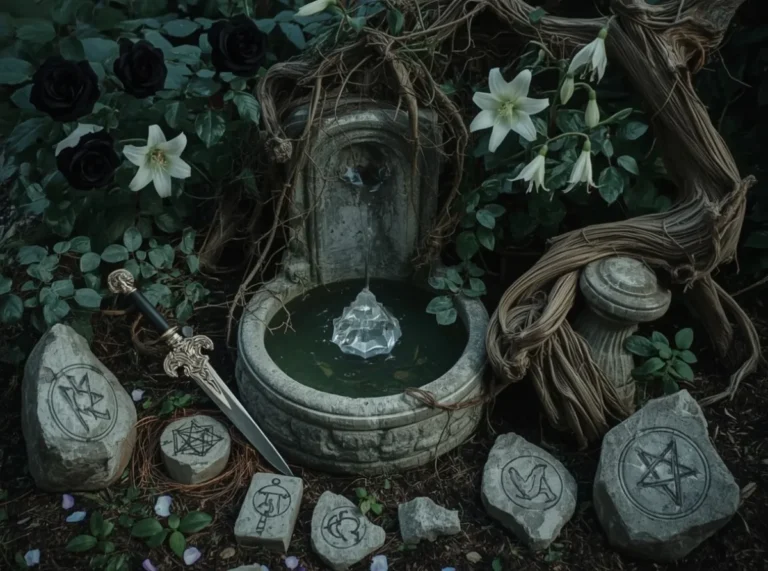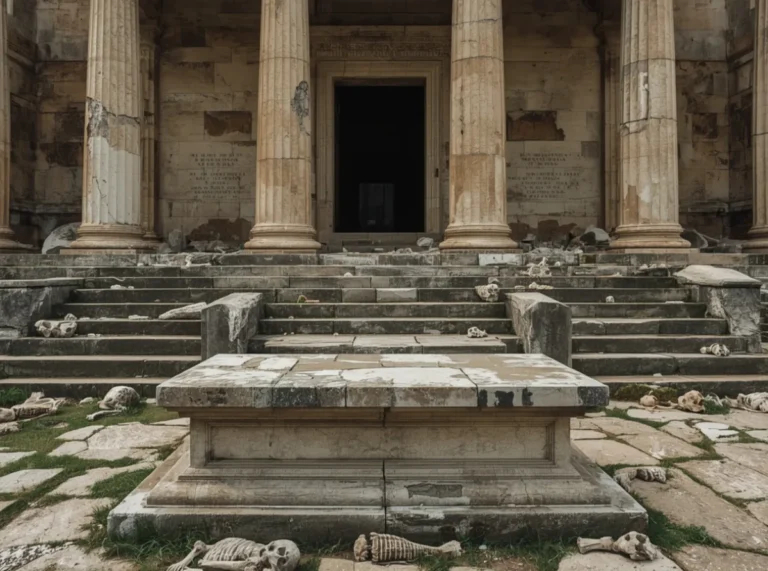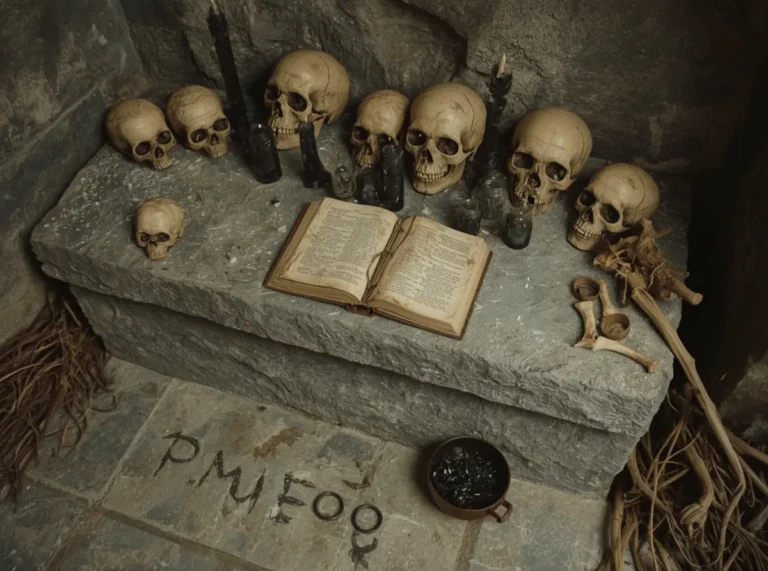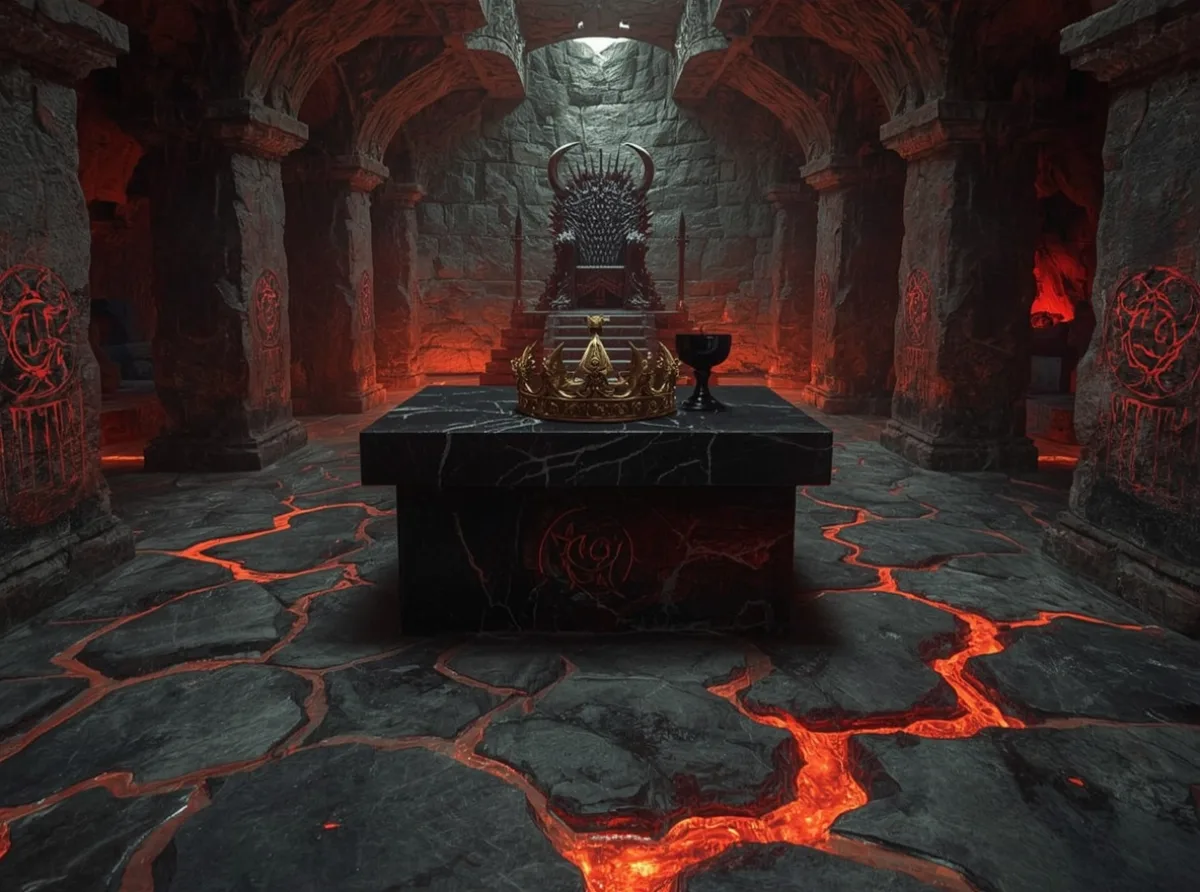
Demon queen names work best when they sound like they belong to a ruler who is feared before she is seen. The strongest ones carry more than darkness. They suggest rank, ancient power, and a kind of elegance that feels dangerous instead of gentle.
That balance matters. A name can sound cruel, royal, sacred, or forgotten, and each of those tones creates a different version of infernal presence. Some names feel like they belong to a queen of a burning citadel. Others sound older, like they were spoken in sealed temples long before anyone alive remembered them.
For fantasy worlds, roleplay characters, game bosses, and story villains, the right name does a lot of quiet work. It shapes the first impression. It tells people whether this demon queen is a warlord, a sorceress, a matriarch, or something more ancient and ceremonial.
What gives a demon queen name infernal presence
Infernal presence is not only about sounding evil. It is about weight. A name needs to feel as if it has history behind it, even if that history is never explained. The best demon queen names often use hard consonants, long vowel sounds, or a mix of regal and harsh syllables.
There is also a difference between a name that sounds monstrous and a name that sounds commanding. Monstrous names can be effective for creatures. Demon queens usually need something sharper. She should sound like she rules, not just destroys.
Useful traits for this naming style:
- Royal or noble structure
- Dark, fiery, or abyssal imagery
- Ancient or mythic tone
- Clean pronunciation with strong impact
- Subtle elegance mixed with menace
The most memorable names often feel believable in a fantasy court. They can be dramatic, but they should still roll off the tongue. If a name is too complicated, it loses power. If it is too plain, it loses presence.
Regal demon queen names
These names sound like they belong to rulers, not just villains. They have courtly weight, ceremonial shape, and a sense of formal power. They work well for characters tied to infernal dynasties, cursed thrones, or ancient bloodlines.
- Azrava
- Morvessa
- Velkaris
- Nyxalara
- Seraphyne
- Vathra
- Caldrissa
- Rhevanna
- Othraza
- Malveris
- Xeritha
- Zalvoria
- Thessalyne
- Korvessa
- Dravena
- Illythra
- Vezhara
- Aramyth
- Velora
- Nythera
These names tend to work because they sound like they come from a structured world. You can imagine titles attached to them: Empress, Matron, High Queen, or Sovereign of the Ash Courts. That extra layer makes the name feel complete.
Names like Morvessa and Caldrissa feel especially useful when you want something that sounds established. They do not need extra decoration. They already carry authority.
Names with fire, ash, and abyssal force
Some demon queens should feel less ceremonial and more elemental. These names lean into heat, ruin, smoke, and the deep underworld. They are strong choices for characters who command infernal armies or rule regions shaped by volcanic terrain and collapsed kingdoms.
- Pyrexis
- Ashkarra
- Emberith
- Brimzara
- Cindrava
- Helliora
- Scaldra
- Vulkhera
- Inferna
- Searith
- Charvessa
- Blazaryn
- Ravokha
- Molthira
- Fumera
- Glozara
- Sulveth
- Ardessa
- Kharzune
- Nethraxa
These names often feel more aggressive. They suggest a queen whose power is active and destructive. A name like Inferna is direct, while Pyrexis feels more mythic and dangerous. Both work, but they create different impressions.
If the character is tied to fire magic, a scorched realm, or a bloodline forged in war, this style fits well. It is immediate and visual. You can almost place the name into a battlefield or a throne room lined with heat and smoke.
Ancient and arcane demon queen names
Some demon queens feel more dangerous when they sound old. Not just old in age, but old in origin. These names suggest forgotten rites, sealed books, broken heavens, and languages that were never meant for ordinary mouths.
- Xaelith
- Urvanya
- Nemorath
- Qelzara
- Azhuriel
- Voryth
- Thalzune
- Eryndra
- Zhavael
- Orithane
- Myrzael
- Kezthara
- Averoth
- Nyzareth
- Ilvoryn
- Solzira
- Rhyveth
- Ophaziel
- Zeruvia
- Velmorith
This group has a colder edge. The names often feel slightly distant, as if the demon queen does not simply rule a kingdom but exists at the center of a ritual tradition. That gives her presence a heavier kind of mystery.
Names in this category often sound strongest when they are paired with an ancient title, such as:
- Queen of the Ninth Ash
- Keeper of the Black Veil
- Matron of the Hollow Flame
- Sovereign of the Infernal Archive
- Throne-Bearer of the Deep Pit
When a name already feels archaic, the title does not need to do much. Even a simple one can make it feel complete. That is one reason names like Azhuriel and Velmorith have so much range. They sound like they belong to a sealed legend.
Elegant demon queen names with a dangerous edge
Not every demon queen needs to sound brutal. Some are far more effective when they sound graceful first and threatening second. This style works well for characters who use charm, manipulation, ritual power, or political control.
- Selvaria
- Elarune
- Virelle
- Nerissa
- Avelthra
- Zorynne
- Marivelle
- Coraziel
- Lunthara
- Rovelle
- Syravine
- Velitha
- Amarza
- Ilvaris
- Nocthira
- Cyravelle
- Elzara
- Thessira
- Vanyth
- Lyzandra
These names often feel more believable for a demon queen who rules through influence rather than open violence. They can belong to a courtly seductress, a mind-bending sorceress, or a patient ruler whose danger becomes clear too late.
Selvaria feels polished and regal. Nocthira feels darker and more secretive. Lyzandra sounds like someone who could live in a noble court without anyone realizing what she truly is.
Short, sharp, and commanding names
Short names hit differently. They are easy to remember and often feel stronger in games, boss lists, and quick dialogue. When the goal is instant recognition, a compact demon queen name can be more effective than a long one.
- Vexa
- Zyra
- Mavra
- Nyra
- Kael
- Drava
- Ozna
- Ruxa
- Tavra
- Shyra
- Velz
- Quorra
- Hezra
- Braya
- Xythe
- Lazra
- Morra
- Vyn
- Ketra
- Zavra
Short names work best when the surrounding world adds the rest of the meaning. A single strong word can feel larger than a longer ornate name if the character design supports it. Think of a black throne, a crown of horns, or a fortress built into a crater.
They also fit well in games with limited interface space. In a raid encounter or character roster, names like Vexa and Zyra are easy to read quickly and still feel threatening.
How to choose the right tone for the character
The same demon queen can be imagined in several ways depending on the name. A regal name suggests a ruler with structure and legacy. A fiery name suggests force and conquest. An ancient arcane name suggests ritual, secrecy, and old power. An elegant name suggests intelligence and control.
If the character is a final boss, harsh sounds often help. If she is a political force in a fantasy empire, elegant or royal names can work better. If she is a legendary ancestor or dead empress, the ancient style usually leaves the strongest impression.
Quick tone guide:
- Royal: Morvessa, Caldrissa, Velkaris
- Fiery: Pyrexis, Emberith, Inferna
- Ancient: Xaelith, Azhuriel, Velmorith
- Elegant: Selvaria, Marivelle, Coraziel
- Direct and sharp: Vexa, Zyra, Mavra
It helps to imagine how the name sounds spoken aloud. Demon queen names should feel strong in dialogue. They should also feel like they could appear on a throne plaque, a spellbook page, or a cursed artifact without seeming out of place.
Common naming patterns that create infernal presence
There are a few patterns that keep appearing in names with this kind of energy. One is the use of heavy consonants such as v, z, k, x, and th. These sounds create tension. They also help the name feel less soft.
Another pattern is the use of long, flowing endings like -a, -ia, -yne, -eth, or -ra. These endings can make a harsh name feel more royal. That contrast is one reason many demon queen names sound memorable. They are not only dark. They are shaped.
Some names also borrow from familiar fantasy logic without becoming generic. A name like Rhova feels like it belongs in a dark setting, while Thessalyne has a more aristocratic rhythm. Small changes in structure make a large difference in tone.
- Hard openings give authority
- Flowing endings add elegance
- Uncommon letter combinations add mystique
- Balanced syllables improve memorability
- Title pairings can strengthen the effect
That balance is important. Too many sharp sounds can make the name feel random. Too much softness can weaken the infernal edge. The strongest names usually sit in the middle and lean one way or the other depending on the character concept.
Names that feel more like queens than monsters
Sometimes the best demon queen name is the one that keeps its dignity. These names still feel infernal, but they lean harder into sovereignty than horror. That makes them useful for characters with intelligence, strategy, and political power.
- Varethra
- Selzaria
- Maelvora
- Corvessa
- Nythalia
- Arzelith
- Evrayne
- Zalithra
- Velmara
- Orvessa
- Calythra
- Morzelle
- Ivethra
- Rhezara
- Ulvanya
- Azerelle
- Thyssara
- Nemoris
- Verzaya
- Luthra
This style works well when the queen is meant to be feared for what she knows rather than what she smashes. The name should suggest an iron will and a mind that never relaxes. That kind of threat is often more interesting than open brutality.
Maelvora and Corvessa are good examples of this middle ground. They sound regal, dark, and composed. Nothing about them feels accidental.
Using titles, epithets, and naming layers
In fantasy settings, a demon queen name often becomes stronger when it is paired with a title. The title gives context, while the name gives identity. Together, they create a full presence.
For example, Nyxalara, Queen of the Ember Gate feels larger than the name alone. Velmorith, Widow of the Black Sun adds a mythic edge. Even a simple title can push the character into a more complete role.
- The Ash Crown
- The Black Matron
- The Scarlet Sovereign
- The Hollow Queen
- The Infernal Regent
- The Ninth Flame
- The Iron Widow
- The Crimson Throne
Titles also help when the name itself is subtle. If Velora feels too gentle on its own, a title can sharpen it instantly. That flexibility is useful in storytelling and roleplay, where a character may need to feel refined in one scene and terrifying in another.
Alternative naming styles related to demon queens
If the goal is still infernal presence but the name should feel slightly different, there are a few useful directions. Some players and writers prefer names that sound more serpentine, more priestly, or more imperial. Each version changes the impression without leaving the same general theme.
- Serpentine: Vashira, Sszavra, Nythra, Zhevara, Kalyss
- Priestly: Aurelith, Solzanne, Myrith, Calzara, Ethevra
- Imperial: Ravellia, Thalorine, Vezamira, Orcalis, Marzetha
- Mythic: Xanthyra, Oryndel, Vaelora, Zarethune, Ilmora
These variations are useful when the name needs to feel less obviously demonic and more specific to a world. A demon queen in a high fantasy empire may need a different tone than one in a grim underworld. The setting changes the sound.
That is one reason naming is more effective when the world is already clear in your mind. A name is not isolated. It sits beside architecture, clothing, magic, and the way the character speaks. All of those details matter.
Building a name that lasts in a fantasy setting
A strong demon queen name should still feel usable after the first impression. That is where clarity matters. If the name is too tangled, players may forget it. If it is too plain, it may blend into the background. The middle path is usually best.
Good names tend to be easy to say, easy to spell, and hard to ignore. They sound like they belong in the same world as the other major figures, but they carry more pressure. That pressure is what makes them feel infernal.
When a name has that quality, it can stay useful across books, campaigns, characters, and game worlds without losing shape. It still feels strong after repeated use. That is often the real test.
Names with infernal presence usually share one thing: they make the character feel older, smarter, and more dangerous than the room around her. Whether the name is regal, fiery, ancient, elegant, or sharp, it should leave a mark without needing extra explanation.