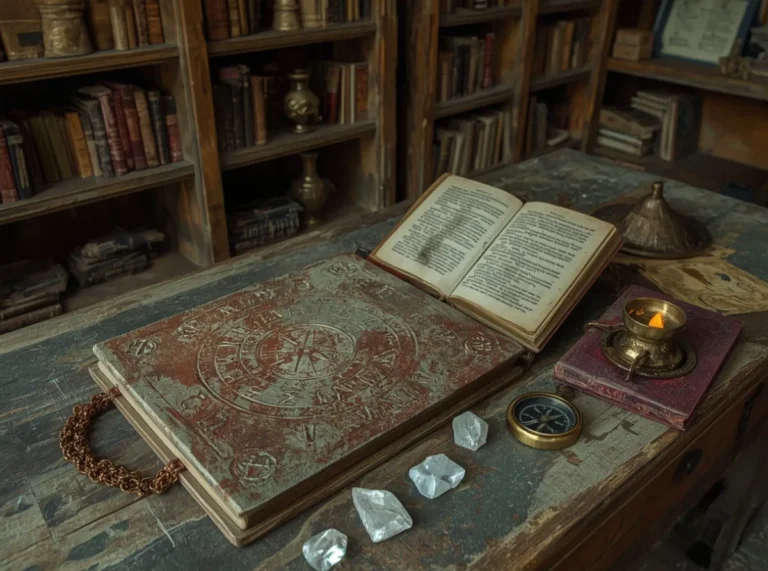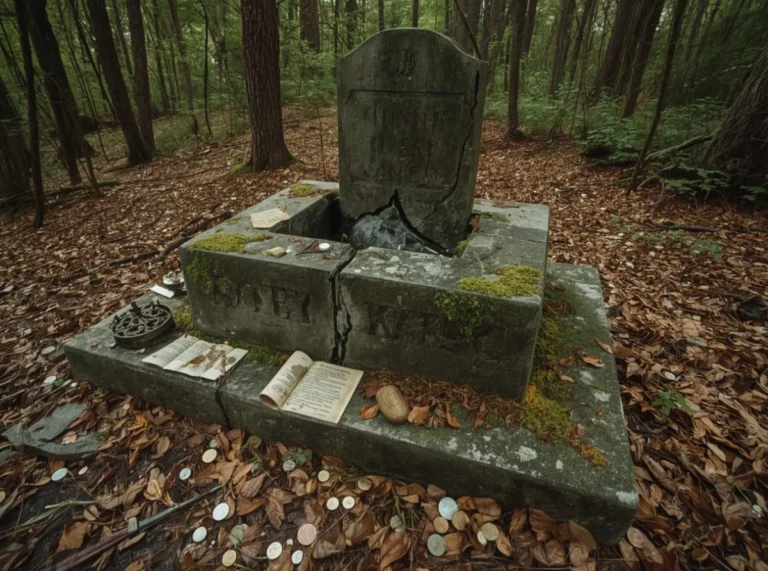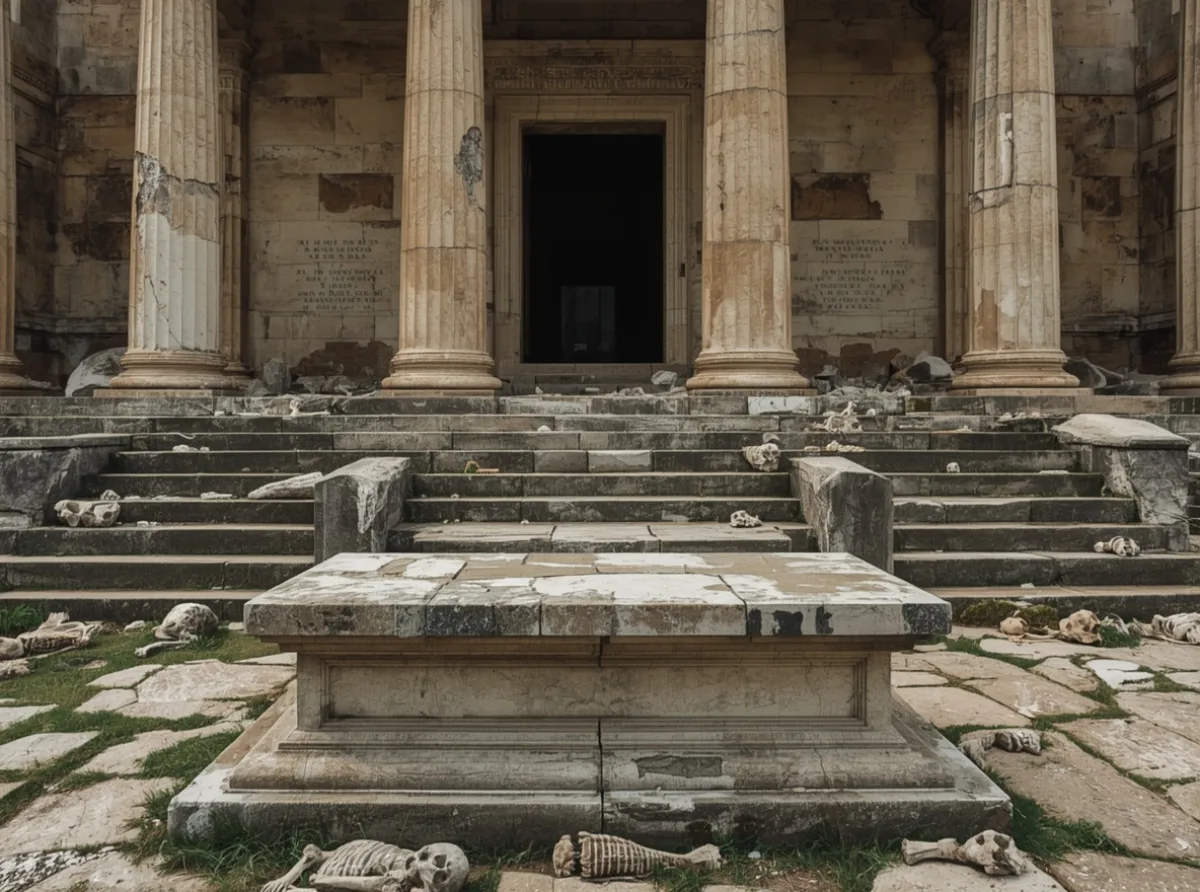
Some fantasy names feel light and easy to remember. Others carry dust, ruin, old vows, and the sense that a forgotten temple still has doors that should stay closed. That second kind often leaves the strongest mark. It is not only about sounding dark. It is about carrying age, pressure, and a hint of danger inside a few syllables.
Cursed fantasy names with an ancient atmosphere work because they suggest history before the character even speaks. They can belong to a necromancer, a lost queen, a sealed artifact, a ruined bloodline, or a god that no one worships safely anymore. The best ones feel like they were carved into stone long before the current age began.
There is also a practical side to this style. In games, stories, and roleplay, a name with ancient weight can instantly set mood. It tells other people something about the world you are entering. It can make a character seem old, powerful, secretive, or burdened without needing a long backstory right away.
What gives cursed fantasy names their ancient atmosphere
Ancient-sounding fantasy names often use patterns that feel older than modern speech. You will notice soft vowels, heavy consonants, and shapes that resemble old empires, temple inscriptions, or mythic languages. They may sound elegant, but there is usually something unstable underneath that elegance.
The “cursed” part comes from tension. A beautiful name can feel clean and noble. A cursed name feels like the beauty has a crack in it. Maybe it ends on a blunt sound. Maybe it has a strange cluster of letters. Maybe it feels almost regal, but not quite safe.
Common ingredients in this naming style
- Old-world syllables that sound ceremonial or forgotten
- Soft but ominous endings, such as -eth, -ir, -une, or -ael
- Heavy consonants that create a sealed, ancient feeling
- Names that resemble lost dynasties, saints, relics, or deities
- Subtle unease instead of obvious villainy
A cursed name often works best when it sounds like it belongs to a real ancient culture, not a random fantasy generator result.
That realism matters. If the name feels like it could be spoken in a ruined court, chanted in a crypt, or written on a weathered tablet, it gains depth. The atmosphere comes from consistency, not just from sounding dark.
Why these names feel memorable in games and stories
Players and readers tend to remember names that create a clear image. Ancient cursed names do that well because they suggest a setting with old laws and hidden damage. A name like this can imply centuries of lineage, sealed magic, forgotten wars, or inherited punishment.
They also work across many fantasy roles. A knight can have one. So can a witch, a fallen prince, a blind oracle, or an immortal beast. The tone changes depending on the character, but the name keeps that old, cursed feeling intact.
Another reason they stand out is rhythm. A good ancient fantasy name often has a shape that sounds formal when spoken aloud. It may feel complete and ceremonial, almost like a title, even when it is just a given name.
Name ideas with a royal, ruined, and ceremonial tone
This first group leans toward names that feel connected to dynasties, old courts, sealed bloodlines, and sacred collapse. They sound like they belonged to people who once ruled something vast, then lost control of it.
- Vaelorian
- Serethune
- Morvanya
- Caldriseth
- Elzareth
- Thyraen
- Othrivel
- Veskarion
- Almireth
- Nyssavane
- Korvethil
- Ismorael
- Draelyth
- Valecyra
- Orinthal
- Sevraneth
- Maeluvin
- Rhovael
- Cassareth
- Velmoryn
These names work especially well for characters tied to inheritance, prophecy, exile, or old blood magic. They have enough elegance to feel noble, but enough weight to feel dangerous. If used for a villain, they suggest a long fall rather than simple evil.
How to use this tone well
- Pair with ruined castles, old dynasties, or sealed tombs
- Use for characters with inherited power or family curses
- Keep surrounding world details consistent and aged
- Let the name sound formal without making it too hard to say
Names in this group often feel strongest when the rest of the character matches the age of the name. A bright, casual personality can still work, but the contrast should feel intentional. Otherwise, the atmosphere weakens.
Name ideas with a darker, ritual-heavy atmosphere
This section leans deeper into the cursed side. These names feel more severe, more shadowed, and a little less polished. They sound like they might belong to forbidden rites, ancient punishments, or creatures tied to old burial places.
- Vharos
- Nerzath
- Ilmora
- Graveth
- Ossaryn
- Malrune
- Threnvik
- Yzorel
- Korvash
- Azmira
- Veldrune
- Umareth
- Dravok
- Soryth
- Kaelzorn
- Myrthos
- Vesrune
- Haldriss
- Nyvark
- Erythaal
These names have a harsher edge. Some sound like ancient language fragments; others feel like names that were altered by time or corruption. That gives them a useful instability. They are not shiny. They feel weathered and old, as if the world has already tried to erase them.
Names with a cursed ritual feel often sound strongest when they avoid clean symmetry. Small imperfections make them feel older and less artificial.
This style is useful for sorcerers, gravekeepers, revenants, cursed saints, or ancient monsters. It also fits lost places. Sometimes a fortress, artifact, or forbidden book can carry a name like this better than a person can.
Good traits to watch for
- Unsettling consonant patterns without becoming unreadable
- Names that feel carved, spoken in a chant, or inherited from a dead language
- Strong internal rhythm that gives the name a ritual quality
- A balance between menace and ancient dignity
Name ideas that sound mythic, faded, and almost holy
Not every cursed fantasy name needs to sound openly sinister. Some of the most effective ones feel holy at first glance, then reveal age and corruption beneath the surface. These names can belong to angels that fell too far, priest-kings with broken vows, or relic-bound spirits who were once revered.
- Aurethiel
- Selvaran
- Thamoryn
- Eliondra
- Vareshiel
- Isolyth
- Calavane
- Myrionis
- Orelthas
- Seraphyne
- Veloriane
- Ardelys
- Quoriel
- Lysandor
- Morielth
- Avanthis
- Ysevara
- Heloryn
- Caelthune
- Ravelys
These names often feel best in stories with ancient temples, lost blessings, or a magic system built on broken vows. They carry a more graceful curse. Instead of immediate menace, they suggest something sacred that has been worn down by time.
That makes them especially strong for characters who are tragic without being loud about it. A fallen healer, a bound prophet, or an immortal guardian can all fit here. The name does some of the work quietly.
Name ideas that feel like old relics, tombs, and forgotten places
Sometimes the most immersive cursed name is not even for a person. It can be for a city, a blade, a tower, a seal, or a buried god. These names should sound ancient, place-like, and full of memory.
- Zareth Keep
- Blackmere Ossuary
- Vaelcrypt
- Thornsunder Vault
- Morhollow
- Ebonspire
- Silth Grave
- Ruin of Althyr
- Nightcairn
- Vesper Tomb
- Oathbreak Hollow
- Graven Wells
- Sunless Citadel
- Wyrmrest Reliquary
- Old Karvane
- Ashen Sepulchre
- Fellmere Shrine
- Harrowdeep
- Moonless Shrine
- Varkun Vault
These names are useful because they create setting immediately. A single location name can suggest the history of an entire region. If the place sounds cursed and ancient, the stories around it start to feel older and heavier too.
What makes location-style names effective
- They often combine a physical feature with a mood word
- They sound like landmarks that survived multiple eras
- They can be simple, but still feel layered
- They work well for maps, quests, dungeons, and lore references
Location names benefit from clarity. They should be easy enough to say during conversation, but strange enough to feel like they belong to a world with a long memory.
Subtle names versus dramatic names
Not every cursed fantasy name needs to scream with darkness. Some names are better when they whisper. Others are better when they sound like a proclamation. The difference changes how the character is perceived.
Subtle names usually rely on elegance, age, and a faint sense of unease. Dramatic names may add harder sounds, sharper contrasts, or more obvious mythic weight. Neither is better in all cases. The right choice depends on the role you want the name to play.
| Type | Feeling | Good Use |
|---|---|---|
| Subtle | Old, refined, uneasy | Nobles, mages, spirits, relics |
| Dramatic | Severe, grand, cursed | Antagonists, ancient kings, monsters |
| Legendary | Mythic, sealed, immense | Gods, artifacts, lost empires |
In practice, subtle names tend to age well in roleplay. They do not lock you into one extreme tone. Dramatic names can be more immediate, though. They create a stronger first impression, which helps in stories that lean into old prophecies or tragic conflict.
If you want ancient atmosphere without losing flexibility, choose a name that sounds old before it sounds evil.
That small shift gives you more room to build character over time. It also helps the name feel believable in a shared fantasy world where not everything can be overdesigned.
Patterns that often appear in cursed ancient names
Many names in this style follow patterns that feel familiar once you notice them. They often use extended vowels, rare clusters, or endings that suggest old languages. A name does not need to copy a real language, but it should feel like it came from a naming tradition rather than a random page of sounds.
- Ancient prefixes like Val-, Mor-, Thal-, Or-, or Ser-
- Soft endings like -ael, -eth, -une, -is, or -yne
- Broken-looking consonant groups that imply age or decay
- Names that use symmetry sparingly instead of perfectly
- Forms that sound like they could belong to a dynasty or a shrine
There is also a useful trick with names that feel cursed: let one part of the name sound beautiful and another part sound harsh. That contrast creates tension. It keeps the name from becoming too smooth or too monstrous.
For example, a name may begin with something graceful and end with something heavier. That small shift can make the whole thing feel like a blessing that went wrong.
Variation ideas for different fantasy archetypes
The same atmosphere can be adjusted for different character types. A cursed royal should not sound identical to a forgotten mage or a bone-tomb guardian. The base mood stays ancient, but the shape changes a little.
For fallen rulers and exiled bloodlines
- Vaelorian
- Cassareth
- Orinthal
- Velmoryn
- Caldriseth
- Serethune
For sorcerers and ritual keepers
- Vharos
- Nerzath
- Threnvik
- Yzorel
- Malrune
- Umareth
For spirits, saints, and bound relic-bearers
- Aurethiel
- Isolyth
- Morielth
- Quoriel
- Heloryn
- Caelthune
This kind of grouping helps when you are naming multiple characters or building a consistent world. The names should feel like they come from the same deep history, even if each one serves a different role.
How to make a cursed ancient name feel believable
Believability comes from restraint. If every syllable sounds equally intense, the name can feel forced. A believable cursed ancient name usually has one clear identity: noble, haunted, ritual, ruined, or sacred. It does not try to do everything at once.
It also helps to think about where the name would be written or spoken. A temple priest would choose a different naming rhythm than a warlord. A tomb inscription would feel different from a royal register. Even small details like that can shape the final result.
Old atmosphere feels strongest when the name sounds like it belongs to a culture with rules, not just a single dramatic character.
If you are building your own names, try saying them out loud. That simple step catches awkward patterns fast. If the name sounds smooth enough to be spoken in a scene, but old enough to seem inherited, it is probably in the right place.
Additional name ideas for mixing and matching
These names sit between categories. Some lean noble. Some lean cursed. Some can tilt either way depending on the world around them. They are useful when you want flexibility without losing the ancient mood.
- Elzavyr
- Tharion
- Morysse
- Valcaryn
- Othenya
- Serveth
- Kaeloris
- Dravayne
- Ysolvar
- Melthune
- Ravethis
- Corvane
- Alzareth
- Nythera
- Voryth
- Eldrune
- Saelvyr
- Vandoriel
- Heskaris
- Ulmeryn
These work well when you want the atmosphere to feel broad rather than fixed. They can fit many regions, many factions, and many types of magic. That makes them especially useful in long campaigns or developing worlds.
Ancient cursed names stay memorable because they create a sense of depth before the first line of dialogue. They can make a character feel like part of a much older story. When the name carries age, ritual, and a hint of damage, the world around it starts to feel larger, stranger, and more alive.