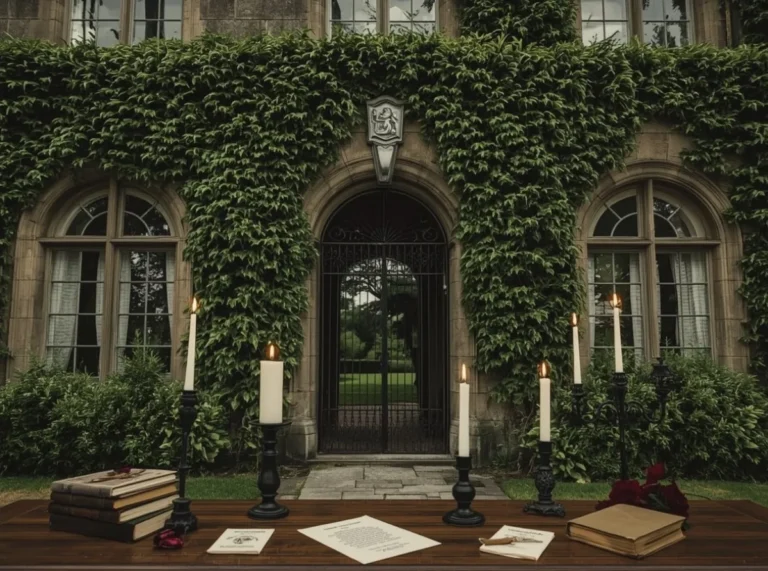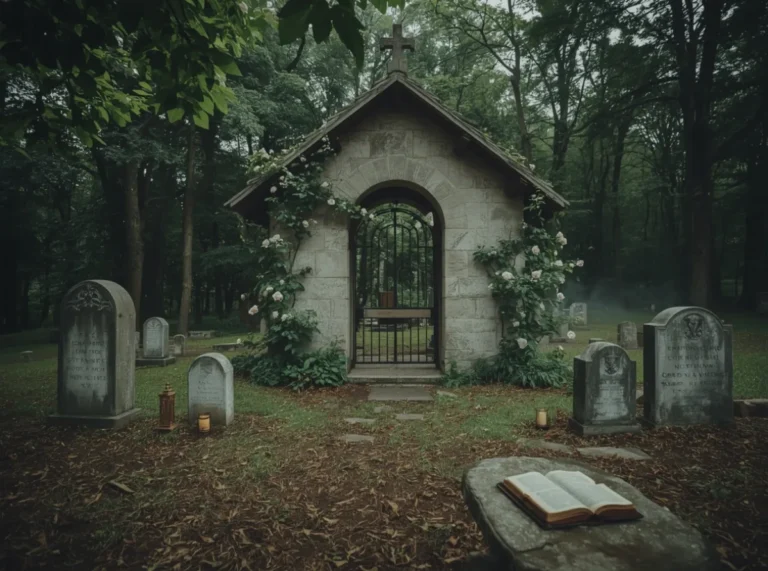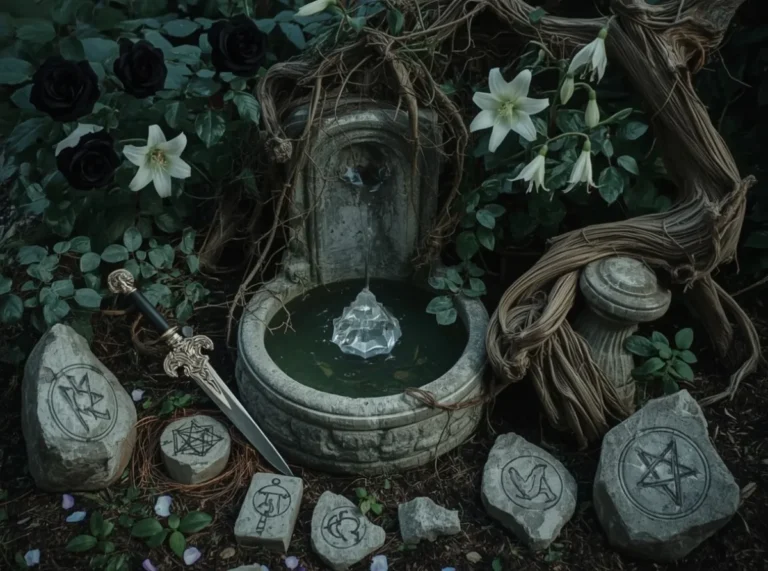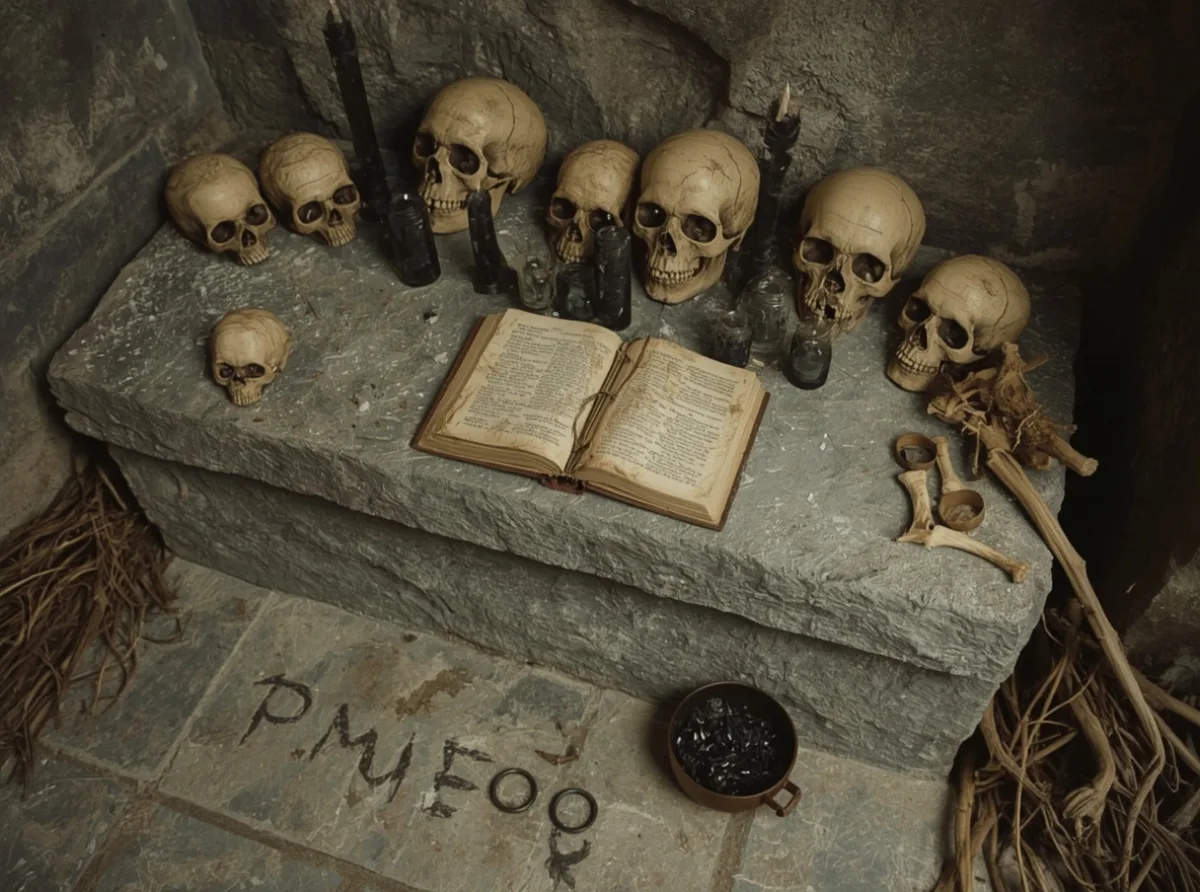
Necromancer names often carry more than just a fantasy sound. They suggest history, hidden power, and a quiet kind of menace. The best ones do not always shout. They linger. They feel as if they belong to someone who has studied forgotten rites, walked through sealed tombs, and learned how to speak to silence itself.
Dark elegance is what separates a sharp necromancer name from a forgettable one. It can be graceful without losing its edge. It can sound refined, ancient, and a little dangerous at the same time. That balance matters, especially in games, tabletop campaigns, and character-driven stories where a name has to do real work.
Some names lean aristocratic. Others feel cryptic, bone-cold, or ceremonial. A few sound like they were carved into a mausoleum wall centuries ago. The strongest options usually have one thing in common: they suggest control. Not chaos. Not noise. Control, patience, and a strange familiarity with death.
What Gives Necromancer Names Their Dark Elegance
Dark elegance is not the same as pure horror. A name can be eerie and still feel polished. It can sound like it belongs to a scholar, a fallen noble, or a ritualist with excellent taste in ancient symbols. The difference usually comes down to structure, sound, and image.
Soft consonants, flowing vowels, and classical endings often create a more refined feel. Hard stops, sharp clusters, and guttural sounds push the name toward brutality. Necromancer names with dark elegance usually sit between those poles. They feel intentional, not random.
A name feels elegant when it sounds composed. It feels dark when it leaves a shadow behind it.
There is also a strong visual element. Names that evoke ashes, obsidian, moonless halls, relics, funerary rites, or forgotten dynasties naturally fit the theme. Even if the name itself is simple, the associations can make it feel rich and memorable.
Common qualities that make these names work
- They have a classical or antique rhythm.
- They avoid sounding overly modern.
- They suggest ritual, decay, or old knowledge.
- They can fit a noble, scholarly, or mysterious character.
- They feel usable in both dark fantasy and more traditional settings.
When a name sounds elegant, it often implies education, status, or ceremony. When it sounds dark, it implies secrecy, forbidden craft, or a close relationship with death magic. The most effective necromancer names combine both.
Names That Feel Ancient and Regal
These names work well for necromancers who carry themselves like forgotten royalty, court magicians, or the heirs of cursed bloodlines. They have a polished shape and an old-world quality. They are strong enough to sound important, but restrained enough to remain elegant.
- Morvayne
- Seldrin
- Vaelthos
- Orithen
- Caldris
- Nyvaris
- Thalorien
- Erevan
- Veylond
- Seraphis
- Maltherion
- Corvenor
- Eltharic
- Dravenor
- Velmire
- Arcthel
- Lysavor
- Vhaloric
- Morathiel
- Caelvorn
These names feel especially useful for necromancers in high fantasy settings. They can suit characters who were once scholars, nobles, or heirs before their paths turned toward the dead. Many of them also work well with titles. A name like Morvayne, for example, becomes even more imposing when paired with something simple, such as Lord Morvayne or Archmancer Seldrin.
What makes this group elegant is the balance between smooth syllables and strong structure. None of them sound flimsy. None of them sound too blunt. They suggest a presence that is measured and difficult to ignore.
Names With a Ritual and Arcane Feel
Some necromancers are less like court figures and more like keepers of forbidden ceremonies. Their names often sound older, stranger, and more ceremonial. They may not be regal in a social sense, but they still feel refined because of their rhythm and weight.
- Azelmar
- Vireth
- Ossian
- Threnval
- Marzeth
- Eldovar
- Saelric
- Nocthar
- Ilvane
- Corzeth
- Velorian
- Drevanth
- Azmour
- Vhalien
- Rhovan
- Selvaris
- Erzalon
- Thalvez
- Morzian
- Elydras
These names feel like they belong in candlelit crypts, sealed libraries, and circles drawn in ash. They are often a good fit for characters who study relics, bones, spirits, and burial magic. The tone is not loud, but it is serious.
One reason this style works so well is that it leaves room for worldbuilding. A name like Vireth or Threnval does not explain everything. It invites it. That makes it useful for roleplay, where the name should support the character without doing all the work.
Ritual-sounding names often feel more believable when they avoid obvious horror words and instead rely on atmosphere.
Useful patterns in ritual-style names
- Ending in -eth, -ar, -is, -on, or -al often creates an ancient tone.
- Middle consonants like v, r, th, and z can add texture.
- Three syllables usually feel balanced, but shorter names can feel colder.
- Names that resemble old languages often sound more immersive.
Names That Sound Soft, Cold, and Mysterious
Not every necromancer name needs to feel heavy. Some of the most elegant ones are quiet and almost fragile on the surface. That contrast can be powerful. A soft name can make a dark character feel more unsettling, because the danger is less obvious.
- Lioraeth
- Sylvane
- Eirwen
- Nerisse
- Vaelis
- Olyndra
- Serel
- Aureth
- Melvane
- Isolde
- Caelene
- Raveth
- Elowen
- Nyrelle
- Vestra
- Althira
- Marielth
- Solvane
- Orvessa
- Lethria
These names are especially effective for necromancers who are calm, private, and difficult to read. They can fit healers who turned toward forbidden knowledge, elegant scholars of funerary lore, or characters who hide their power behind a quiet voice.
The dark part of the elegance comes from restraint. There is no need for obvious menace when the name already feels distant. That distance can be enough to make the character memorable.
Names That Feel Gothic Without Becoming Heavy
Gothic necromancer names often lean toward elegance through mood. They sound dark, but they also feel composed and stylish. In a fantasy setting, this can be a strong fit for characters tied to abandoned cathedrals, mourning rituals, ancestral vaults, and moonlit estates.
- Valemour
- Dorthaine
- Ravencourt
- Cyrvane
- Noirel
- Belthorne
- Mournis
- Ebonelle
- Vesperin
- Mortaine
- Corvielle
- Ashwynd
- Griseld
- Velmour
- Thornis
- Cadrienne
- Nivarth
- Orlais
- Veymour
- Sableth
Gothic names often work best when they feel like they belong to a family line, an estate, or a hidden order. They are not always the most direct choice, but they do create strong atmosphere. If the character has a history tied to old houses, cursed blood, or noble decline, this style can fit naturally.
These names also pair well with titles and locations. Ravencourt of the Hollow Chapel. Lady Mortaine of the Ash Vaults. The full character identity becomes easier to picture because the name already carries a setting inside it.
Names for Cold, Scholarly Necromancers
Some necromancers feel less like sinister rulers and more like exacting researchers. Their names should suggest precision, patience, and a taste for old texts. They may not be dramatic, but they should still feel stylish and controlled.
- Averic
- Sevrin
- Calomere
- Delyth
- Rhovel
- Mirelian
- Osthair
- Varelis
- Luceran
- Talmire
- Edris
- Valcoren
- Nerovan
- Cyradis
- Halveth
- Ormian
- Veloran
- Theremis
- Corlian
- Maevor
These names feel at home on characters who catalog bones, translate grave inscriptions, or study spirit binding as if it were a science. They are not flashy. That is part of the appeal. The elegance comes from discipline.
In a party or roleplay group, this style helps distinguish a necromancer who is careful from one who is theatrical. A scholar with a name like Averic or Valcoren feels very different from a warlock with a harsher, more aggressive title. That distinction can shape how the character is played.
Names With a Dramatic Edge
Sometimes a necromancer needs a name that sounds larger and more forceful. Even then, elegance can remain part of the design. The goal is not to become crude or overly harsh. It is to add weight while keeping the name polished.
- Zarveth
- Morcain
- Vhaldor
- Drexian
- Malvorr
- Cairneth
- Ravos
- Tharvane
- Orzeth
- Vireloth
- Caldros
- Nerzhai
- Valdrien
- Korvath
- Eldrath
- Morthal
- Syvran
- Kaelzor
- Vorenth
- Dralune
These names feel suited to powerful bosses, dark lords, elite PvP characters, or major antagonists in a campaign. They still carry a sense of structure, but they have more pressure behind them. You can feel the force in the syllables.
If a name in this group is too harsh, it can easily be softened by the rest of the character’s presentation. A composed personality, a scholarly title, or a formal surname can bring the elegance back into balance.
The best dramatic necromancer names sound dangerous without sounding messy.
Names That Feel Subtle and Human
Not all necromancers need names that sound fully mythic. Some of the most believable ones are subtle. They may look like real names with a faintly uncanny twist. This can be useful for grounded fantasy worlds or characters who try not to stand out too much.
- Marek
- Silvan
- Edric
- Lucian
- Corvin
- Alaric
- Ronan
- Severin
- Dorian
- Marius
- Cavian
- Blaise
- Theon
- Rowan
- Cassian
- Varen
- Emric
- Ruel
- Tavian
- Noelric
These names work well when the character is meant to feel like a person first and a necromancer second. They can suit antiheroes, hidden practitioners, or nobles who keep their craft out of public view. They are also easy to remember, which helps a lot in long campaigns.
Subtle names are useful because they leave room for interpretation. Lucian can sound elegant and pale, while Severin can sound severe and controlled. The name does not need to announce everything at once.
Alternative Naming Styles and Variations
Once a good necromancer name is in place, small variations can make it feel more unique. This is often better than trying to invent something wildly unfamiliar. A small shift in spelling, rhythm, or ending can change the tone without breaking the elegance.
Ways to vary a name
- Change the ending from softer to sharper: Vaelin, Vaelith, Vaelorn.
- Add an old-world suffix: -th, -or, -is, -aine, -elle.
- Use a surname that hints at graves, ash, dusk, or vaults.
- Pair a simple first name with a haunting title.
- Keep one part familiar and one part unusual.
Titles are especially effective in this theme. A necromancer might have a clean given name, but the title supplies the darkness. For example: Lucian the Ossuary Keeper, Serel of the Black Reliquary, or Vaelis Ashbound. These combinations feel composed and memorable without becoming overly ornate.
It also helps to think about the culture around the name. A kingdom that values lineage may favor elegant house names. A ruined empire may favor names with ancient roots. A secret order may use formal names that sound almost ceremonial. The setting can guide the style more than the class itself.
| Style | Best for | Typical feel |
|---|---|---|
| Regal | Nobles, dark heirs, court necromancers | Composed, ancient, authoritative |
| Ritual | Occult scholars, cult leaders, grave mages | Arcane, formal, secretive |
| Soft | Hidden necromancers, tragic characters | Quiet, cold, unsettling |
| Gothic | Old houses, haunted estates, cursed bloodlines | Moody, refined, eerie |
| Dramatic | Bosses, villains, legendary figures | Heavy, forceful, memorable |
How to Choose the Right One for a Character
For a necromancer, the name should match the way the character holds power. A patient character may need something smooth and measured. A ruler of the dead may need something grander. A secretive apothecary who studies burial charms may need something plain enough to hide in public.
It helps to ask a few practical questions. Is the necromancer a scholar, a noble, a priest, a rebel, or a battlefield mage? Do they come from a dead empire, a haunted forest, or a city of catacombs? Are they elegant because they are cultured, or elegant because they are controlled? Those answers narrow the style quickly.
- For noble necromancers: Morvayne, Valemour, Mortaine, Caelvorn.
- For scholarly necromancers: Averic, Sevrin, Calomere, Valcoren.
- For ritual necromancers: Threnval, Corzeth, Marzeth, Vhalien.
- For subtle necromancers: Lucian, Corvin, Alaric, Severin.
- For dramatic necromancers: Zarveth, Vhaldor, Malvorr, Drexian.
Sound matters too, but so does memory. A name like Delyth may be short, yet it has enough shape to stay in mind. A name like Thalorien is longer, but it carries an easy rhythm. Both can work. The best choice usually feels natural when spoken aloud.
Small Sound Patterns That Create Dark Elegance
Even without a deep linguistic system, certain sound patterns tend to feel right for necromancer names. Repetition of soft consonants can make a name feel smooth and aristocratic. Harsher consonants can add grave power. Blending both creates tension.
- Soft openings: el, vae, sae, li, cae
- Strong centers: r, v, th, dr, z
- Elegant endings: -is, -el, -ine, -or, -eth
- Old-world weight: three syllables, balanced stress, clean final sound
Names with too many sharp edges can feel noisy. Names with too many soft sounds can feel fragile. Dark elegance lives in the middle. It should sound composed, but never dull.
A good test is to imagine the name on a page in an ancient spellbook. If it looks believable there, it usually sounds right too. If it feels too modern or too random, the illusion breaks.
Elegance in fantasy names often comes from restraint, not decoration.
Names That Pair Well With Titles and Surnames
Necromancer names often become stronger when paired with a title or surname. This can create a fuller identity and make the character feel more grounded. A single word may be enough for a game tag, but a complete name can add atmosphere in a story or campaign.
- Lucian Veymour
- Serel Morvayne
- Averic Thorne
- Vaelis Corvielle
- Severin Ashwynd
- Cyradis Mortaine
- Thalorien Vale
- Caldris Noirel
- Nyvaris Ebonelle
- Rhovel Vhaldor
- Eirwen Sableth
- Varelis Dorthaine
- Elowen Velmour
- Maltherion Cadrienne
- Orithen Ravencourt
Surnames should reinforce the mood, not compete with it. Names tied to ash, dusk, vaults, ravens, thorns, mourning, or old houses are especially effective. They sound like part of a larger world, which helps the character feel real.
If a surname is too elaborate, it can overpower the first name. In that case, a simpler ending often works better. The goal is a clean impression, not a crowded one.
Closing Thought on Necromancer Names With Dark Elegance
Dark elegance works best when the name sounds as if it already has a history. That history may be noble, forbidden, scholarly, or quietly cursed. The exact backstory is less important than the feeling it leaves behind.
A strong necromancer name should be easy to say, easy to picture, and hard to forget. Morvayne feels different from Lucian. Threnval feels different from Eirwen. That range is useful, because necromancers can be many things: heirs, scholars, ritualists, rulers, or hidden practitioners who keep their power wrapped in calm language.
When the name is chosen well, it does more than label the character. It sets the mood before the first spell is cast.