Ancient dark names carry a very specific kind of weight. They sound like they have already survived empires, burial rites, broken vows, and long years of silence. In fantasy settings, that feeling matters just as much as the meaning of the name itself.
When a name suggests forgotten power, it changes how a character, place, or artifact is perceived. It can make a mage feel older than the kingdom around them. It can make a ruined temple feel like it still remembers the last person who entered it. Even one carefully chosen word can carry that mood.
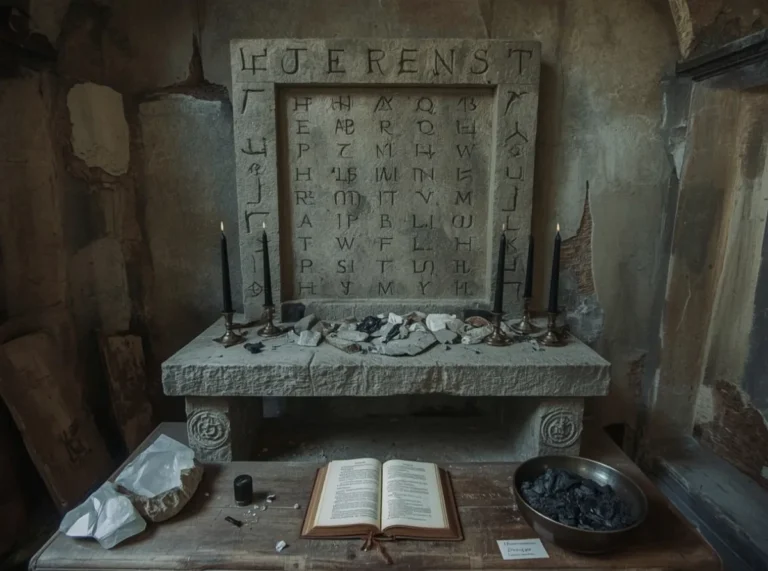
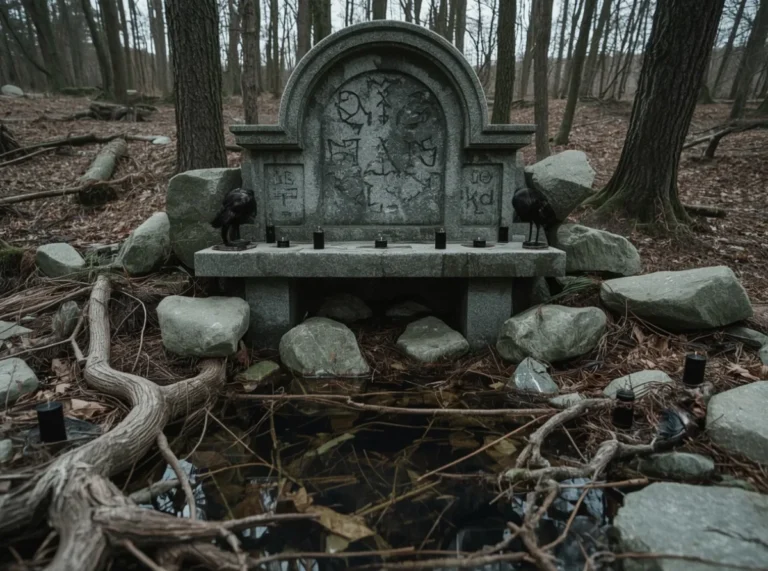
What makes these names compelling is not only their darkness. It is the sense that the darkness has history. These names often sound old, ceremonial, and half-lost, like something written on stone that weathered a thousand years and still refused to vanish.
What Makes Ancient Dark Names Feel Powerful
Ancient dark names work because they suggest layers. They hint at lineage, old magic, and hidden events without explaining everything at once. A good name can imply that a world has a past worth fearing.
They also tend to use sounds that feel firm and deliberate. Harsh consonants can make a name feel severe. Long vowels and heavy endings can make it sound ritualistic. The best names often balance both, so they feel old but still usable in a game, story, or roleplay profile.
Names with forgotten energy usually feel memorable because they imply history, not because they try too hard to sound dangerous.
That balance is important. If a name is too chaotic, it can lose its sense of age. If it is too plain, it may not carry enough mystery. The strongest names feel like they belong to a world that existed long before the current chapter began.
Where These Names Fit Best
Ancient dark names show up naturally in many fantasy spaces. They work for RPG characters, abandoned kingdoms, necromancers, relics, cursed bloodlines, and old gods. They also fit well in roleplay communities where atmosphere matters and names need to do some storytelling on their own.
In games, these names can help define a class or build before the player even chooses equipment. A blade with an ancient name feels different from a simple one. A sorcerer with a name that sounds buried in history feels more believable in a setting shaped by ruins and forgotten orders.
These names are also useful in worldbuilding. They can be given to cities swallowed by sand, forgotten priests, sealed books, or families whose influence faded generations ago. The same naming style can quietly connect many parts of a fantasy world.
Old-Sounding Names With Silent Power
This group leans into age first. The names feel worn, solemn, and deeply rooted in lost history. They are not loud. They do not need to be. Their strength comes from restraint.
- Aldren Voss
- Morveth
- Cael Thorn
- Iskaron
- Velrune
- Draeven
- Othrik
- Serath Vale
- Bronneth
- Maldris
- Elvaren
- Thane Morc
- Veylor
- Arkan Wyr
- Nareth
- Caldrin
- Vorris
- Helmard
- Orven Dusk
- Kaelor
These names often feel suitable for old warriors, sealed guardians, exiled nobles, and ritual keepers. They sound like they belong in a world where titles have been forgotten but the names remain carved into stone.
Some of them work because they are simple. Others work because they hint at missing details. A name like Morveth feels complete, but a name like Serath Vale feels like it has a family story attached to it. That small difference changes the tone without needing extra explanation.
Names With Shadow, Ash, and Ruin
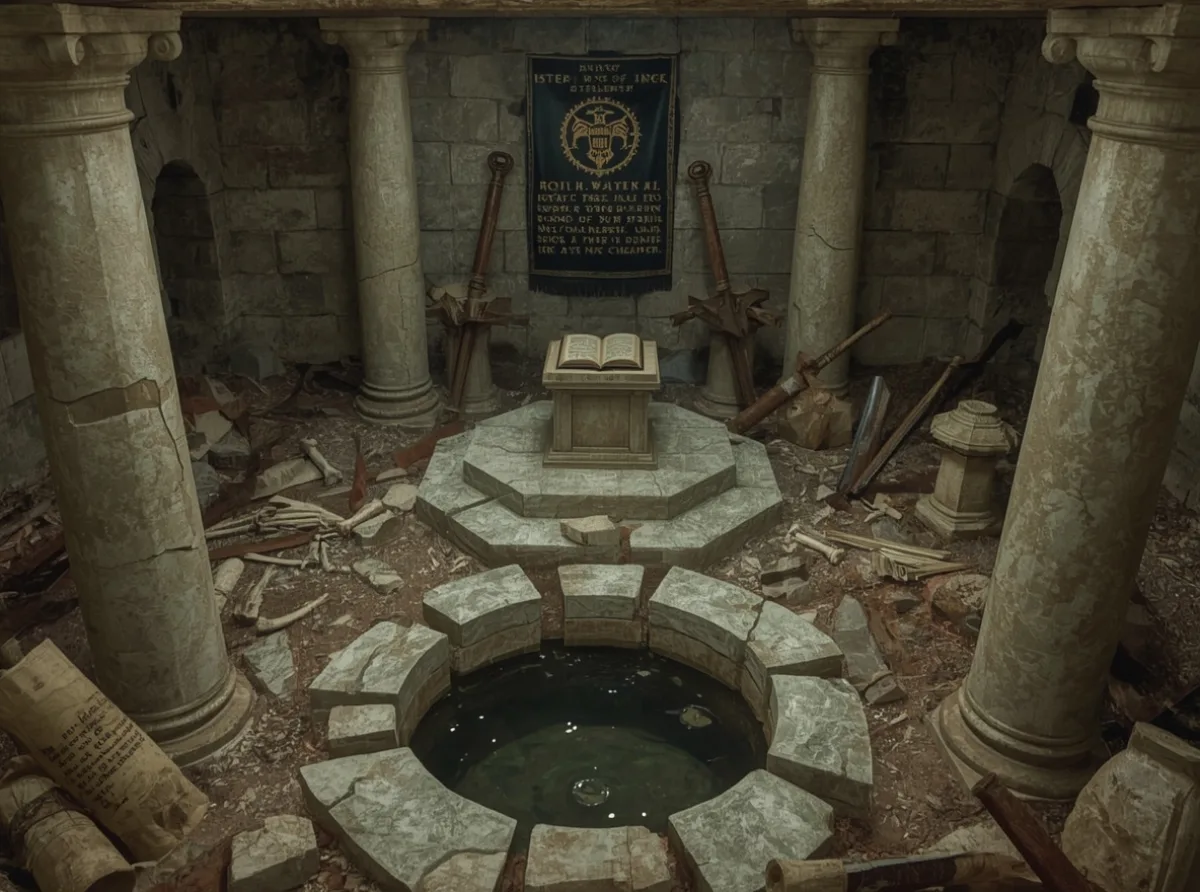
When a name carries the feeling of decay, it becomes easier to connect it to fallen empires and corrupted magic. These names often sound as if they were spoken last in a dying temple or written on a banner that has long since burned.
- Ashmourne
- Varkel
- Nyxar
- Graveth
- Umbrel
- Saelor Ash
- Dravon Hollow
- Korvath
- Lenzir
- Mournic
- Velkaron
- Thess Vor
- Ravik Dread
- Oshrael
- Cindrel
- Marrowen
- Duskran
- Velthar
- Harrow Venn
- Corvane
These names are especially strong when a setting leans into lost kingdoms, wastelands, or magic that left a scar behind. They do not just sound dark. They sound affected by darkness. That difference gives them a more ancient feel.
There is also a practical advantage here. These names are easy to pair with titles, ranks, or relic names. Ashmourne the Last Seer sounds different from Ashmourne, the sealed citadel. The name can support a lot of context without changing itself.
Names That Sound Ritualistic and Arcane
Some ancient dark names feel less like ordinary names and more like words from a spell ledger or a forbidden rite. They suggest old knowledge, careful ceremonies, and secret libraries hidden under temples or beneath dead cities.
- Vhalor
- Sevrin
- Orthael
- Kaldras
- Yseron
- Marvek
- Iltharion
- Vorciel
- Nemoris
- Talveth
- Rhaedun
- Coriel Vane
- Alzareth
- Fenloris
- Drevan Kal
- Ulmeth
- Saevor
- Thariel Mour
- Vaskor
- Eldrath
These names often have a formal shape. They can feel like they belong to scholars, priests, and magic-users who are comfortable with old laws and dangerous knowledge. The energy is not explosive. It is controlled, which makes it more unsettling.
Arcane names feel stronger when they sound like they were preserved by tradition, not invented for style alone.
That preserved feeling matters in fantasy naming. A name that sounds as if it has been copied from manuscript to manuscript often feels more believable than one that tries to be dramatic in a single breath. The memory of old use gives the name depth.
Names With Royal Decay and Fallen Lineage
Ancient dark energy can also come from nobility that has lost its glory. These names feel expensive, but in a ruined way. They carry the shape of courts, bloodlines, seals, and ancestral responsibilities that no longer have a clean future.
- Valcor Dain
- Serik Morvain
- Lucen Thrall
- Varian Noct
- Caldor Vire
- Evrek Sil
- Maelor Graves
- Theron Vail
- Jorim Blackhall
- Rhevan Oris
- Seldrin Vale
- Torvane Kest
- Alaric Mourn
- Vesper Haln
- Orric Dusk
- Edryn Vor
- Cassian Wreath
- Belmor Ashen
- Ravelle Thorn
- Ulric Sable
These names work well when a character still carries the echoes of a court that no longer exists. They can feel formal, but not polished. The damage is part of the identity.
In a story or game, this kind of name is useful for princes, heirs, exiled lords, curse-bound dynasts, and old houses with too many sealed chambers. The name itself tells you that the past is not finished with them.
Names That Feel Like Forgotten Gods or Primeval Spirits
Some names move beyond human history. They feel older than kingdoms, and a little too heavy for normal conversation. These names are useful when a character, entity, or relic needs to feel ancient in a cosmic or mythic way.
- Zhoran
- Ilvax
- Oryth
- Thaevos
- Moruz
- Veleth
- Arzun
- Keloth
- Urvanox
- Nyther
- Rhulen
- Saevorath
- Drakonis
- Vhalzur
- Imorath
- Korzeth
- Valeos
- Orvash
- Helvyr
- Xerathune
These names are often best used carefully. They can feel too massive if attached to an ordinary background role, but they are excellent for ancient beings, sealed powers, and world-shaping forces. A single name like Xerathune already suggests a long history of ritual, fear, and reverence.
They also work well as root names for related titles. Zhoran can become Zhoran of the Deep Gate, while Thaevos might suit a forgotten god worshiped in only one surviving region. The name carries enough weight to support that kind of expansion.
Subtle, Strong, and Legendary Forms
Ancient dark names do not all need the same intensity. Some are subtle and almost understated. Others feel strong and grounded. A few are openly legendary. Each version creates a different impression, even when the dark theme stays the same.
| Type | Feeling | Best Use |
|---|---|---|
| Subtle | Quiet, aged, mysterious | Scholars, relics, hidden places |
| Strong | Firm, ancient, severe | Warriors, guardians, rulers |
| Legendary | Mythic, vast, world-bearing | Gods, relics, ancient bloodlines |
Subtle names like Morveth or Elvaren do not shout. They linger. Strong names like Vhalor or Alaric Mourn feel more direct and grounded. Legendary names like Saevorath or Xerathune carry a larger mythic frame, which works well if the setting already supports that scale.
The best choice depends on the character’s place in the world. A quiet archivist may need a restrained name. A cursed heir may need a heavier one. An ancient sealed power can take something broad and monumental.
How to Make These Names Feel Natural in a Setting
Names with forgotten energy become more convincing when they match the world around them. A name that sounds too polished in a broken wasteland can feel out of place. A name that feels too raw in a courtly fantasy setting may lose its force. The goal is not just darkness, but fit.
One easy way to test a name is to imagine it in three places: spoken by a common villager, written in an old book, and carved onto a relic. If it works in all three, it probably has enough flexibility to hold up in a real campaign or story.
- Use sharper sounds for harsh or war-torn settings.
- Use longer, flowing names for mystical or religious worlds.
- Use short names when the character or place should feel ancient and efficient.
- Use surname-like additions when you want nobility, burial, or dynasty.
- Use title-like endings when you want ritual or prophecy.
Small changes can also shift the tone. Morveth feels colder than Morven. Vhalor feels more severe than Valor. Those tiny choices matter because fantasy naming often lives in the details.
Alternative Naming Patterns That Carry the Same Mood
Not every ancient dark name needs to sound identical. Some can borrow from different naming patterns while keeping the same sense of old, forgotten power. That variety helps a world feel broader.
- Single-word names: Morveth, Nyther, Graveth, Oryth, Vaskor
- Two-part names: Serath Vale, Harrow Venn, Coriel Vane, Alaric Mourn
- Title-based names: The Last Seer, Keeper of Ash, Warden of the Hollow Gate
- Relic-style names: Crown of Velthar, Blade of Saevorath, Book of Orthael
These patterns are useful because they let the same atmosphere appear in different forms. A single-word name can feel intimate and old. A two-part name can imply lineage or place. A title can suggest role and reputation. A relic name can deepen the history of the world without needing a full backstory on the page.
That flexibility is one reason ancient dark naming remains popular in fantasy. It can be quiet or grand, human or mythic, personal or ceremonial. The energy stays the same even when the shape changes.
A Final Set of Names With Deep, Faded Power
This last group blends several of the tones above. Some feel royal. Some feel cursed. Some sound like they should be found on a grave marker, a sealed gate, or the spine of a forbidden archive.
- Tharic Voss
- Velmorn
- Orzek
- Sael Vorin
- Mourdan
- Calveth
- Drexis Vale
- Elthorn
- Varnic Dusk
- Ulmeron
- Reth Cairn
- Ossian Darke
- Morvyn
- Lareth Hollow
- Veyris
- Haldren Mourn
- Koravel
- Talmor Ash
- Ardune Vail
- Selvar Nox
These names are useful when the exact role is not fixed yet, but the atmosphere is. They can move between character, place, and artifact without losing the same old, buried feeling. That kind of versatility is what keeps a naming style useful across different fantasy projects.
Ancient dark names work best when they sound like they have survived something. Not just time, but meaning. That is the hidden appeal. The energy feels forgotten, yet still present, like a sealed chamber that has never stopped holding its breath.