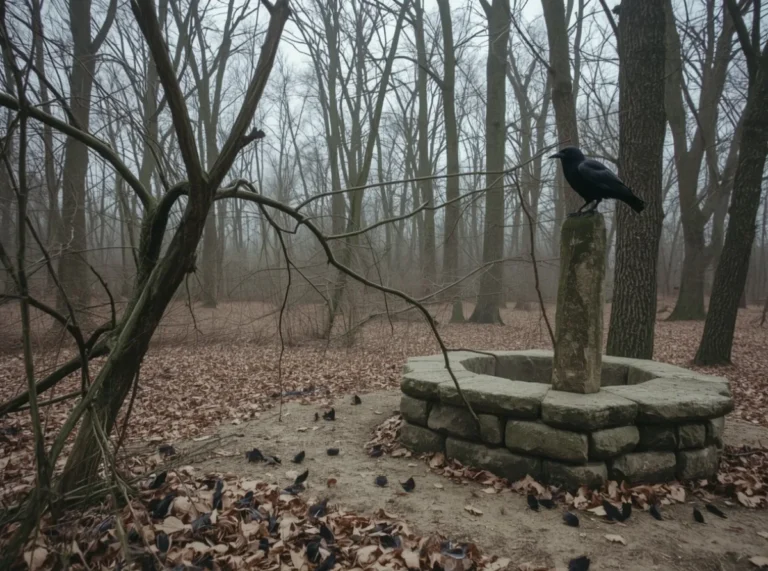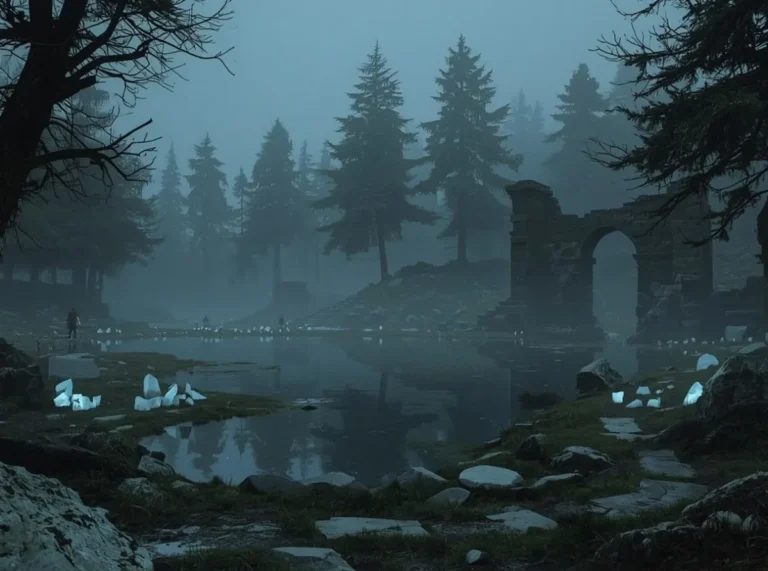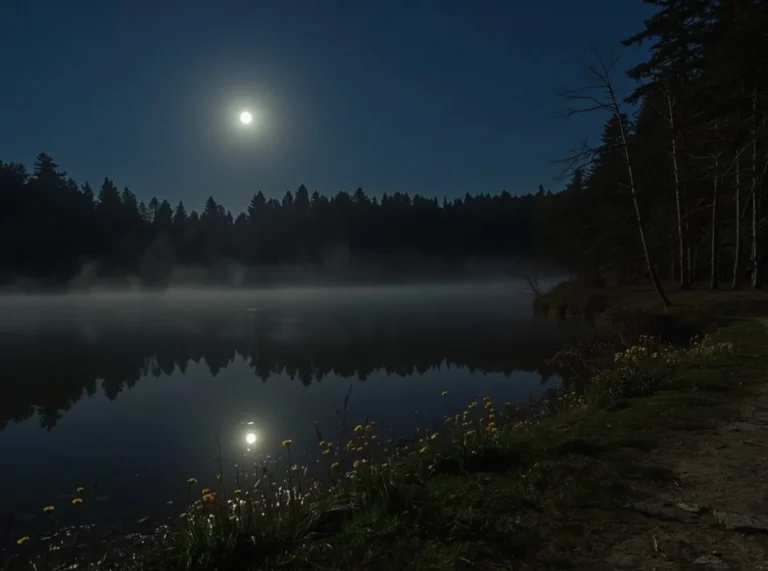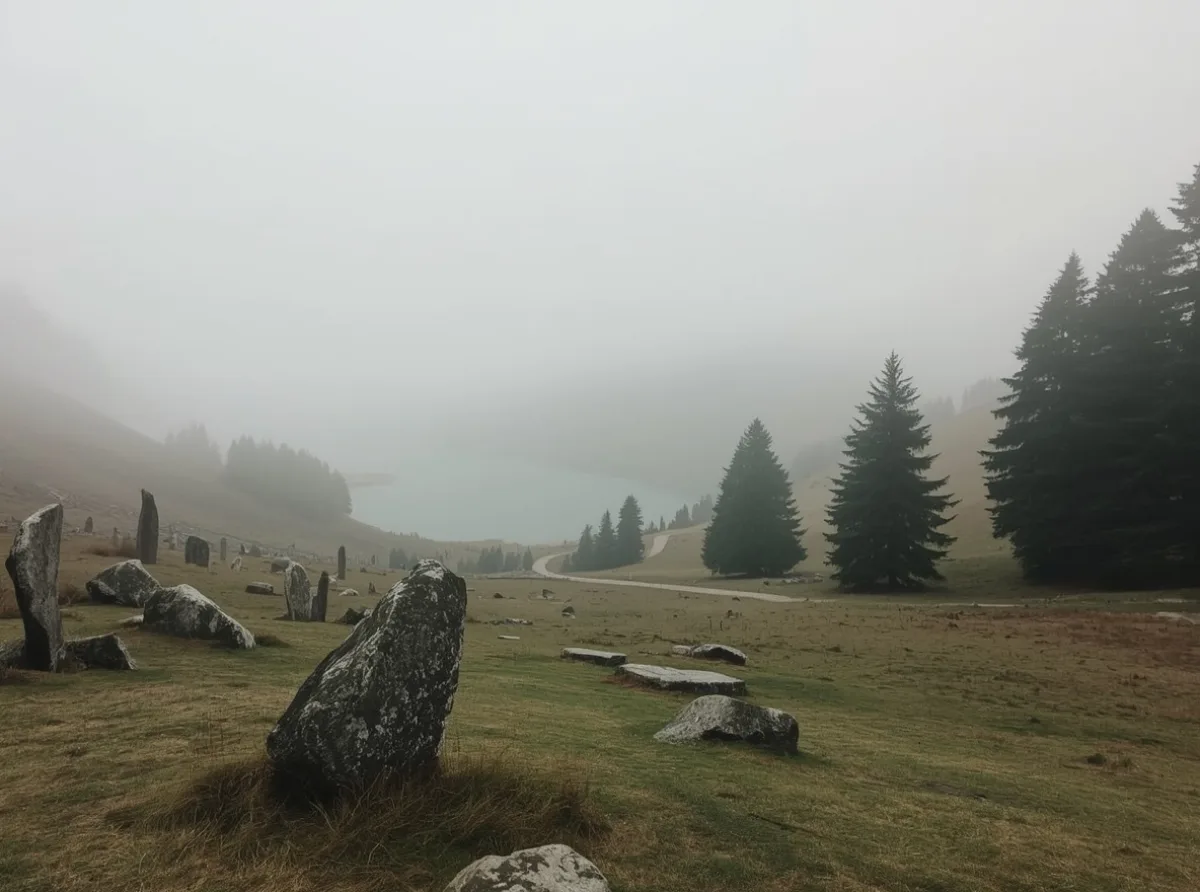
Fog changes a scene fast. It softens edges, hides distance, and makes even familiar places feel uncertain. In fantasy naming, that same quality can turn a simple name into something memorable. A fog-inspired name does not need to sound heavy or complicated to feel strange, ancient, or magical.
Mist and fog names work well because they carry atmosphere without saying too much. They suggest hidden roads, quiet forests, moonlit ruins, and villages that only appear when the weather shifts. A good name in this style often feels smooth at first, then leaves a trace of mystery behind it.
That makes these names useful in games, novels, roleplay, and worldbuilding. They can suit druids, witches, rangers, nobles, spirits, scholars, and entire places. Some sound soft and lyrical. Others feel cold, distant, and eerie. The best ones stay flexible while still giving a clear image.
What Makes Fog and Mist Names Feel Immersive
Names inspired by fog and mist usually rely on a few shared qualities. They often sound quiet rather than loud. They lean into flowing syllables, pale imagery, and words connected to weather, shadow, water, and distance. Even when the name is invented, it often feels like it belongs near a marsh, a mountain pass, or a hidden harbor.
The mood matters as much as the sound. A mist-based name can feel safe, lonely, sacred, or unsettling depending on the vowel shapes and consonants used. Soft letters can suggest drifting vapor. Sharper sounds can create the feeling of something concealed inside the haze.
Names in this theme feel strongest when they suggest concealment, silence, or change. The fog should seem present even if it is never named directly.
Another reason this naming style works is that fog has movement. It does not sit still. It rolls, curls, gathers, and clears. That makes it a natural source for names that feel alive, as if they belong to places or people that are always shifting.
Common Themes Behind Fog and Mist Names
Before choosing specific names, it helps to know the imagery that usually drives them. Fog and mist names often pull from weather, moonlight, water, stone, and twilight. They may also borrow from old languages, forgotten titles, and the names of natural features that feel remote or hidden.
- Weather: fog, mist, haze, vapor, cloud, drizzle, veil
- Water: marsh, tide, river, rain, dew, lake, brine
- Light: moon, dawn, dusk, silver, pale, dim, sheen
- Landscape: moor, fen, ridge, vale, shore, hollow, cliff
- Mystery: veil, wisp, hush, shroud, drift, blur, echo
These themes can be mixed in different ways. A name can feel elegant if it uses moonlit or watery imagery. It can feel ancient if it leans toward stone, hollow, and veil. It can feel more dangerous if it uses words that suggest loss of sight or direction.
Soft and Lyrical Fog-Inspired Names
These names feel gentle, airy, and a little distant. They fit healers, woodland mages, couriers, dreamwalkers, and places that seem to vanish into the weather. The sound matters here. Rounded vowels and smooth consonants help the names feel like drifting vapor.
- Althira
- Brumelle
- Caliven Mist
- Drevael
- Elowen Veil
- Faelith
- Gwyra
- Halevia
- Ilyra Fogsong
- Jorelle
- Kaelora
- Luneth
- Marrowyn
- Naelith
- Olys Mistborne
- Perelune
- Quivra
- Rhovanell
- Saelith
- Thera Vale
- Ulmira
- Veylin
- Wystra
- Yllara
- Zephriel
These names work best when they are not overloaded with hard consonants. A name like Perelune sounds like moonlight caught in fog. Elowen Veil feels like a person whose presence is quiet but never forgotten. The softness gives the name room to breathe.
If you want to make one of these names feel even more grounded, pair it with a simple surname or title. Naelith of the Grey Fen or Veylin Marshwarden keeps the atmosphere while adding practical detail.
Darker and More Eerie Mist Names
Fog can also be unsettling. It hides shapes, muffles sound, and makes empty spaces feel occupied. That side of the theme works well for cursed forests, abandoned towns, haunted waterways, and characters with secretive or dangerous roles. These names often use sharper edges, deeper sounds, or heavier endings.
- Ashmire
- Belvorn
- Corveth
- Duskryn
- Ebonvale
- Fallowe
- Gravemist
- Harrowe
- Ivran Shade
- Jorvak
- Krellis
- Morhane
- Nevrak
- Orris Wraith
- Palegarn
- Quarren Dread
- Rookmere
- Silthar
- Thorneveil
- Umberlyn
- Varric Mistfell
- Wraithen
- Xelmar
- Yorvash
- Zarneth
Names in this group feel heavier because they carry more weight in the mouth. Thorneveil suggests something beautiful with a sharp edge behind it. Rookmere sounds like a dark marsh or a house standing at the edge of a flooded plain. These names are useful when you want mystery with a harder outline.
Dark fog names often sound strongest when one part of the name feels natural and the other part feels slightly corrupted or distant. That contrast creates tension.
They are especially good for villains, rival nobles, cursed knights, assassins, and old ruins that have their own names in local legend. They also work well for locations that are feared more than understood.
Ancient and Mythic Fog Names for Characters or Places
Some fog names feel older than the current age of the world. They have a mythic quality, as if they were spoken in an older language and slowly changed over centuries. These names usually sound formal, layered, and rooted in old stories.
- Aelthorin
- Brannoc Veil
- Caelmir
- Dorvath Mistguard
- Eirath
- Fendral
- Galenor Hush
- Helvyr
- Ithrael
- Kaerthun
- Lorimel
- Maerovan
- Nytharel
- Othren Vale
- Parhelion
- Quelmaris
- Ravethan
- Selthior
- Thalanor
- Ulvareth
- Vaerion
- Wyrandel
- Ysorien
- Zelmarion
These names often feel best in high fantasy settings where lineage, prophecy, and ancient magic matter. Caelmir and Selthior sound like names a historian might copy from a crumbling manuscript. Dorvath Mistguard feels like a title passed along a line of guardians who watch a border no one else wants to cross.
Mythic names do not need extra decoration. In fact, too many added elements can weaken them. The strength comes from balance: a name that sounds old, but still clean enough to say without effort.
Fog and Mist Names for Women, Men, and Unisex Characters
Fog-inspired names can be adapted to many character types. Some names lean graceful and feminine. Others sound rugged or stern. Many can work either way depending on the last name, title, or role in the story. That flexibility is one reason this theme stays useful.
Names with a graceful tone
- Aralune
- Belwyn
- Celmira
- Delora Mist
- Elysse
- Fiora Veil
- Galenya
- Haloria
- Ismere
- Junelle
- Kaira
- Liora Fen
- Mirelle
- Nysera
- Orelith
Names with a firmer, grounded tone
- Arden Fogwell
- Brennar
- Corwin Mist
- Darric Vale
- Edric Hallow
- Farlan
- Garron Wisp
- Hale Corven
- Iver Fen
- Jarek Moors
- Kaelen Rook
- Loric
- Merrick Veil
- Nevan Grey
- Orlan Drift
Names that feel flexible and unisex
- Ashveil
- Brume
- Cloudmere
- Drift
- Embermist
- Fogryn
- Hush
- Ivorye
- Moonveil
- Nim
- Osprey
- Pale
- Quillmist
- Rowan Veil
- Shale
Unisex names work especially well in roleplay and games because they can fit many archetypes without forcing a narrow tone. Ashveil feels deliberate and adaptable. Moonveil is softer and more magical. Shale is short, plain, and sturdy, which can be effective in a world full of elaborate names.
Names for Misty Places, Regions, and Landmarks
Fog and mist names are not only for people. They are often even stronger for locations. A place name can hold more atmosphere because it shapes how players or readers imagine the area before they step into it. The right name can make a road, valley, tower, or island feel lived in.
- Briar Mist Vale
- Cloudfen Reach
- Duskmere Hollow
- Echohaze Ridge
- Frostveil Pass
- Greywater Fen
- Hollowmere
- Ivory Marsh
- Juniper Shroud
- Kestrel Fogbank
- Lunar Drift Coast
- Moonfen
- Northveil Crossing
- Old Brume Road
- Palehaven
- Quiet Marsh
- Rimewatch Cliffs
- Silverhush Glen
- Thistledown Moor
- Umbral Lake
- Veilstone Keep
- Wickerfog Bay
- Whisperfen
- Yarrow Mist Fields
- Zerith Hollow
Place names like these work because they create a scene in one breath. Veilstone Keep sounds like a fortress built to endure long winters and strange weather. Whisperfen suggests wet ground, low sound, and something barely visible at the edge of the path.
For locations, the most effective fog names often combine one concrete feature with one atmospheric word. That pairing makes the place easy to picture and still mysterious.
This style also helps with maps. Regions can use larger names like Cloudfen Reach or Moonfen, while smaller landmarks can use tighter names like Hollowmere or Silverhush Glen.
How to Make Fog and Mist Names Feel Believable
Even invented names feel more convincing when they follow a pattern. One common approach is to use a soft opening and a strong ending, or the reverse. Another is to combine a nature word with a name-like ending that sounds regional or historical. That keeps the name from feeling random.
It also helps to decide what kind of fog you want the name to suggest. Sea fog feels different from mountain mist. Marsh fog feels different from winter haze. A name built from the wrong image can still sound good, but it may not match the setting as well as it could.
Useful naming patterns
- Weather word + place ending: Mistvale, Fogmere, Hazeholm
- Soft name + title: Elowen of the Veil, Naelith Fogwarden
- Ancient root + atmospheric ending: Thalanor, Eirath, Selthior
- Two-image blend: Moonhush, Greywater, Silverbrume
- Single evocative word: Brume, Hush, Drift, Shroud
Short names can be powerful if they are chosen carefully. A name like Brume feels direct and atmospheric. Longer names can feel ceremonial or old. The best choice depends on whether you want the name to sound like a common local term, a noble family name, or something from an older language.
Subtle, Balanced, and More Dramatic Variations
Fog and mist names can sit anywhere on the spectrum from subtle to dramatic. A subtle name feels easy to use in daily play and fits common characters. A dramatic name is more striking, but it can also feel less flexible if overdone. Balanced names usually age the best because they are descriptive without being too specific.
Subtle names
- Mirel
- Vesca
- Halen
- Bruma
- Oren Vale
- Selin
- Wren Fog
- Elra
- Torin Mist
- Nyel
Balanced names
- Caldor Veil
- Esmere
- Fennor Haze
- Lysen Moor
- Marrow Vale
- Orith Mist
- Riven Fog
- Sorrel Hush
- Thessa Brume
- Varren Glen
More dramatic names
- Ashenveil
- Blackbrume
- Crowmist
- Dreadhollow
- Evershroud
- Gloamfrost
- Morrowveil
- Nightmist
- Ruinfog
- Wraithmoor
Subtle names are often easier to live with in long campaigns. Dramatic names can be excellent for major villains, legendary places, or rare relics. Balanced names tend to be the most versatile because they leave room for the character or place to grow.
Choosing a Fog or Mist Name for Your World
The best fog and mist names usually match three things: setting, function, and tone. A wandering herbalist does not need the same kind of name as a hidden fortress. A royal line does not need the same sound as a ghost town. Once you know the role, the name becomes easier to shape.
If the world leans hopeful, look for names that feel pale, quiet, or moonlit. If the world is more dangerous, choose names with harder consonants and darker endings. If the world is old and full of lore, use names that sound inherited rather than invented on the spot.
A good fog name should feel like part of the landscape, not a label pasted on top of it.
That is what gives these names their lasting appeal. They sound like they belong to places where paths disappear, histories linger, and not every shape in the distance is easy to trust. The mist does not need to be mentioned twice when the name already carries it.
Whether the name is soft, eerie, ancient, or practical, the strongest ones leave a little space around them. That space matters. It is the gap where fog lives, and where fantasy names become memorable.