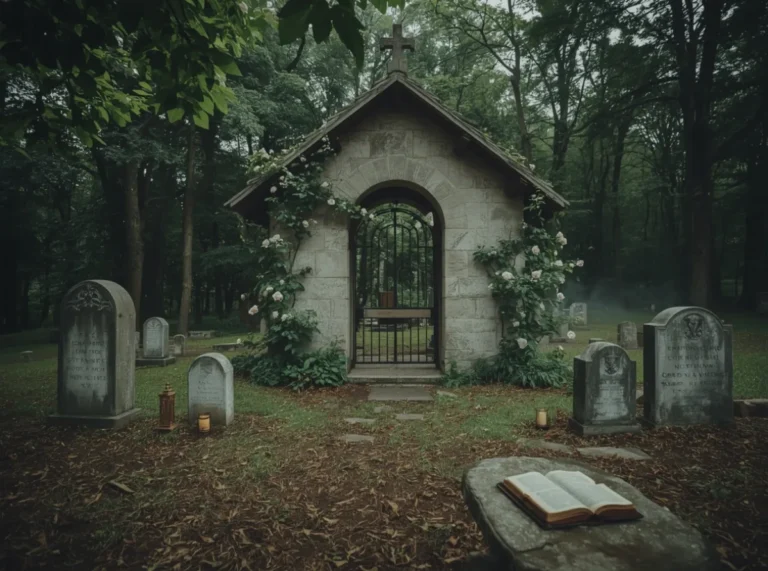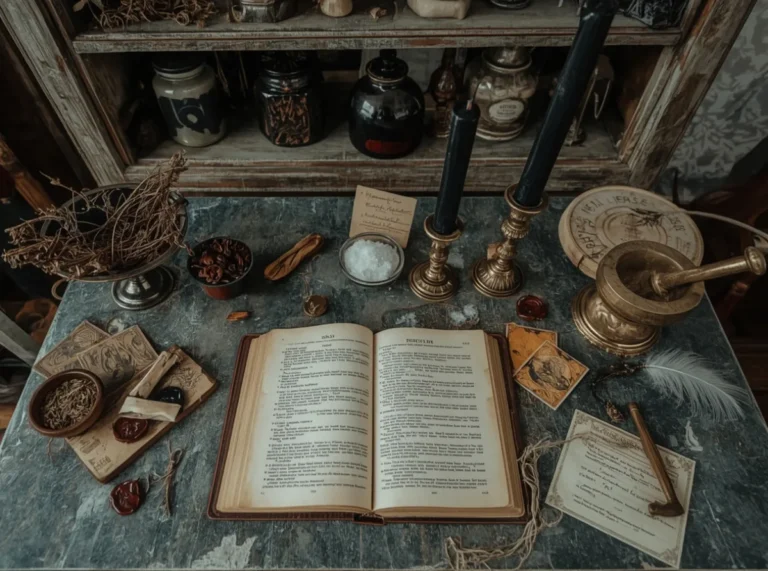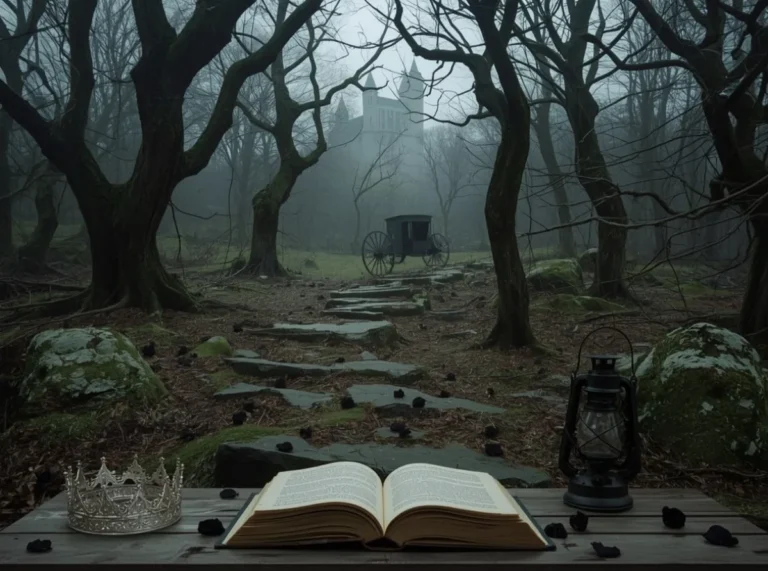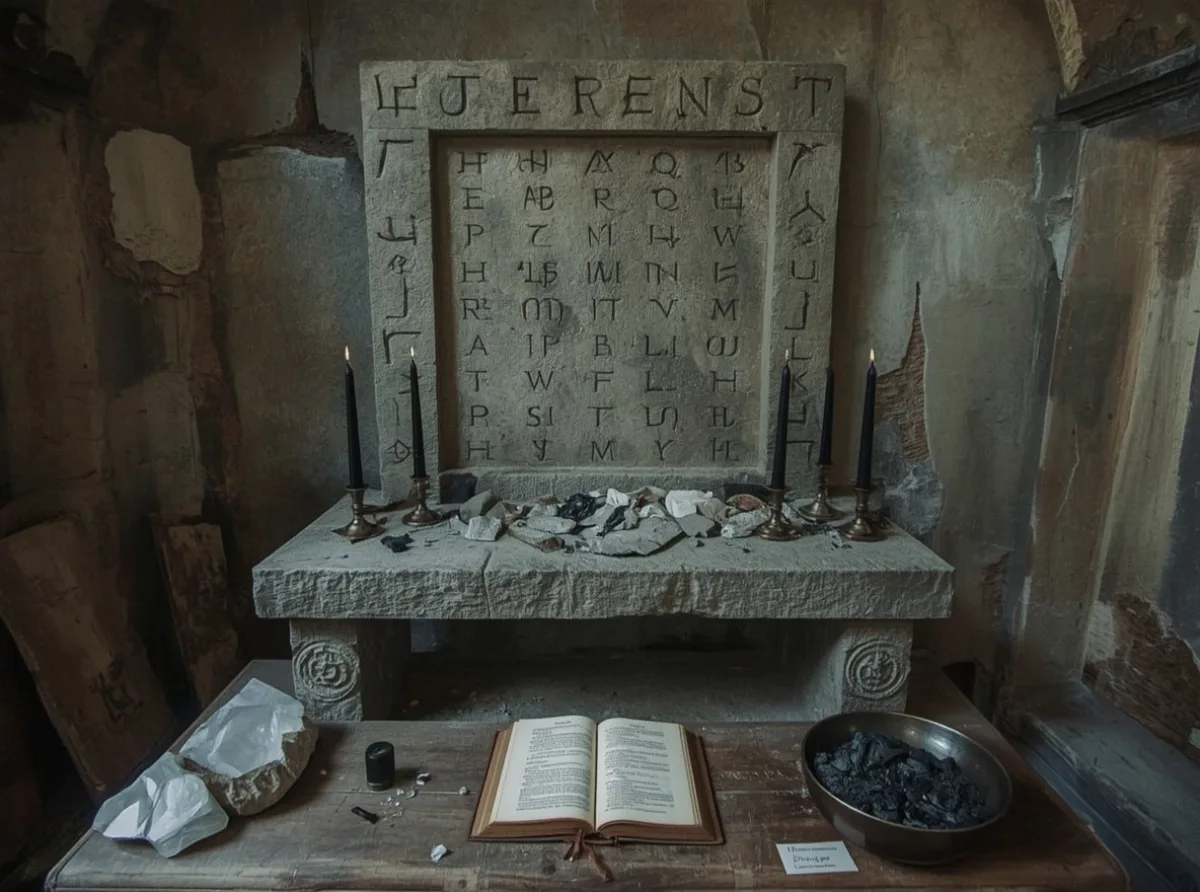
Some names sound like they were spoken once in a sealed tower and never repeated aloud. They carry a quiet weight, a hint of old magic, and a shadow that never fully leaves them. Mystic shadow names do that especially well. They feel arcane without becoming too ornate, dark without losing elegance, and memorable without sounding forced.
That balance matters more than most people think. A good fantasy name does not need to explain everything at once. It only needs to suggest a world behind it. With shadow-themed names, the best ones often feel as if they belong to a mage, a keeper of forbidden lore, a moonlit assassin, or a wanderer who knows too much about ancient ruins.
These names work because they carry atmosphere. They hint at secrecy, ritual, dusk, ash, eclipse, and hidden power. Some feel soft and whisper-like. Others sound sharp, cold, and ceremonial. The strongest choices usually sit somewhere between those extremes, where mystery feels believable and the name still rolls off the tongue naturally.
What Gives a Shadow Name Its Arcane Feel
Mystic shadow names often share a few traits. They may use syllables that sound old, strange, or slightly distant from modern speech. They may include references to night, void, veil, rune, ember, moon, hollow, or dusk. They also tend to avoid sounding too plain. Even one unusual sound can change the whole mood.
What makes them feel arcane is not just darkness. It is the sense of hidden structure. A name like this can suggest magic that has rules, symbols, and history. It feels as if the person behind it studied lost scripts, walked through forgotten places, or inherited a power with a price.
A shadow name feels strongest when it sounds intentional. Random darkness words can feel flat, but a name shaped by rhythm, lore, and restraint feels like part of a real setting.
There is also a difference between “dark” and “mystic.” Dark names often focus on fear, death, or menace. Mystic names lean toward the unknown, the sacred, and the hidden. When you combine the two, the result can feel layered instead of one-note.
Where These Names Fit Best
These names show up naturally in fantasy games, tabletop campaigns, novels, and roleplay settings. They are especially useful when a character needs presence without sounding overly heroic or cartoonishly evil. They can fit a mage, a rogue, a necromancer, a priest of an old moon cult, or even a quiet scholar with dangerous knowledge.
They also work well for names of places, familiars, magical relics, and guilds. A name like this can describe a character, but it can also describe an atmosphere. That is one reason players keep returning to this style. It gives the setting more texture.
- Fantasy RPG characters
- Tabletop spellcasters and occultists
- Dark academies and hidden orders
- Story villains with refined presence
- Antiheroes, witches, and shadowborn wanderers
- Magical artifacts, grim tomes, and spirit companions
Names That Feel Soft, Veiled, and Secretive
Soft shadow names usually sound quiet rather than aggressive. They often use flowing vowels, gentle consonants, and images tied to mist, moonlight, dusk, or silence. These names are a good fit for characters who feel elusive, calm, observant, or inward-looking.
They can still feel magical, but the magic is restrained. Instead of thunder and fire, you get veils, whispers, and pale constellations. That makes them useful for mages, moon clerics, dreamwalkers, and fey-touched characters.
- Selvane
- Nyrel
- Virelith
- Oryssa
- Maelorin
- Elthara
- Thalune
- Seridyn
- Velora
- Calisvae
- Iskara
- Morwenna
- Luneth
- Elaris
- Vaelis
- Shyren
- Aureth
- Selvara
- Myrith
- Corvel
These names work especially well when the last syllable fades instead of landing hard. That gives them a drifting quality. You can almost hear them in a corridor lined with candles and old stone.
Why soft names feel so immersive
Soft names do not demand attention. They invite it. That makes them ideal for characters who carry secrets, memory, or quiet authority. They can suggest someone who uses restraint as a form of power.
In gameplay, this can help create a character who feels distinct without sounding dramatic every time their name is spoken. In writing, it makes room for subtlety. A soft name can carry a lot of history without spelling it out.
Names That Sound Ancient, Ritualistic, and Rune-Bound
Some mystic shadow names should feel less like a whisper and more like a preserved inscription. These names often lean toward harder consonants, older-looking structures, and a ceremonial tone. They feel as if they belong on a carved pillar, a forbidden grimoire, or a black seal stamped into wax.
They are useful when a character needs gravitas. Not every shadow-themed name should be delicate. Some should sound like they have survived centuries.
- Kaelthorn
- Vandrel
- Orzeth
- Maldrune
- Threxil
- Corvane
- Azrion
- Drevik
- Selkhar
- Vorath
- Nyxar
- Belthune
- Morzath
- Arkhel
- Veydrin
- Rauthen
- Edrak
- Caldrith
- Hexoril
- Therzun
Many of these names sound better when paired with a title or role. For example, Kaelthorn of the Black Reliquary or Morzath, Keeper of the Seventh Sigil. The name gains depth when the world around it is implied.
Ancient-sounding shadow names often work best when the rest of the character concept is equally grounded. A strong name can carry mystery, but a believable role gives it weight.
When to choose a ritualistic name
If your character is tied to ceremonies, old orders, forbidden tomes, relic hunting, or bloodline magic, this style fits well. It can also suit antagonists who are more controlled than violent. The name itself becomes part of the warning.
These names rarely feel casual. That is their strength. They sound like they belong to systems, oaths, and old power structures.
Names With a Hollow, Lunar, or Eclipse Mood
Shadow names do not always need to feel aggressive or ancient. Some of the most effective ones are built around absence, emptiness, moonlight, and veiled light. They feel cool, distant, and a little untouchable. That is useful for characters who seem emotionally guarded or spiritually altered.
This kind of naming style often blends darkness with light instead of treating them as opposites. The result is less brutal and more atmospheric.
- Noctelis
- Umbraen
- Vespera
- Lunovar
- Hollowsen
- Shadevine
- Eclipsa
- Velnox
- Moonreach
- Nythera
- Duskwen
- Ombrel
- Silthara
- Nightmere
- Viremoon
- Ashlune
- Caligo
- Gloamir
- Sablewyn
- Thyros
Names in this group often have a wider, quieter mood. They can feel less like a weapon and more like a condition, a curse, or a long night that never quite ends. That subtlety is what makes them useful for refined fantasy settings.
How lunar names change the tone
Moon-linked shadow names often sound contemplative rather than hostile. They are a good fit for seers, healers with a forbidden edge, night travelers, and characters who live between worlds. The name can imply distance without making the character cold.
They also work in settings where magic is tied to cycles, constellations, tides, and celestial rites. In those worlds, the name feels earned, not decorative.
Dramatic Names That Still Feel Controlled
Some players want a stronger presence. They want a name that sounds dangerous, but not absurd. The trick is control. A dramatic name should create tension, not clutter. One sharp image or one strong consonant is often enough.
These names usually feel bolder, but they avoid the overload that makes fantasy names sound silly. They still belong to the same arcane world; they just speak with more force.
- Varkhyl
- Zareth
- Morhune
- Dravik
- Kelzara
- Vorrenn
- Xylaren
- Arkhon
- Tharvex
- Solvyr
- Karethis
- Nyzrael
- Valdrix
- Serakh
- Korvath
- Elyndor
- Rhazen
- Duskryn
- Vhalor
- Gravien
These names are easy to imagine in a fight, a duel, or a scene involving sealed gates and dangerous bargains. They are not all villains, but they do sound like people who know how to stand still in a room and change the mood immediately.
Dramatic shadow names work best when the character concept supports their intensity. A strong name without a strong role can feel exaggerated, but the right setting makes it believable.
Subtle Variations and Naming Patterns
Once you notice the patterns, you can start mixing them more naturally. Shadow names often borrow from a few recurring shapes: syllables like vel, th, nyx, mor, cal, vor, lun, and ash. They may use endings such as -en, -is, -or, -ath, -yn, or -el. None of these pieces are special on their own, but together they create familiarity with a slightly alien edge.
That is the practical side of naming. You want enough structure that the name feels believable, but enough variation that it does not sound copied from the same source every time.
Common pattern types
- Soft first syllable plus hard ending: Velkhar, Lunthar, Myrzeth
- Hard first syllable plus flowing ending: Voralis, Threxa, Kaelorin
- Moon or dusk root with an elegant finish: Duskara, Noctel, Vesperyn
- Rune-like construction with clipped sound: Caldrune, Orzeth, Varkel
- Elven-leaning shadow structure: Selvane, Vaelis, Elthara
These patterns help if you want to build your own names. You do not need to force meaning into every syllable. Sometimes the sound alone does enough work.
Names by Character Type
Different character roles benefit from different levels of darkness. A scholar and a spellblade should not sound identical. A name can suggest personality before the first line of dialogue appears. That is one reason this style remains so useful in roleplay and fantasy games.
| Character Type | Name Mood | Example Names |
|---|---|---|
| Arcane scholar | Quiet, precise, old | Selvane, Caldrith, Elthara |
| Shadow assassin | Sharp, fast, elusive | Varkhyl, Nyxar, Rhazen |
| Moon priest | Soft, ritual, celestial | Luneth, Vespera, Oryssa |
| Forbidden mage | Ancient, dangerous, sealed | Morzath, Arkhon, Maldrune |
| Wandering seer | Drifting, quiet, uncanny | Thalune, Seridyn, Elaris |
This kind of matching helps the name and the character feel like they belong to the same idea. It is a small detail, but it changes the whole impression.
How to Keep Shadow Names From Feeling Overdone
It is easy to overbuild a fantasy name. Too many apostrophes, too many hard consonants, or too many dark words can make a name lose its shape. The best mystic shadow names usually keep one clear anchor. That anchor might be sound, meaning, or mood.
Another useful trick is contrast. A name with a dark base and a graceful ending often feels richer than one that stays heavy all the way through. Likewise, a name with a soft beginning and a sharper end can feel more dynamic.
- Keep pronunciation manageable
- Use one strong image rather than three competing ones
- Avoid stacking too many identical dark syllables
- Let the name suggest lore instead of spelling it out
- Test how it sounds spoken aloud, not just written down
If a name feels impressive on paper but awkward in conversation, it usually will not stick. A good shadow name should be easy enough to remember and strange enough to feel special.
Alternative Styles That Still Carry the Same Mood
Not every name in this space has to sound high fantasy. Some can feel more modern, cleaner, or slightly minimalist while still carrying arcane weight. That approach works well when you want a character to feel accessible without losing mystery.
These names are especially useful in hybrid fantasy settings, game worlds with lighter naming rules, or stories where the magic is ancient but the culture is less ceremonial.
- Nyra
- Voss
- Calen
- Seraeth
- Orin Vale
- Thorn Vey
- Mira Noct
- Kael Varyn
- Lysa Mor
- Evren Shade
- Riven Sol
- Arden Vail
- Sel Vire
- Corin Nyx
- Mae Voren
These forms can feel modern and fantasy-adjacent at the same time. They are less ceremonial, but they still carry the same hidden-depth energy. In some worlds, that is a better fit than something more ornate.
Choosing the Right Level of Mystery
Not every shadow-themed name should feel equally unreadable. A character with a clear role may benefit from a name that is easier to grasp. A more enigmatic figure can handle a stranger shape. The level of mystery should match the amount of time the audience will spend with the name.
For recurring characters, clarity matters. For legendary figures, a little distance can be effective. If the name appears in a party roster, it should be memorable at a glance. If it appears in a prophecy or an ancient archive, it can be more cryptic.
The best arcane shadow names do not try to be obscure for their own sake. They feel like they belong to a culture, a history, or a magical tradition that still has rules.
Using Shadow Names for Locations and Lore
These names are not limited to people. They work beautifully for towers, relics, valleys, spells, and organizations. In fact, some of the strongest uses of this naming style show up outside character creation. A place or artifact with the right name can anchor the entire mood of a campaign.
- The Hollow Veil
- Obsidian Choir
- Moonless Archive
- Vesper Vault
- Black Sigil Keep
- Ruin of Thorns
- The Seventh Ash
- Cathedral of Gloam
- Nightglass Spire
- Umbral Court
These titles can inspire character names too. Once you know the tone of the place, the naming language starts to make sense. That is often how fantasy worlds become more cohesive. The names echo each other without feeling repetitive.
Closing Thought
Mystic shadow names work because they feel like they came from a world with hidden laws. They can be soft, severe, lunar, ritualistic, or quietly dangerous. Some sound like whispered secrets. Others sound like carved warnings. The right choice depends less on complexity and more on whether the name carries the same atmosphere as the character or place it belongs to.
When the sound, mood, and implied history line up, the name stays with you. It feels like part of the setting instead of just decoration. That is where arcane shadow naming becomes most effective.