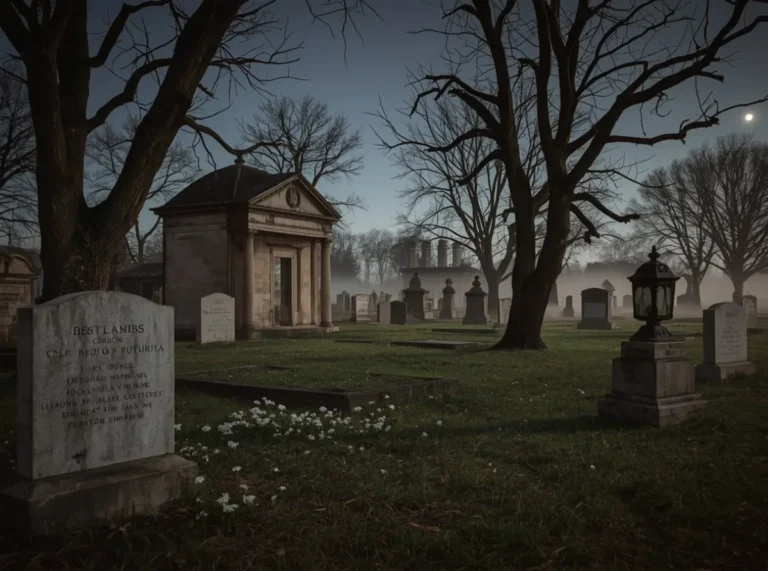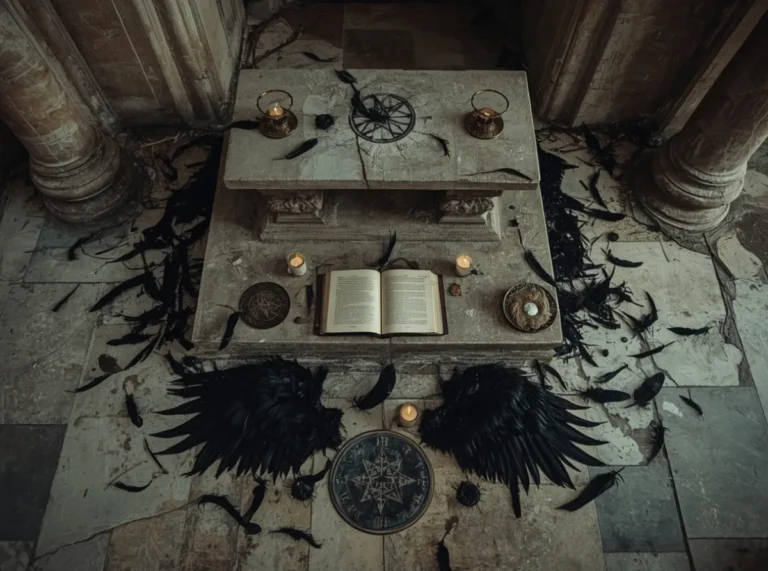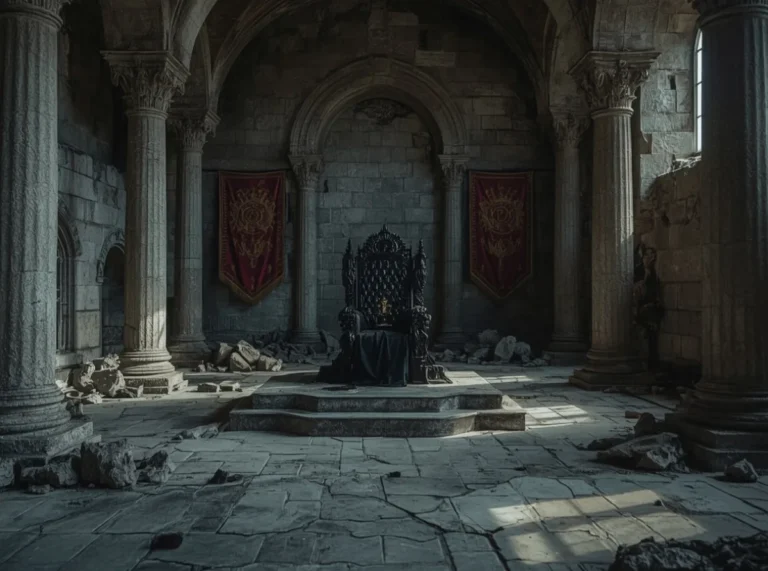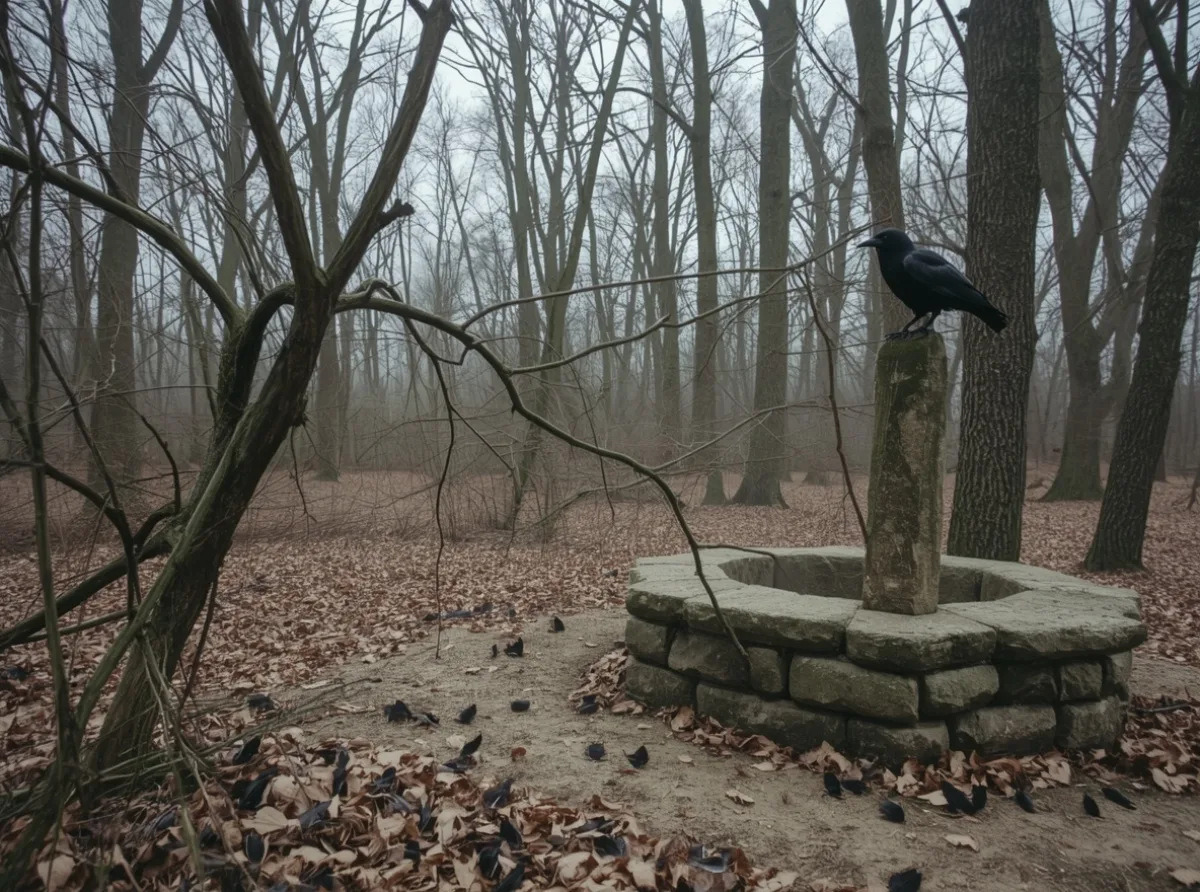
Raven-inspired fantasy names tend to carry a certain weight. They sound watchful, ancient, and a little secretive without needing to be loud about it. That is part of the appeal. A raven is not just a bird in fantasy settings; it often suggests omen, memory, intelligence, and the thin line between night and knowledge.
Names drawn from that image can fit many different characters and worlds. Some feel elegant and aristocratic. Others feel cold, sharp, or quietly dangerous. A few work best for witches, scouts, scholars, assassins, or characters who live near ruins and old forests. The shadowy feel comes from the mix of bird imagery, dark vowels, and hard consonants that leave a lasting impression.
When a name feels raven-like, it usually suggests more than one trait at once. It may sound noble and bleak at the same time. It may feel old, but not worn out. It may carry a hint of distance, as if the person behind the name keeps their thoughts hidden. That combination is what makes these names useful in fantasy games, roleplay profiles, and story worlds.
What Gives Raven-Inspired Names Their Shadowy Mood
Raven imagery naturally connects to darkness, but not every dark name feels the same. Some names feel rustic and woodland-like. Others feel like they belong in a court of black stone and silver banners. The shadowy feeling often comes from a few simple elements working together.
- Names with hard consonants like k, r, v, and th often sound sharper.
- Names with deep vowels like a and o can feel heavier and more ancient.
- Names that echo bird traits, such as wings, feathers, crows, ash, or night, create a clearer theme.
- Names with old-world structure often feel more believable in fantasy settings than overly modern forms.
There is also a difference between a name that sounds shadowy and one that sounds gloomy. Shadowy names usually feel mysterious, controlled, or hidden. They suggest depth. That makes them especially useful for characters whose role is important, but not fully exposed. A raven-inspired name can sound like it belongs to someone who knows more than they say.
Raven-themed names work best when they hint at darkness instead of naming it too directly. A little restraint often makes the name stronger.
Classic Raven-Inspired Names With a Smooth Fantasy Feel
Some names work because they are direct enough to be memorable, but still flexible enough for different settings. These names lean classic. They are easy to imagine in a fantasy village, an elven outpost, a castle library, or a borderland fortress.
- Corvane
- Ravik
- Veyraven
- Morcain
- Kaelraven
- Thorn Corven
- Arvok
- Ravinor
- Selcor
- Vael Crowen
- Draven
- Corveth
- Velrake
- Nerav
- Stormcrow
- Rookmere
- Vaercor
- Branvoss
- Orraven
- Kael Corvus
These names often feel strongest when attached to characters with a quiet presence. A knight from a ruined keep. A mage who studies warnings. A messenger who appears after sunset. They do not need elaborate backstory to sound useful, and that practicality helps them stay grounded.
Some names here lean more traditional, like Draven or Corveth. Others feel more invented, like Veyraven or Vaercor. That mix gives you room to choose based on how familiar you want the name to sound. If the world is broad and standard fantasy, the simpler names tend to work well. If the world is more personal or custom-built, the inventive names can feel more distinctive.
Dark, Elegant Names for Noble or Ancient Characters
Raven-inspired names do not have to feel rough. They can sound polished, old, and almost ceremonial. These names fit characters with titles, lineage, or a connection to ancient traditions. They also work well for settings where beauty and danger live close together.
- Valcoran
- Morvayne
- Ravenel
- Ashraven
- Velorian
- Corvielle
- Nycoran
- Dravelle
- Vaelthorn
- Seracrow
- Elravis
- Vorneth
- Kaerwyn
- Morrivale
- Ravethiel
- Orven Crow
- Selvayne
- Corvian
- Aurevane
- Thalraven
These names feel especially useful for noble houses, ancient bloodlines, or characters who seem linked to old magic. They sound like names that might appear in sealed records, carved tombs, or forbidden family trees. If you want a character to feel refined but unsettling, this is a strong direction.
One useful trick is to pair an elegant raven-inspired name with a grounded title or role. Morvayne of the Black Archive feels different from Morvayne, wandering healer. The name creates the base atmosphere, but the title shapes how the rest of the world sees the character.
Sharp and Ominous Names for Rogues, Hunters, and Assassins
Some raven-inspired names work better when they sound fast, lean, and difficult to pin down. These names usually have a harder edge. They fit characters who operate in alleys, forests, rooftops, or battlefields where silence matters.
- Rook
- Varrak
- Corven
- Shadecrow
- Nyx Rook
- Kaerv
- Drask Corv
- Veyrok
- Marren Crow
- Ravek
- Thorn Rook
- Velkorn
- Blackfeather
- Orrok
- Craven
- Varesh
- Ravthorn
- Korrin
- Skarcor
- Fen Rooke
Names like these often sound strongest when they are short. A short name lands quickly and leaves space for the character to feel active and dangerous. That is why Rook, Ravek, and Varrak can feel more effective than something heavily decorated.
There is also a nice balance in names that suggest movement. Thorn Rook and Fen Rooke feel like they belong to people who travel through rough terrain and prefer practical methods. Blackfeather is a little more direct, but it can work for a thief guild, a stealth-based class, or a character with a recognizable symbol.
Names With a Witchy, Arcane, or Ritual Mood
Ravens are often linked to spellcraft, prophecy, and secret knowledge. Because of that, raven-inspired names can sound especially strong when they have an arcane edge. These names are useful for witches, seers, enchanters, ritual keepers, or scholars who spend more time with books and symbols than with blades.
- Raveth
- Corlune
- Vesraven
- Nycoris
- Marroween
- Thalcor
- Araviel
- Selcoren
- Vorrune
- Caerow
- Runecrow
- Ebonth
- Mirevane
- Orinth Corv
- Veylune
- Ravora
- Skyraven
- Lunecor
- Morrune
- Caelvex
These names tend to sound best when they include a subtle sense of pattern. You may notice parts like cor, rune, lune, or vane. Those small pieces can make a name feel magical without overloading it. They also help a name sound like it belongs to a larger naming tradition.
For magical characters, a raven-inspired name often works best when it feels like a word from an old language, not just a dark-sounding label.
Runecrow is a good example of a name that makes its own identity quickly. It is clear, visual, and easy to remember. Corlune and Veylune are quieter. They do not explain themselves right away, which can be useful if you want mystery instead of directness.
Names Inspired by Feathers, Wings, and Black Skies
Some names do not rely on the raven itself so much as the imagery around it. Feathered shapes, storm clouds, midnight air, and wing imagery can all push a name into darker territory while keeping it flexible. This style is especially useful if you want the name to feel natural rather than heavily themed.
- Nightfeather
- Skyraven
- Ashwing
- Darkplume
- Blackwing
- Mooncrow
- Stormfeather
- Voidwing
- Gloamplume
- Ravenwing
- Crowshade
- Emberwing
- Hollowfeather
- Windreach
- Veilwing
- Cindercrow
- Frostplume
- Nightrook
- Skullfeather
- Gravewing
This group has a strong visual quality. Even without a backstory, the names suggest movement through dim air, old towers, and open skies under storm clouds. They can suit familiars, aerial warriors, druidic characters, or entire factions.
Some of these names sound more poetic than others. Mooncrow and Gloamplume feel soft and eerie. Gravewing and Voidwing feel harder and more severe. That difference matters. The best choice depends on whether the character should seem haunting, noble, feral, or ceremonial.
Names for Ravens, Familiars, and Nonhuman Characters
Raven-inspired names are not limited to people. They also work well for pets, familiars, NPCs, spirits, and other nonhuman figures in fantasy games. In those cases, the name can be shorter, stranger, or more symbolic. It does not need to sound like a full human name.
- Corv
- Rook
- Vesh
- Marrow
- Nyx
- Rav
- Skel
- Thorn
- Crux
- Varr
- Murk
- Orrin
- Kael
- Bran
- Void
- Silv
- Hush
- Grim
- Fallow
- Crow
Short names like these can feel more believable for creatures or companions because they are easy to call out in the middle of a scene. They also leave room for the player or reader to assign meaning through behavior rather than through the name alone.
If a raven familiar is playful, a name like Hush or Corv can work well. If the creature is serious or tied to a dark ritual, Murk, Void, or Grim feels stronger. The tone changes quickly depending on just one syllable.
How Setting Changes the Meaning of a Raven-Inspired Name
The same name can feel very different depending on the world around it. In a medieval kingdom, Corveth may sound like a noble house. In a haunted forest, it may sound like a hermit or a cursed scholar. In a gothic city, it could belong to a spy. Context does a lot of the work.
| Setting | Best Name Traits | Examples |
|---|---|---|
| High fantasy | Elegant, layered, old-sounding | Ravenel, Morvayne, Valcoran |
| Dark fantasy | Sharp, heavy, ominous | Ravek, Varrak, Gravewing |
| Forest or wildlands | Natural, lean, weathered | Rookmere, Ashwing, Thorn Rook |
| Arcane or occult | Ritual, rune-linked, mysterious | Corlune, Morrune, Runecrow |
| Gothic city | Polished, secretive, noble | Corvielle, Dravelle, Morvayne |
This is why it helps to think about the name as part of a scene. A raven-inspired name should not just sound dark. It should fit the kind of darkness you want. A royal darkness is different from a wilderness darkness. A magical darkness is different from an assassin’s darkness.
Useful Patterns When Creating Your Own Raven-Inspired Names
If you want to build your own names, a few patterns can help without making the result sound forced. The goal is not to copy existing names exactly. The goal is to capture the same mood while still leaving room for originality.
- Combine raven-related roots with fantasy endings: Corv + -en, -eth, -an, or -iel.
- Use weather, ash, or night words to deepen the atmosphere: ash, dusk, storm, veil, shade.
- Keep one part of the name simple if the other part is unusual.
- For a softer feel, use flowing vowels and lighter endings.
- For a harsher feel, use clipped syllables and strong consonants.
Here are a few fresh combinations built from those ideas:
- Corvayne
- Ravethor
- Ashcoren
- Veyruth
- Mooncor
- Thornvane
- Silvraven
- Nycorith
- Duskraven
- Vaelcrow
- Gravenor
- Velmorr
- Stormcor
- Ebonrune
- Rooken
- Crowmire
- Varath Corv
- Lunerook
- Morcrow
- Shadevane
These names feel most natural when they are spoken aloud. That simple step catches awkward rhythm fast. If a name sounds forced when said out loud, it usually needs a cleaner structure or fewer heavy consonants. The best fantasy names often look interesting and sound easy enough to remember.
Subtle vs Dramatic Raven Names
Not every raven-inspired name needs to announce itself. Some should whisper. Others should strike harder. The difference is mostly in how directly the name points to darkness or raven imagery.
Subtle names
- Corvian
- Ravelle
- Vaelcor
- Nycoran
- Selvane
- Orven
- Kaerrow
- Morveth
- Vornel
- Aurecor
These names are useful when you want the raven theme to sit in the background. They are good for players who like names that sound believable in a wide range of fantasy settings.
Dramatic names
- Blackfeather
- Stormcrow
- Gravewing
- Mooncrow
- Voidwing
- Runecrow
- Cindercrow
- Shadowrook
- Nightfeather
- Ashwing
Dramatic names are more visible. They work well for characters who are tied to a symbol, a faction, or a strong visual identity. They are also easier to remember in a party or server because the image is immediate.
If the character’s role is quiet, choose a subtle name. If the character is meant to be recognized quickly, a dramatic raven name can do more work with less explanation.
Raven-Inspired Names by Character Type
Different characters call for different shades of shadow. A healer who keeps records of the dead should not sound like the same kind of person as a thief who travels across rooftops. Matching the name to the role keeps the character from feeling disconnected.
- Scholar or archivist: Corlune, Morvayne, Veylune, Ravethiel, Selcoren
- Rogue or thief: Rook, Ravek, Varrak, Shadowrook, Fen Rooke
- Witch or mage: Runecrow, Morrune, Nycoris, Caelvex, Thalcor
- Noble or royal figure: Valcoran, Ravenel, Corvielle, Velorian, Dravelle
- Hunter or scout: Thorn Rook, Ashwing, Corven, Skarcor, Nightrook
- Familiar or spirit: Corv, Hush, Murk, Void, Bran
These pairings are not strict rules. They are more like useful starting points. A noble character can absolutely have a short name if the setting supports it. A rogue can carry an elegant name if that adds contrast. Still, the right match makes the name feel more believable from the start.
Choosing a Raven Name That Fits the World
A good raven-inspired fantasy name should match the shape of the world around it. In a bright, heroic setting, names that are too heavy can feel out of place. In a bleak, enchanted setting, names that are too clean may lose their edge. Balance matters.
If the world leans toward old magic and broken kingdoms, names with rune, ash, crow, or veil often fit well. If the world is more courtly, names with flowing endings like -iel, -ane, or -or can sound better. If the world is rough and dangerous, shorter names usually hit harder.
That flexibility is part of why raven-inspired names stay useful. They can be shaped toward many kinds of characters without losing their core mood. A little darkness goes a long way when the structure is strong.
Some names feel like they belong to one person. Others feel like they belong to a bloodline, a symbol, or a legend passed around in whispers. Raven-inspired names often do both. That is what makes them memorable in fantasy games and stories. They can sound personal and mythic at the same time, which is a rare and useful combination.