Ghostly fantasy names have a very specific kind of appeal. They feel light, eerie, and distant at the same time. A good one can sound like it belongs to a character who moves between worlds, leaves only a trace, and never fully settles into one place.
Pale mystique adds another layer. It softens the darkness instead of making it harsh. The result is a name that feels cold, elegant, and faintly unearthly without losing readability or charm.
That balance matters in games, stories, and roleplay. Names in this style work best when they suggest old magic, quiet sorrow, silver fog, and forgotten places. They do not need to be loud. In fact, the strongest ones often sound almost fragile at first.
What gives ghostly fantasy names their pale mystique
This naming style usually works because it mixes two ideas that pull in different directions. One part feels spectral, haunted, or distant. The other feels refined, gentle, or moonlit. When those traits meet, the name starts to feel memorable.
Names with pale mystique often avoid heavy consonants unless they are used sparingly. Softer sounds, flowing vowels, and delicate endings tend to create that drifting feeling. Names can still sound powerful, but the power is quiet.
Ghostly fantasy names feel convincing when they hint at absence, silence, frost, memory, or moonlit decay rather than raw menace.
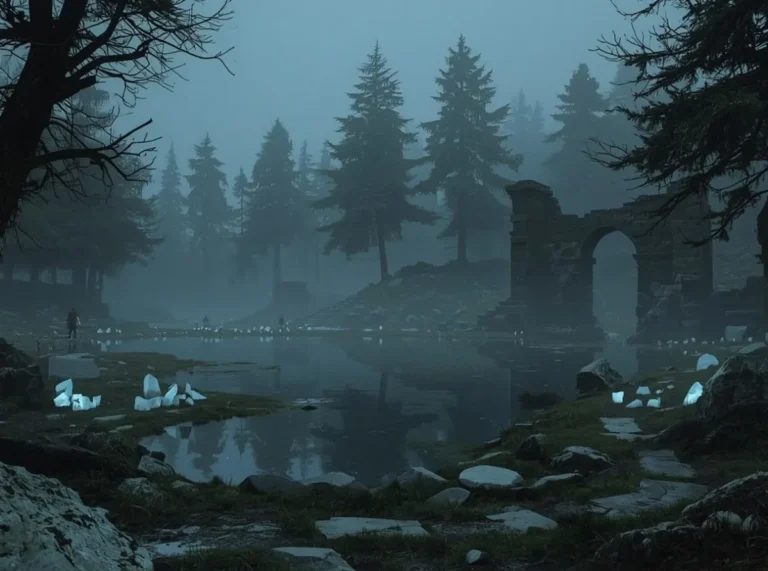
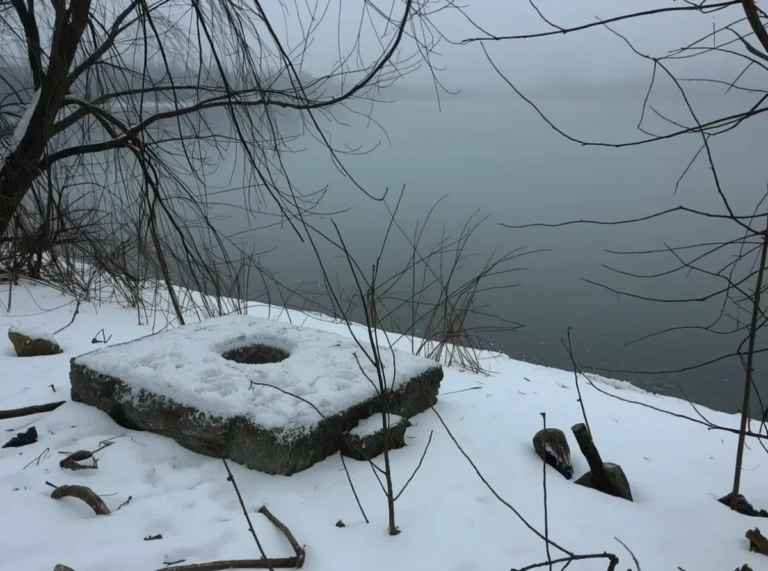
There is also a strong visual element behind these names. You may picture white stone, ash, translucent fabrics, silver light, pale flowers, or old halls with dust in the corners. That visual cue helps the name feel connected to a world instead of floating on its own.
Where these names fit best
These names appear in a lot of fantasy spaces. They work well for spirits, undead nobles, cursed mages, winter witches, moon priests, lost queens, and any character who seems halfway between the living and the dead.
They also suit different formats. In a roleplaying game, the name has to be easy to say and remember. In a story, it can be a little more ornate. In a worldbuilding project, it can reflect a culture, a lineage, or even a magical tradition.
- RPG characters with spectral, frostbound, or elegiac themes
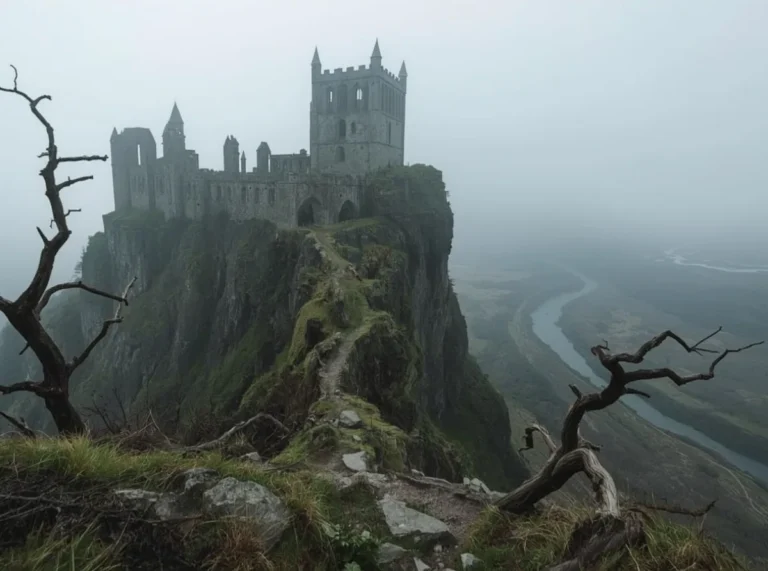
- Fantasy novels with haunted castles or ancient dynasties
- Roleplay avatars that lean toward elegant darkness
- Magical NPCs tied to grief, memory, or forgotten vows
- Clan names, house names, or titles with ethereal meaning
Names that feel soft, pale, and quietly haunting
This first group leans into delicacy. These names sound airy, restrained, and a little unreal. They fit characters who seem to fade into mist instead of entering a room.
- Aelira
- Veylune
- Elowen
- Nyssara
- Caelith
- Seralyth
- Olyra
- Maevine
- Lunara
- Isolde
- Velisse
- Thalora
- Avareth
- Eirwen
- Selvane
- Morwen
- Althea
- Ysolde
- Virelle
- Naelith
What makes these names work is not just softness. It is the feeling that something is being withheld. A name like Veylune suggests moonlight, but also distance. Morwen feels older and colder, while still staying graceful.
These are good choices when you want a character to feel ghost-adjacent rather than openly undead. They are also useful for elves, spirits, enchanted nobles, or characters touched by a fading curse.
Names with a darker, spectral edge
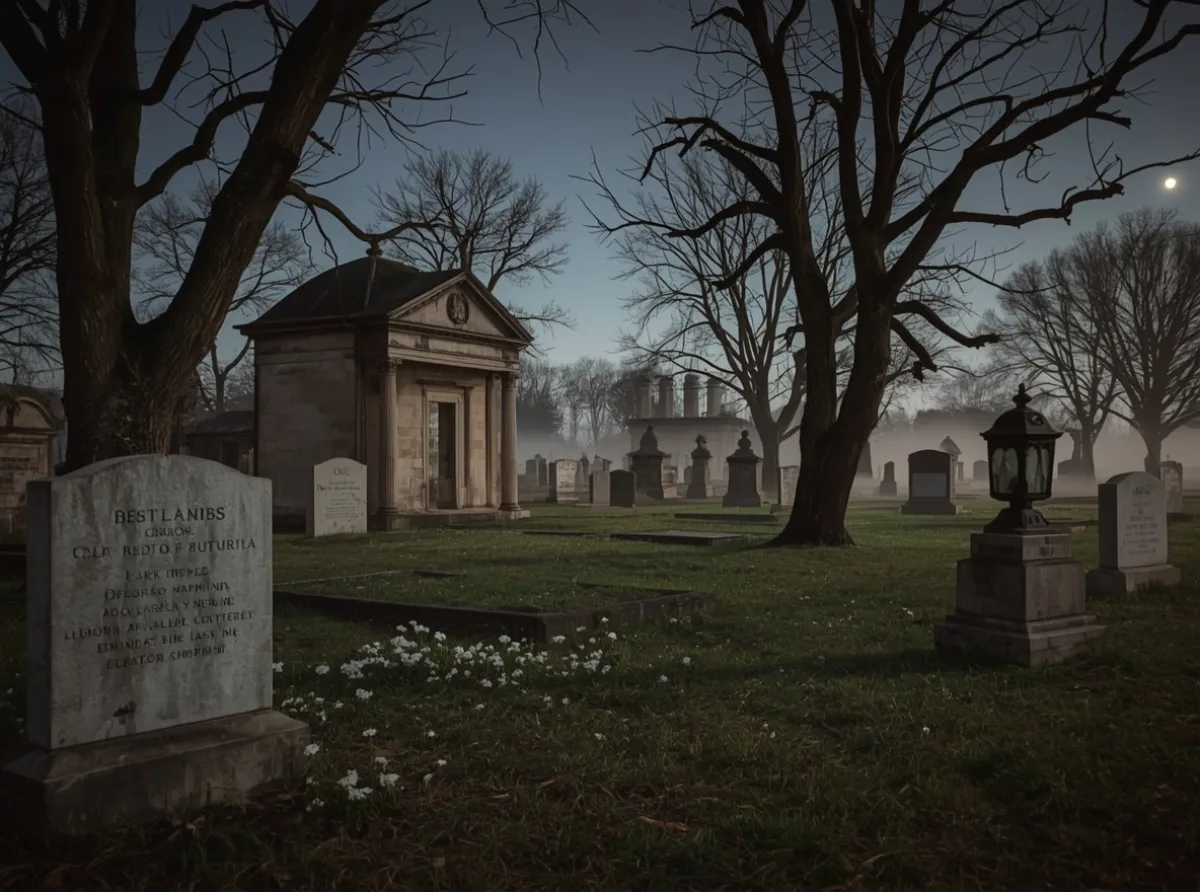
Some ghostly names need more weight. They still keep that pale, misted atmosphere, but the mood becomes more solemn. These names work well for wraiths, revenants, cursed heirs, and characters tied to graveyards, broken promises, or old bloodlines.
- Velmora
- Raveth
- Nyxara
- Morcant
- Sevrin
- Eldrith
- Vharien
- Ossaryn
- Caldris
- Thornveil
- Marrowyn
- Veskar
- Ashmere
- Draelith
- Corven
- Silgrave
- Naerith
- Vornell
- Cindral
- Hallowyn
These names are darker, but they are not blunt. Silgrave has a refined coldness. Hallowyn feels ceremonial, almost sacred. Marrowyn is more unsettling because it suggests bone and memory without becoming too literal.
If you want the character to seem dangerous without sounding aggressive, this is a strong lane to explore. The names carry enough shadow to feel ghostly, while the pale mystique keeps them from becoming too harsh.
Names that sound ancient, royal, or forgotten
Ghostly fantasy names often become more believable when they sound like they come from an old dynasty or a vanished court. That gives the character history. Even if the name is simple, the impression is richer.
- Aureth
- Veloria
- Caeloria
- Isenvale
- Merithane
- Lysander
- Odrienne
- Faelwyn
- Selvoria
- Alaric
- Miradelle
- Seraphine
- Veyrion
- Elsinor
- Thalienne
- Coralys
- Elyndor
- Vaelora
- Orithane
- Yvaine
These names often feel like they belong in castles, mausoleums, or hidden archives. They can suggest someone born into a line that has lost its power but not its dignity. That sense of faded status pairs well with pale mystique.
Names such as Yvaine and Seraphine feel especially airy. Elyndor and Veyrion sound more like long-forgotten heirs or guardians of sealed places. The difference is subtle, but it changes the whole impression.
Names shaped by winter, moonlight, and frost
Not every ghostly name needs to point directly at death. Some of the best ones feel cold, pale, and beautiful in a way that reminds you of winter fields or moonlit ruins. These names are useful when you want an ethereal mood without making the character sound cursed.
- Frostelle
- Selune
- Icelyn
- Moonmere
- Valeska
- Shivera
- Alabast
- Glacienne
- Silvara
- Wintris
- Eirlys
- Luneth
- Palewynn
- Hearthless
- Virelune
- Snowmire
- Arctelle
- Crysalin
- Moonveil
- Olivane
These names feel like they belong to characters who are bound to cold landscapes or soft, silent magic. Glacienne sounds polished and remote. Moonveil has a clear fantasy tone and a gentle mystery. Eirlys feels delicate and old at the same time.
Winter-related names are especially useful for characters who should seem distant rather than fearsome. They can hint at grief, restraint, patience, or isolation without making every trait obvious.
Names with more spiritual or sacred undertones
Ghostly fantasy names do not always have to feel cursed. Some feel holy, ritualistic, or blessed in a way that still keeps them pale and quiet. These are useful for phantom guardians, temple spirits, death priests, or characters linked to the border between worlds.
- Sanctara
- Elysian
- Vespera
- Halcyra
- Orivelle
- Serenith
- Calaviel
- Ambray
- Velisara
- Lumora
- Threniel
- Aurelle
- Sylphine
- Nemoris
- Valaine
- Caesriel
- Orelith
- Mirava
- Hallowmere
- Evaris
These names often sound as if they were spoken in quiet halls, not battlefields. Vespera and Serenith have a hushed grace. Threniel brings in a note of mourning without sounding too heavy. Hallowmere feels like a place name and a personal name at once.
If your character is supposed to feel like a guide, witness, priest, or keeper of a sacred boundary, these names are especially effective. They can be calm and solemn without losing the ghostly edge.
How to choose between subtle and dramatic ghostly names
Subtle names are easier to use in conversation and often age better across long campaigns. They do not call attention to themselves too quickly. Instead, they create atmosphere in the background.
Dramatic names can be useful when the character is meant to stand out immediately. They may contain sharper combinations, more unusual letters, or a stronger sense of title and myth. The key is not to make every part of the name loud at once.
| Style | Best for | Common effect |
|---|---|---|
| Subtle | Elves, spirits, scholars, quiet curses | Soft, pale, believable |
| Dramatic | Ancient ghosts, necromancers, cursed royals | Stronger presence, more mythic |
| Balanced | Most fantasy characters | Readable with enough atmosphere |
A balanced name often ends up being the most practical. It can still feel eerie, but it will not be difficult to remember after the first encounter. That matters in multiplayer games and long-running stories.
Common patterns that create pale mystique
Some naming patterns keep showing up because they work. They help the name sound ghostly without becoming confusing or overly stylized. Once you notice them, it becomes easier to build your own versions.
- Soft openings like Ael-, El-, Is-, or Va-
- Flowing middle sounds such as -el-, -il-, -or-, or -ia-
- Ending patterns like -eth, -ine, -elle, -ora, or -wyn
- Light references to moon, frost, veil, grave, ash, or hush
- Names that feel old without being hard to pronounce
There is also a simple trick: combine a pale visual with a faintly mournful sound. For example, Moonveil feels more ethereal than Moonblade. Silgrave feels more elegant than Gravefang. The mood changes fast depending on how sharp or soft the sounds are.
A ghostly fantasy name does not need to mention death directly. A sense of distance is often enough.
Names for female, male, and unisex use
Many ghostly fantasy names work across character types because the mood matters more than strict naming rules. Still, some have a stronger natural fit depending on the shape of the sounds.
Female-leaning names
- Aelira
- Veloria
- Seraphine
- Thalienne
- Eirlys
- Odrienne
- Vespera
- Yvaine
- Lunara
- Miradelle
- Naelith
- Faelwyn
Male-leaning names
- Sevrin
- Alaric
- Veyrion
- Morcant
- Corven
- Elyndor
- Caldris
- Vornell
- Raveth
- Draelith
- Ossaryn
- Threniel
Unisex names
- Caelith
- Veylune
- Selvane
- Orelith
- Lumora
- Naerith
- Velisse
- Isenvale
- Moonveil
- Halcyra
- Aureth
- Serenith
These categories are flexible. A name that seems female-leaning in one setting can feel unisex or even male in another, depending on the culture behind it. That is one reason fantasy naming stays interesting. The world around the name matters almost as much as the name itself.
How setting changes the meaning of the same name
A name does not live alone. In a bright fairy realm, Vespera might sound like a priestess. In a ruined empire, it could belong to a fallen queen. In a haunted forest, it might be the name of a spirit that leads travelers astray.
The same is true for more restrained names like Elowen or Caelith. In a peaceful setting, they feel elegant. In a darker one, they become melancholy. That shift happens because the environment changes the emotional frame.
If you want a ghostly name to feel stronger, give it a world that supports it. Pale stone, silver water, winter air, abandoned sanctuaries, broken vows, and old family lines all make the name easier to believe. Without those cues, even a beautiful name can feel out of place.
Practical ways to build your own ghostly fantasy names
Creating a name in this style becomes easier when you work from mood first, then sound. Start with one feeling. Maybe it is hush, frost, mourning, veil, moon, ash, or memory. Then decide whether the character should sound soft, royal, or slightly unsettling.
- Pick a pale image: mist, bone, moon, frost, candlewax, silver
- Pick one emotional note: quiet, forgotten, grieving, sacred, distant
- Choose a sound pattern that matches the mood
- Keep the name readable if it will be used often in play
- Test it aloud to see if it feels natural
For example, a name built from moon and veil creates Moonveil, which feels lucid and atmospheric. A more character-driven form like Naelith suggests something softer and more personal. If you want an old noble spirit, Veloria works well because it sounds graceful but not too simple.
Readable names usually survive longer in games than names that only look impressive on the page.
Final name ideas with a refined spectral feel
Some names do not fit neatly into one box, but they still carry that pale, ghostly feeling. They are useful when you want options that can work in several fantasy settings without sounding generic.
- Velaryn
- Ophira
- Caesmere
- Liorwen
- Vellith
- Amoryn
- Elyra
- Thessian
- Orlune
- Serevan
- Mirenelle
- Valebryn
- Isaryn
- Caliora
- Vaelith
- Morrowe
- Seloria
- Arlune
- Vireth
- Helyra
These names feel refined and quiet, with just enough shadow to keep them interesting. They can belong to a guide, a guardian, a cursed scholar, or a wandering spirit. The pale mystique comes through because they never sound too heavy or too blunt.
That is the real strength of this naming style. It leaves room for imagination. A good ghostly fantasy name does not explain everything at once. It lingers, like a footprint in dust or a voice in a ruined hall.