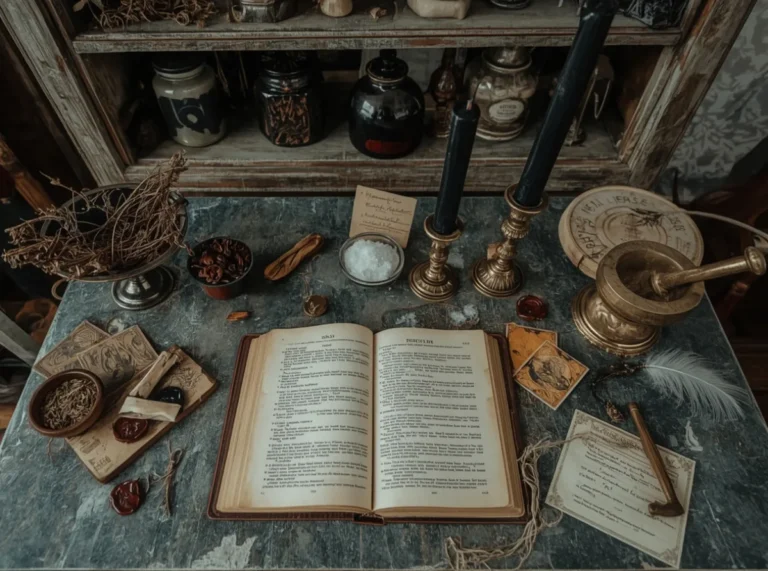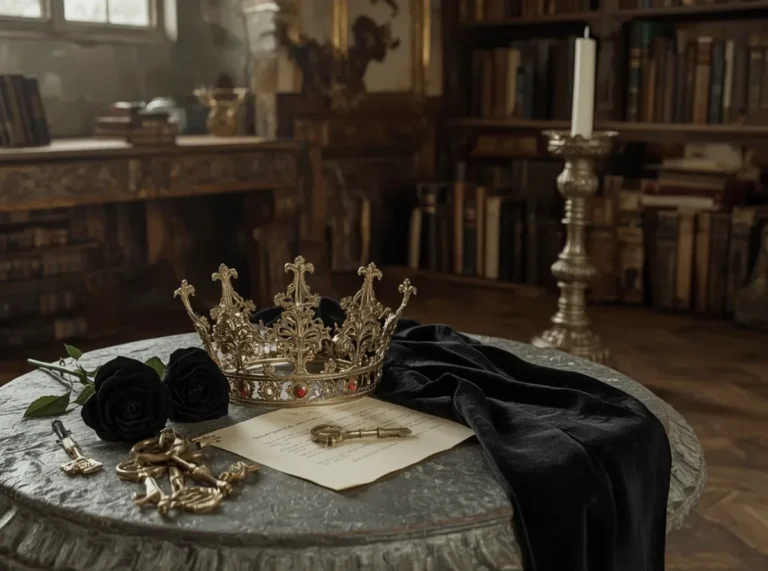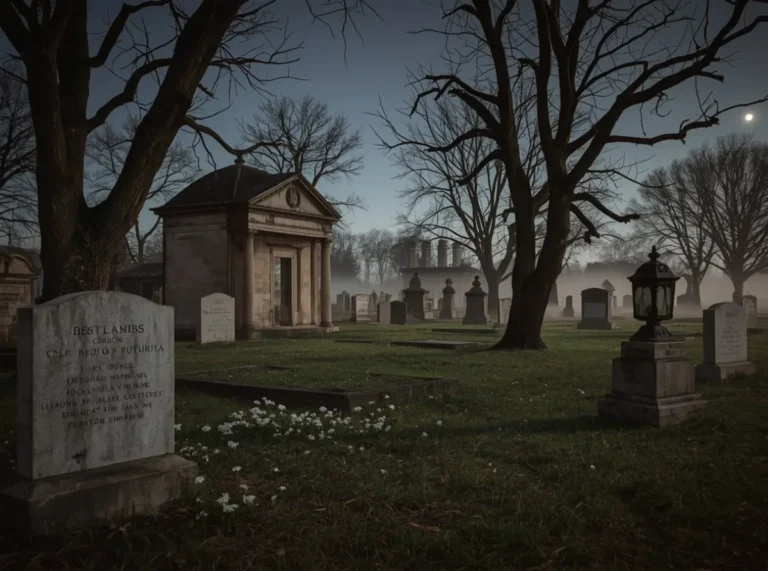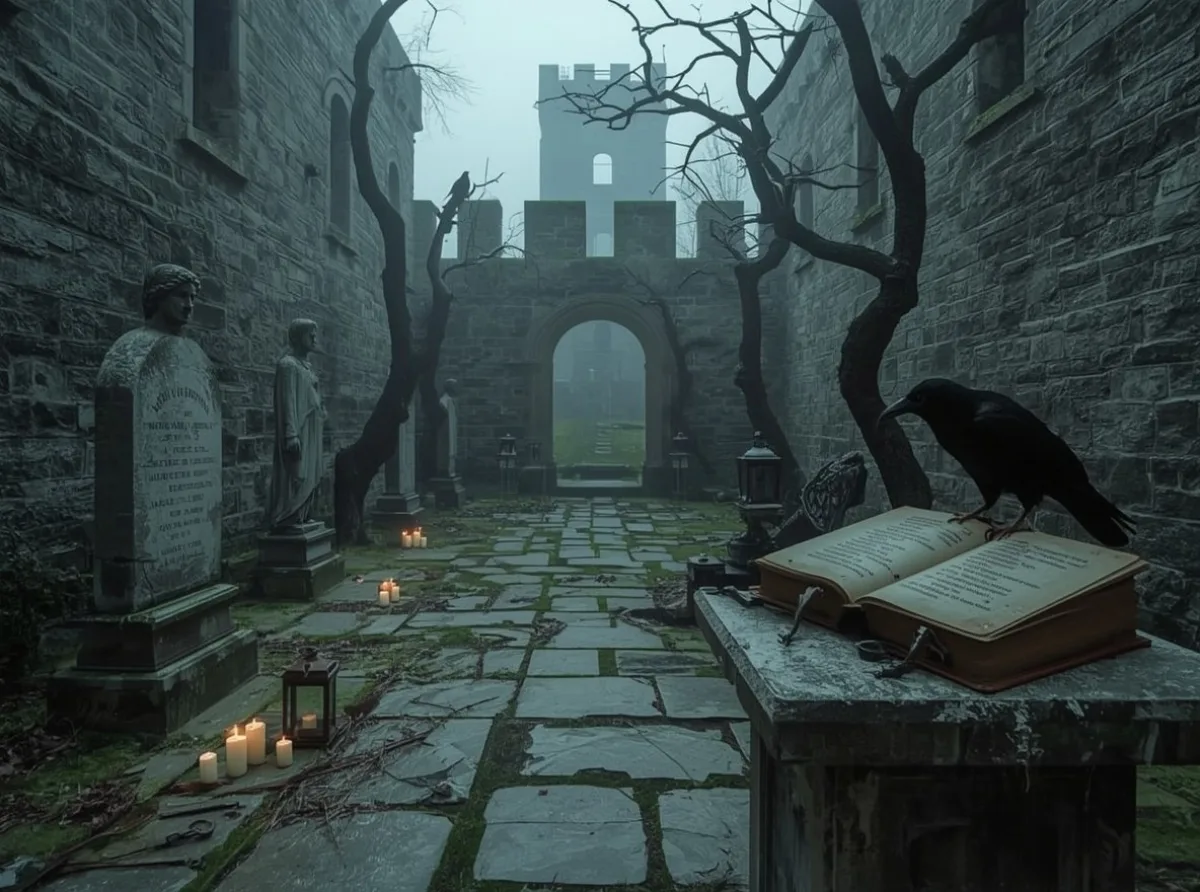
Some fantasy names feel clean, bright, and easy to place. Others carry a strange weight the moment you read them. They sound like they belong to places with locked doors, abandoned towers, and stories people whisper about instead of telling directly.
Haunted fantasy names do not need to be extreme to work. A name can feel eerie because of its shape, its sounds, or the way it seems to leave something unsaid. That quiet tension is often what makes it memorable.
In games, roleplay, and storytelling, these names are useful because they suggest atmosphere fast. A good haunted name can make a character feel older, lost, cursed, secretive, or tied to a place that never fully healed. That is a lot of meaning packed into a few syllables.
What Gives a Haunted Fantasy Name Its Eerie Feel
Names with an eerie atmosphere often share a few traits. They may use soft consonants mixed with harsh ones, or they may end in sounds that feel incomplete. Sometimes the name seems almost familiar, but not quite. That near-recognition creates tension.
Another common feature is old-world texture. Names that sound ancient, faded, or regional tend to feel more haunted than names that are polished and modern. A little roughness can go a long way.
Eerie fantasy names usually work best when they feel like they came from a living world with history, loss, and secrets, not from a random generator.
Sound patterns that create unease
- Long vowels mixed with sharp consonants
- Silent or breathy endings
- Repeated letters that feel hollow or echo-like
- Clusters that are slightly difficult to pronounce
- Names that sound noble but damaged
That does not mean every eerie name should be hard to say. In fact, some of the most haunting names are simple. The difference is in the feeling they leave behind.
Names That Sound Like Forgotten Places
Place-like names work well for haunted settings because they suggest ruins, cemeteries, sealed halls, and old villages that no one visits anymore. They can also be used for characters tied to those places, especially if you want a name that feels rooted in a very specific kind of history.
These names tend to feel still, empty, and a little weathered. They fit maps, old family lines, ghost towns, and cursed estates.
- Blackmere
- Wraithmoor
- Gloamreach
- Hallowfen
- Duskbarrow
- Thorngrave
- Fellhollow
- Mourningvale
- Ravenholt
- Silentmere
- Gravehollow
- Netherwick
- Coldharrow
- Elmshade
- Brimveil
- Stormhollow
- Weirwatch
- Ashenford
- Nightbarrow
- Vesperglen
- Shademoor
- Oakencrypt
Names like these are useful because they can serve multiple roles. They can be a city, a noble house, a castle, or a surname. That flexibility matters when you are building a world with a steady haunted tone.
Names That Feel Like Curses, Spirits, or Shadows
Some names do not need to imply geography at all. They work because they sound like they belong to something hidden, restless, or half-finished. These are good for ghosts, witches, undead kings, forgotten knights, and any character who seems to carry a dark echo.
These names often feel best when they are concise. A shorter name can land harder, especially when it has one vivid image attached to it.
- Veyra
- Morlen
- Nyss
- Velk
- Serrow
- Thaneve
- Orrin
- Lyreth
- Cauldren
- Isk
- Morrow
- Vanta
- Eldis
- Rhovan
- Silth
- Marrow
- Draven
- Corven
- Virel
- Hazra
- Noctis
- Weyl
Notice how several of these names feel unfinished or slightly distorted. That can be useful if the goal is mystery. A haunted fantasy name does not always need to sound elegant. Sometimes it should feel like it belongs to something that returned from the wrong side of a door.
When a short name works better
- For villains with a clean, sharp presence
- For ghosts or spirits that should feel sudden
- For familiars, relics, or cursed beings
- For players who want a name that is easy to remember in combat or chat
Names with Old Noble Decay
One of the strongest eerie styles combines elegance with ruin. These names sound like they came from a once-important family, an ancient line, or a court that has long since fallen apart. That mix of dignity and collapse creates a very specific haunted mood.
This style fits aristocrats, vampire houses, ruined monarchs, and dark fantasy characters who still carry formal weight. The name should feel polished on the surface, but a little decayed underneath.
- Alistair Wren
- Lady Vaelith
- Corbin Vale
- Seraphine Moor
- Edric Thorne
- Meliora Voss
- Rowan Ashby
- Elsin Davor
- Lucien Blackwood
- Maris Holloway
- Othric Bell
- Isolde Carr
- Caelan Evernight
- Vesper Leighton
- Theron Morrowind
- Lenora Graves
- Dorian Valecrest
- Mirabel Dusk
- Rhett Calder
- Selene Ashcroft
- Garrick Hollow
- Amelia Vane
These names often feel especially strong when paired with a title or house name. A single surname can carry a lot of history if it has the right shape. In this style, the past is almost more important than the person using the name.
Haunted nobility works because it sounds refined without feeling safe. The elegance makes the darkness sharper.
Names That Feel Ritualistic or Arcane
Some haunted names feel eerie because they sound tied to magic, forbidden rites, or ancient knowledge. They may have unusual spellings, unusual rhythms, or a quality that feels ceremonial. These are a strong fit for mages, cult leaders, cursed scholars, and magical relics.
They often sound less personal and more symbolic. That can be useful when you want a name to feel like part of a larger mystery.
- Azryth
- Velmora
- Orithune
- Saraveth
- Kelzair
- Morvane
- Illyr
- Xereth
- Vaelorn
- Eryndor
- Thaziel
- Cyrave
- Ophren
- Vhalis
- Nyroth
- Salvyr
- Umbrael
- Corzeth
- Elzior
- Maerith
- Vornel
- Ysolde
These names can be powerful in fantasy settings where magic is older than any kingdom. They suggest knowledge that was earned at a cost. If that is the tone you want, avoid names that sound too clean or too generic.
Small changes that make arcane names feel stronger
- Replace common vowels with narrower ones
- Add a consonant cluster near the middle
- Use endings like -eth, -yr, -or, -ane, or -iel
- Keep the name pronounceable, even if it looks unusual
Names for Ghostly Women, Witches, and Hollow Queens
Female haunted fantasy names often feel strongest when they balance beauty and unease. The best ones can sound gentle at first, then reveal a colder edge. That contrast keeps them from feeling flat.
These names are useful for witches, seers, revenants, cursed queens, and noble spirits. They also work for characters who seem calm but never fully present.
- Elowen Grave
- Nyra Belladune
- Vespera Wren
- Maelis Thorn
- Ismere Vale
- Selka Moor
- Ardena Black
- Lyra Hallow
- Seris Nightfall
- Morwen Ash
- Elara Vane
- Ostara Fen
- Caldra Wisp
- Ravena Hollow
- Thessia Crow
- Yvaine Dusk
- Ceryn Morrow
- Bellis Veil
- Lenwe Graves
- Orla Shade
- Virella Sable
- Emberly Crypt
A name in this group can be soft and haunting at the same time. That is often more effective than going fully dark. A subtle chill tends to stay in memory longer than a name that tries too hard.
Names for Haunted Men, Grave Lords, and Silent Wanderers
Male haunted fantasy names often carry a different kind of tension. They may sound disciplined, worn down, or carved out of old stone. A good one can feel like a man who has outlived the peace around him.
These names fit knights, kings, undead guardians, cursed travelers, and quiet antagonists. Some are severe. Others feel tired, which can be just as eerie.
- Corvin Hale
- Alaric Voss
- Theren Crowe
- Lucan Moor
- Edric Vale
- Darian Wraith
- Gavrel Thorn
- Orin Blackwell
- Sevrin Ash
- Ronan Grave
- Varric Dusk
- Jorvan Bell
- Malric Fen
- Caedric Hollow
- Toren Wyr
- Evren Shade
- Alwin Morrow
- Hale Vey
- Roderic Night
- Stellan Crypt
- Branoc Veil
- Lucan Ashford
These names feel especially strong when the surname does a lot of work. One strong word can shift the whole tone. A good last name can make an ordinary first name feel haunted.
Names That Sound Ancient but Not Overdone
Not every eerie name needs sharp gothic signals. Some of the best ones feel old in a quieter way. They sound like they belong to a language that has changed over time, leaving only traces behind.
This style is especially useful if you want haunted atmosphere without leaning too hard into melodrama. The names still feel dark, but they stay grounded enough for long campaigns and repeated use.
- Avenor
- Calith
- Theryn
- Odrin
- Velora
- Marwen
- Iscer
- Caelor
- Rhyne
- Selvor
- Elthra
- Noric
- Veylin
- Ardeth
- Morin
- Yllis
- Serenno
- Orelth
- Vaeron
- Edris
- Lorcan
- Nyvela
These work well when you want something flexible. They can fit a hero, an oracle, a fallen guardian, or a mysterious villager. The eerie quality comes from restraint rather than obvious darkness.
A restrained haunted name often feels more believable than one loaded with obvious dark markers like shadow, death, blood, or doom.
How to Match Haunted Names to Character Types
Different characters need different kinds of eerie atmosphere. A name for a cursed noble should not feel identical to a name for a ghostly forest guide. Matching tone to role keeps the world feeling coherent.
| Character type | Best name traits | Example feel |
|---|---|---|
| Ghost | Short, faint, unfinished | Vey, Nyss, Morlen |
| Witch | Old, melodic, strange | Elowen, Maelis, Seris |
| Fallen knight | Formal, heavy, weathered | Alaric, Corvin, Caedric |
| Undead ruler | Noble, severe, ancient | Lucien, Dorian, Theron |
| Cursed village name | Place-like, hollow, quiet | Gloamreach, Hallowfen, Duskbarrow |
If the character is meant to feel familiar, keep the name easy to say. If the goal is dislocation, let the name be a little stranger. The balance depends on how often the name will appear in conversation or text.
Useful Patterns for Building Your Own Haunted Fantasy Names
It helps to know what kinds of building blocks create this mood. You do not need to force every name into the same formula, but a few patterns show up often for a reason.
Common naming patterns
- Dark place + natural feature: Moor, Hollow, Grave, Fen, Vale, Ash
- Soft opening + sharp ending: Elowen, Veyra, Selis, Morven
- Old name + damaged suffix: Alaric, Theron, Caedric, Dorian
- Invented arcane forms: Vaelorn, Thaziel, Umbrael, Orithune
These patterns are especially useful in fantasy games where you want quick consistency. They help your characters, factions, and locations feel like they belong to the same world. That matters more than perfect originality.
Balanced vs Dramatic Haunted Names
There is a real difference between a name that feels haunted and a name that shouts it. Both can work, but they create different experiences. The balanced names stay with the tone; the dramatic names take over the scene.
Balanced names usually sound usable in everyday play. Dramatic names can be fun for major villains, cursed monarchs, or theatrical settings, but they need careful handling.
- Balanced: Corvin Hale, Elowen Grave, Avenor, Morwen Ash
- Dramatic: Noctis Wraithborn, Seraphine Nightveil, Azryth of the Black Crypt, Duskbarrow the Unburied
If you are naming a player character, balanced often lasts longer. If you are naming a boss, a spirit lord, or an ancient enemy, dramatic can make sense. The key is to match the name to the role instead of the idea alone.
Why These Names Stay Memorable in Fantasy Worlds
The strongest haunted names are rarely the most complicated. They are the ones that create a clear image without saying everything outright. A good eerie name leaves room for the mind to fill in the blanks.
That is why names like Mourningvale, Vespera, or Caedric Hollow work so well. They suggest age, loss, and story without needing explanation. They feel like part of a world that has already seen too much.
When a name carries that kind of atmosphere, it becomes more than a label. It becomes part of the setting, the character, and the feeling surrounding them. That is the real pull of haunted fantasy names with eerie atmosphere.