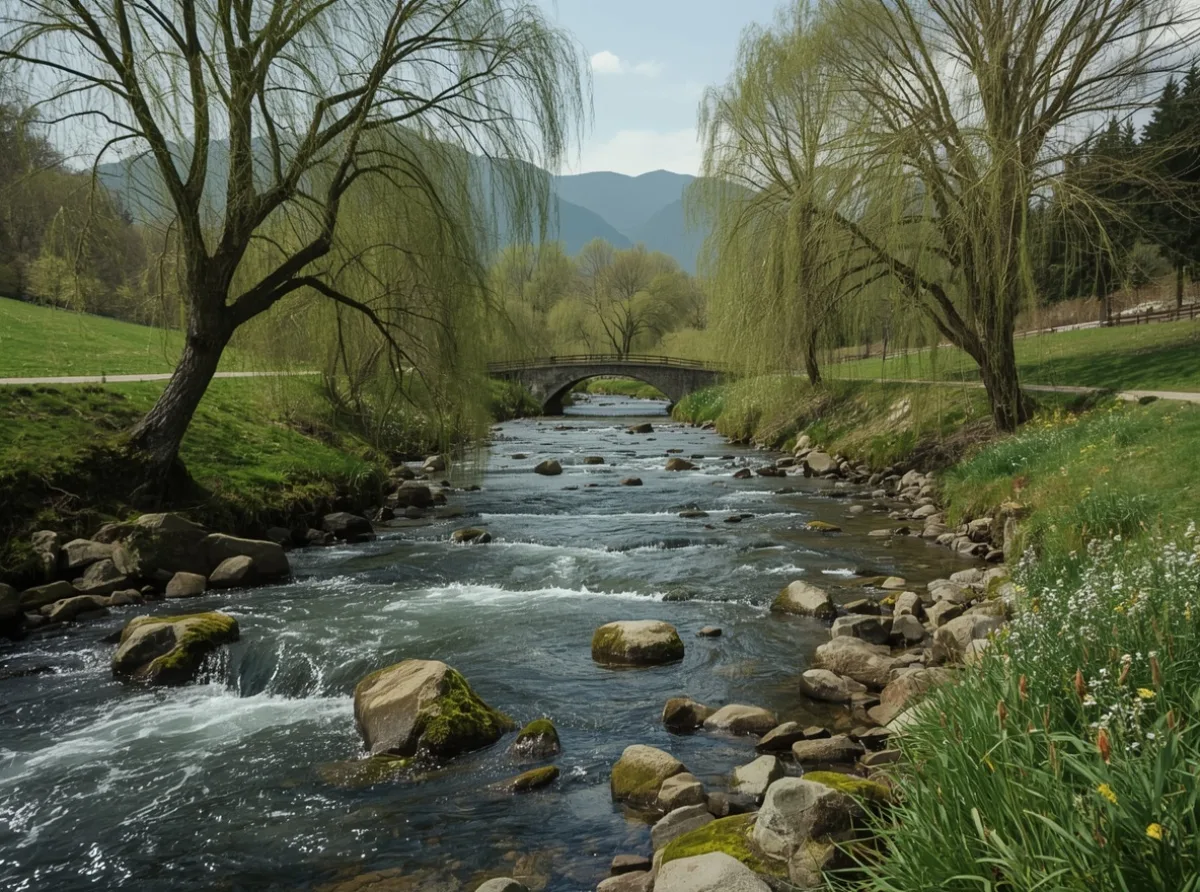
Fantasy river names often do more than label a place on a map. They shape the mood of a region, hint at old stories, and give a world a sense of movement. A good river name can feel soft and ancient at the same time, with a natural elegance that makes it easy to remember.
In fantasy settings, rivers are rarely just borders or travel routes. They carry trade, magic, danger, memory, and legend. The name attached to a river can suggest a royal kingdom, a hidden woodland, a broken empire, or a quiet valley untouched by war. That is why river naming deserves real attention.
Natural elegance works especially well for rivers because the strongest names usually sound smooth without being plain. They often have a gentle rhythm, a clear image, and a slight sense of mystery. You can use them for RPG worlds, novels, roleplay campaigns, or even regional maps that need a more immersive feel.
What Gives a Fantasy River Name Natural Elegance
Elegant river names tend to feel balanced. They are not too harsh, and they are not overly ornate. The best ones suggest water, motion, and landscape without forcing the point too hard. They leave room for the listener to imagine what kind of river it is.
Sound matters a lot. Soft consonants, flowing vowels, and open endings often work well because they echo the movement of water. Names with a light lyrical quality can feel ancient, noble, or serene depending on the rest of the world around them.
Natural elegance in a fantasy river name usually comes from three things: a smooth sound, a believable connection to the land, and a feeling that the river has existed long before the current story began.
Meaning also helps, even if the exact meaning is not obvious at first. A river named for dawn, silver reeds, moon mist, green stones, or a hidden valley instantly feels more rooted in place. That connection makes the name more believable than something random or overly stylized.
Common qualities that make these names work
- They are easy to say out loud.
- They sound like part of a real landscape.
- They carry mood without becoming melodramatic.
- They fit different fantasy cultures, from rustic to royal.
- They leave space for legends, settlements, and nearby landmarks.
Soft and Serene River Names
These names fit peaceful valleys, forest streams, old monasteries, elven borders, and quiet farming regions. They feel calm and refined, with a gentle natural flow. Many of them would work well in high fantasy settings where the land itself seems to breathe.
The main goal here is not grandeur. It is grace. These names sound like they belong to rivers that have been named and remembered for generations because people live beside them, cross them, and rely on them.
- Althwyn
- Moonmere Run
- Velora Stream
- Silverbend
- Elaris Water
- Wrenfall
- Thalune
- Glenveil River
- Marrowind
- Luneth Brook
- Aurellis
- Fernmere
- Caldrin Flow
- Ivyreach
- Sablewhisper
- Nerelle
- Dawnlace
- Riverin Vale
- Oakenfall
- Selmire
Names like Moonmere Run and Dawnlace feel soft because they combine imagery with a clean sound pattern. Others, like Silverbend or Fernmere, are grounded in the landscape and therefore easy to place on a map. If your world leans toward clear, readable naming, this group is a strong starting point.
When to use soft names
- Border rivers near magical forests
- Travel routes through peaceful kingdoms
- Town rivers with bridges, mills, and markets
- Ancient waterways tied to old traditions
- Places where beauty matters more than danger
Ancient and Lyrical River Names
Some rivers should sound older, deeper, and slightly more ceremonial. These names carry a bit more weight. They still feel elegant, but the elegance comes from age rather than softness. They are useful for empires, ruined lands, sacred waterways, and places shaped by old languages.
This kind of name often uses longer forms, hidden meanings, or a structure that sounds like it survived centuries of use. That does not mean it has to be difficult. It just needs a sense of history.
- Vaelithar
- Coramere
- Illyrion River
- Serethune
- Aldenwye
- Moravelle
- Caelith Brook
- Orindal
- Lathmere
- Eryndal Flow
- Mariseth
- Taveryn
- Heliora
- Vareskell
- Aurelian Run
- Myrneth
- Osthava
- Elowen Reach
- Rivenhall Water
- Therys Vale
These names work because they feel like they belong to a civilization with a long memory. Aurelian Run sounds grand without becoming stiff. Elowen Reach feels like it has both softness and regional identity. Rivenhall Water suggests a place where the river and settlement have grown together over time.
Ancient river names usually feel strongest when they imply inherited language, old maps, or sacred use. Even a simple name can seem ancient if the surrounding world supports that feeling.
Forest River Names With Gentle Movement
Rivers that cut through forests often need names that feel alive, leaf-soft, and close to the earth. These names should suggest moss, shade, roots, and reflections in dark water. They are especially useful for worlds where forests are not just scenery but active parts of the setting.
Many fantasy games use forest rivers as pathways into hidden areas, druid groves, elf settlements, or forgotten ruins. A good river name can quietly signal all of that without needing explanation.
- Willowmere
- Brackenflow
- Greenhollow Run
- Ashenleaf River
- Mossmere
- Feylune Brook
- Thornveil Water
- Leafwind
- Sylvanreach
- Oakmere Flow
- Fernwhisper
- Briarwyn
- Everdell Run
- Nimblebrook
- Shadefern
- Lunawood River
- Cinderleaf
- Rootsong
- Gladewater
- Mirelune
There is a noticeable difference between Willowmere and Rootsong. The first is calm and polished. The second is more rustic and magical. Both feel natural, but they point to different cultural tones. That flexibility is useful when you are naming different rivers across one setting.
Ways forest names change the mood
- Soft names suggest safe paths and quiet magic.
- Rooted names suggest older land customs or druidic use.
- Shadowed names suggest hidden streams or dangerous woodland.
- Bright names suggest clear water and thriving villages.
Royal and Noble River Names
Some fantasy worlds treat rivers as symbols of power. They support capitals, divide territories, or serve as the backbone of trade. In those cases, a river name with a refined, noble quality can make the whole region feel more established. These names sound polished and formal without losing their connection to nature.
The trick is to keep them elegant, not rigid. A royal river should still feel like water, not like a title glued onto a map. Combining regal imagery with flowing sounds helps a lot.
- Crownmere
- Valecourt River
- Auric Flow
- Kingsworn Water
- Lysandra Reach
- Regalwyn
- Silverscour
- Highmere
- Velinor River
- Embercrown Run
- Queenshade
- Aldencrest Water
- Coronne Vale
- Marquess Brook
- Thronewater
- Sereval
- Goldwyn Reach
- Ilvara River
- Noblebranch
- Cairnroy
Names such as Crownmere or Highmere are clean and memorable. Lysandra Reach sounds more ceremonial, which can work well for a river near an old capital. Thronewater has more obvious symbolism, so it fits worlds that lean into clear political imagery.
Mysterious River Names for Hidden Places
Not every elegant river name should feel peaceful. Some should feel quiet in a way that makes people look twice. These names are useful for regions with ruins, moonlit valleys, foggy lowlands, or places where magic distorts the land. They still keep a graceful shape, but there is something harder to read underneath.
This style works best when the name hints at secrecy rather than danger alone. That makes it more versatile and more interesting. A hidden river in a fantasy world often becomes a landmark people talk about in hushed tones.
- Veilrun
- Duskmere River
- Lornwater
- Mistral Vein
- Hollowsheen
- Nyrelle Brook
- Shadowmere
- Ebonglade Flow
- Whisperwake
- Caligo Run
- Fallowmist
- Virelith
- Noctvale River
- Sablefen
- Driftveil
- Elaron Shade
- Moonrift
- Gravenbrook
- Asterhollow
- Velmire
Whisperwake feels delicate but strange. Shadowmere is simpler and more direct. Noctvale River sounds like a place name from an old map that nobody has fully trusted in years. Each one creates a different kind of curiosity.
A mysterious river name works best when it sounds calm first and unsettling second. That order matters. If the name sounds too ominous too quickly, it loses elegance.
How Setting Changes the Best River Name
The same naming approach will not fit every fantasy world. A river in a bright elf kingdom should not sound like a cracked wasteland stream. A river in an ancient empire should not sound like a meadow brook unless that contrast is intentional.
Setting gives the name its real shape. The surrounding culture, climate, and history all matter. If your world has formal place names, a river might need a more classical structure. If it is a softer pastoral world, shorter and more lyrical names will usually feel better.
| Setting | Best naming tone | Example feel |
|---|---|---|
| High fantasy kingdom | Noble, lyrical | Royal waterways, old capitals |
| Forest realm | Soft, organic | Leafy, hidden, calm |
| Ancient empire | Formal, historic | River names with deep cultural weight |
| Dark fantasy | Mysterious, muted | Fog, ruins, old magic |
| Pastoral region | Simple, graceful | Clear streams and farmland borders |
That table is useful when you are naming multiple rivers in the same world. It helps keep the names consistent without making them all sound identical. Consistency matters, especially in games and roleplay settings where many places appear side by side.
Patterns That Make River Names Feel Believable
Even fantasy names usually feel stronger when they follow recognizable naming patterns. Real place names often grow from geography, history, or old language fragments. Fantasy can borrow that logic without sounding ordinary.
One common pattern is combining a nature word with a descriptive ending. Another is building a name that sounds like it came from a lost language but still includes familiar rhythm. A third approach is keeping the name short and letting the setting do the rest.
Useful naming patterns
- Nature root + place ending: Willowmere, Fernhollow
- Adjective + river noun: Silver Run, Golden Flow
- Invented root + soft ending: Velora, Theryn
- Historical or royal framing: Queen’s Reach, Crownwater
- Old-language rhythm: Illyrion, Serethune
These patterns are practical because they keep names from sounding random. A name like Greenhollow Run immediately tells you something about the terrain. A name like Vaelithar feels older and more abstract, which can be a good fit for ancient cultures or magical traditions.
Subtle Versus Dramatic River Names
Not every fantasy river needs to announce itself. Some should sit quietly in the background and feel real. Others should stand out on purpose because they connect to prophecy, sacred history, or major political borders. Both approaches have value.
Subtle names usually work best when the river is part of everyday life. Dramatic names work when the river is a landmark people talk about, fear, or revere. The key is matching the name to the river’s role in the world.
- Subtle: Brackenflow, Selmire, Ivyreach, Fernwhisper
- Moderate: Althwyn, Velora Stream, Glenveil River, Elowen Reach
- Dramatic: Thronewater, Noctvale River, Kingsworn Water, Crownmere
Subtle names often age well because they do not depend on a single dramatic idea. Dramatic names are useful when you need immediate presence. A strong fantasy map often includes both.
Hybrid Naming Ideas for More Unique Rivers
Hybrid names mix two approaches. They may combine a gentle natural word with a more formal ending, or a mystical root with a grounded geographic term. This is one of the easiest ways to create a name that feels new without becoming awkward.
Hybrid names are especially useful when your world contains many regions with different cultures. They can bridge the gap between common speech and mythic language. That makes them feel more lived in.
- Lunavale River
- Silverthorn Reach
- Eldermere Flow
- Ashenwynd
- Dawncrest Water
- Mirelith Brook
- Oakspire Run
- Veylora Bend
- Mooncairn
- Gildleaf River
- Thornmere Vale
- Celestbrook
- Windreign
- Frostelm
- Aurellow
- Brightrune
- Noctiswye
- Elarcrest
- Mistbriar
- Ravelmere
Lunavale River and Thornmere Vale both balance softness with structure. Windreign and Noctiswye lean more stylized, which can suit settings with stronger magical language. Celestbrook is a good example of a name that feels almost poetic while still being easy to understand.
Choosing a River Name by Emotional Tone
If you are naming a river for a specific region, tone can be more useful than theme. Think about how the place should feel when a character crosses it. Quiet and safe? Old and sacred? Mysterious but not hostile? The name can reflect that immediately.
That is why elegant river names often work better when chosen by mood instead of by random sound. A name should support the world’s atmosphere, not just decorate the map.
- Peaceful: Fernmere, Willowmere, Dawnlace
- Historic: Coramere, Illyrion River, Aurelian Run
- Regal: Crownmere, Valecourt River, Goldwyn Reach
- Mysterious: Veilrun, Duskmere River, Whisperwake
- Woodland: Brackenflow, Sylvanreach, Gladewater
When the tone is clear, even a short name can feel rich. That is one reason fantasy river names remain so useful in worldbuilding. They carry atmosphere with very little space.
A river name does not need to be complex to feel elegant. It needs to match the land, the culture, and the feeling of the place it crosses.
More River Names With Natural Elegance
Here is another grouped set for worldbuilding, region maps, and naming nearby landmarks. These lean into a balanced fantasy sound that stays graceful without becoming too ornate.
- Astermere
- Velshade Run
- Lorien Brook
- Mossvale Water
- Eldra Flow
- Calenwynd
- Serebrook
- Orlune River
- Hearthmere
- Nivara Reach
- Briarwren
- Silthain
- Mooncrest Water
- Elmere
- Thalwyn
- Roseglen Run
- Virella
- Fenlace
- Aldermist
- Tarnelle
- Glimmerbend
- Westhollow Flow
- Arenvale
- Lyssmere
Some of these feel ready for a polished map label. Others feel better suited to local use, where villagers and travelers might shorten them over time. That layered quality can make your setting feel more natural.
River Names That Work Well in Game Worlds
In games, a river name should be fast to recognize and easy to share. Players remember names that sound distinct but not overly complicated. If the name is too long or too close to other names in the region, it becomes harder to use during actual play.
That is why a mix of short and medium-length names is often the best choice. You can save the most elaborate names for major rivers, sacred waterways, or story-critical locations. Smaller tributaries can stay simple and graceful.
- Main rivers: Crownmere, Illyrion River, Lunavale River, Shadowmere
- Regional rivers: Willowmere, Brackenflow, Sylvanreach, Glenveil River
- Hidden or magical streams: Veilrun, Whisperwake, Moonrift, Fallowmist
- Royal waterways: Valecourt River, Kingsworn Water, Goldwyn Reach, Highmere
This kind of structure helps a world feel organized. It also gives you naming flexibility when expanding a map later. You can keep the style consistent while varying the intensity from one river to the next.
Final Sets of Elegant Fantasy River Names
These last names lean into smooth sounds, natural imagery, and a sense of place. They are useful when you want options that feel complete on their own, without needing much explanation.
- Avenmere
- Larkwye
- Mirevale
- Celesmere
- Rillora
- Branwyn
- Eldenbrook
- Thistlewater
- Moonvale
- Silverwye
- Lorath Run
- Aurebrook
- Fernhallow
- Nyssmere
- Eversheen
- Calmspire Flow
- Wynthal
- Oriel Water
- Mornmere
- Ashvale River
Names like Avenmere, Rillora, and Oriel Water show how a river name can stay elegant while still sounding distinct. They are not too plain, and they are not overloaded with fantasy noise. That middle ground is often where the best names live.
A river with natural elegance does not need to sound perfect. It just needs to feel like it belongs to the world around it. When the name carries water, land, and memory in the same shape, it tends to stay with players long after the map is closed.