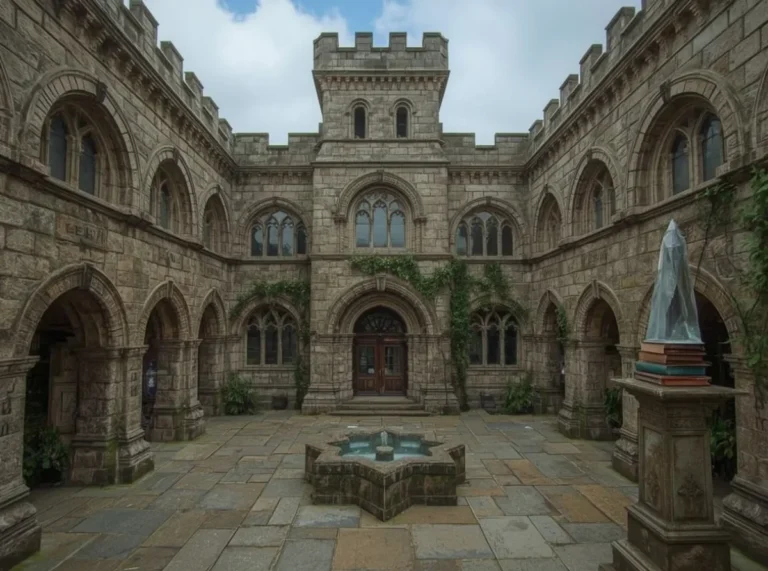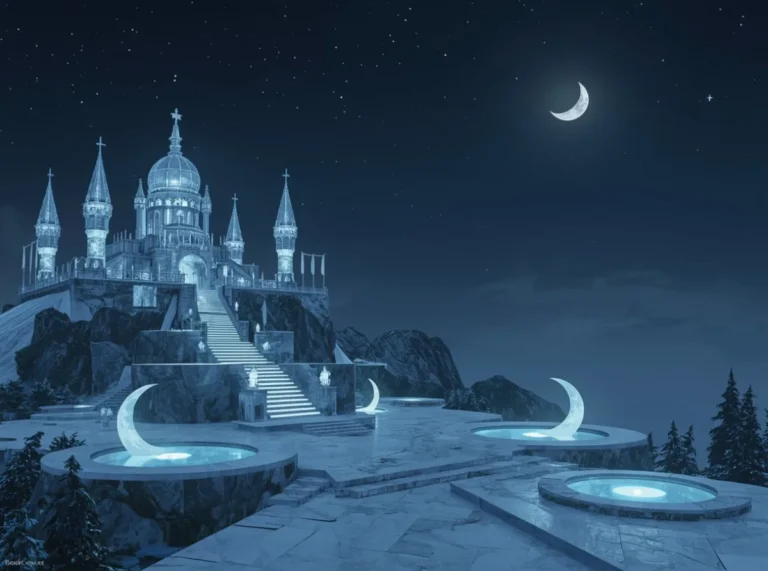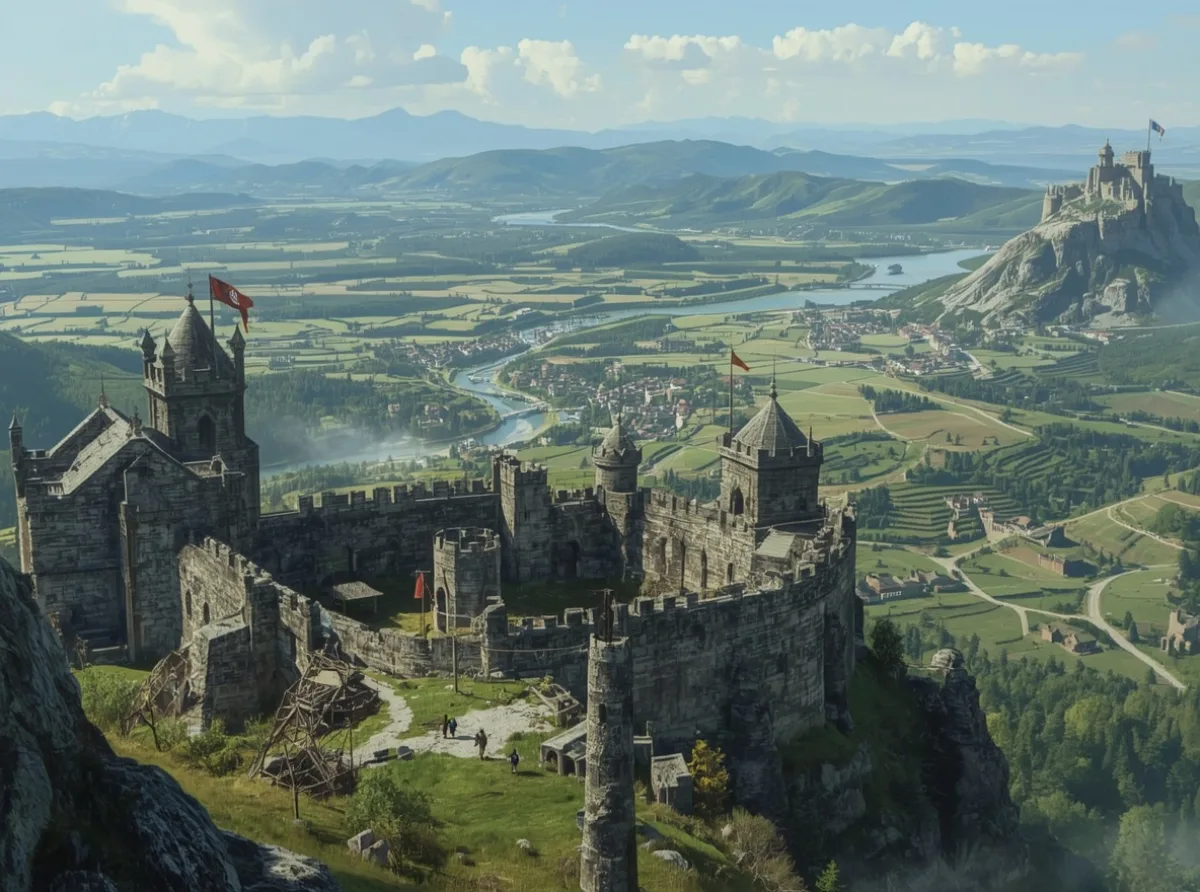
Some fantasy kingdoms sound ancient before you even learn a single detail about them. The name alone suggests old stone walls, oathbound rulers, hidden ruins, and maps marked with mountain ranges nobody has crossed in generations. That first impression matters because a kingdom name often sets the tone for everything else around it.
In roleplay, worldbuilding, and game design, the right kingdom name can do a lot of work in just a few syllables. It can feel noble, dangerous, magical, forgotten, or strangely serene. A strong name does not need to be complicated. It just needs shape, texture, and a sense that the place existed long before the current story began.
When people search for fantasy kingdom names with an epic worldbuilding feel, they are usually looking for more than something that sounds cool. They want a name that feels usable in a map, believable in dialogue, and large enough to hold history. That balance is what makes a kingdom feel real.
What gives a kingdom name an epic worldbuilding feel
A name feels epic when it suggests scale. It hints at dynasties, borders, trade routes, wars, and old alliances without needing to explain them directly. The best names often carry a sense of age, geography, or royal legacy.
Several patterns create that effect. Hard consonants can make a kingdom sound fortified and enduring. Smoother vowel-heavy names can feel ancient, elegant, or magically protected. Titles like realm, crown, throne, reach, vale, or dominion can also add weight, especially when paired with a distinctive root word.
A kingdom name becomes memorable when it sounds like it belongs to a larger world, not just a single location on a map.
Epic worldbuilding names also tend to leave room for interpretation. If a name tells you everything, it stops feeling mysterious. If it suggests too little, it can sound flat. The best middle ground is a name that implies a culture, a climate, or a history you can imagine expanding later.
Royal and ancient kingdom names
These names lean toward tradition, lineage, and formal power. They work well for central kingdoms, old empires, or noble houses that rule from a seat of long memory. They often sound like they belong on banners, treaties, and old stone gates.
- Arkendell
- Valemarch
- Crownmere
- Thornhaven
- Silverholt
- Highwatch
- Elmsward
- Westreach
- Alderwyn
- Stormcairn
- Brightmoor
- Goldwynd
- Ironvale
- Ravenholt
- Oakspire
- Dawncrest
- Wyrdstone
- Mornholt
- Ashmere
- Kingshadow
These names often feel believable because they combine familiar English-like elements with fantasy-style construction. That makes them easy to remember while still sounding like they belong in another world. If you are naming a royal capital or an established kingdom, this style is a strong place to start.
Names in this category usually work best when the kingdom has a stable identity. Think old laws, hereditary rule, and a strong connection to land or dynasty. A name like Valemarch suggests borders and duty. A name like Crownmere feels ceremonial and protected.
What these names suggest in a setting
- Old bloodlines and inherited power
- Strong borders or defended territories
- Historic capitals and ceremonial courts
- Kingdoms that value tradition over change
Mystical kingdom names with a legendary edge
Some kingdoms feel less like political states and more like places shaped by magic, prophecy, or divine influence. These names often sound softer, stranger, or more elevated. They are useful for hidden realms, enchanted courts, or kingdoms that seem partly removed from ordinary history.
- Lunareth
- Elarion
- Myrvale
- Seraphine
- Aurelith
- Nivaryn
- Celesthane
- Orivelle
- Velora
- Thalassyr
- Everdor
- Althwyn
- Faelorne
- Isolyn
- Miradune
- Elyndor
- Vaelis
- Syrinth
- Avenlore
- Nocthame
These names often carry a sense of light, moon, song, or hidden power. They do not always sound huge in a military sense, but they feel large in a mythic sense. That makes them especially useful for kingdoms tied to prophecy, ancient guardians, or magical traditions.
A name like Elarion can feel like a place spoken of in old poems. Seraphine suggests beauty with authority. Nocthame feels quieter, but it carries a shadowed depth that can make a world feel richer.
Mystical kingdom names work best when the world itself supports wonder: sacred forests, lunar temples, sealed libraries, floating citadels, or long-lost bloodlines.
Dark and war-torn kingdom names
Not every kingdom should feel noble and polished. Some of the most immersive settings use names that sound weathered, harsh, or burdened by conflict. These names are useful for fractured realms, cursed territories, border kingdoms, or nations built around survival.
- Grimwall
- Blackfen
- Varghelm
- Dreadmarch
- Ironhollow
- Ravencleft
- Shadowmere
- Ashthorn
- Bloodvale
- Frostwarden
- Stonegloom
- Nightharrow
- Dunewrath
- Wolfscar
- Brackenfall
- Gloamspire
- Skarnhold
- Mourncrest
- Gravesend
- Harrowgate
These names are effective because they create pressure. You can almost hear the weather in them, or feel the weight of old battles. They suggest a kingdom where life is not easy and the land itself may have a difficult reputation.
If a fantasy world has ruined fortresses, scorched fields, or uneasy borders, names like Dreadmarch and Ironhollow fit naturally. They help the setting feel grounded in hardship without needing a long explanation. A name can carry the mood of an entire region in just a few words.
When darker names feel strongest
- Borderlands under constant threat
- Kingdoms with a violent past
- Territories near cursed terrain or old battlefields
- Settings where survival matters more than ceremony
Grand empire-style kingdom names
Epic worldbuilding often benefits from kingdoms that sound larger than a single city-state. Empire-style names usually feel broad, commanding, and official. They often work for powerful nations, sacred empires, or domains that control multiple regions.
- Thalorion
- Auremborne
- Verdant Throne
- Cindervale Dominion
- Northmire Empire
- Sunward Crown
- Heliovar
- Stormveil Dominion
- Emberquill
- Virelath
- Ebonreach
- Golden Septry
- Marrowind
- Starborne Court
- Rimecairn Empire
- Ironlattice
- Sable Dominion
- Dawnshard Realm
- Celmaris
- Astrahold
These names often sound like they belong on formal maps and in diplomatic records. They also work well when the kingdom is a major force in the setting. A larger political structure usually needs a name that feels structured and weighty, not casual.
Some of these names feel more like official state titles, which can be useful if you want the kingdom name to carry ceremony. Others, like Celmaris or Astrahold, feel more like legacy capitals that expanded into a wider empire. Both approaches can create that big, polished sense of history.
Nature-bound kingdom names
Many fantasy kingdoms feel more immersive when their names reflect the land around them. Mountains, forests, rivers, coasts, and plains all create different moods. A kingdom tied to its environment usually feels easier to picture on a map.
- Greenhollow
- Stoneford
- Mistwood
- Saltbarrow
- Everfen
- Riverglen
- Oakmere
- Windrath Vale
- Thundershore
- Frostpine
- Sunmeadow
- Briarcoast
- Ashgrove
- Moonfen
- Mosscrest
- Hearthriver
- Driftwood Crown
- Highfen
- Dunecleft
- Brighthollow
Nature-based names are especially useful when you want the kingdom to feel lived in rather than abstract. They help the place sound shaped by climate, agriculture, trade, and local geography. That is one reason they fit so well in roleplay worlds and tabletop campaigns.
Greenhollow suggests fertile woodland. Saltbarrow feels coastal and old. Frostpine works for a northern kingdom that endures long winters and values resilience. These names tell small stories before anyone opens the map.
Geographic naming often feels most believable when the land and the culture match. A mountain kingdom, a river kingdom, and a coastal kingdom should not sound the same.
How to make a fantasy kingdom name feel usable
It is easy to make a name that sounds grand on paper but awkward in actual use. A good kingdom name needs more than atmosphere. It should also fit into conversation, quest text, city labels, and world maps without feeling forced.
One useful method is to test the name in a few simple sentences. If it sounds natural in each one, it is probably usable.
- “The king of Valemarch has called the banners.”
- “Merchants from Mistwood arrived before dawn.”
- “The borders of Grimwall were sealed last winter.”
That kind of test reveals whether the name feels clunky, too long, or too vague. It also shows whether the name can fit into dialogue without requiring explanation every time. Clean pronunciation matters more than many people realize.
Practical naming patterns that work well
- Place word plus ruling word: Crownmere, Ironvale, Dawncrest
- Nature word plus fortified ending: Mistwood, Frostpine, Stoneford
- Elegant root plus fantasy suffix: Elarion, Aurelith, Vaelis
- Dark word plus territorial ending: Dreadmarch, Bloodvale, Mourncrest
These patterns are popular because they are flexible. You can use them for kingdoms, provinces, duchies, or ancient regions without changing the basic feel. That gives you room to build a larger setting without forcing every location to sound identical.
Name ideas by kingdom personality
Sometimes the easiest way to choose a name is to decide what kind of kingdom you want it to feel like. A kingdom personality can be proud, scholarly, stern, secretive, or holy. Once that mood is clear, the right name becomes easier to spot.
| Kingdom Personality | Name Ideas |
|---|---|
| Noble and traditional | Arkendell, Crownmere, Highwatch, Goldwynd, Dawncrest |
| Mystical and ancient | Elarion, Lunareth, Aurelith, Celesthane, Avenlore |
| Harsh and militarized | Grimwall, Dreadmarch, Ironhollow, Skarnhold, Harrowgate |
| Wild and natural | Mistwood, Greenhollow, Oakmere, Everfen, Frostpine |
| Grand and imperial | Thalorion, Auremborne, Astrahold, Sable Dominion, Sunward Crown |
This kind of grouping helps when building a larger setting. You can give neighboring kingdoms distinct identities instead of naming them all in the same style. A world feels more complete when some regions sound formal, some sound old, and some sound dangerous.
Subtle vs dramatic kingdom names
Not every fantasy world needs a name that sounds like a prophecy. Some of the strongest names are subtle. They do not demand attention, but they stay in the mind because they feel grounded and consistent.
Subtle names include places like Stoneford, Oakmere, Brighthollow, or Riverglen. They sound like kingdoms that have histories but do not need to brag about them. This style works well for grounded fantasy, political stories, or settings where the world feels practical.
Dramatic names, by contrast, lean into scale and grandeur. Thalorion, Kingshadow, Stormveil Dominion, and Celesthane all have a more elevated presence. They are useful for high fantasy, legendary courts, and kingdoms with strong symbolic importance.
Subtle names feel believable because they sound like they grew over time. Dramatic names feel memorable because they sound designed to carry legend.
Variation ideas for the same kingdom concept
One useful trick is to create several versions of the same naming idea before choosing the final one. That helps you shape the tone without losing the core identity. A kingdom tied to silver, for example, could sound different depending on whether you want it elegant, royal, or haunted.
- Silverholt
- Silvermere
- Silverbane
- Silvercrown
- Silverwake
Each version creates a slightly different mood. Silverholt feels sturdy and established. Silvermere sounds quieter and more reflective. Silverbane feels harsher, while Silvercrown leans into noble authority. Silverwake suggests motion or change.
The same approach works for almost any naming root. Thorn, ash, moon, iron, dawn, and raven all create different moods when paired with different endings. This is one of the simplest ways to build a kingdom naming system that feels consistent across a whole world.
Common mistakes that make kingdom names feel thin
Some names fail not because they are bad, but because they do not match the world around them. A bright, lyrical name in a brutal war setting can feel out of place. A very dark name in a peaceful forest kingdom may also feel forced.
Another common issue is overcomplication. Too many apostrophes, too many rare letter combinations, or too many silent syllables can make a name hard to read and harder to remember. In most cases, a kingdom name becomes stronger when it is clear enough to say out loud without hesitation.
It also helps to avoid names that sound too modern. Even in fantasy, some word choices feel more like brand names than places with history. A name should feel like it could appear in a legend, a treaty, or a traveler’s tale.
If the name feels impressive but you never want to say it twice, it probably needs simplification.
Building a kingdom around the name
The best fantasy kingdom names often inspire the rest of the worldbuilding. Once a name lands well, it can suggest architecture, military traditions, weather, religion, and even local customs. That is when the setting starts to feel complete.
For example, Ironvale suggests fortified valleys, mining, and practical rulers. Moonfen suggests wetlands, old rituals, and quiet superstition. Highwatch points toward towers, border defenses, and vigilance. Each of these names gives you a foundation to build on.
That is why naming is rarely a final step. It usually becomes the first visible piece of the world’s identity. A kingdom name should not do all the work, but it should make the next steps easier.
When the name, geography, and culture support each other, even a simple kingdom can feel deep. That is the real appeal of epic worldbuilding names. They turn a single label into the start of a larger map, and sometimes that is all a world needs to feel alive.