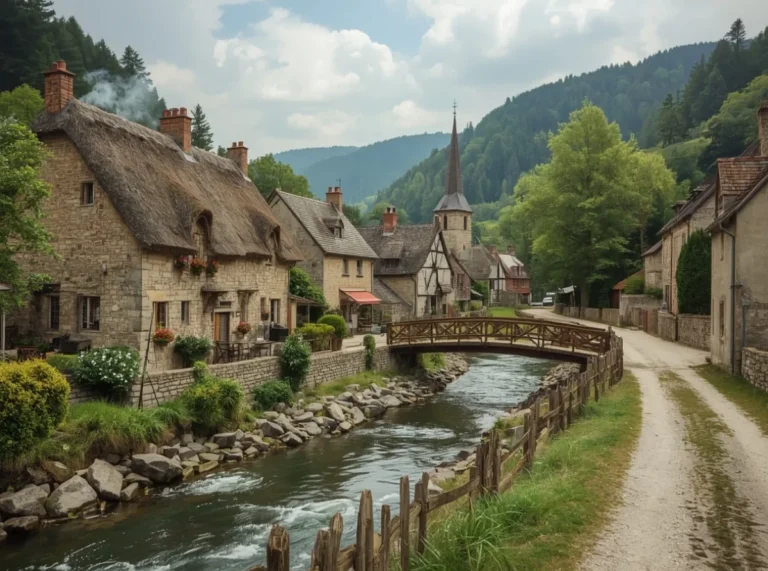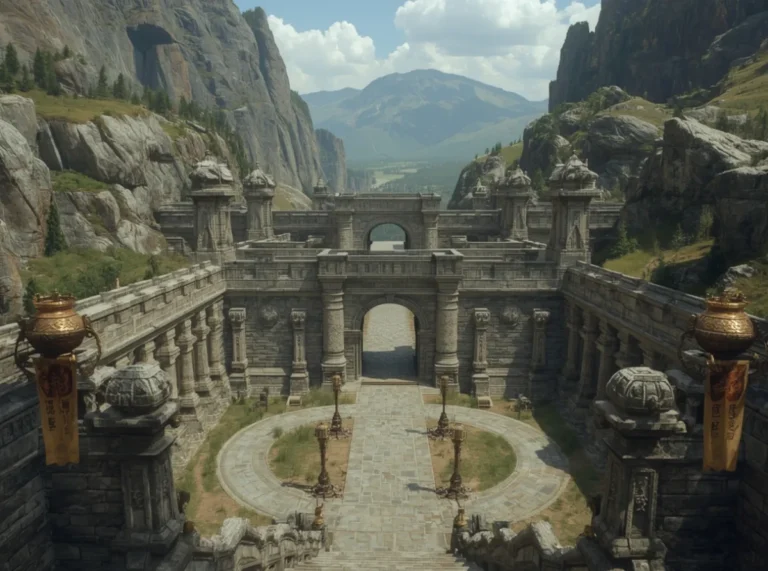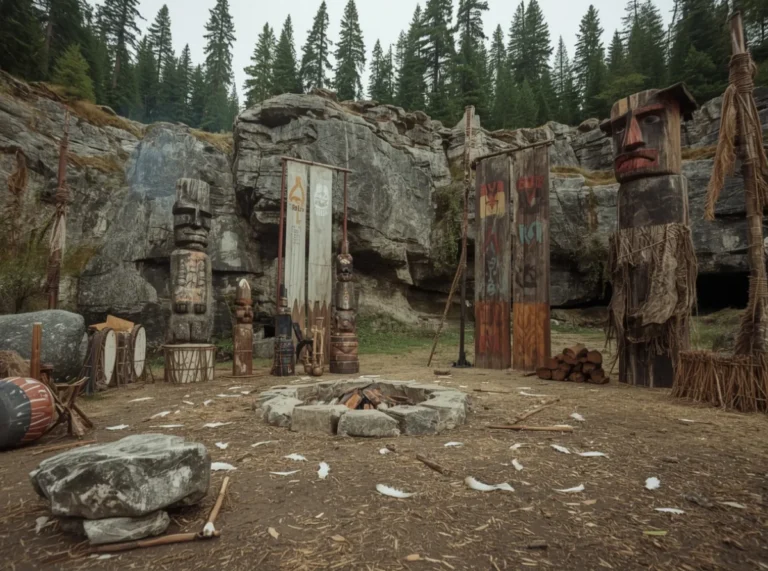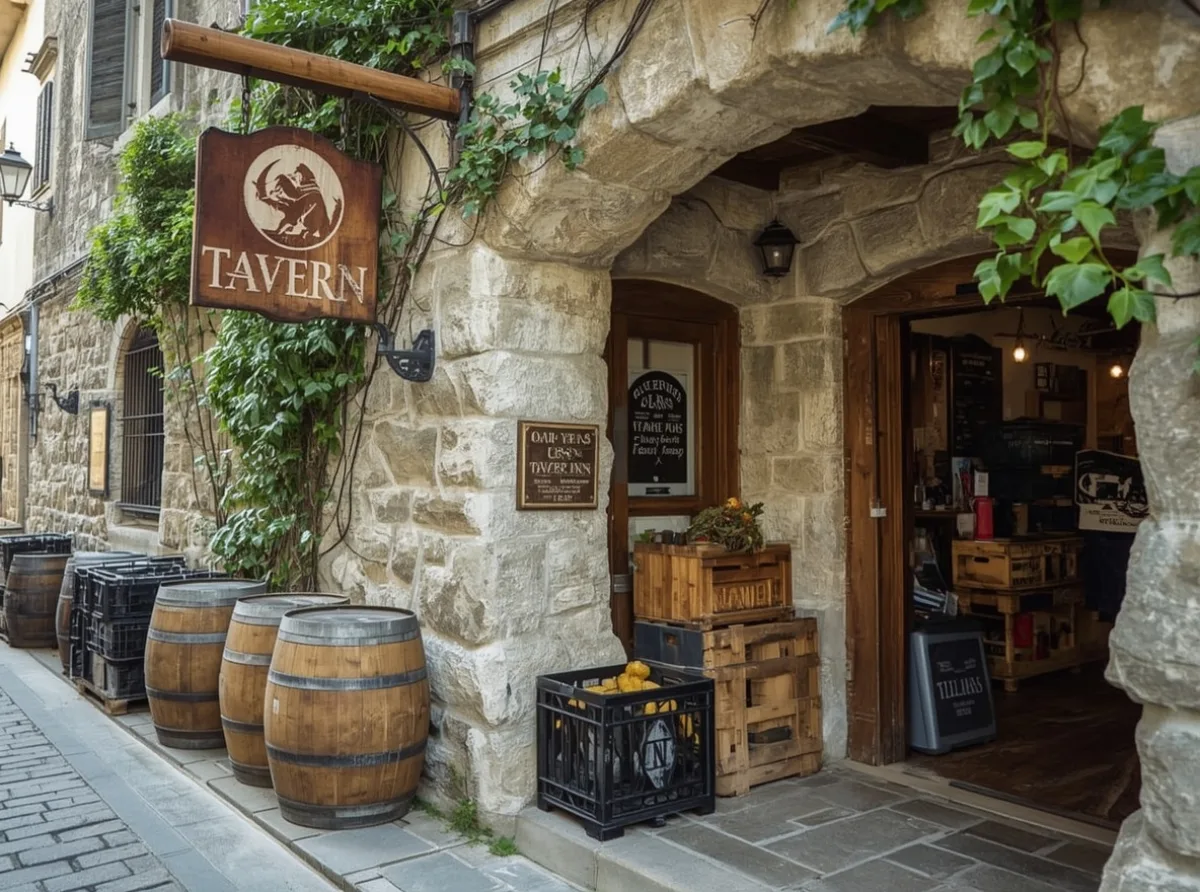
A good fantasy tavern name does more than label a building. It hints at the kind of drinks poured inside, the people who gather there, and the stories that start before the first mug is raised.
The best ones feel like they have history. You can almost hear the floorboards, smell the smoke, and imagine the sign creaking in the wind. That sense of life is what separates a forgettable inn from a place players, readers, and roleplayers want to visit again.
When a tavern name feels alive, it usually carries a small promise. It may suggest comfort, danger, old magic, rough trade, or a touch of mystery. The name does not need to explain everything. It only needs to open the door.
What Makes a Fantasy Tavern Name Feel Real
Some names sound like they were chosen from a list. Others sound like they belong to a place where travelers have actually stopped for years. The difference is usually in the details.
A believable fantasy tavern name often includes a strong image, a local habit, or a piece of world history. It might reference an animal, a saint, a roadside event, a guild, a noble family, or an old legend that still gets told by the fire. That connection to the world gives the name weight.
Names feel alive when they suggest a place with routines, arguments, regulars, and a past that left marks on the walls.
There is also a rhythm to it. Short names feel sturdy. Longer names can feel old, formal, or slightly eccentric. Harsh consonants can suggest a rough frontier stop, while softer sounds often fit a warmer inn or a more elegant city tavern.
Most importantly, the name should match the kind of place you imagine. A tiny roadside inn and a royal banquet hall should not sound like the same establishment. A name that fits the setting will always feel more convincing than one that simply sounds fanciful.
Classic Tavern Names With Warmth and Familiarity
Classic names work well because they are easy to picture. They often use animals, weather, drinks, or simple objects that anyone in a fantasy world would recognize. These names feel like places where adventurers rest, locals gossip, and someone always knows a useful rumor.
They are especially useful for traditional medieval fantasy settings. If you want a tavern name that sounds established without trying too hard, this style is a reliable place to begin.
Name ideas
- The Black Stag
- The Lantern & Mug
- The Copper Tankard
- The Bent Wheat
- The Fox and Barrel
- The Silent Goose
- The Rusty Crown
- The Three Pines
- The Winding Path Inn
- The Hearthside Alehouse
- The Golden Kettle
- The Half-Moon Cup
- The Old Mill Tavern
- The Walnut Barrel
- The River Ox
- The Broken Plow
- The Silver Fox Inn
- The Crowned Oak
- The Traveler’s Rest
- The Ember Bowl
These names work because they sound practical. They suggest a real sign hanging over a door, not just a poetic phrase. That makes them especially useful in games where players need to remember locations quickly.
Some of them lean cozy, while others have a little roughness. That range matters. A tavern called The Copper Tankard feels friendly and reliable. A place called The Broken Plow feels older, harder, and more tied to working people than nobles or merchants.
Names That Feel Busy, Local, and Lived-In
Many of the most convincing taverns sound like they were named by regular people rather than poets. These names often include references to jobs, trade routes, common animals, local landmarks, or everyday objects that matter to the town.
This style is useful when the tavern is part of a living settlement. It can belong to a dock district, a mining town, a border village, or a market square where everyone has an opinion. The name should sound like it has been said out loud thousands of times.
Name ideas
- The Wagon Wheel
- The Spilled Grain
- The Red Lantern Inn
- The Miller’s Friend
- The Stone Ladle
- The Turnip & Thorn
- The River Gate House
- The Sheepfold Tavern
- The Dockhand’s Rest
- The Worn Boot
- The Last Cart
- The Field Crow
- The Bramble Pot
- The Iron Spoon
- The Busy Hive
- The North Bridge Inn
- The Old Ferry House
- The Hearth Knot
- The Crooked Nail
- The Market Wren
- The Grain Lantern
- The Stone Ferry
These names feel especially strong when you imagine the town around them. The Last Cart sounds perfect near a trade road. The Dockhand’s Rest feels natural in a harbor district. The Market Wren belongs in a crowded city lane where merchants and travelers overlap.
They also help make the world feel functional. Not every tavern should sound legendary. Some should sound like they simply do business well and keep the mugs clean.
Names With Mystery, Magic, or an Old Story Behind Them
Sometimes a tavern name should feel slightly strange. Not enough to confuse the player, but enough to make them pause. That kind of name works well for places tied to old ruins, hidden factions, magical roads, or towns with a history no one fully explains.
These names often suggest something that happened long ago. Maybe the inn was built on a broken shrine. Maybe a comet passed overhead when the place opened. Maybe the owner once served an elf, a witch, or a vanished king. A little mystery goes a long way.
A tavern feels memorable when the name implies there is a story you have not heard yet.
Name ideas
- The Whispering Key
- The Moon and Ash
- The Hollow Bell
- The Dreaming Hare
- The Lantern of Thorns
- The Veiled Sun
- The Old Star Door
- The Pale Orchard
- The Singing Stone
- The Fourth Candle
- The Ashen Cup
- The Quiet Serpent
- The Glass Raven
- The Hidden Laurel
- The Night Orchard Inn
- The Waking Oak
- The Hollow Crown
- The Silver Knot
- The Ember Fox
- The Seven Notes
- The Last Whisper
- The Distant Lantern
These names work because they leave room for interpretation. The Whispering Key could be an inn with a secret basement or a symbol tied to a spy network. The Hollow Bell feels like a place where a church once stood. The Glass Raven has just enough sharpness to suggest something unusual without becoming too dramatic.
If you want a tavern to feel important, this style is often the easiest way to do it. The name itself becomes a hook.
Rough, Rowdy, and Frontier-Inspired Tavern Names
Not every fantasy tavern is warm and polished. Some are dusty, loud, and one bad decision away from a broken chair. For border towns, mining camps, pirate ports, and mercenary routes, a rougher name usually fits better.
These names often use hard sounds, blunt images, and practical objects. They do not try to be elegant. They feel like places where armor is scratched, boots are muddy, and the barkeep has seen everything twice.
Name ideas
- The Bent Axe
- The Iron Boar
- The Muddy Pike
- The Split Helm
- The Broken Banner
- The Rusted Shield
- The Long Fang
- The Quarry Cut
- The Black Hammer
- The Snowdrift Saloon
- The Fighting Ram
- The Crooked Spur
- The Gravel Cup
- The Salted Wound
- The Scarred Mule
- The Bloodless Forge
- The Fallen Antler
- The Cracked Shield
- The Red Anvil
- The Iron Fox
- The Rough Hearth
- The Roadscar Inn
These names are useful when the tavern is part of a harsher environment. The Roadscar Inn sounds like it belongs on a dangerous trade route. The Broken Banner feels right in a settlement that has changed hands too many times. The Iron Boar suggests strength and stubbornness without sounding theatrical.
There is a practical side to these names. They are easy to imagine painted on wood, carved in metal, or shouted over noise. In a busy game world, that matters.
Elegant or Noble Tavern Names for Cities and Courts
Not every tavern should sound rough. A wealthy district, a capital city, or a noble quarter may call for something cleaner and more refined. These taverns often serve merchants, diplomats, court officials, scholars, and travelers with money to spend.
The names in this category tend to sound polished, formal, or slightly ceremonial. They may include references to houses, heraldry, light, flowers, velvet, or polished stone. Even if the tavern still has a lively atmosphere, the name should suggest a place with standards.
Name ideas
- The Gilded Lyre
- The Ivory Lantern
- The Velvet Swan
- The Marble Hearth
- The Rose and Laurel
- The Courtly Cup
- The Sapphire Hall
- The Pearl Anchor
- The White Hart Inn
- The Laureled Crown
- The Amber Fox
- The Velvet Oak
- The Silver Hearth
- The Noble Tankard
- The Golden Laurel
- The Ivory Goose
- The Silk Lantern
- The Citadel Rose
- The High Banner Inn
- The Orchard Crown
- The Bright Regent
- The Hall of Cups
These names do not need to sound stiff. A place called The Gilded Lyre can still host music, drinks, and political gossip. The name simply tells you the clientele is likely different from the one at The Bent Axe.
One useful trick is to pair a refined noun with something common. That contrast keeps the name readable. The White Hart is classic because it feels noble without becoming distant.
How to Match a Tavern Name to the World Around It
The strongest fantasy tavern names are rarely chosen in isolation. They make more sense when they fit the setting, the economy, and the local culture. A fishing village should not name its tavern the same way a mountain monastery town would.
Think about what people in that region see every day. If the town sits near forests, names may lean toward stags, oaks, wolves, briars, or pines. In a desert region, lamps, caravans, wells, dates, and stars may feel more natural. In a harbor, ropes, gulls, anchors, lanterns, tides, and salt often work well.
Practical naming clues by setting
- Forest towns: oak, fox, antler, briar, pine, deer
- Coastal towns: anchor, gull, tide, salt, harbor, net
- Mountain towns: stone, forge, peak, ram, ice, hammer
- Royal cities: crown, laurel, pearl, ivory, hall, banner
- Frontier roads: boot, wagon, last, broken, road, rest
These clues do not have to be followed rigidly. They are more useful as a starting point. If a tavern name feels too generic, anchoring it to the local world often fixes the problem quickly.
Even the shape of the name can change the mood. “The Red Lantern” feels immediate and practical. “The House of the Red Lantern” feels more formal. “Under the Red Lantern” feels like a place with secrecy, nightlife, or underground trade. Tiny changes can shift the entire impression.
Patterns That Make Tavern Names Sound Natural
Fantasy tavern names often follow a few familiar patterns. Once you notice them, it becomes easier to create names that sound like they belong in the same world as other believable places.
One common pattern is the object-and-object combination. These are names like The Fox and Barrel or The Moon and Ash. They feel balanced and easy to remember. Another pattern is the single-symbol approach, such as The Raven or The Anchor, which can sound cleaner and more modern if the setting allows it.
There are also names that use ownership or profession. Examples include The Miller’s Friend, The Dockhand’s Rest, or The Smith’s Mug. These names feel especially grounded because they connect the tavern to a person or trade.
If a tavern name sounds like it has a reason to exist in that town, it usually feels more convincing than a name built only for atmosphere.
Another useful pattern is the event-based name. These often point to an old incident, a local legend, or a strange moment in the town’s past. Names like The Last Cart or The Fourth Candle feel interesting because they raise quiet questions. That is often enough.
Subtle, Strong, and Legendary Styles
Not every tavern needs to announce itself the same way. Some should blend into the world. Others should stand out. A few should feel almost iconic the moment they are mentioned.
Subtle names tend to sound local and believable. Strong names usually have one clear image and a bit of character. Legendary names often feel like they have survived stories, wars, or centuries of travel.
| Style | What it feels like | Example names |
|---|---|---|
| Subtle | Local, ordinary, lived-in | The Wagon Wheel, The Old Ferry House, The Stone Ladle |
| Strong | Clear, memorable, grounded | The Black Stag, The Copper Tankard, The Iron Boar |
| Legendary | Historic, symbolic, slightly larger than life | The Whispering Key, The Gilded Lyre, The Hollow Crown |
Each style has its place. A subtle name works best when the tavern is one of many in a living city. A legendary name works best when the tavern matters to the plot, the guilds, or the history of the region. Strong names sit in the middle and are often the easiest to reuse.
Names That Suggest Food, Drink, and Hospitality
Sometimes the best fantasy tavern name is the one that quietly suggests what people come for. A place built around ale, stew, bread, fire, and rest does not need a complicated label. In many worlds, that simple promise is enough.
Names tied to hospitality feel welcoming and practical. They are useful for inns, roadside stops, and village taverns where the main attraction is a solid meal and a safe bed. The words do not need to be fancy to feel right.
Name ideas
- The Warm Stew
- The Full Mug
- The Hearth Spoon
- The Bread Basket
- The Kettle and Crust
- The Salted Loaf
- The Ember Pot
- The Milk and Honey
- The Sleeping Goose
- The Quiet Pantry
- The Golden Ladle
- The Fireside Cup
- The Oak Plate
- The Red Apron
- The Tired Traveler
- The Soft Bed Inn
- The Woolen Mug
- The Common Table
- The Roasted Grain
- The Lantern Pantry
These names feel especially useful for smaller settlements or places where comfort matters more than spectacle. They also work well when you want the tavern to feel approachable rather than mysterious.
A name like The Common Table tells you a lot without trying too hard. It sounds like a place where strangers become familiar faces.
How to Build Your Own Tavern Name
If you want a name that feels alive, start with the world instead of the words. Ask what the tavern does, who visits it, and what the town is known for. Those answers usually point to better choices than random fantasy terms.
A simple approach is to combine one concrete noun with one emotional or visual word. Another is to use local geography, a trade symbol, or a legendary event. A third option is to borrow from everyday life and make the ordinary feel specific.
- Pick a local symbol: fox, river, hammer, lantern, antler
- Add a mood word: black, silver, quiet, broken, golden, hidden
- Test the sound out loud: does it feel easy to say in conversation?
- Imagine the sign: would it make sense hanging above a door?
- Check the setting: does the name fit the town’s tone and history?
If the name still feels flat, change one piece at a time. “The Old Lantern” might become “The Red Lantern,” then “The Lantern of Ash,” then “The Ashen Lantern.” Small shifts can make a big difference.
It also helps to avoid names that are too abstract. Words like “magic,” “destiny,” or “legend” can sound heavy without giving a clear image. A tavern name usually works better when people can picture it immediately.
More Name Ideas by Mood
Some settings need names grouped by mood rather than by structure. A world with old roads and stable kingdoms will use taverns differently from a frontier land haunted by ruin or a city full of hidden factions. The mood of the place should guide the name.
Cozy and welcoming
- The Hearthside Mug
- The Willow Kettle
- The Gentle Roost
- The Amber Hearth
- The Sunny Cup
- The Woolen Fox
- The Sleepy Lamb
- The Orchard Mug
- The Kind Lantern
- The Quiet Door
Dark and atmospheric
- The Ashen Bell
- The Hollow Lantern
- The Black Reed
- The Widow’s Rest
- The Pale Cup
- The Broken Star
- The Thorned Mug
- The Night Anvil
- The Gloom Hearth
- The Silent Moor
Adventurous and road-worn
- The Last Mile
- The Crossroads Mug
- The Wandering Boot
- The Northbound Tankard
- The Roadfire Inn
- The Dusty Crown
- The Far Gate House
- The Cart and Compass
- The Trailblazer’s Rest
- The Milepost
These groups can be useful when naming locations for a campaign or a story. Once the mood is set, the rest of the world starts to feel more coherent.
Choosing a Name That Players Remember
Memorable names are usually easy to repeat and easy to picture. They do not need extra explanation every time they appear. In games and stories, that matters more than sounding overly clever.
A name like The Black Stag sticks because it creates a clean visual. The Copper Tankard is easy to recall because it sounds exactly like what it is. The Whispering Key stays in the mind because it combines a familiar object with a hint of secret history.
The strongest tavern names often have one of three qualities: a clear image, a small surprise, or a sense of local truth. If a name has all three, it usually lands well.
The most alive tavern names feel as if people have already been using them for years before the player arrived.
That sense of continuity is the real goal. A name should not just decorate the world. It should make the world feel inhabited.
When the right name is in place, the tavern becomes more than a stop on a map. It becomes a place where a letter might be delivered, a rumor overheard, a contract offered, or a quiet evening remembered later.