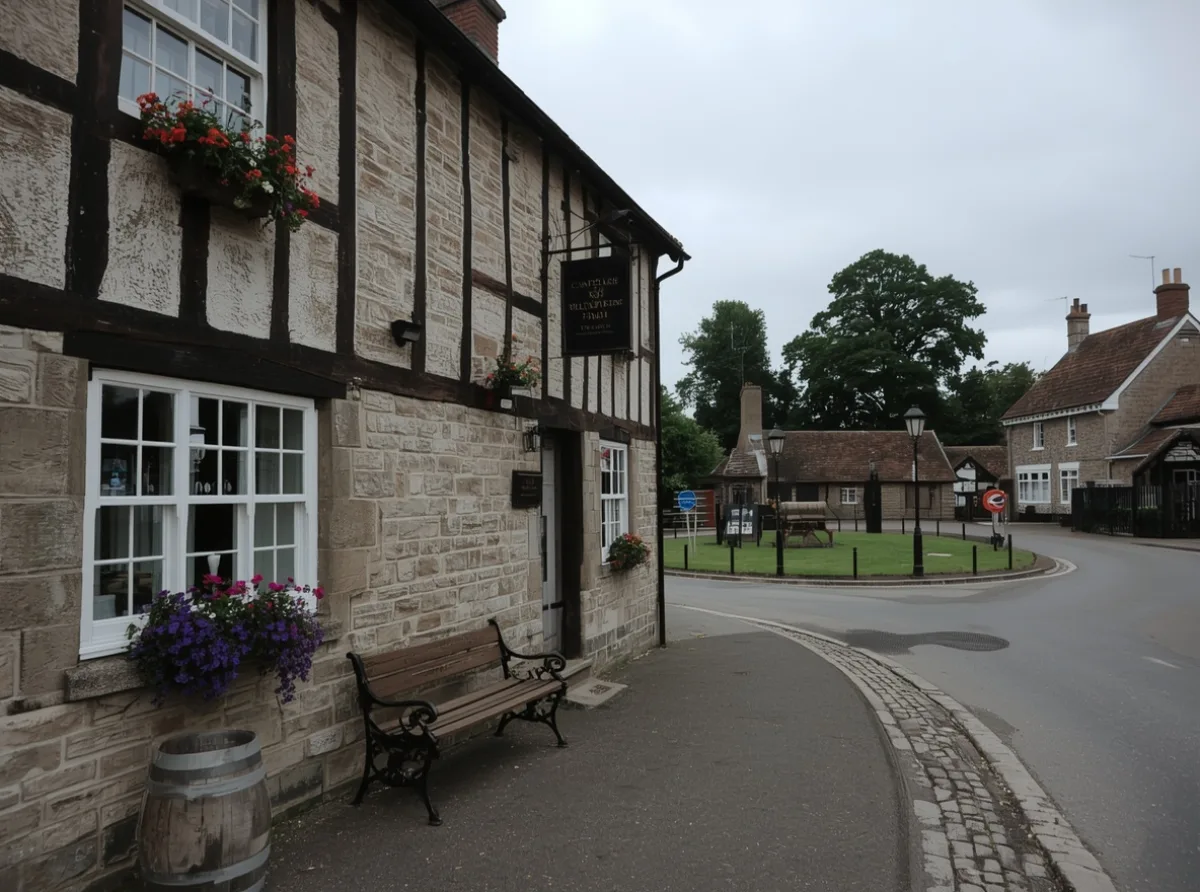
Warm medieval inn names do a lot of quiet work in a fantasy setting. They suggest a place where travelers can rest, meet, trade rumors, or spend one safe night before the road turns strange again. The best names feel lived-in. They sound like someone has been saying them for generations.
These names often blend comfort with old-world texture. You might hear oak, hearth, ale, fox, lamp, or crown in them. Some feel rustic and simple. Others carry a little nobility, a little mystery, or a hint of local legend. That balance is what gives them their warm medieval feel.
In games, stories, and roleplay, an inn name can shape the whole mood of a location. A strong name can tell you whether the place is friendly, busy, quiet, wealthy, or touched by magic. It can also help a town feel more complete. One good inn name can make a map feel like a real place instead of a background prop.
What Gives a Fantasy Inn Name a Warm Medieval Feel
Warm medieval names usually sound familiar without becoming plain. They borrow from real medieval language patterns, but they stay easy to read. That matters. If a name is too ornate, it can feel distant. If it is too modern, the illusion breaks.
Several elements often create that feeling:
- Natural imagery like oak, ash, willow, pine, river, or meadow
- Hearth and home words such as hearth, lantern, table, loaf, mug, and fire
- Animals with a gentle or local feel, like fox, swan, badger, stag, or hare
- Old titles and trade words, including inn, alehouse, tavern, arms, crown, and hall
- Soft, readable combinations that sound like something people would say often
Names that work well usually feel practical. A villager should be able to point at the sign and say it naturally. That is part of the charm. Medieval fantasy is more believable when the names seem tied to daily life, not just decoration.
Warm inn names usually sound best when they suggest shelter, food, wood smoke, and familiar roads. The mood matters more than complexity.
Classic Inn Names for Small Villages and Roadside Stops
These names fit modest inns, coaching stops, and village taverns. They are simple, sturdy, and easy to remember. They also work well in low-magic or classic fantasy worlds where the setting leans more rural than grand.
- The Willow Hearth
- The Old Lantern
- The Fox and Fir
- The Stone Mug
- The Golden Loaf
- The Kindly Stag
- The Birch Bell
- The Red Hearth
- The Traveling Oak
- The Farrier’s Rest
- The Hollow Cup
- The Meadow Gate
- The Ashen Barrel
- The Quiet Tankard
- The Lantern Post
- The Swan’s Nook
- The Hearth and Hoe
- The Copper Kettle
- The Willow Cup
- The Horse and Hearth
These names work because they feel rooted in a village economy. A farrier, a lantern, a loaf of bread, a horse. These are not random fantasy words. They belong to a world where travelers depend on local craft and local hospitality.
Names like The Golden Loaf or The Copper Kettle feel especially warm because they hint at food and drink right away. The Farrier’s Rest sounds like a place where workers and merchants might stop without fuss. The Willow Hearth has a softer tone, useful for inns near rivers or wooded roads.
Small Variations on the Same Mood
Once you find a naming pattern, you can make it fit different regions. That keeps a world consistent without making every inn sound identical.
- The Willow Hearth → The Willow Hearth House, The Hearth at Willow, Willow Hearth Inn
- The Fox and Fir → The Fox Under Fir, The Fox & Fir, The Firwood Fox
- The Stone Mug → The Old Stone Mug, The Stone Mug Tavern, The Mug and Stone
- The Golden Loaf → The Loaf of Gold, The Golden Oven, The Loaf and Lantern
Small shifts like these can make one naming idea fit several towns. A road inn might use a simpler form. A market town might choose something slightly fuller. A noble district might refine the same idea into a more polished sign.
Cozy Hearth Names for Inns That Feel Safe and Welcoming
Some fantasy inns are not just practical. They are clearly meant to be warm places. These names lean into comfort, bread, firelight, and calm evenings. They fit family-run inns, traveler shelters, and places where the inn itself becomes part of the town’s identity.
- The Hearthfire Inn
- The Briar Hearth
- The Ember Table
- The Hearthstone Hall
- The Warm Cup
- The Black Kettle
- The Hearth & Barrel
- The Morning Loaf
- The Fireside Rest
- The Honey Tankard
- The Rose Lantern
- The Oakfire Inn
- The Homeward Hearth
- The Hearth and Harp
- The Gentle Flame
- The Bread and Board
- The Copper Hearth
- The Quiet Ember
- The Traveling Hearth
- The Candlewick Inn
These names often feel strongest when they describe a real comfort. Warm bread. A room by the fire. A cup after a long ride. That kind of detail is easy to picture and easy to remember.
The Hearth & Barrel has a simple working-class charm. The Rose Lantern feels softer and a little more polished. The Bread and Board sounds humble, but in a good way. It suggests honest service instead of luxury.
If the name makes you imagine firewood, soup, mugs, or a quiet bench by the door, it is probably on the right track for a warm medieval inn.
Names with a Rustic Noble Feel
Not every warm inn has to feel humble. Some of the most memorable fantasy taverns sit near castles, trade roads, or fortified towns. They may serve merchants, minor lords, and soldiers on leave. The names below carry a little more polish without losing their medieval texture.
- The Silver Stag
- The Crowned Hare
- The Copper Crown
- The Rose and Oak
- The King’s Hearth
- The Queen’s Cup
- The Amber Hall
- The Noble Lantern
- The Griffin’s Rest
- The High Road Inn
- The Velvet Tankard
- The Bannered Boar
- The Laurel Crown
- The Courtly Fox
- The Lion and Laurel
- The Hearth of Pines
- The Gilded Hearth
- The Stag and Star
- The Royal Mug
- The Everoak Inn
These names work because they pair comfort with status. They still sound like inns, but they also hint at better service, stronger ale, cleaner rooms, or a better location inside a town wall. A traveler might pay more for a place with a name like The Gilded Hearth, and the name itself tells you why.
The trick is not to make them too grand. A fantasy inn should not sound like a palace unless that is the point. The best rustic noble names suggest respect, not grandeur. They feel like places where a steward, a captain, and a caravan master might all share the same fire.
When a Name Needs a Touch of Rank
Here are a few naming patterns that can make an inn feel more refined:
- Use regal nouns with plain warmth: crown, hall, hearth, cup, lantern
- Mix animals with status words: stag, lion, griffin, hare, boar
- Add gold, silver, amber, or laurel for a worn-but-respectable feel
- Choose “house” or “hall” when you want the place to feel established
A name like The Amber Hall feels older and more settled than The Amber Tavern. The King’s Hearth has a stronger sense of tradition than The King’s Rest. Small choices change the whole impression.
Woodland and River Inn Names
In many fantasy worlds, the most inviting inns sit near woods, streams, marsh paths, or old bridges. These places feel quieter than city taverns. They often serve hunters, ferrymen, and travelers on local roads. A name with a natural edge can make the setting feel gentler and older at the same time.
- The River Reed Inn
- The Foxglove Hearth
- The Alder Fox
- The Brook and Barrel
- The Pine Lantern
- The Mossy Cup
- The Wren’s Rest
- The Hollow Reed
- The Silver Brook
- The Oak and Oar
- The Willow Bend
- The Fern Hearth
- The Badger’s Cup
- The Marsh Lantern
- The Riverbank Inn
- The Green Hollows
- The Bramble Crown
- The Deer’s Rest
- The Timber Swan
- The Ash and Reed
These names often feel best when the building itself matches them. A riverside inn should sound like it belongs to the current and the reeds. A forest stop should suggest timber, moss, or animals that live nearby. The connection between place and name makes the world feel grounded.
The Oak and Oar is especially useful for a ferry stop or dockside inn. The Wren’s Rest feels small and neat, almost tucked away. The Bramble Crown has a slightly wilder edge, which suits a road that crosses untamed land.
Warm Names for Busy Market Town Inns
Market town inns need a different energy. They are social places. Traders arrive, news changes hands, and the room is never fully quiet. These names usually feel a little more active, but they can still be warm and medieval if the wording stays grounded.
- The Market Hearth
- The Busy Barrel
- The Golden Cart
- The Trade Wind Inn
- The Merchant’s Mug
- The Lantern Market
- The Wool and Wheat
- The Town Cask
- The Copper Market
- The Roadside Crown
- The Lively Loaf
- The Stall and Stag
- The Iron Kettle
- The Good Measure
- The Red Cart
- The Weaver’s Rest
- The Fair Oak
- The Steady Tankard
- The Crowned Market
- The Hearthside Stall
These names help a town feel economically alive. They imply trade routes, storage, common rooms, and the smell of wet cloaks after a long day in the square. They also make excellent hubs for quests, because the name already suggests movement and exchange.
The Good Measure is especially useful for a place known for fair prices and trustworthy service. The Weaver’s Rest feels like a real local business name, while The Golden Cart suggests trade and road travel without sounding overly decorative.
For market inns, the best names often hint at labor, exchange, or travel. They should feel busy enough to matter, but still warm enough to welcome a tired guest.
Darker Warmth: Inns with Age, Smoke, and Weathered Charm
Warm does not always mean bright. Some inns feel worn, smoky, and deeply old, yet still inviting. These names fit settings with a more lived-in medieval tone. They are good for mountain roads, frontier towns, and older districts where the building has seen many winters.
- The Smoke & Oak
- The Weathered Hearth
- The Old Cask
- The Ember Door
- The Soot Lantern
- The Tarnished Crown
- The Hearth Below
- The Low Roof Inn
- The Blackwood Mug
- The Cinder Cup
- The Broken Wheel
- The Ash Market Inn
- The Worn Taproom
- The Hushed Barrel
- The Dark Hearth
- The Bent Sign
- The Brown Fox
- The Old Stone Flame
- The Slow Ember
- The Iron Lantern
These names still feel welcoming, but they carry age. They suggest wooden beams darkened by smoke, old signs swinging in the wind, and a place that has survived long enough to become part of the road itself. That kind of atmosphere can be very appealing in fantasy worlds with history.
The Weathered Hearth sounds like a place with character. The Old Stone Flame is particularly useful for an inn in a mountain village or fortress town. The Bent Sign feels humble, almost practical, and that can be exactly what a setting needs.
How to Choose the Right Feel for Your World
Different fantasy settings reward different naming habits. A bright kingdom, a frontier borderland, and a dark forest kingdom should not use the same kind of inn names in the same way. The setting should shape the word choices.
| Setting | Best Name Traits | Example Feel |
|---|---|---|
| Village road stop | Simple, earthy, familiar | The Willow Hearth |
| Market town | Busy, practical, social | The Golden Cart |
| Royal province | Refined, traditional, stable | The Silver Stag |
| Forest edge | Natural, quiet, local | The Alder Fox |
| Older frontier | Weathered, sturdy, worn | The Old Cask |
That kind of matching matters because it helps the inn feel like part of the land. If every tavern in a world sounds too noble, the setting can feel flat. If every inn is rustic, the world may lose contrast. Good naming uses variety while staying consistent with the region.
A mountain pass may favor names like The Iron Lantern or The Slow Ember. A river town might lean toward The Brook and Barrel or The River Reed Inn. A castle district can handle The Laurel Crown or The King’s Hearth without sounding out of place.
Common Naming Patterns That Work Well
Warm medieval inn names often follow recognizable shapes. Once you notice them, it becomes easier to invent new ones that still sound natural.
Pattern 1: Noun + Noun
- Fox and Fir
- Oak and Oar
- Bread and Board
- Rose and Oak
- Smoke and Oak
Pattern 2: Adjective + Hearth or Light Word
- Golden Loaf
- Quiet Ember
- Old Lantern
- Warm Cup
- Silver Brook
Pattern 3: Animal + Place
- Kindly Stag
- Crowned Hare
- Wren’s Rest
- Brown Fox
- Deer’s Rest
Pattern 4: Trade or Daily Life Words
- Farrier’s Rest
- Merchant’s Mug
- Weaver’s Rest
- Good Measure
- Town Cask
These patterns stay readable, which is important. Fantasy names should feel believable when spoken out loud. If a name sounds awkward in conversation, it usually will not last long in memory.
Good inn names are easy to imagine on a signboard, easy to say in dialogue, and easy to associate with a location. That combination matters more than rare vocabulary.
Fresh Variations for Custom Worlds
If you want something that feels original without drifting too far from the medieval mood, small changes can help. Swap one word. Change the animal. Shift the mood from bright to weathered. The result can still feel familiar while avoiding the most common fantasy clichés.
- The Amber Fox
- The Birch Crown
- The Hollow Lantern
- The Hearth of Reed
- The Quiet Stag
- The Copper Swan
- The Moss Crown
- The River Hearth
- The Fox and Amber
- The Oak Lantern
- The Woven Hearth
- The Timber Cup
- The Lantern Fox
- The Hearth of Bells
- The Sunlit Barrel
- The Reed and Rose
- The Stable Crown
- The Brown Candle
- The Hearthside Swan
- The Grain and Gable
These names are useful when you want the world to feel specific. The Grain and Gable sounds like an inn tied to farming country. The Hearth of Bells gives a village a slightly ceremonial feel. The Amber Fox is simple, clean, and easy to remember.
That flexibility is one reason fantasy inn names matter so much. They can quietly signal geography, class, local habits, and even the type of stories that happen there. A name does not need to explain everything. It only needs to give the right first impression.
Final Name Sets for Quick Use
When you need a fast option, it helps to keep a smaller set of names that are especially adaptable. These are strong choices for maps, RPG sessions, tavern scenes, and worldbuilding notes.
- The Willow Hearth
- The Golden Loaf
- The Fox and Fir
- The Silver Stag
- The River Reed Inn
- The Merchant’s Mug
- The Weathered Hearth
- The Oak and Oar
- The Rose and Oak
- The Old Lantern
- The Hearthfire Inn
- The Good Measure
- The Copper Kettle
- The Ash and Reed
- The Amber Fox
Each of these can fit more than one kind of fantasy location. Some lean rural, some lean social, and some carry a noble edge. That makes them useful when you need consistency without repeating the same template every time.
The warm medieval feel comes from restraint. Familiar words. Old textures. A sense of place. When those pieces come together, even a small inn on a forgotten road can feel like a real stop in a larger world.