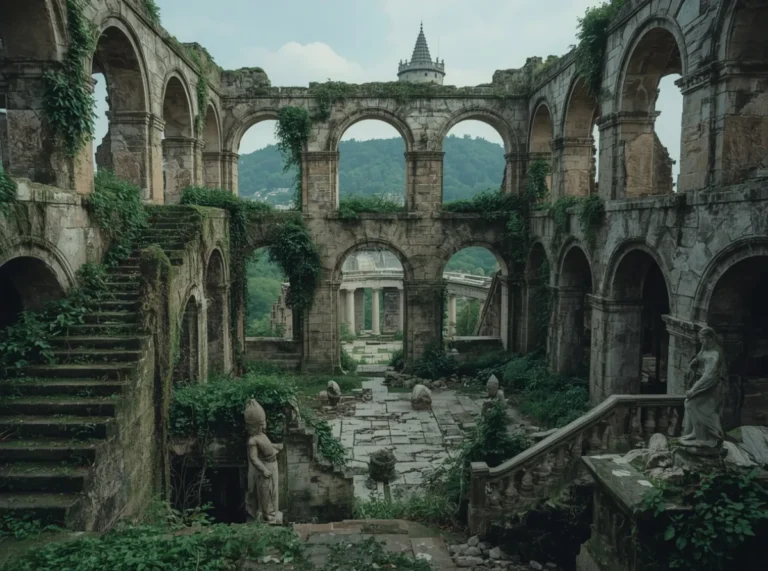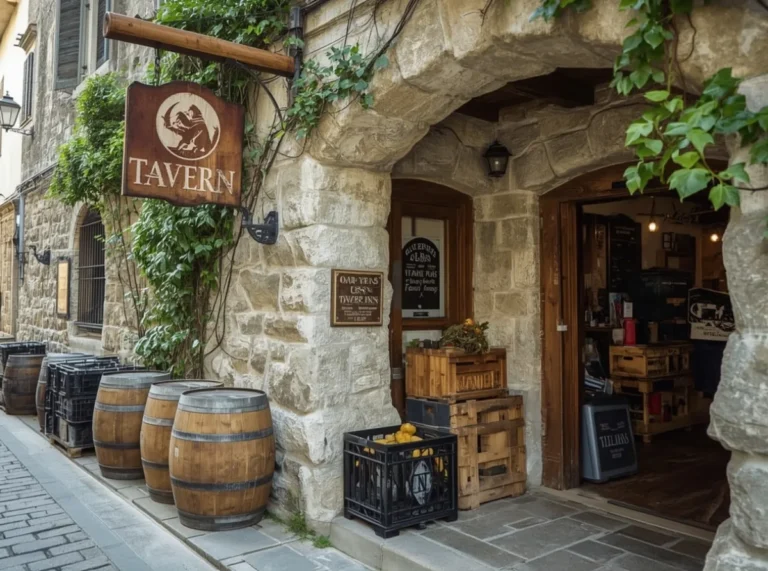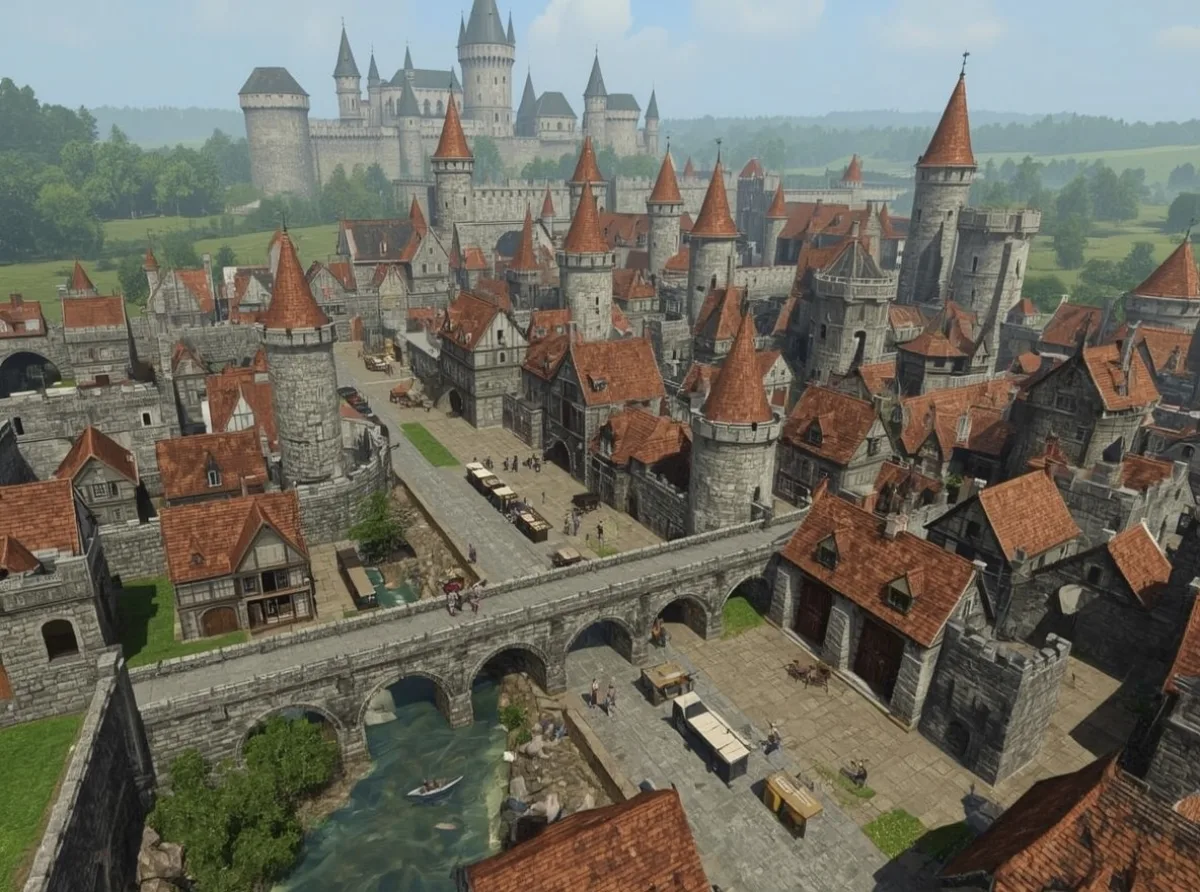
Medieval fantasy city names work best when they sound lived-in. They should feel like places with gates, markets, stone walls, and old secrets tucked into narrow streets. A good name can suggest a city’s history before a single scene is written.
Some names lean noble and polished. Others feel rough, ancient, or half-forgotten. The strongest ones usually hint at both place and mood at once, which is why they stay memorable in games, stories, and roleplay settings.
When a city name fits a medieval world, it often carries echoes of old languages, regional geography, or local legends. That mix gives it weight. It can sound royal without being stiff, or mysterious without becoming hard to read.
What Makes a Medieval Fantasy City Name Feel Real
A believable fantasy city name usually has a sense of structure. Real medieval-inspired names often come from rivers, hills, fortresses, trades, rulers, or old occupations. Fantasy names can borrow that same logic while still sounding imaginative.
There is also a balance between familiarity and invention. If a name is too plain, it disappears. If it is too complex, it becomes hard to remember. The best names are easy to say, but still carry texture.
Good fantasy city names often suggest three things at once: geography, history, and tone.
For example, a name with hard consonants may feel defensive or militarized. A softer name may suggest a trade city, a holy center, or a place with old scholarly traditions. A name with layered syllables can feel ancient and politically important.
It also helps to think about the city’s role in the world. Is it a capital, a frontier outpost, a river port, or a mountain hold? That purpose shapes the sound of the name more than decoration does.
Common Elements That Help a Name Feel Medieval
- Stone, iron, crown, gate, keep, tower, vale, ford, hamlet, marsh, and port imagery
- Old-sounding suffixes like -hurst, -mere, -haven, -fall, -wall, and -wick
- Names built around landmarks instead of random fantasy sounds
- Simple rhythms that are easy to speak aloud during gameplay or writing
Classic City Names for Noble Kingdoms
These names fit kingdoms with banners, courts, and old dynasties. They sound established, with enough formality to belong on maps, seals, and royal decrees. Many of them could sit naturally beside castles, cathedrals, and paved processional roads.
They lean toward dignity rather than danger. That makes them useful for central capitals, border duchies, or wealthy cities that grew around a throne. They also work well when the world needs a sense of order.
- Valecrown
- Highmere
- Stoneward
- Ravensgate
- Goldhollow
- Westreach
- Thornhaven
- Brightford
- Crownspire
- Emberhall
- Silvertide
- Oakwatch
- Windmere
- Redcastle
- Lionbrook
- Fairwall
- Grandhollow
- Moonfield
- Northbridge
- Alderkeep
Names like these work because they are readable at a glance. They do not need complicated spelling to feel rich. The medieval flavor comes from the building blocks, not from excess decoration.
Why These Names Feel Royal
Many of them combine an elevated noun with a place marker. Crown, hall, keep, gate, and ward are especially useful because they immediately imply administration or defense. Even when the name is simple, it feels important.
Another reason these names work is the sense of permanence. Stoneward feels built to last. Ravensgate sounds old enough to have seen wars, trades, and dynasties rise and fall. That kind of implied history is useful in any fantasy setting.
Names for Trade Cities, Ports, and Market Hubs
Not every medieval city needs to sound noble. Some of the best fantasy city names feel busy and practical, the kind of place where caravans unload, ships dock, and guilds control half the streets. These names usually sound more active and less ceremonial.
They often use water, roads, markets, or crossroads as inspiration. That gives the city a sense of movement. You can almost picture wagon wheels, river barges, and merchant banners.
- Rivercross
- Harborwyn
- Saltmere
- Marketon
- Glenport
- Eastwharf
- Brookhaven
- Coinreach
- Lanternbay
- Dockmere
- Stonequay
- Windharbor
- Tradefall
- Ferrywall
- Wickport
- Amberdock
- Crossharbor
- Mercer’s End
- Oarhold
- Fairquay
These names are especially useful when the city exists to connect regions. A trade city needs a name that suggests access and exchange. The best ones imply roads, water, and a constant flow of people.
A market city name feels stronger when it sounds like a place where things arrive, not just a place where people live.
Small details help a lot here. “Wharf,” “quay,” and “dock” instantly create a coastal or river image. “Cross,” “market,” and “trade” create a sense of routes and commerce. That makes the city easier to picture without extra explanation.
Dark and Gritty Medieval Fantasy City Names
Some settings need names with more weight and shadow. These cities may be built under a harsh lord, surrounded by war, or shaped by old superstition. Their names often sound rougher, colder, or more severe.
The appeal here is not randomness. It is tension. A dark fantasy city name should feel like it has survived something and never fully recovered. The sound should support that atmosphere.
- Gravewall
- Blackmere
- Duskhold
- Ironvein
- Ashenford
- Rimewatch
- Wolfcrest
- Gloomharbor
- Frostgate
- Bloodwynd
- Stormbarrow
- Nightfell
- Skullmere
- Coldspire
- Harrowgate
- Wraithford
- Brackencrypt
- Emberdusk
- Thorngrave
- Greyhollow
These names often work because they combine physical places with ominous imagery. A wall, gate, hold, or ford gives structure. The dark element shifts the mood. That contrast makes the city feel grounded instead of cartoonish.
There is a practical advantage too. Names like Harrowgate or Greyhollow can fit many types of grim settings without locking you into one exact story. They can belong to a cursed kingdom, a war border, or a city that grew rich through hard labor and poor choices.
Subtle Dark Names vs Strong Dark Names
- Subtle: Greyhollow, Ashenford, Blackmere, Coldspire
- Stronger: Bloodwynd, Gravewall, Skullmere, Thorngrave
- Balanced: Duskhold, Harrowgate, Wraithford, Nightfell
Subtle names tend to feel more realistic in settings where darkness is part of everyday life. Stronger names work better when the city is supposed to make people uneasy the moment they hear it. Both can be effective, depending on the world’s tone.
Ancient, Mystical, and Scholarly City Names
Medieval fantasy is not only about castles and armies. It also includes old libraries, hidden orders, temple cities, and places where history feels heavier than the present. These names tend to sound more mystical, ceremonial, or ancient.
They often use softer consonants, layered syllables, and hints of sacred or forgotten language. That makes them suitable for magical centers or cities with deep religious influence. They can feel graceful without losing medieval character.
- Eltharan
- Myrhold
- Serenvale
- Aurelith
- Ebonmire
- Caerwyn
- Velora
- Ardenmere
- Thalorin
- Iskareth
- Lunawick
- Orivale
- Selvaris
- Merinth
- Althane
- Veyrun
- Elaric
- Corlith
- Naerim
- Ostharel
These names feel a little more ceremonial than practical. That is useful when the city is home to scholars, priests, archivists, or mages. A name like Aurelith suggests old light and formal tradition. Caerwyn feels ancient in a way that is gentle rather than harsh.
Mystical city names often sound better when they leave room for interpretation instead of spelling everything out.
That flexibility matters. A city name does not need to explain its magic directly. It only needs to invite the right kind of imagination. A name like Thalorin can belong to a temple city, an arcane academy, or a sealed royal archive, depending on the world around it.
How to Choose a Name by City Function
One of the easiest ways to build strong fantasy city names is to match the sound to the city’s purpose. That keeps the world coherent. It also prevents the names from feeling random or interchangeable.
A capital city often benefits from a formal, balanced name. A fortress city usually needs harder sounds. A port city should feel open and mobile. A sacred city may sound older, softer, or more elevated.
| City Type | Useful Sound Traits | Example Feel |
|---|---|---|
| Capital | Formal, balanced, noble | Valecrown, Crownspire |
| Fortress | Hard, defensive, compact | Stoneward, Duskhold |
| Port | Open, fluid, trade-focused | Harborwyn, Dockmere |
| Sacred | Ancient, soft, ceremonial | Serenvale, Aurelith |
| Border city | Rugged, tense, watchful | Ravensgate, Harrowgate |
That kind of matching makes even simple names feel intentional. The name and the role support each other. As a result, the city becomes easier to remember in conversation, in quest logs, or during worldbuilding notes.
Alternative Naming Styles Inspired by Medieval Worlds
Fantasy city names do not have to follow one formula. Medieval-inspired settings can support several related styles, and switching between them can help a world feel larger. A kingdom with only one naming pattern often feels flat.
One approach is to use compound names built from ordinary words. Another is to adapt old-sounding syllables without making the name difficult. A third is to lean on regional flavor, where one kingdom has sharper names and another uses softer ones.
Short and Direct Names
- Rook
- Warden
- Hearth
- Brig
- Kest
- Vale
- March
- Fallow
- Grimford
- Stonebar
- Elmwatch
- Northfall
- Ironwall
- Redmarch
- Oakmere
Short names can be strong because they are easy to repeat. They work well for fortified settlements, border towns, and places that appear often in dialogue. A simple name can still feel rich if the world around it is developed.
Longer and More Elegant Names
- Calderwyn
- Meridale
- Althoria
- Viremont
- Iselcairn
- Theramore
- Eldraven
- Solmireth
- Faelorian
- Norivelle
- Caeldorin
- Ilveran
- Seraphane
- Morcelyn
- Avenroth
These names carry more formal weight. They often suit older capitals, dynastic cities, or places with aristocratic history. Because they stretch a little more, they can sound more refined or mythic.
Common Patterns That Keep Names Memorable
There are a few naming patterns that show up again and again in effective medieval fantasy city names. They are simple, but they work. Once you notice them, it becomes much easier to build your own lists.
- Landmark + place: Ravensgate, Stoneward, Rivercross
- Natural feature + settlement: Oakwatch, Greyhollow, Brightford
- Atmosphere + structure: Duskhold, Coldspire, Emberhall
- Trade or motion + location: Marketon, Dockmere, Crossharbor
These combinations feel natural because they mirror how real places are often named. They are descriptive without being too literal. That balance helps the city feel like part of a larger living world.
Another useful pattern is contrast. A soft word paired with a hard word can create a strong memory point. Silver and wall, moon and gate, ash and ford. These pairings make a city name feel layered.
Memorable fantasy city names usually sound like they came from a place people have actually lived in for generations.
How Tone Changes the Same Core Name
Sometimes the difference between a simple city and a legendary one is only a slight shift in wording. The core idea stays the same, but the tone changes. This is useful when you want related cities in the same region.
- Stone Ford
- Stonecross
- Stoneward
- Stonecrown
Each version creates a different impression. Stone Ford feels practical and grounded. Stonecross feels like a travel point. Stoneward sounds defensive. Stonecrown feels royal. The underlying image remains, but the emotional weight changes.
This method is especially helpful for designing kingdom maps. You can name several settlements with the same root and vary the ending to reflect rank, size, or purpose. It creates consistency without making every city sound identical.
Building a City Name Around a Single Image
If a name feels stuck, start with one visual image. A gate, a tower, a marsh, a bridge, a harbor, a crypt, a hill, or a crown can each become the core of a city name. From there, add a second word that shapes the mood.
For example, “bridge” can become Brightbridge, Blackbridge, or Northbridge. “Tower” can become Moontower, Ashentower, or Hightower. “Marsh” can become Miregate, Marshwell, or Grey Marsh. The method is simple, but it produces names that feel connected to the world.
This approach also makes it easier to avoid generic fantasy noise. Instead of forcing a name to sound magical, you give it a reason to exist. That usually results in better names for RPG towns, capital cities, and map locations.
Names That Fit Different Medieval Moods
Some cities should feel warm and stable. Others should feel tense, sacred, or burdened by history. Matching the mood to the setting helps the world feel coherent. Here are a few groups that capture different medieval fantasy tones.
Warm and Livable
- Hearthwell
- Brookhaven
- Amberfield
- Fairmere
- Westglade
- Roseford
- Lanterncross
- Hillcrown
- Brightwick
- Sunvale
Old and Weathered
- Greywall
- Fallowkeep
- Brackenford
- Ironmere
- Hearthgrave
- Stormholt
- Rookhollow
- Wickbarrow
- Oldbridge
- Thornfall
Holy or Arcane
- Sancthar
- Lumere
- Oracyle
- Valeaster
- Selunor
- Aethermere
- Monkfall
- Starhaven
- Coralith
- Myrabel
These mood-based groups are useful because they give you immediate direction. If the city is meant to be welcoming, the name should not sound cursed. If it is meant to be ancient and serious, avoid names that feel too soft or modern.
Choosing Between Familiar and Invented Sounds
There is no single best approach. Familiar-sounding names help players remember locations quickly. More invented names can make a world feel unique and culturally distinct. The key is knowing when each approach works best.
In a game map, familiar names often serve better because they are easier to scan. In a novel or long-running roleplay world, more invented names can add depth if they still follow a clear pattern. The most effective medieval fantasy cities usually sit between those two extremes.
Names like Brightford, Ironwall, and Ravensgate feel instantly usable. Names like Thalorin, Aurelith, and Iselcairn feel more specialized. Both can belong to the same world if their regions sound different enough.
If a city name is easy to pronounce and still feels tied to the landscape, it usually holds up well over time.
Closing Name Ideas by Atmosphere
Sometimes the best way to finish a naming search is by atmosphere alone. A city name does not need to explain everything. It only needs to fit the feeling of the world around it.
- Commanding: Crownspire, Stoneward, Highmere, Valecrown
- Merchant-built: Dockmere, Rivercross, Fairquay, Coinreach
- Ancient: Caerwyn, Merinth, Thalorin, Aurelith
- Unsettling: Gravewall, Duskhold, Wraithford, Thorngrave
- Quietly noble: Serenvale, Brightford, Oakwatch, Windmere
Medieval fantasy city names stay strong when they feel anchored in the world’s geography and history. A good name can carry stone walls, old banners, river traffic, or sacred silence without saying too much. That is usually where the most lasting names come from.
The right city name often appears once in a list and then keeps returning in your head. That is a useful sign. It means the shape, sound, and mood have settled into something that feels like a place on the map.