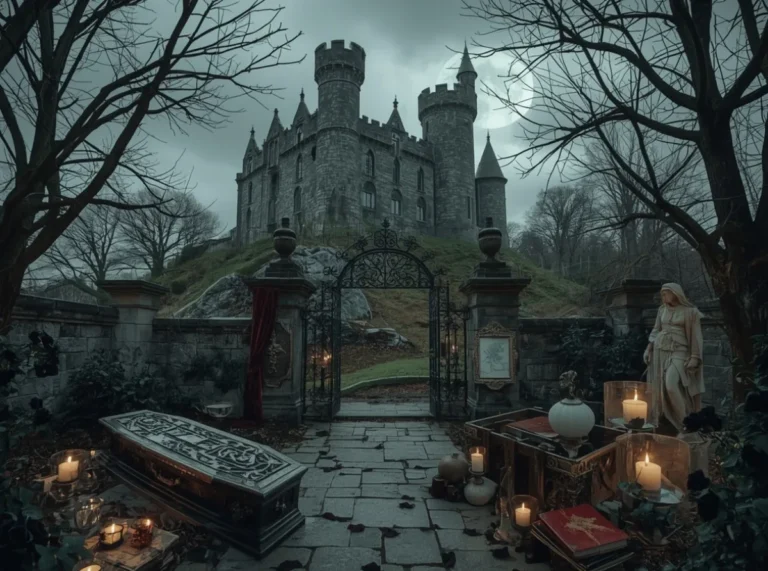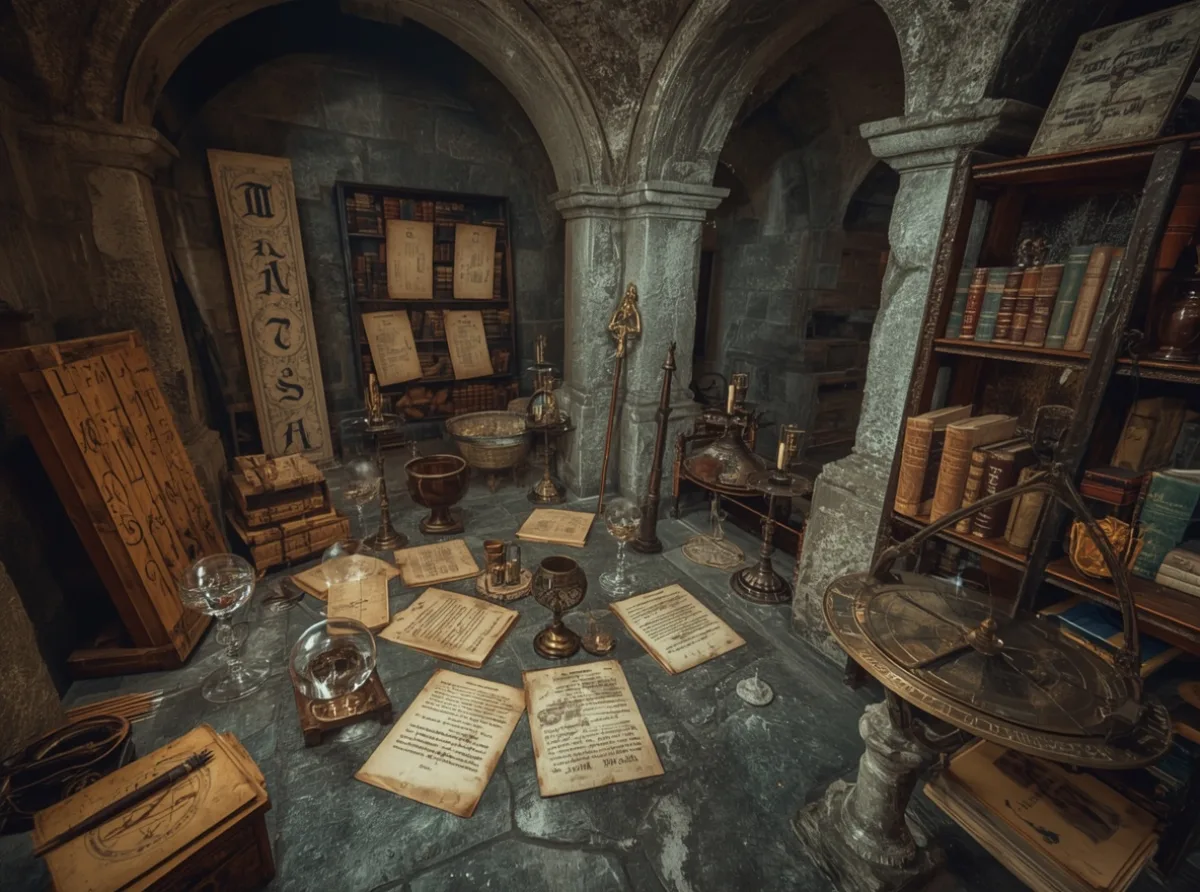
Some wizard names feel like they belong to a living person. Others sound like they were pulled from a half-buried temple, a sealed archive, or a ruined tower that has stood for a thousand years. That older feeling changes everything. It gives a character weight before they ever cast a spell.
Ancient fantasy wizard names usually carry signs of age, lineage, and ritual. They may sound formal, layered, or slightly unfamiliar, but they should still feel usable in a game, story, or roleplay setting. The best ones suggest history without becoming hard to read or impossible to remember.
That balance matters. A name can sound powerful, but if it feels too modern or too polished, it loses the old-world mood. A name can sound ancient, but if it becomes too strange, it stops feeling believable. The sweet spot sits somewhere between myth and clarity.
What gives a wizard name that ancient fantasy feel
Ancient-feeling wizard names often use sounds that seem carved rather than invented. They can lean on old language patterns, mythic syllables, or formal endings that suggest rank, age, or knowledge. Even when the name is fictional, it should seem as if it has roots in a larger culture.
Several details help create that effect:
- Longer vowel-heavy syllables that feel ceremonial
- Consonant clusters that sound old or archaic
- Titles or honorifics that imply status or tradition
- Names that hint at lost kingdoms, empires, or magical schools
- Spell-like rhythm when spoken aloud
A name does not need to be complicated to feel ancient. Sometimes a simple name becomes memorable because of its structure. Two strong syllables, a formal ending, or a title attached to a short core name can do more than a name packed with extra letters.
The most effective ancient fantasy names often sound like they belong in a family archive, a prophecy, or a forbidden library. They feel inherited, not casually chosen.
Classic ancient wizard names
These names lean into the oldest kind of fantasy mood. They sound traditional, ceremonial, and rooted in an old magical order. They work well for high fantasy, old kingdoms, scholarly mages, and ancient guardians.
- Althazar
- Merovan
- Caelior
- Thamior
- Eldran
- Veyrath
- Oramund
- Belthar
- Eryndor
- Solmir
- Arkelen
- Myrathon
- Caldris
- Zepharion
- Vaelor
- Ithran
- Torvian
- Halemor
- Ulricen
- Fenrith
- Jorveth
- Aurelian
These names work because they sound like they could be tied to old institutions. A name like Aurelian suggests tradition and rank. A name like Thamior feels gentler, but still old enough to belong in a magical order. Veyrath and Belthar carry a stronger edge, which makes them useful for more severe or secretive wizards.
If you want a classic feel without copying familiar fantasy tropes too closely, use one of these names with a clear role. For example, a court scholar, temple mage, star-reader, or keeper of sealed lore can make the name feel anchored in a believable world. The name alone gives the hint. The role makes it complete.
Names with a sacred or priestly tone
Some ancient wizards feel less like battle mages and more like keepers of cosmic law, ritual, or divine memory. Their names tend to sound softer, more formal, or more reverent. They can still feel powerful, but the power comes from knowledge and authority rather than aggression.
- Elyrion
- Santheris
- Valedrin
- Otharel
- Miraveth
- Coriel
- Seradion
- Elamor
- Naerith
- Ilyxen
- Aethorin
- Saelmar
- Therion
- Lyrados
- Varethiel
- Solareth
- Amonis
- Hesyron
- Talarion
- Iseron
- Mereth
- Palion
These names often feel at home in temples, old sanctuaries, and star observatories. They suggest someone who studies the hidden shape of the world. A name like Varethiel sounds formal and elevated. Coriel is shorter, but it still carries a clean, sacred tone.
When using this style, keep the surrounding details consistent. A sacred wizard named Santheris will feel more believable if they serve an old archive, a celestial order, or a forgotten god of memory. The name points toward ritual. The setting confirms it.
Names that feel ancient, arcane, and slightly severe
Not every wizard should sound gentle or wise. Some ancient names feel old because they are a little harsh, heavy, or formal. These names can work well for exiled sorcerers, forbidden scholars, and mages tied to ruined empires.
- Varkon
- Drevan
- Morveth
- Thulran
- Karzeth
- Ulmoran
- Gravien
- Dhoric
- Belzair
- Nerthak
- Okraven
- Varzul
- Hadrion
- Korvath
- Zeromir
- Maldren
- Ravokel
- Durzen
- Tharok
- Myrzeth
- Velkar
- Orzian
These names sound like they could be spoken in a broken tower or inscribed on a blackened gate. They are useful when you want a mage who feels ancient but not comforting. Karzeth and Korvath have a hard, deliberate edge. Maldren feels older and more human, which can make it more flexible.
Harder-sounding wizard names often work best when the character’s power is linked to exile, hidden knowledge, or old ruin. The name should reflect the world around it.
Elegant names for ancient high wizards
Elegant names often belong to scholars, archmages, royal advisors, or legendary keepers of arcane tradition. They sound refined, but not modern. They carry grace and age at the same time.
- Aelthir
- Corvayne
- Ilyndor
- Maerion
- Vhalorien
- Seldrin
- Averis
- Theryndel
- Olythar
- Caerilon
- Eldovia
- Amrion
- Vaelith
- Seravon
- Lorienn
- Mavareth
- Telerius
- Yndrael
- Calerith
- Evralon
- Odrion
- Azelmor
This style tends to favor flowing vowels and balanced syllables. It sounds intentional and layered. A name like Maerion feels timeless, while Vhalorien sounds grand and older than the kingdom itself. Both can fit ancient fantasy, but they create different kinds of presence.
If you want elegance without making the name too delicate, pair it with a strong title or role. Archmage Caerilon sounds complete. Master Averis sounds measured and disciplined. The name gets its weight from both sound and context.
Short names that still feel old
Short names can work surprisingly well in ancient fantasy. They are easier to remember, and they often feel older because they are less decorated. Many legendary figures in fantasy have short names that sound like they have survived through use and repetition.
- Aron
- Marek
- Eld
- Thane
- Oren
- Vair
- Corin
- Alar
- Riven
- Toren
- Ivor
- Selm
- Doran
- Kael
- Morin
- Eran
- Valen
- Sorin
- Jarek
- Ulven
- Neral
- Borin
Short names are especially strong when you want the wizard to feel ancient through reputation rather than syllable count. Thane sounds old and steady. Riven feels more mysterious. Eld is minimal, but in a world full of runes and relics, that can make it powerful.
A short name also leaves room for a title, family line, or magical order. That can help create more depth without making the main name clumsy. A wizard called Corin of the Seventh Circle feels older than a simple two-word name alone.
Names inspired by lost empires and ancient languages
One of the strongest ways to create an ancient fantasy feel is to make the name sound like it came from a vanished civilization. These names often use unusual letter combinations, older-seeming roots, or patterns that feel closer to myth than to everyday speech.
- Azeroth
- Ilmara
- Dorathen
- Vezoria
- Calithor
- Rhuven
- Saorun
- Melethar
- Orsalen
- Kyvaris
- Elarzen
- Tharuviel
- Belorim
- Cyrath
- Nymorath
- Averthon
- Heralis
- Torazim
- Varelon
- Iskareth
- Elvarin
- Morathiel
These names sound like they belong on broken monuments, sealed maps, or spell circles covered in dust. They are especially useful if your setting includes old empires with their own magical traditions. Calithor feels royal and formal. Iskareth feels older and more dangerous.
To make these names believable, think about where they come from. If the empire was known for moon magic, stone rites, or star divination, let that influence the name. Even subtle details can make the result feel richer.
How tone changes the impression of an ancient wizard name
The same basic structure can create very different characters depending on tone. A soft ancient name usually suggests patience, wisdom, or hidden depth. A harder one suggests power, discipline, or unresolved history. An elegant one may imply courtly authority, while a severe name suggests secrecy or loss.
| Type | Example names | Impression |
|---|---|---|
| Soft ancient | Thamior, Coriel, Maerion | Calm, scholarly, reflective |
| Severe ancient | Karzeth, Morveth, Varkon | Strict, hidden, ominous |
| Elegant ancient | Vhalorien, Aelthir, Caerilon | Formal, noble, refined |
| Priestly ancient | Santheris, Elyrion, Seradion | Ritual, sacred, disciplined |
The important part is consistency. A gentle name on a harsh, warlike mage can feel off unless that contrast is intentional. A severe name on a quiet archivist can work well if the character’s history is difficult. Tone gives the name a direction.
An ancient fantasy wizard name should match the kind of knowledge the character protects. Healing lore, forbidden magic, royal archives, and ruin-bound sorcery each suggest different sounds.
Titles and naming patterns that deepen the old-world feel
In many fantasy settings, the name alone is only part of the identity. Ancient wizards often carry titles, house names, order names, or place names that make them feel older and more complete. These additions are simple, but they add a lot of atmosphere.
- Archmage Aelthir of the Glass Tower
- Maerion of the Amber Circle
- Thamior the Star-Keeper
- Varkon of the Broken Seal
- Coriel, Last Reader of Lumin
- Santheris of the Hidden Choir
- Otharel, Keeper of Ashen Vaults
- Caldris of the Fifth Archive
- Morveth the Silent Bound
- Azelmor, Seer of the Old Tide
These structures work because they feel like they belong to a world with history. The extra words do not just decorate the name. They explain why the wizard matters. They also help separate one ancient-sounding character from another when the base names are similar.
If you want a more grounded result, keep the title short and specific. If you want a more legendary result, let the title feel ceremonial. Both approaches can work. The right choice depends on whether the character is known for scholarship, mystery, conquest, or guardianship.
Using ancient fantasy names in games and roleplay
In RPGs and roleplay settings, an ancient-feeling wizard name does a lot of work right away. It can help other players understand the character’s age, role, and background before any dialogue starts. That is especially useful in large worlds where first impressions matter.
For player characters, names that are too extreme can be hard to live with over time. A name like Thamior stays flexible. It can fit a cautious spellcaster, a retired court mage, or a scholar of relics. Something more dramatic like Morveth gives a stronger signal, which is useful if the character is meant to feel imposing or secretive.
For NPCs or lore figures, you can go farther. Ancient fantasy often benefits from names that feel ceremonial on the page, even if they are a little heavier to say. That kind of name helps establish the scale of the world. A forgotten founder, a sealed prophet, or a founder of magical law can carry a more elaborate name without feeling forced.
Common patterns that make these names work
Most ancient wizard names follow a few recognizable patterns. You do not have to copy them directly, but understanding them can help you judge whether a name feels right.
- Ending in -or, -ion, -eth, -ar, or -iel
- Mixing soft vowels with firm consonants
- Using prefixes that suggest old roots, like Al-, El-, Va-, Th-, or Ca-
- Adding titles tied to knowledge, order, or relics
- Keeping the rhythm smooth enough to speak naturally
These patterns help names feel ancient because they echo familiar fantasy structures without sounding flat. A name like Eldran feels simple and old. Elvarion feels more formal and layered. The difference is small, but it changes the entire mood.
If a name seems close but not quite right, say it out loud. Ancient fantasy names should sound believable when spoken. If it feels awkward in conversation, it may look impressive on paper but fail in use. The best names can move between text, gameplay, and roleplay without friction.
A few flexible name combinations
Sometimes the easiest way to build the right name is to mix a strong first name with an old-fashioned title or lineage marker. This can make even a simple name feel like it belongs to a much larger magical history.
- Aron High of the Ember Archive
- Veyrath of House Solen
- Corin the Keeper of Runes
- Maerion of the Moon Vault
- Thane of the First Circle
- Santheris of the Violet Seal
- Belthar, Reader of Bones
- Elyrion of the Dawn Stacks
- Aurelian of the Old Spire
- Marek the Last Astronomer
This kind of structure is practical because it gives you room to adjust tone. A name can be made more noble, more ominous, or more scholarly with just a small change in the attached phrase. That flexibility is useful in fantasy worlds where the same character may be introduced in different ways depending on who is speaking about them.
Ancient fantasy names work best when they feel like they belong to a system, not just a single person. A name with lineage, office, or order behind it starts to feel like part of history instead of a one-off invention. That is often what makes a wizard name memorable long after the first reading.
When the sound, the title, and the setting all point in the same direction, the result feels settled. It feels old in a convincing way. And that is usually the difference between a fantasy name that simply sounds magical and one that feels like it has survived centuries of use.