A villain name does more than identify a character. It sets the mood before a single line of dialogue lands. In fantasy settings, the right name can suggest ancient power, hidden cruelty, forbidden magic, or a ruler who never needed to raise their voice to be feared.
Some names feel sharp and immediate. Others move slowly, like smoke in a sealed room. The best ones are easy to remember, but they still carry tension. That balance matters whether the name belongs to a dark lord, a corrupted mage, a fallen knight, or a quiet mastermind who keeps the realm uneasy.
Sinister presence is not only about sounding harsh. A good villain name often feels controlled. It can be elegant, old, severe, or unnervingly calm. That variety is what makes fantasy naming interesting. A name that suggests danger without trying too hard usually lasts longer in memory.
What Makes a Fantasy Villain Name Feel Sinister
Villain names work best when they match the character’s role in the world. A warlord, necromancer, tyrant, and cursed queen should not all sound the same. The name should hint at their methods, their history, or the kind of fear they inspire.
Several elements often create that effect:
- Hard consonants: K, V, X, Z, and T can make a name feel severe or cutting.
- Heavy syllables: Names with strong beats often sound older and more authoritative.
- Ancient or noble roots: Titles, old language influences, and forgotten sounds add weight.
- Unsettling softness: Some of the most dangerous names sound graceful, which makes them feel colder.
- Controlled rhythm: Names that are balanced and deliberate often feel more intelligent and threatening.
Names also change depending on whether the villain is magical, political, monstrous, or divine. A dark sorcerer can sound different from a cursed emperor. That difference helps the world feel broader.
Sinister names usually feel believable when they imply history. A name with texture often feels stronger than one built only from harsh sounds.
Common Moods Behind Villain Names
Before choosing names, it helps to think about the feeling you want to create. Not every villain should sound like a battlefield threat. Some should feel like a whisper in a castle corridor. Others should sound like the end of a dynasty.
These moods appear often in fantasy naming:
- Ancient: Names that suggest forgotten empires, buried magic, or old bloodlines.
- Regal: Names that sound like rulers, judges, or twisted nobility.
- Occult: Names with a ritual, cursed, or arcane edge.
- Predatory: Names that feel sharp, quick, and dangerous.
- Cold: Names that create distance rather than rage.
- Apocalyptic: Names tied to ruin, collapse, or world-ending power.
Different moods create different kinds of fear. A cold villain may be more unsettling than a loud one. A regal villain may feel more dangerous because they can command an army and a court. The name should support that impression instead of working against it.
Sinister Villain Names with a Royal or Ancient Feel
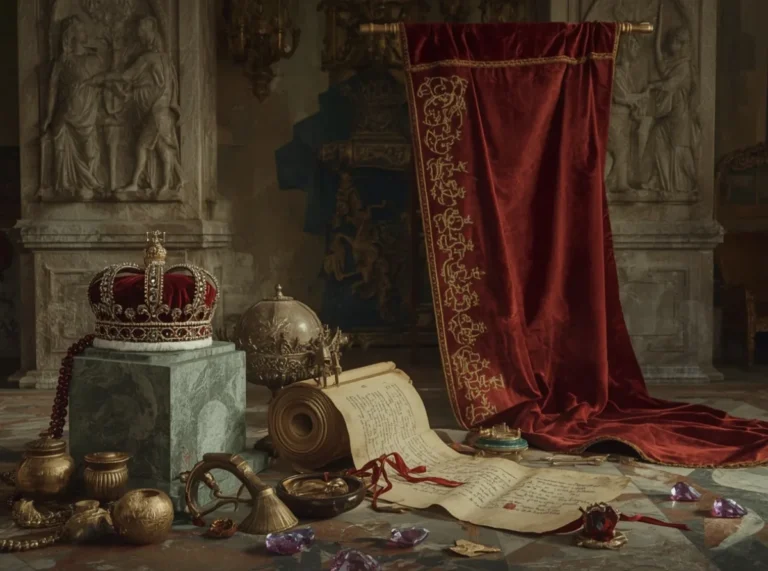
These names suit emperors, cursed heirs, high sorcerers, and rulers whose power has outlived mercy. They carry a sense of old authority. Many of them would work well in high fantasy, dark kingdoms, or stories about fallen dynasties.
- Maldrin Vael
- Serakov the Black
- Vorenth Kael
- Queen Saryth of Ash
- Lord Damaris Vey
- Thalorin Gravespire
- Emperor Vasken
- Caldrus Nemev
- Velorian Sable
- Arcthen Morvain
- High Regent Sorn
- Ezryth Valcor
- King Odrin the Hollow
- Marvek Thorne
- Lady Ceryn of Nightglass
- Vahlor the Iron Crown
- Seraphine Duskmantle
- Korveth Alar
- Rhazen Vorn
- Empress Lyris Vale
- Talvek Korr
- Morcain Veld
- Lord Aster Vhal
- Nyxara Wren
These names work because they sound inherited. They suggest long memory, palace politics, and power that has had time to harden. A villain with this kind of name often feels more threatening when the title is included, because the title reinforces their status.
Why this style works in fantasy worlds
Royal and ancient names feel dangerous when they combine beauty with control. They do not need to sound monstrous. In fact, a polished name can be more unsettling because it implies discipline and authority. That makes the villain feel capable rather than chaotic.
When a villain’s name sounds old enough to belong to history books, it often becomes easier to imagine them shaping the world from behind a throne.
Dark Sorcerer and Occult-Inspired Villain Names
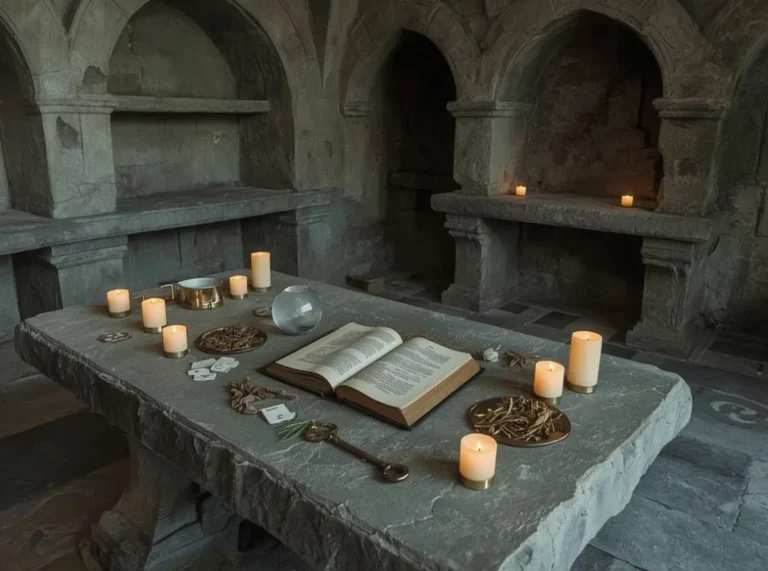
Some villains belong in towers, ruined temples, or hidden libraries. Their names should feel connected to forbidden knowledge, ritual, and secret power. These names often work well for magic users, cursed scholars, and shadow priests.
- Veydris
- Othmar Wraith
- Selkor Dain
- Nyvaris Thorn
- Morveth Quill
- Alzorek
- Calyth Voss
- Riven Malc
- Thazriel
- Zerath Noct
- Varion Hex
- Elzun Mire
- Corvax Vale
- Iskren Vile
- Vharen Syth
- Lazreth Crow
- Dorvain Ash
- Olythra Vane
- Merzok the Veiled
- Silvarn Cold
- Tekrath
- Myrza Fell
- Varnok Sigil
- Rhevan Void
- Ulzeth Kair
Occult names often feel strongest when they leave room for mystery. You do not need to explain every sound. A name like Veydris or Thazriel already suggests old magic without overloading the listener. That restraint helps the character feel more layered.
These names are especially useful when the villain’s power is hidden. A sorcerer who appears calm, educated, and exact can become far more frightening than a chaotic monster. The name should support that controlled feeling.
Patterns that make occult names believable
- Soft openings paired with sharp endings
- Unusual letter combinations that still remain pronounceable
- Subtle references to shadow, void, ash, or veils
- Short surnames that sound like ritual marks or seals
That combination gives the name a magical edge without making it unreadable. Fantasy names should feel like they belong in speech, not just on paper.
Brutal Villain Names for Warlords and Destroyers
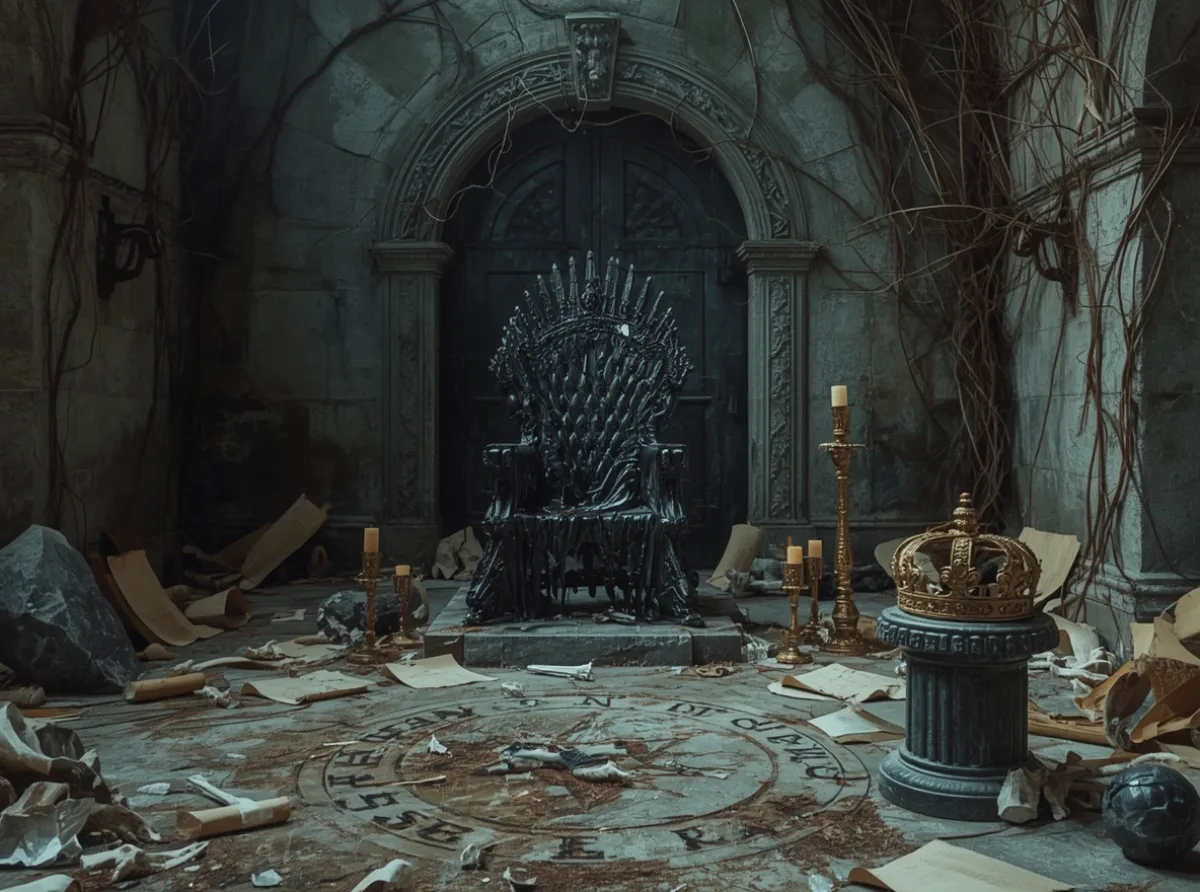
Not every sinister presence is quiet. Some villains are built around force, conquest, and intimidation. Their names should sound heavier, rougher, and more direct. These names are useful for orc warlords, corrupted champions, battlefield tyrants, and monster leaders.
- Gorvak
- Brakkor
- Thornak the Ruin
- Vargun
- Kraven Kull
- Drokh Varr
- Morzag
- Rukhar Steel
- Kharvok
- Zarn the Fell
- Dravok Grim
- Urzan Mord
- Kragoth
- Vulrek
- Tarnok Bloodtide
- Hragan
- Korzun the Broken
- Vrakel
- Ograth Vale
- Skarn Voss
- Drakmor
- Ruzgar
- Thokren
- Malgor Ironjaw
- Vornak Redblade
These names are blunt by design. They feel hard to stop, which is exactly the point. A warlord name often needs to hit fast and stay memorable. Shorter structures tend to work best here because they sound like names people would speak with caution.
Brutal names rarely need extra decoration. Their strength comes from directness, not complexity.
Elegant Villain Names That Still Feel Dangerous
Some of the best villains sound refined. They may dress well, speak carefully, and use manners as a weapon. In those cases, elegance becomes part of the threat. The name should feel polished, but never harmless.
- Lucien Vare
- Adrian Vale
- Celest Morwen
- Isolde Veyn
- Valen Dross
- Seris Almont
- Damien Crowe
- Elara Voss
- Octavian Rell
- Maris Vant
- Silas Vire
- Corinne Noire
- Theron Elyx
- Aurelia Blackthorn
- Julian Merrow
- Vesper Vale
- Cassian Wren
- Marcell Vorn
- Liora Sable
- Ronan Elt
- Verity Dune
- Alistair Thane
- Esme Vael
- Rhett Solen
- Selene Morcant
Elegant villain names often create tension through contrast. The formality makes them feel composed, and that calmness can be unnerving. These names work well for masterminds, nobles, spies, and manipulative antagonists who never waste words.
The danger here is not violence alone. It is intelligence, patience, and the sense that the character already knows the outcome of the conversation. A name like Lucien Vare or Vesper Vale can carry that feeling naturally.
Shadowy and Mysterious Names for Hidden Villains
Not every villain stands in the open. Some remain unnamed in rumors, known only by half-truths and old warnings. These names should feel uncertain, quiet, and hard to pin down. They work well for assassins, cursed wanderers, secret leaders, and masked figures.
- Noct Varen
- Silmira Shade
- Orven Kest
- Nyra Hex
- Cael Mor
- Vellis Crow
- Thera Vane
- Jorik Sable
- Elsin Vale
- Rhyss Noct
- Maelis Thorn
- Corvyn Shade
- Iskra Moor
- Delen Voss
- Arden Mire
- Veyra Fall
- Solven Dusk
- Neris Black
- Orla Quill
- Kaer Vile
- Rovan Cinder
- Selk Varr
- Marrow Vey
- Tyren Ash
- Velka Mor
Hidden villains need names that do not reveal too much. A mysterious name should feel like it belongs to a story people only partially understand. That feeling is stronger when the name is concise and layered with soft menace.
These names can also be useful for characters who use aliases. A good alias often sounds simple at first, then becomes more unsettling after repeated use. That shift helps the character feel memorable in a campaign or novel.
How to Choose the Right Tone for a Villain Name
Choosing a villain name is easier when the tone matches the character’s role. A name can suggest power, but the kind of power matters. A sorcerer, knight, necromancer, and queen all need different signals.
| Tone | Best for | Typical name feel |
|---|---|---|
| Ancient | Old gods, emperors, cursed bloodlines | Heavy, formal, historical |
| Occult | Spellcasters, cult leaders, seers | Arcane, secretive, layered |
| Brutal | Warlords, berserkers, beast rulers | Short, hard, aggressive |
| Elegant | Nobles, masterminds, tricksters | Polished, calm, controlled |
| Mysterious | Assassins, masked figures, hidden rulers | Quiet, restrained, elusive |
If the villain is public and feared, a heavier name usually helps. If they operate from the shadows, a more restrained name can be more effective. If the setting is broad and epic, a title or epithet can deepen the impression without making the name too long.
The strongest villain names usually match how the character enters a scene. Loud names suit loud threats. Quiet names suit quiet danger.
Common Naming Patterns That Create Sinister Presence
Fantasy villain names often share a few patterns, even when they sound very different on the surface. These patterns help them feel like they belong to the same world as dragons, ruined castles, and old magic.
1. Title plus name
This format adds authority quickly. It works well for rulers and legendary enemies.
- Lord Vhalen
- Queen Meris of Ash
- High Warden Solvek
- Emperor Dravon
- Lady Nyxara
2. First name plus dark descriptor
This style is useful when you want a character to feel memorable but not overdesigned.
- Kael the Hollow
- Seris the Pale
- Morven of Cinders
- Thalor the Veiled
- Vera Blackveil
3. Single-name menace
Shorter names can feel stronger when they are clean and forceful.
- Zarv
- Morath
- Veyr
- Thorn
- Rusk
4. Soft name with sharp meaning
This contrast can make a villain feel colder because the name hides the threat.
- Elara Vile
- Silven Dread
- Amara Noct
- Lysa Grim
- Oren Vale
These patterns are useful because they stay flexible. They can fit many fantasy settings without sounding too modern or too random. A name that respects the world’s tone usually feels more immersive than one built only for shock.
Building Variations from One Strong Villain Name
Sometimes the best approach is not choosing a single perfect name, but creating a set of related versions. That helps with faction leaders, family lines, alternate identities, or boss characters with different forms.
Take a name like Veydris. From there, you could build related versions such as:
- Lord Veydris
- Veydris of the Ashen Court
- Archon Veydris
- Veydris Black Sigil
- Veydris the Unseen
Or start from a harsher base like Gorvak:
- Gorvak the Breaker
- Warlord Gorvak
- Gorvak Ironscar
- Gorvak of the Red Marsh
- Gorvak Vorn
This approach is especially useful in games where names need to fit titles, guild names, and encounter labels. A flexible core name lets you shape the same character for different contexts without losing the original feel.
Final Name Sets for Different Villain Roles
Here are a few more grouped names that can help when the character type is already clear.
For a cursed king or queen
- King Alaric Voss
- Queen Moryn Vale
- Emperor Thessan
- Lady Caldra of Bones
- Lord Edrin Blackcrown
- Empress Vaelis
- King Rhodan Mire
- Queen Isara Dusk
- Lord Malvek Thorne
- Lady Serel of Nightfall
For a dark mage or sorcerer
- Vaelor Hex
- Myrthas
- Orevan Shade
- Seldrik Noct
- Arveth Quill
- Zenor Vile
- Calrith Wane
- Norvael Ash
- Thyren Void
- Ulmira Fell
For a demon lord or abyssal force
- Zarokh
- Belthar Void
- Morzun the Deep
- Kaelzeth
- Vorgrim
- Thanzor
- Urzath Blackflame
- Ravokhul
- Skathor
- Velzar the End
Each set carries a different kind of pressure. The cursed ruler feels ancient and political. The dark mage feels secretive and calculating. The abyssal force feels less human, which can be useful if the villain is closer to a myth than a person.
Why Sinister Names Stay Memorable
Names with a sinister presence often stay in memory because they do not just label a character. They imply a role in the world. They hint at danger, history, or the kind of silence that comes before a bad decision.
The strongest ones are usually easy to say, but not easy to dismiss. They carry shape. They feel like they were earned somewhere difficult. That is why a simple name like Vahlor can feel more effective than a heavily decorated one if the character behind it is strong enough.
In fantasy, that small balance matters. The name should invite the imagination without explaining everything. When it does that well, the villain feels present before they ever step into the scene.