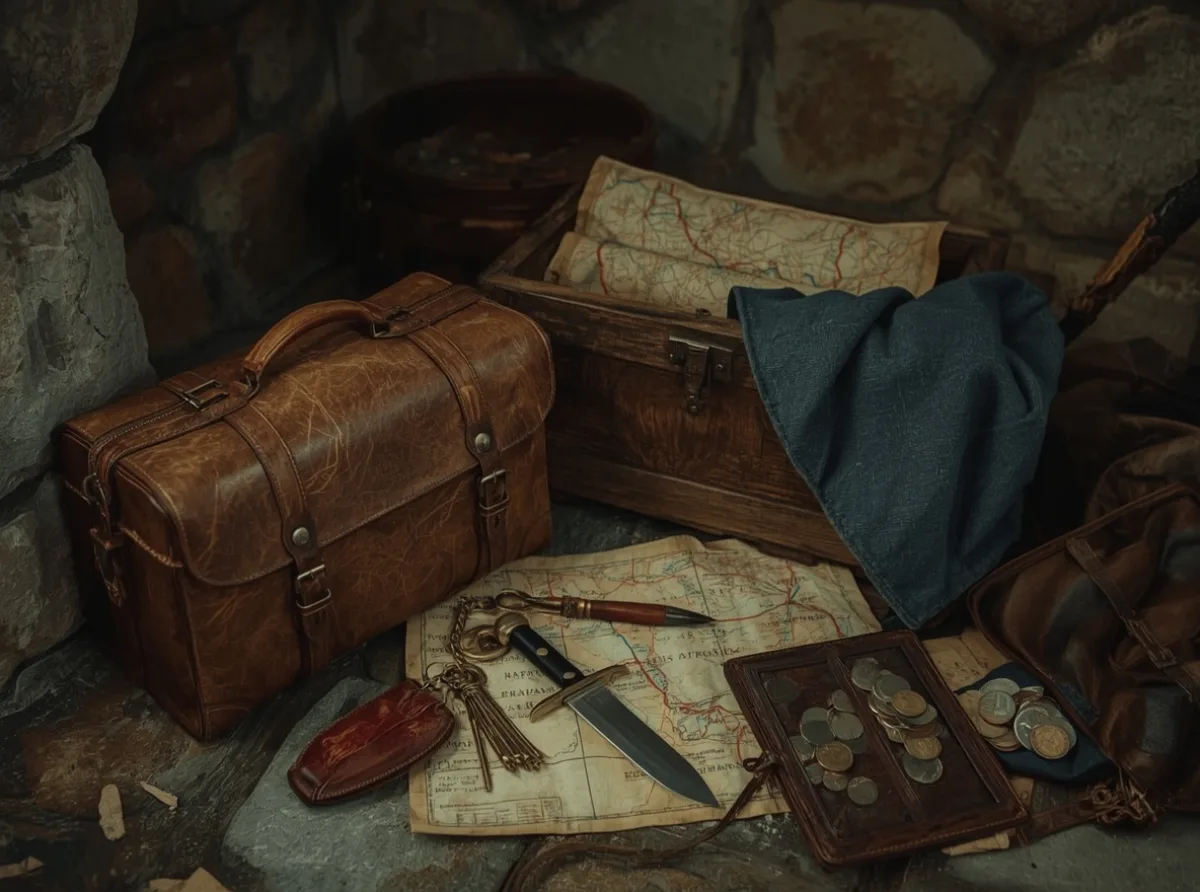
A good rogue name does more than sound quick or sharp. It suggests patience, timing, and a character who knows when to vanish. In fantasy settings, that matters. A rogue is often the one who slips through locked doors, listens at the wrong wall, and leaves before anyone notices the missing key.
The best names in this style usually carry a little tension. They may feel polished, sly, elegant, or dangerous. Some sound like thieves from crowded port cities. Others fit assassins, scouts, smugglers, and tricksters who move through castles, alleys, and ruins with equal ease.
If you are naming a character for a game, a story, or a roleplay server, the right name can do a lot of work. It can hint at background, personality, and even the kind of trouble the character prefers. A rogue with a soft, graceful name feels different from one with a clipped, hard-edged name. That difference is useful.
What Makes a Rogue Name Feel Cunning
Rogue names often work because they balance style and restraint. They should not feel too noble, too plain, or too heroic. A little ambiguity helps. You want a name that sounds like it belongs to someone who has learned to survive by wit rather than force.
Several qualities tend to show up again and again in memorable rogue names:
- Short, clean sounds that are easy to say quickly
- Unexpected letter combinations that feel sharp or slippery
- Soft endings that seem polite but conceal danger
- Names that hint at shadows, coin, masks, blades, or movement
- Names with a quiet, controlled rhythm instead of a heavy one
That does not mean every rogue name has to sound dark. Some of the best ones feel charming or refined. A rogue can be a pickpocket, a spy, a jewel thief, or a noble-born fence. The tone changes the name, and the name changes how the character is read.
A convincing rogue name usually sounds like it could belong to someone who knows secrets, but never gives them away for free.
Classic Rogue Names With Quick, Sleek Energy
These names fit traditional fantasy rogues, thieves, scouts, and freelance burglars. They are simple enough to remember, but each one carries a little edge. Some feel more urban, while others lean toward wilderness trackers or borderland wanderers.
- Varric
- Nyxen
- Kael
- Riven
- Silas
- Thorne
- Jex
- Corvin
- Marrow
- Alric
- Vale
- Renzo
- Darian
- Kestrel
- Orin
- Veyn
- Luken
- Merek
- Cyren
- Dax
These names work because they are concise. That makes them easy to imagine in motion. A rogue often appears, acts, and disappears fast. A name with too many syllables can feel slower than the character itself.
Varric and Corvin feel especially useful if you want someone who operates with a calm mind and a sharp tongue. Nyxen and Veyn lean more mysterious. Kestrel and Vale suggest someone who moves through open terrain as naturally as a city rooftop. Silas and Orin feel slightly more grounded, which can be helpful for grounded fantasy worlds.
Names That Sound Like Shadow, Smoke, and Alleyways
Some rogue names work best when they carry a darker mood. These often fit assassins, infiltrators, informants, and characters who prefer secrets over open conflict. The sound matters here. Hard consonants can make a name feel precise, while smoother syllables can make it feel elusive.
- Shade
- Morlen
- Vesper
- Talon
- Draven
- Rook
- Silven
- Noctis
- Myrr
- Sable
- Corax
- Nereth
- Lucan
- Vargo
- Kelth
- Ebon
- Serrin
- Mordell
- Dusk
- Raine
Names in this group often feel like they belong in narrow streets, hidden guilds, or quiet corridors behind locked doors. They are useful for rogues with a colder reputation. Not necessarily evil, but hard to read. That uncertainty can be more interesting than a name that tries too hard to sound menacing.
Rook is a strong example. It is short, memorable, and carries the sense of a clever bird or a chess piece moving one step ahead. Vesper has a smoother, more elegant quality. Sable and Ebon sound polished, almost refined, while still keeping a shadowed mood. Those small differences matter when building a character identity.
Elegant Rogue Names for Noble Thieves and Court Spies
Not every rogue comes from the back alleys. Some grow up in courts, on trade roads, or in merchant houses where manners matter as much as stealth. These names feel cleaner, more graceful, and slightly more polished. They suit spies, saboteurs, duelists, and aristocratic thieves.
- Elian
- Seris
- Caelan
- Amaris
- Lucien
- Vianne
- Selwyn
- Arden
- Maelis
- Tavian
- Corielle
- Eldric
- Rhosin
- Isolde
- Caldrin
- Avel
- Mirelle
- Soren
- Valen
- Eira
These names create a different kind of rogue image. The character may still steal, deceive, and disappear, but the style is more controlled. Think of hidden letters, poisoned goblets, private galleries, and whispered deals in candlelit rooms. The name should sound like it belongs there.
Lucien and Selwyn feel especially suited for a rogue who can move in noble circles without raising suspicion. Isolde and Eira have a clean, elegant quality that works well for spies or assassins with a colder, more disciplined approach. Caelan and Valen balance refinement with a hint of edge, which makes them flexible choices for many settings.
Trickster Names With Playful Cunning
Some rogue characters are less grim and more unpredictable. They rely on wit, misdirection, and charm. These names can sound lighter, but they still need a spark of cleverness. The goal is to suggest someone who wins with timing rather than brute force.
- Pip
- Fenn
- Lio
- Tavi
- Brisk
- Milo
- Wren
- Jory
- Nell
- Slick
- Finnian
- Perrin
- Moss
- Lark
- Quill
- Nico
- Tessan
- Bram
- Cove
- Rue
These names feel nimble. They suggest movement, misdirection, and a little bit of mischief without becoming childish. Wren and Rue are especially useful if you want a name that sounds light but still keeps a fantasy feel. Quill works well for a rogue who values information, writing, or coded notes. Pip and Fenn feel quick, almost like they were chosen for speed.
A trickster rogue name does not need to sound dangerous. It only needs to sound like the character is already three steps ahead.
Names for Assassins, Spies, and Silent Specialists
Some rogue characters are built around precision. They do one thing very well, and they do it quietly. Names in this group tend to sound controlled, slightly severe, and often a little more formal than typical thief names. They fit professionals, guild agents, and secret operatives.
- Arcten
- Veylor
- Cassian
- Dren
- Myron
- Selth
- Nareth
- Korin
- Zale
- Tarren
- Vokel
- Edrin
- Sorenn
- Halvek
- Ilyas
- Cairn
- Merov
- Vallis
- Toren
- Aeris
These names sound disciplined. They fit characters who prepare well, observe closely, and never waste effort. Cassian and Ilyas feel polished and believable for court or academy settings. Cairn and Toren lean sturdier, which can work for a rogue who is more tactical than graceful. Zale is compact and sharp, making it a strong choice for a fast-moving specialist.
When a rogue name sounds this controlled, it often suggests a character with rules. That can be internal rules, guild rules, or a personal code. Even if the character is morally gray, the name can hint at professionalism rather than chaos.
Gender-Neutral Rogue Names With Flexible Use
Some players want names that work across many different character concepts. Gender-neutral names can be especially useful in fantasy worlds where identity, secrecy, and disguise matter. They also tend to feel agile and adaptable, which fits rogue archetypes well.
- Ash
- Rue
- Vale
- Wynn
- Thane
- Ren
- Lior
- Maven
- Skye
- Noel
- Cyr
- Fable
- Joss
- Nim
- Oris
- Vail
- Elowen
- Tarin
- Merit
- Sage
These names can be practical and elegant at the same time. Ash feels dry, quick, and easy to imagine in a smoky tavern or ruined keep. Maven suggests someone who knows how things work. Nim is light and immediate. Fable has a more story-like quality, which can be a good fit for a rogue with a legendary reputation.
Vail and Vale are close in sound but slightly different in feeling. Vail looks more secretive, while Vale feels more open and natural. Small shifts like that can help match a name to the exact version of the character you have in mind.
Longer Rogue Names With Old-World Fantasy Flavor
Longer names can work when you want a rogue to feel more ancient, formal, or tied to a larger cultural tradition. These often suit fantasy worlds with old dynasties, forgotten orders, hidden bloodlines, or regional naming customs. They also give you room for nicknames.
- Alderon
- Mirevan
- Cassimar
- Velorian
- Theravin
- Iscander
- Rovellan
- Selverin
- Orinthal
- Daevran
- Calisren
- Elyndor
- Morvain
- Trivellan
- Aurelian
- Vandrel
- Seravon
- Korveth
- Melthior
- Dariane
Longer names like these can sound impressive without being overcomplicated. They often carry a sense of history. That makes them especially useful for exiles, fallen heirs, thieves with noble roots, or rogues tied to ancient houses and lost cities.
A name like Aurelian feels more refined and classical. Morvain and Korveth feel darker. Selverin and Elyndor sound elegant, with enough mystery to suit a character who is not what they first appear to be. If a world has old families, secret guilds, or magical archives, names in this range fit naturally.
How to Match a Rogue Name to a Character Type
A rogue name becomes more believable when it fits the character’s role. The same name can feel very different depending on whether the rogue is a thief, scout, assassin, or con artist. That is why it helps to think about the character’s habits before settling on a name.
| Rogue Type | Name Feel | Examples |
|---|---|---|
| Pickpocket | Short, fast, informal | Pip, Ash, Jex, Rue |
| Spy | Controlled, polished, subtle | Lucien, Seris, Cassian, Veylor |
| Assassin | Sharp, severe, quiet | Rook, Dren, Nareth, Ebon |
| Scout | Light, mobile, natural | Kestrel, Wren, Vale, Lark |
| Con artist | Charming, flexible, clever | Fenn, Vianne, Nico, Maven |
These categories are not strict. A single name can work in more than one role. But this kind of matching helps narrow the field. If the character is always moving, a name with a quick rhythm often feels right. If the character works through influence and secrets, a smoother name usually fits better.
Variations and Naming Patterns That Help Build Your Own
If you like the sound of a name but want something more personal, small changes can help. Fantasy rogue names often borrow from familiar sounds while twisting them just enough to feel original. That approach works better than forcing strange letters into a name with no rhythm.
Useful patterns for rogue-style names
- Drop a vowel for a sharper edge, like Riven to Rvn-inspired forms
- Use soft beginnings and hard endings, such as Veyn or Silth
- Blend elegant sounds with dark syllables, like Serav or Luceth
- Shorten longer names into nicknames, like Cassian to Cass or Tavian to Tav
- Use bird, blade, or shadow imagery, such as Kestrel, Rook, or Sable
You can also build names from role and mood. A rogue who works in markets might need a friendlier name. A rogue in a ruined empire might need something older and more formal. A desert smuggler could sound harsher and cleaner than a palace spy. The setting should shape the choice.
The most believable rogue names usually feel easy to say, easy to remember, and just unusual enough to stand apart from ordinary fantasy names.
Rogue Names by Atmosphere
Another useful way to choose is by atmosphere. This keeps the name aligned with the feeling you want the character to create in a party, a story, or a game profile. Some rogues are cool and composed. Others feel restless or secretive. A few feel almost noble, even when they are clearly breaking the rules.
Cool and composed
- Vesper
- Lucien
- Vale
- Cassian
- Selwyn
- Arden
- Veylor
- Eira
- Korin
- Mirelle
Restless and unpredictable
- Pip
- Jex
- Nim
- Rue
- Fenn
- Dax
- Brisk
- Nico
- Lark
- Tavi
Secretive and dangerous
- Rook
- Shade
- Noctis
- Draven
- Sable
- Nareth
- Korveth
- Ebon
- Morvain
- Vargo
This kind of grouping can help when you are creating a team of characters too. A fast scout, a court spy, and a masked assassin should not all sound identical. Distinct naming tones help each role feel separate.
Choosing a Rogue Name That Fits Fantasy Worlds
Fantasy worlds vary a lot, and rogue names should reflect that. A high fantasy kingdom often favors names with elegance and old structure. A dark fantasy setting may prefer harder, more severe sounds. A cozy city-based campaign can support names that are quick, witty, and practical.
If the world is full of ancient empires, names like Aurelian, Selverin, and Orinthal can feel native to that history. If the setting focuses on guild politics, names like Seris, Lucien, and Veylor work well because they sound controlled and clever. For rougher borderlands or criminal underworlds, names like Rook, Jex, Dax, and Varric often fit better.
What matters most is consistency. A rogue name should sound like it belongs in the same world as the cities, clans, and factions around it. When that happens, the character feels less like a label and more like part of the setting.
Different rogues call for different sounds. A thief with a silver tongue does not need the same naming style as a knife-wielding infiltrator. A name with style can suggest all of that before the character even speaks.
That is the appeal of this naming style. It is compact, adaptable, and full of personality. A few well-chosen syllables can imply clever hands, hidden motives, and a life spent moving just ahead of trouble.