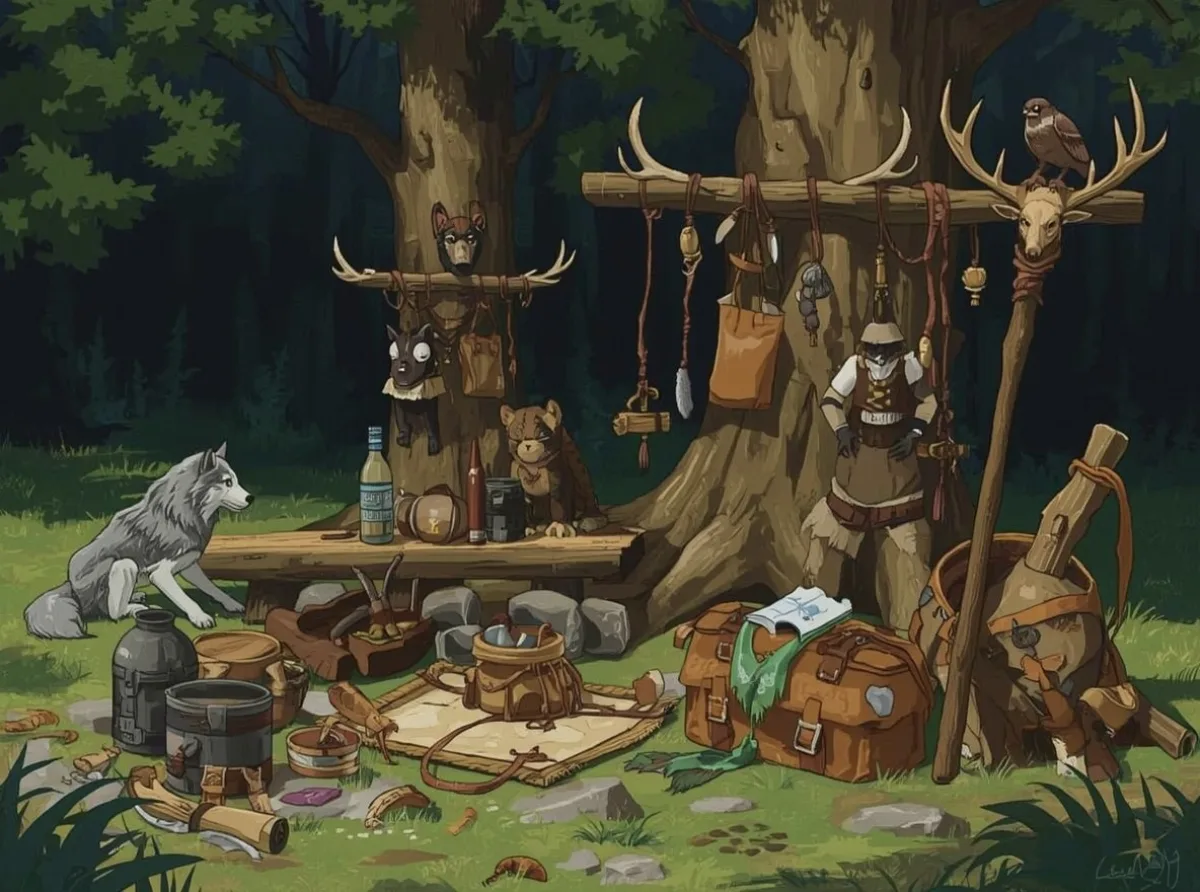
A beastmaster name should feel like it belongs to someone who can stand quietly beside a wolf, speak to a hawk without raising a voice, and walk through deep woods without looking lost. The best ones carry a sense of instinct. They sound grounded, natural, and a little untamed.
That connection to the wild can show up in different ways. Some names feel earthy and tribal. Others sound noble, ancient, or mystical. A few lean toward sharp and primal, which works well for hunters, tamers, and frontline adventurers who rely on beasts as allies rather than tools.
When a name fits this theme, it does more than identify the character. It hints at a relationship with the world around them. You can hear the bond in the name before you even see the character in action.
What makes a beastmaster name feel wild and believable
A strong beastmaster name usually suggests closeness to nature without sounding overly ornamental. If it is too polished, it may feel more like a noble title than a wilderness identity. If it is too harsh, it can lose the sense of trust and partnership that makes the theme work.
The most effective names often include sounds that feel natural in the mouth: open vowels, softened consonants, and a rhythm that feels steady rather than dramatic. Names tied to animals, forests, storms, rivers, or old traditions often work especially well. They create an immediate image.
Good beastmaster names often suggest three things at once: trust, survival, and instinct. The best ones do not just sound fierce. They sound lived-in.
That “lived-in” quality matters. A beastmaster is rarely just a fighter. They are a guide, tracker, caretaker, or guardian of creatures others do not understand. The name should support that role.
Nature-rooted beastmaster names
These names lean into the landscape itself. They work well for characters who grew up in forests, mountains, grasslands, or remote borderlands. They feel simple, direct, and easy to imagine in a fantasy setting.
- Alder Fen
- Briar Thorne
- Rowan Vale
- Hawke Rivers
- Ember Moss
- Silas Reed
- Wren Hollow
- Orin Ash
- Tarin Brook
- Lyra Finch
- Corvin Wild
- Nessa Vale
- Galen Drift
- Rook Alder
- Maelis Thorn
- Dorian Fern
- Isen Moor
- Sable Creek
- Vera Rowan
- Kellan Frostwood
These names work because they feel connected to a place, not just a role. A beastmaster with a surname like Moss, Vale, or Hollow sounds like someone shaped by wilderness instead of civilization. That makes the bond with animals feel more natural.
If you want a softer bond with small beasts, birds, or woodland companions, names with gentle imagery do that well. If you want a character who tracks predators or guards wild territory, names like Thorne, Ash, and Wild add more edge.
Why these names fit forest and frontier settings
Forest settings tend to reward names that sound organic. Frontier settings often need something practical and sturdy. These names bridge both. They can fit a ranger companion, a druid-adjacent animal handler, or a scout who relies on trained beasts in the field.
They also work in tabletop campaigns where the beastmaster is not always a formal class, but a personality type. You can imagine them traveling with a hawk on one arm, a hound at their heel, and a pack animal carrying supplies behind them.
Primal and hunt-focused beastmaster names
Some beastmaster characters feel less like caretakers and more like hunters with a deep respect for the wild. Their names often sound sharper, shorter, and more forceful. These are good for characters who lead from the front and treat survival as a discipline.
- Riven Tal
- Kael Fang
- Drake Voss
- Bran Cinder
- Torin Pike
- Varek Hunt
- Joren Slate
- Garric Wolf
- Fen Kade
- Ralda Strake
- Rhett Vale
- Thane Quill
- Ulric Moss
- Zorin Pike
- Coren Ashmark
- Dax Wilder
- Mira Thorn
- Hale Rook
- Vera Hunt
- Orik Blackfen
These names carry a stronger, more disciplined tone. They are useful for characters who train beasts for combat, scouting, or protection. They also work for game worlds where the beastmaster is tied to a clan, tribe, or hunter’s order.
A name like Kael Fang feels direct and dangerous. A name like Garric Wolf feels loyal but still formidable. The difference is subtle, but it matters when you are shaping a character’s first impression.
Short, punchy names often feel more primal. Longer names can still work, but they usually need one hard sound or a clear animal-linked image to stay memorable.
Best uses for hunt-style names
- Solo hunters with a bonded beast
- Trainers who use beasts as scouts or trackers
- Warriors from wilderness clans
- Companions in survival-focused RPG campaigns
- Characters who favor direct, grounded identities
These names also pair well with animals like wolves, panthers, dire boars, ravens, and giant hunting birds. The more predatory the companion, the more natural this naming style becomes.
Mystic and bonded beastmaster names
Not every beastmaster theme is about brute survival. Some are defined by trust, ritual, and an almost spiritual connection to the creatures they travel with. These names feel calmer, older, and more reflective.
- Alira Moonfen
- Selwyn Grove
- Maris Emberlyn
- Eamon Starleaf
- Nyra Willow
- Thalen Oathwood
- Seris Dawn
- Oren Lightbrook
- Elira Stonefern
- Caelum Birch
- Vira Holloway
- Lenora Thistle
- Arden Skye
- Maeran Root
- Ilya Fernwhisper
- Toriel Moonbranch
- Silen Rime
- Veyra Lark
- Coris Willowmere
- Alden Morrow
These names work especially well for beastmasters who are linked to old traditions, sacred groves, or guardian roles. They sound less like a title earned through force and more like a calling that grew over time.
If your character bonds with creatures through empathy, songs, signs, or quiet rituals, this naming style fits well. It leaves room for mystery without making the character feel distant.
How bonded names change the mood
A mystical beastmaster feels different from a hard-edged tracker. The first may call a stag through carved whistles and old prayers. The second may rely on scent trails, traps, and hard-earned field sense. Both can command beasts, but the names shape how players picture them.
Names with moon, grove, whisper, dawn, and willow carry a softer emotional texture. That does not make them weak. It simply gives them a different kind of authority. Their power comes from harmony, not dominance.
Royal and legendary beastmaster names
Some fantasy settings call for names that sound larger than life. These are suited to beastmasters with rank, reputation, or a legendary companion at their side. They should still feel connected to the wild, but with more weight and formality.
- Aurek Stormmane
- Valen Blackhart
- Seraphine Wolfcourt
- Caedric Ironpaw
- Elowen Thundertail
- Theron Crownbriar
- Isolde Ravenmark
- Lucan Wildcrest
- Merrow Beastfell
- Adrian Foxborne
- Rhaelis Sunfang
- Gavryn Oakthorn
- Cyra Stormcall
- Orrin Liongate
- Veska Pinecrown
- Darian Wyrdhoof
- Marcell Thornhall
- Selara Ashcrown
- Jorvan Bearhelm
- Amara Nightbloom
These names feel suited to keepers of sacred beasts, royal hunters, or famous champions who command respect across a kingdom. They sound ceremonial, but they still keep one foot in the wild.
The best legendary beastmaster names often mix authority with nature. A name like Stormmane suggests power and motion. Wolfcourt suggests a ruler who understands the pack. Ironpaw sounds grounded and tough. Each one implies a different relationship with beasts and status.
| Style | Feeling | Common use |
|---|---|---|
| Nature-rooted | Grounded, organic, familiar | Rangers, scouts, wilderness travelers |
| Primal and hunt-focused | Sharp, direct, survival-driven | Hunters, trackers, combat beastmasters |
| Mystic and bonded | Quiet, ritualized, trusting | Spirit-guided tamers, guardians |
| Royal and legendary | Formal, elevated, iconic | Champions, nobles, famed wardens |
Names inspired by animal bonds
One of the easiest ways to build a believable beastmaster name is to reflect the companion itself. This does not mean the name must literally include an animal word, but it should suggest that the character and creature belong to the same world.
- Wolfram Reed
- Harlan Fox
- Corvin Hawk
- Rysa Lynx
- Brion Stag
- Talia Mare
- Orric Badger
- Vela Raven
- Gareth Elk
- Nyssa Kite
- Torben Boar
- Selka Finch
- Ronan Otter
- Melia Hart
- Gavric Hare
- Elian Wren
- Marlo Tern
- Voren Pike
- Arla Sable
- Jarek Lyn
This category is useful when you want a strong symbolic link between the name and the beast. A hawk companion and a name like Corvin Hawk immediately create a visual identity. A beastmaster with a fox-linked name might feel clever, adaptable, and quick.
These names can be especially useful in roleplay, where a clean identity helps other players remember the character fast. They also help in party-based games where the beastmaster’s companion becomes part of the character’s core image.
Matching name and beast personality
Not every animal needs the same naming tone. A wolf companion may fit something strong and spare. A deer or stag companion may fit something noble or gentle. A raven companion may call for a name that sounds watchful and a little secretive.
Think about the companion’s role, not just the species. Is it a scout, protector, messenger, mount, or battle partner? The answer can shape the best name style.
A beastmaster name works best when it feels like the character and companion were shaped by the same terrain, habits, and survival rules.
Soft, balanced names for versatile characters
Some beastmasters are not extreme in one direction. They are practical, adaptable, and comfortable in different settings. Their names should avoid sounding too noble or too savage. A balanced tone can be more useful if you want the character to fit multiple campaigns or stories.
- Arin Vale
- Liora Fen
- Jace Rowan
- Seren Holt
- Marek Thorne
- Elsa Bracken
- Gavin Reed
- Nora Ash
- Owen Birch
- Tessa Wild
- Calen Moor
- Rina Bell
- Edric Glen
- Mira Fox
- Ronan Ashwell
- Leora Wren
- Davin Vale
- Sera Mooring
- Kaia Fern
- Bran Willow
These names are useful when you want flexibility. They work in classic fantasy, low-magic wilderness settings, and even more modern fantasy worlds where characters still need believable, grounded identities.
Balanced names are often easier to reuse across different campaigns because they do not lock the character into one narrow mood. That can be an advantage if you enjoy changing class builds or adapting the same concept to different settings.
How to choose the right beastmaster name for your character
The best method is to start with the relationship. Ask what kind of bond the character has with beasts. Is it protective, tactical, spiritual, inherited, or hard-won? That answer matters more than any naming rule.
Then think about the world. A harsh northern land may favor short, sturdy names. A sacred forest kingdom may favor softer or older-sounding ones. A war-torn empire with beast cavalry may call for names with rank and presence.
- For trackers: pick names with sharp, practical sounds
- For guardians: choose names that suggest trust or oath
- For hunters: use names with bite, motion, or force
- For mystics: lean into softer, older, or nature-linked words
- For leaders: choose names with status, tradition, or legend
If the name feels like it could belong to someone living close to the land, it is probably close to the right tone. If it feels too polished, too modern, or too detached, it may not match the beastmaster role as well.
Small naming patterns that help the theme work
Many good fantasy beastmaster names rely on familiar patterns. These patterns are not rules, but they are useful building blocks.
- Nature word + surname: Rowan Vale, Mira Fern, Owen Birch
- Animal image + title feel: Ravenmark, Wolfcourt, Stormmane
- Hard consonant + wilderness tone: Kael, Bran, Tor, Rook, Varek
- Soft vowel + organic image: Alira, Elowen, Ilya, Seren, Liora
- Old-world surname with animal echo: Ashwell, Thornhall, Blackhart, Wildcrest
These patterns help the name feel coherent. They also make it easier to build variations if the first option does not feel quite right. You can keep the same mood while changing the shape of the name.
If a beastmaster name feels memorable after one read and still sounds natural after a second, it is usually doing the job well.
Additional name ideas with a strong wild connection
These names sit somewhere between the categories above. They are useful when you want something that feels ready-made for a fantasy world without leaning too far into any one mood.
- Arden Wolfe
- Briena Thistle
- Corin Fenward
- Delric Hawkmoor
- Eira Moss
- Fenric Oaken
- Galen Voss
- Hedra Wilding
- Ivor Bramble
- Jessa Crowe
- Kaelin Reed
- Loran Deerfield
- Maela Storm
- Neris Wrenfall
- Orren Blackbriar
- Perrin Thorn
- Quilla Rook
- Rysa Glen
- Toren Ashfall
- Vela Moon
These names can slide into many different worlds. They are useful for class selection screens, character sheets, story outlines, and long-running roleplay campaigns where you want a name that stays adaptable.
They also work well when the beastmaster is part of a larger team. A balanced name avoids overpowering the rest of the cast while still giving the character a clear identity.
Final naming choices that feel especially strong in play
In actual gameplay, certain names tend to stick because they are easy to say and easy to picture. That matters more than people think. A beastmaster often appears in combat logs, chat, party dialogue, and story notes, so readability helps.
- Rowan Vale
- Kael Fang
- Seren Holt
- Elowen Thundertail
- Rook Alder
- Nyra Willow
- Garric Wolf
- Vera Hunt
- Aurek Stormmane
- Arin Vale
These names are easy to remember and strong enough to fit a wide range of fantasy settings. They carry the wild connection without becoming crowded or difficult to pronounce.
The most fitting beastmaster names usually do one simple thing well: they suggest that the character belongs to the same world as their beasts. When the name feels rooted in wind, fur, track, hoof, branch, and instinct, the bond becomes believable before the first scene even begins.