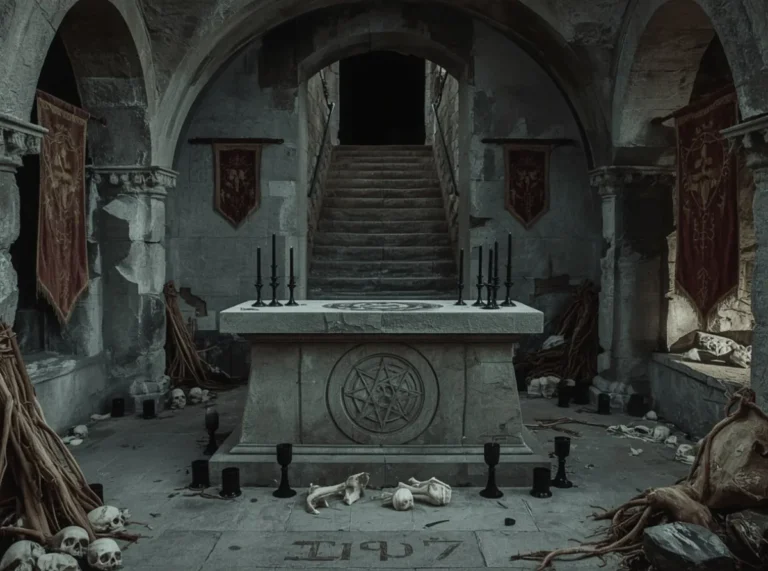
Dark fantasy names work best when they feel measured. Too much ornament can make a name sound forced, while too little shape can leave it flat. The sweet spot is often a name that feels clean at first glance, then reveals a shadowed edge on a second look.
Elegant simplicity is what gives these names staying power. They do not need long chains of apostrophes or oversized syllables to feel convincing. A name can be short, restrained, and still carry the weight of ruined kingdoms, old vows, and quiet power.
That is part of the appeal in games, writing, and roleplay. A name should be easy to say, easy to remember, and still feel like it belongs in a world where candles burn low and ancient houses keep their secrets. The right balance can make a character feel grounded before they even speak.
What makes a dark fantasy name feel elegant
Dark fantasy often leans on atmosphere, but atmosphere does not always mean complexity. Some of the strongest names are built from soft consonants, deep vowel sounds, and a shape that feels deliberate. They sound like they belong to someone who has seen too much, yet still carries themselves with poise.
Elegance usually comes from control. A name with one strong image, one clear rhythm, and no extra noise often feels more refined than a heavily decorated one. The darkness is in the mood, not in the clutter.
Good dark fantasy names usually feel ancient, calm, and slightly distant. They suggest history without explaining it.
Common qualities that help
- Short to medium length
- Clear pronunciation
- Muted but memorable sound
- Subtle historical or noble feel
- Enough mystery to invite imagination
Names like these can fit a knight, a mage, a rogue heir, or a haunted queen. Their strength is flexibility. They do not lock a character into one narrow role.
Classic names with a quiet shadow
Some names fit a dark fantasy setting because they feel familiar in shape, yet slightly colder than standard fantasy choices. They often use old-world sounds and simple structures. The result is elegant, but with a faint sense of decay or loss.
These are useful when you want a name that sounds believable in a medieval or gothic setting without becoming heavy or exaggerated. They work well for noble bloodlines, wandering scholars, temple guardians, and characters tied to old houses.
- Alaric
- Rowan
- Selwyn
- Lucan
- Caelan
- Morwen
- Isolde
- Gareth
- Elira
- Varyn
- Tamsin
- Edric
- Seren
- Orrin
- Maelis
- Dorian
- Rhiann
- Corin
- Velora
- Amaris
These names feel polished without sounding delicate. Alaric and Edric lean toward stern nobility. Isolde, Morwen, and Velora bring in a colder, more haunting presence. Rowan and Seren are softer, but still grounded enough to fit dark fantasy naturally.
Why they work in game settings
In a roleplaying game, a name needs to survive repeated use. It should look good in chat, sound good when spoken aloud, and remain readable in a party list. Names in this group do all three.
They also give room for title and rank. Alaric the Black Vow, Isolde of the West Tower, or Dorian of the Ashen Chapel can all expand into richer identity without changing the core name. That kind of flexibility matters when a setting uses family lines, orders, or regions.
Names shaped by nobility, ruin, and restraint
Another useful angle is the name that feels aristocratic without sounding polished in a modern sense. These names often suggest old money, declining power, and stone halls that have outlived their banners. They are elegant, but not bright.
This group works especially well for characters with inner conflict. A noble name can hint at duty, guilt, exile, or a hidden past. It can also fit worlds where elegance and darkness are tied together, such as fallen empires and vampire courts.
- Valen
- Lucienne
- Corvus
- Aveline
- Thorne
- Celest
- Marrow
- Elyndra
- Riven
- Sylas
- Vaelor
- Merrow
- Odette
- Kallum
- Nyra
- Evander
- Althia
- Draven
- Sable
- Arcten
Corvus, Sable, and Riven are especially sharp and memorable. They feel pared down, which is often what makes them effective. A name does not need to be long to imply danger.
Names with a strong central image, like Corvus or Thorne, often feel darker because they leave less room for extra decoration.
How to use this style well
If you want the name to feel richer, pair it with a modest surname or house name. Valen Mire, Aveline Rowe, or Sylas Crowe sound complete without becoming overbuilt. That approach works well for characters who should feel grounded in a world with politics, lineage, and quiet tension.
These names also suit characters who are not outwardly violent. A dark fantasy setting is not only about blades and curses. It is also about inheritance, silence, and the kind of dignity that survives in hard places.
Names with a mystical and nocturnal edge
Some names lean less on nobility and more on atmosphere. They feel moonlit, secretive, and slightly unreal. In dark fantasy, that can be a strong advantage, especially for witches, seers, night travelers, and characters tied to hidden magic.
These names often use flowing sounds, soft endings, and a sense of motion. They still stay simple, but they feel less rigid than the noble names above. That makes them useful when you want elegance with a little mystery.
- Arden
- Nyx
- Elowen
- Vaela
- Thalia
- Orin
- Liora
- Vesper
- Caldra
- Rowena
- Eska
- Lyric
- Maris
- Ophira
- Eira
- Solenne
- Miraeth
- Cairn
- Lenora
- Selene
Nyx and Vesper immediately suggest night, but they are still elegant because they stay compact. Elowen and Solenne feel smoother and more lyrical. Eira and Miraeth carry a cold, distant quality that works well for ancient magic or hidden lineage.
Best uses for these names
- Witches and spellcasters
- Moon priests and oracle figures
- Characters from hidden realms
- Quietly dangerous nobles
- Travelers with secret histories
These names are especially strong when the world itself has a lunar, forested, or ruins-filled atmosphere. A name like Vesper can feel simple on paper, yet heavy with meaning once it is placed into the right setting.
Subtle names for grounded dark fantasy
Not every dark fantasy name needs to sound like a prophecy. Sometimes the most effective choice is plain in structure and slightly worn at the edges. These names can make a character feel real inside a harsh world where survival matters more than grandeur.
This group fits soldiers, villagers, mercenaries, hunters, and travelers. They are restrained enough to blend into the world, but still carry a darker tone than common modern names. That makes them versatile.
- Bran
- Cora
- Elden
- Maeve
- Galen
- Runa
- Hale
- Tarin
- Briony
- Joren
- Nessa
- Wren
- Torin
- Alva
- Coren
- Lina
- Reeve
- Maren
- Dane
- Oryn
These names are useful because they do not fight the setting. A character named Maren or Torin can belong to a village on the edge of a dead forest, a border fort, or a city under an old curse. The name feels worn in, which helps the world feel lived in.
When a setting is dark, a simple name can feel more believable than a dramatic one. Restraint often carries more weight than complexity.
Names with a sharper, more dangerous finish
Sometimes elegance needs a blade. These names are still clean and readable, but they have a harder edge. They sound good for assassins, cursed heirs, exiled warriors, and characters who live close to violence.
The key here is not to make the name noisy. It should feel precise. A sharp name often uses hard consonants, clean endings, and a shape that sounds decisive when spoken aloud.
- Kael
- Riven
- Jarek
- Veyra
- Draven
- Kestrel
- Sorin
- Maud
- Varek
- Lyss
- Corven
- Talon
- Astra
- Nolan
- Xara
- Bram
- Cyria
- Dain
- Zeren
- Voss
Kael, Voss, and Dain are compact and severe. Veyra and Cyria sound more refined, but still edged with danger. Kestrel has a clean fantasy feel that also suggests motion and predation.
These names are useful for competitive games and narrative-heavy campaigns because they read quickly. They also tend to sound strong when attached to titles, guild roles, or feared reputations.
How to mix elegance with darkness without overdoing it
One of the most common mistakes in dark fantasy naming is pushing too hard in every direction at once. Too many extra letters, too many strange spellings, or too many symbols can make the name lose its shape. Elegant simplicity avoids that problem by keeping the core idea visible.
A useful approach is to choose one clear trait and build around it. If the name should feel noble, use smooth structure. If it should feel ancient, lean on older sounds. If it should feel dangerous, choose a crisp finish. Mixing all three at full strength usually makes the result feel cluttered.
Practical naming patterns
- One strong syllable: Nyx, Bram, Voss
- Two balanced syllables: Alaric, Elowen, Sorin
- Soft ending: Aveline, Solenne, Liora
- Hard ending: Kael, Dain, Corven
- Old-world shape: Edric, Isolde, Rowena
These patterns are easy to use when building your own names. You can also compare a few options side by side and see which one feels more natural in the world you are using.
Alternatives and related naming styles
Sometimes you want a name that feels close to dark fantasy but with a slightly different temperature. A few small changes can move a name toward softer Gothic mood, harsher demon-adjacent energy, or a more noble high-fantasy tone.
That makes naming flexible. You are not locked into one vocabulary. Instead, you can adjust the shape until it matches the character.
| Style | Typical feel | Example names |
|---|---|---|
| Gothic | Old, mournful, refined | Isolde, Rowena, Selwyn |
| Nocturnal | Moonlit, secretive, quiet | Nyx, Vesper, Selene |
| Warlike | Hard, direct, severe | Kael, Dain, Voss |
| Noble ruin | Elegant, fading, historic | Alaric, Aveline, Dorian |
| Arcane | Mystical, distant, refined | Elyndra, Maelis, Solenne |
These categories overlap. That is useful. A good name does not have to stay inside one box. It only needs to support the character you are building.
Choosing the right name for a specific role
If the character is a knight, names like Alaric, Edric, Torin, and Dain work well because they sound firm and traditional. If the character is a mage or seer, Elowen, Selene, Vaela, or Miraeth may carry the right level of mystery. For rogues and assassins, Riven, Voss, Lyss, and Kael feel clean and sharp.
For queens, heirs, and aristocratic figures, the softer but more formal names often land best. Isolde, Lucienne, Aveline, and Velora all suggest composure. They can sound graceful without losing the darker tone that makes them fit the genre.
Quick role-based ideas
- Knight: Alaric, Torin, Gareth, Edric
- Mage: Elowen, Solenne, Maelis, Vaela
- Rogue: Riven, Kael, Voss, Lyss
- Noble: Isolde, Aveline, Lucienne, Velora
- Hunter: Bran, Wren, Hale, Maren
Matching the name to the role makes the character feel settled in the world. It also helps when a group needs names that sound related but still distinct.
Simple ways to create your own names
If none of the existing names feel quite right, it helps to build one from a pattern instead of forcing creativity from scratch. Start with a sound you like. Then trim away anything unnecessary. Dark fantasy often rewards names that feel edited rather than invented.
Try combining one strong root with a gentle ending, or one old-sounding beginning with a cleaner final syllable. The result can feel custom without becoming difficult to read.
- Use one or two syllables for sharper impact
- Keep unusual letters limited
- Avoid stacking silent letters unless they serve a purpose
- Let the first sound hint at the mood
- Make sure it is easy to say out loud
A name like Maelis works because it is smooth but not soft in a weak way. Corven feels darker because the sound closes firmly. Lenora feels elegant because it opens gently and settles into something familiar. These effects are small, but they matter.
Names become memorable when they are easy to repeat. If a name sounds good spoken once, it should still sound good after the tenth time.
Names that stay elegant across different worlds
Some names are more adaptable than others. That matters in games where a character may move from a medieval campaign into a cosmic horror setting, or from a grim kingdom into a magical academy. Simplicity helps a name survive those changes.
Names like Rowan, Selene, Corin, Dorian, Nyx, and Aveline can travel well because they are not tied too tightly to one setting flavor. They feel fantasy-friendly without being locked into a single tradition. That gives them long-term value.
When choosing between similar options, think about portability. A portable name can be short, elegant, and dark enough to fit multiple worlds without feeling out of place. That makes it a practical choice for players who reuse names across different games or characters.
Final selection of refined dark fantasy names
Sometimes the best way to finish the search is to look at a final focused list. These names are especially good when you want something that feels polished, moody, and easy to hold onto.
- Alaric
- Isolde
- Rowan
- Vesper
- Kael
- Aveline
- Riven
- Selene
- Dorian
- Nyx
- Elowen
- Corven
- Maeve
- Lucan
- Velora
- Torin
- Maelis
- Sorin
- Lenora
- Voss
These names stay close to the center of the style: dark, elegant, and simple enough to feel natural. They are strong without being loud, and refined without becoming fragile. That combination is what makes them useful in stories, character sheets, and game worlds that depend on atmosphere as much as action.
In the end, the best dark fantasy names do not try to do everything at once. They choose one mood and carry it cleanly. That is often enough to make a character feel like they already belong to the world.